Author

Ines Corbett

Browsing

The leg extension machine is a common sight in gyms, specifically targeting the quadriceps. However, it’s also notorious for placing significant stress on the knee joint, particularly the patellofemoral joint. For individuals with knee pain, past injuries, or a desire to protect their knees long-term, leg extensions might not be the best choice. Fortunately, there are several effective bodyweight and resistance band alternatives that can strengthen the quads while minimizing knee strain. These options prioritize proper biomechanics, controlled movements, and a focus on overall leg strength, leading to healthier and more functional quad development.

Bodyweight Wonders: Quad Activation Without Machines

Bodyweight exercises are excellent for building a foundation of quad strength and improving functional fitness. Squats, in their various forms, are a cornerstone movement. Start with bodyweight squats, focusing on maintaining good form: chest up, core engaged, and weight distributed evenly through your feet. Progress to variations like split squats, which challenge balance and target each leg individually. Lunges are another fantastic option, either forward, reverse, or lateral, emphasizing controlled lower and a deep bend in both knees. These exercises engage the quads in a more natural, weight-bearing manner, reducing the isolated stress on the knee joint that leg extensions can create.

Resistance Band Revolution: Adding Intensity Safely

Resistance bands provide a versatile and portable way to add intensity to bodyweight movements. Banded squats, where the band is placed around the thighs, increase the challenge by forcing you to activate your outer hips and quads to maintain proper knee alignment. You can also perform banded step-ups, attaching the band around your ankles, which further engages the quads as you lift your leg. Resistance bands provide a scalable method to increase the difficulty, allowing you to progressively overload your quads while controlling the range of motion and stress on your knees. Going for the workout plans for men would be essential here.

Isometric Holds: Strengthening Without Movement

Isometric exercises involve holding a position without any movement. This can be highly effective for building strength and improving stability. A wall sit is a classic example: leaning against a wall with your knees bent at a 90-degree angle and holding the position for a specified duration. Isometric holds strengthen the quads and surrounding muscles without putting the knee through a full range of motion, making them ideal for individuals with knee pain or those recovering from injuries. You can also incorporate isometric holds into other bodyweight movements, such as holding the bottom position of a squat or lunge.

Prioritizing Form and Progression: The Key to Knee-Friendly Quad Strength

Regardless of the exercise you choose, proper form is paramount. Focus on controlled movements, engaging your core, and maintaining good posture. Start with a lower number of repetitions and gradually increase as your strength improves. Listen to your body and avoid pushing through any pain in your knees. By prioritizing form, controlled progression, and choosing knee-friendly alternatives, you can effectively strengthen your quads while promoting long-term knee health and function. Remember to consult with a healthcare professional if you have any specific knee concerns or injuries.

For centuries, tooth loss presented significant challenges, often leading to compromises in daily life through uncomfortable dentures or bridges that impacted adjacent healthy teeth. However, the landscape of tooth replacement has been fundamentally transformed by the advent and refinement of dental implants. No longer a niche or experimental procedure, dental implants have emerged as the gold standard, offering a solution that not only restores function but genuinely mimics the look and feel of natural teeth. This shift represents a monumental leap forward, promising enhanced quality of life for millions facing dental challenges.

Anchored for Life: Unmatched Stability and Function

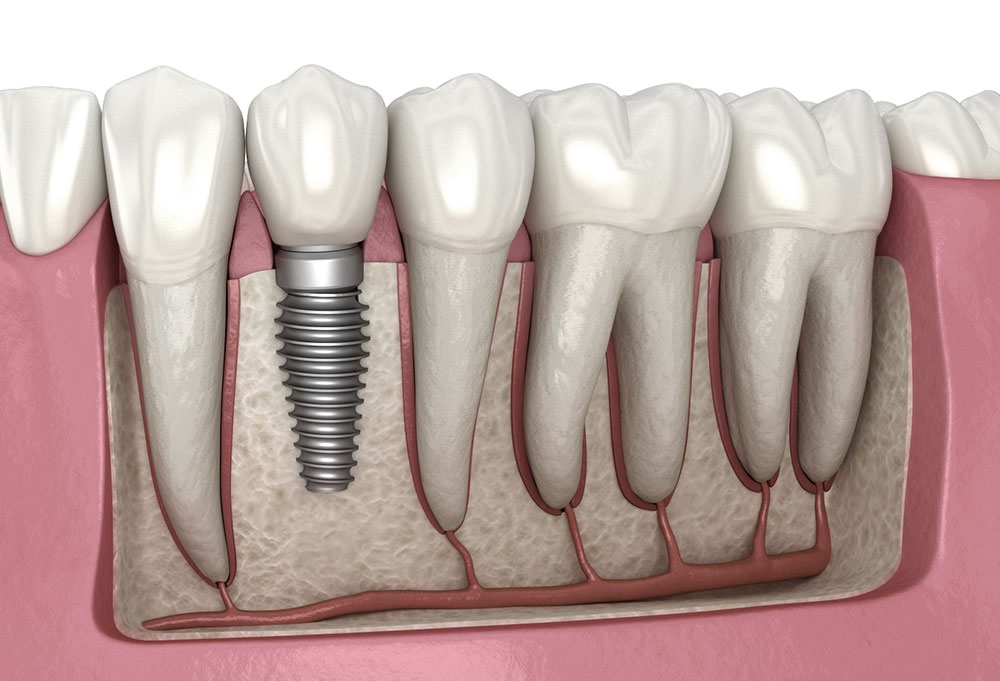
What sets dental implants apart from traditional methods is their unique foundation. An implant is a small, biocompatible post (usually titanium) surgically placed into the jawbone beneath the gum line. This post then fuses with the bone through a process called osseointegration, essentially becoming a stable root substitute. This secure anchor means the replacement tooth or bridge attached to the implant won’t slip or shift, a common complaint with dentures. It allows patients to eat, speak, and smile with complete confidence, restoring the biting force and functional capacity that felt lost forever.

Precision & Progress: Cutting-Edge Implant Technology

The success and widespread adoption of dental implants are heavily reliant on continuous technological advancements. Modern implantology benefits immensely from digital dentistry, including 3D cone-beam CT scanning which provides incredibly detailed images of the jawbone structure. This allows for precise treatment planning and guided surgery, ensuring optimal implant placement for maximum success and minimal invasiveness. Furthermore, innovations in implant materials and surface treatments promote faster and stronger osseointegration, accelerating healing times and improving long-term prognosis. These technological strides make dental implants more predictable and accessible than ever before.

The Long-Term Advantage: Why Implants are the Preferred Choice

Beyond stability, dental implants offer critical long-term benefits that traditional options cannot match. Because the implant stimulates the jawbone much like a natural tooth root, it helps prevent bone loss, a common consequence of missing teeth that can lead to facial structure changes. Implants also stand alone, meaning they don’t require altering adjacent healthy teeth as bridges do. While the initial investment might seem higher, their potential to last a lifetime, coupled with bone preservation and superior functionality, often makes them the most cost-effective and healthier choice over the long run, preserving both oral health and facial aesthetics.

Bite Into Confidence: The Future is Here

Dental implants are more than just a way to fill a gap; they are a comprehensive solution that restores confidence, preserves oral health, and significantly enhances overall quality of life. They allow individuals to enjoy their favourite foods again, speak clearly, and smile freely without worry. As technology continues to evolve, making procedures faster, more precise, and potentially less invasive, the future of tooth replacement is firmly anchored in dental implant technology. For those seeking a durable, functional, and aesthetic solution to tooth loss, biting into the future means choosing the transformative power of dental implants.

Article Summary

Finding the right face wash for oily skin can be challenging, especially when oily skin leads to shine, clogged pores, and frequent breakouts. This article explains what causes oily skin, how specific cleansers help manage excess sebum, and what to look for when choosing a suitable daily wash. The goal is to offer clear, unbiased information to help readers select an effective cleanser based on their skin’s needs.


Understanding Oily Skin

Oily skin occurs when the sebaceous glands produce more sebum than the skin requires. Sebum is essential for protecting and moisturizing the skin, but when the body produces it in excess, it can lead to:

  • Persistent shine

  • Enlarged pores

  • Blackheads and whiteheads

  • Increased likelihood of acne

Genetics is a major contributor, but oily skin can also be influenced by hormones, climate, stress, certain medications, and the overuse of heavy skin care products. People with oily skin often struggle to keep their complexion balanced without over-drying it.


Why Choosing the Right Face Wash Matters

A suitable face wash for oily skin helps remove excess oil, impurities, and buildup without stripping the skin’s natural moisture barrier. The right cleanser creates a balanced base for the rest of the skincare routine, helping the skin stay clean and refreshed throughout the day.

A good cleanser should not make the skin feel tight or overly dry. Over-drying can cause the skin to produce even more oil, creating a cycle of imbalance.


Key Features to Look for in a Face Wash for Oily Skin

Oil-Free Formulas

Oil-free cleansers help remove sebum without adding additional greasiness. They are lightweight and suitable for daily use.

Non-Comedogenic Products

Choosing non-comedogenic formulas reduces the likelihood of clogged pores and breakouts.

Gel or Foaming Textures

Gel and foaming cleansers are often ideal for oily skin because they provide a refreshing, deep-clean feeling without being heavy.

Optional Active Ingredients

Some face washes contain ingredients that help manage oily skin, such as:

  • Salicylic acid: penetrates pores to reduce buildup

  • Niacinamide: helps balance oil production

  • Tea tree extract: offers mild purifying benefits

These ingredients are optional but can be helpful for those dealing with shine or frequent breakouts.

Gentle Cleansing Base

Even oily skin needs gentle care. Harsh cleansers can irritate the skin and lead to increased oil production as the skin tries to compensate for moisture loss.


How Excess Oil Affects Daily Skin Health

Oily skin is more prone to certain concerns, making consistent cleansing essential.

Common Issues Linked to Oily Skin

  • Shiny T-zone throughout the day

  • Clogged pores due to excess sebum

  • More frequent acne flare-ups

  • Makeup not lasting long

  • Rough or textured skin

A proper cleansing routine helps minimize these issues by keeping pores clean and reducing surface buildup.


Building an Effective Cleansing Routine for Oily Skin

1. Cleanse Twice Daily

Morning cleansing removes nighttime oil buildup, while evening cleansing removes dirt, sweat, and pollution collected throughout the day.

2. Use Lukewarm Water

Hot water can strip the skin and trigger more oil production. Lukewarm water helps cleanse without irritation.

3. Massage Gently

Aggressive scrubbing can irritate the skin and worsen oiliness. Gentle circular motions for 20–30 seconds are enough.

4. Follow With the Right Products

Pairing your face wash for oily skin with lightweight skincare helps maintain balance.

  • Oil-free moisturizer: keeps skin hydrated without heaviness

  • Sunscreen: protects skin and prevents dark spots

  • Optional spot treatments: useful for breakouts or clogged pores

Moisturizer is important even for oily skin, as dehydration can trigger excess oil production.


Common Mistakes People With Oily Skin Make

Avoiding certain habits can significantly improve the effectiveness of a cleansing routine.

Overwashing the Face

Cleansing more than twice a day can strip the skin and increase oil production.

Skipping Moisturizer

Oily skin still needs hydration. Without moisturizer, the skin may produce more oil to compensate.

Using Harsh Scrubs Frequently

Physical exfoliators can irritate the skin. Gentle exfoliation once or twice a week is enough.

Layering Too Many Products

Multiple heavy products can clog pores. Keep routines simple and balanced.


When to Consider Changing Your Cleanser

If you experience any of the following, it may be time to switch your face wash:

  • Skin becomes greasy shortly after washing

  • Frequent breakouts or clogged pores

  • Skin feels tight or dry after cleansing

  • Increased shine throughout the day

  • Certain ingredients cause irritation

Understanding your skin’s reaction helps you adjust your routine more effectively.


Conclusion

Choosing the right face wash for oily skin plays an essential role in managing shine, clogged pores, and breakouts. A suitable cleanser cleans without stripping the skin, allowing oily skin to stay balanced and healthier-looking. By focusing on oil-free, non-comedogenic, and gentle formulas—and pairing them with an appropriate overall routine—individuals with oily skin can maintain a clearer and fresher complexion.

Penile enlargement is chosen by many guys to improve their confidence and sexual wellness. Whether the therapy is non-surgical options like pumps or exercises, fillers, or surgery, knowing how long the results will persist is rather crucial. Understanding the lifetime of penile enlargement can guide your selection of technique.

Following Penile Enlargement Surgery, for How Long Do the Effects Last?

Among the most often used techniques to raise penis size is penile augmentation surgery. The way the procedure is carried out and the patient heals will determine whether the outcomes are permanent or not.

Lengthening Penis Removing the suspensory ligament in surgery lets the penis look longer. Although the lengthening may be permanent, the success of the operation relies on the caliber of the surgery and the degree of post-operative care followed.

Men suffering with erectile dysfunction or those who want to permanently increase their penis utilize penile implants. These implants are meant to stay in situ and yield long-lasting effects. Penile implants once implanted can endure many years, sometimes even a lifetime. But given wear and tear, they could have to be changed over time.

Complications could arise from surgery. Problems include infection, scarring, or discontent could compromise long-term success. Following all aftercare guidelines will help you to enhance the lifetime and efficacy of your results.

With Fillers, For How Long Do the Results Last?

Penile enlargement fillers’ non-invasive character is a main reason behind their appeal. The most often utilized filler for this surgery is hyaluronic acid. Direct injection of it into the penis increases volume and enhances its look.

Unlike surgery, filler injections have only transient results. Depending on the type and quantity of filler used, how the body absorbs it, and lifestyle choices, penile enlargement can last anywhere from six months to two years.

As the filler the body absorbs, the results progressively fade. Maintaining the results calls both repeated treatments. This can raise the process’s total cost. Many men choose touch-ups every few months to stay at their intended size.

How Long Do Non-Surgical Method Results Last?

Penile enlargement can be accomplished non-surgical with pumps, exercises, and drugs. Though their efficacy and duration vary, these alternatives may be less expensive and less intrusive.

A popular non-surgical approach of penile enlargement is penis pumps. These pumps create a vacuum around the penis and pull blood to the region to momentarily boost penile size. Penis pumps provide transient effects only lasting as long they are employed. While some men find long-term advantages from regular use, the effects usually fade rapidly.

Penderness exercises including jelqing stretch the tissues to increase the penis’s length and size. Some men may benefit from these workouts, but generally they are just temporary and should be done consistently. Should they not be sustained, the effects of enlargement will diminish over time.

Medications and substances abound in claims to boost penile development. Their longevity and efficacy are much disputed, nevertheless. Little scientific data exist to suggest that pills or supplements cause long-lasting enlargement effects. Usually transient, the advantages of the treatment will vanish as soon as it ends.

Elements Influencing the Lifetime of Results

Whatever technique is applied, various elements can influence the length of penile enlargement effects. Including:

Body Type and Genetics: Everybody’s body reacts to treatment differently. Genes, hormone levels, and body shape can all influence the outcomes.

Men’s bodies could lose their capacity to sustain tissue volume and elasticity as they get older. This can cut the lifetime of effects. For non-surgical procedures like fillers specifically, this is true.

Lifestyle choices including diet, exercise, and smoking can influence the lifetime of effects. While bad habits might hasten their breakdown, good lifestyle choices can help to extend the benefits.

Maintenance and Aftercare: It is really imperative to follow aftercare directions. Whether it’s planning follow-up visits or avoiding particular activities following surgery, maintenance is essential to prolonging the life of your results.

Conclusion

Penile enlargement’s effects rely on the technique as well as the person. Certain surgical operations, including implants or penile lengthening, can yield long-lasting, irreversible effects. Fillers need frequent touch-ups to keep the intended size since they produce transient results between six months and two years. Medications, pumps, and exercise can present non-surgical choices with temporary effects. If they are not used consistently, their efficacy could be fleeting though.

Understanding the duration of every approach and considering your goals and way of life will help you to decide which one best fits you. Before starting any penile enlargement operation, be sure you see a specialist. Talk about your expectations and choices at hand.

This post was written by a professional at Loria Medical USA. Dr. Victor Loria introduces an innovative and groundbreaking approach to Penile Shaft Girth Enhancement, known as the Platinum Method. This advanced, non- invasive technique employs a Permanent Dermal Filler Injection, exclusively available at Loria Medical Cosmetic Centers and their affiliated locations across the United States. Click here to learn more about penile lengthening non surgical services!