
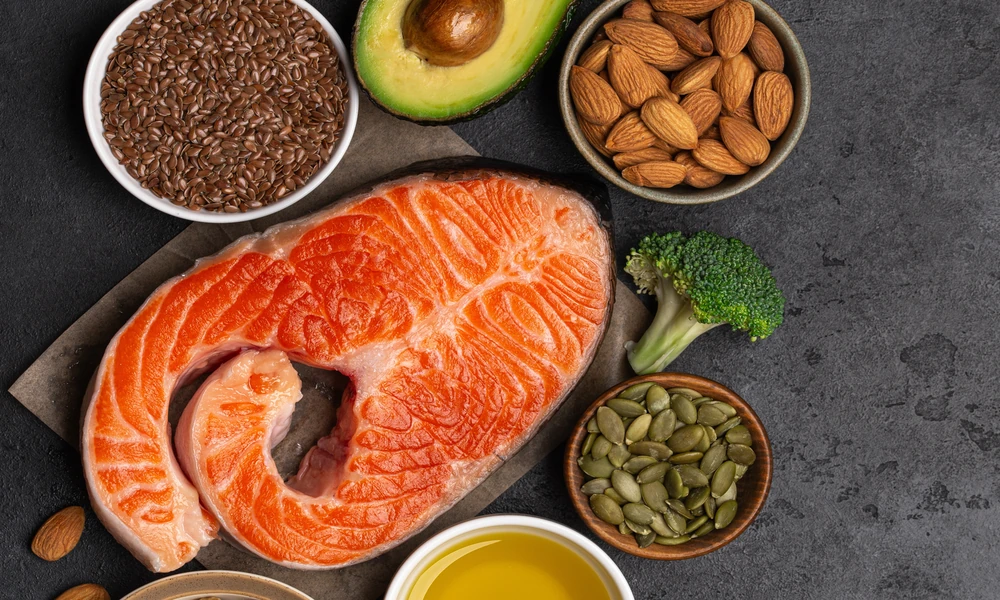
Most weekly menus cycle through the same five or six ingredients. That habit narrows the range of minerals a body receives. Magnesium slips first, since refined staples carry very little of it. Adults need between 310 and 420 mg each day.
Here’s the encouraging part. Rotating foods that have magnesium in them brings fresh flavor and stronger nutrition. Seeds, legumes, greens, whole grains, and dark chocolate all qualify. Smart cooking choices and simple swaps make the shift easy.
Refined Grains Strip Away Hidden Magnesium
White flour loses about 80 percent of wheat’s original magnesium. Milling removes the bran and germ, where the mineral concentrates. A cup of cooked quinoa supplies close to 118 mg. White rice, by comparison, offers barely 20.
Swapping one grain at dinner changes the daily math. Brown rice, bulgur, and buckwheat also bring nuttier textures.
Which Seeds and Nuts Deliver the Most?
Small portions here pack surprising mineral density.
- Pumpkin seeds deliver 156 mg in a single ounce.
- Chia seeds reach 111 per two tablespoons.
- A handful of almonds contributes around 80.
- Cashews land near 74 for that same portion.
- Two spoonfuls of peanut butter add nearly 50.
Sprinkled on oatmeal or tossed into salads, these fit any routine.
Leafy Greens and Legumes Anchor Hearty Meals
Cooked spinach beats raw cup for cup, since heat shrinks the leaves. Half a cup, boiled, holds about 78 mg. Black beans add another 60 per half cup.
Combine both in a burrito bowl for a mineral-dense lunch. Lentil soups and edamame stir-fries rank among foods that have magnesium in them worth rotating weekly.
Does Cooking Method Change Mineral Content?
Yes. Boiling water carries magnesium away from vegetables.
- Steaming preserves more than boiling does.
- Soups keep the leached minerals.
- Soaking beans cuts phytate interference.
- Sprouted grains release minerals more readily.
Phytates bind magnesium, so lowering them helps the gut absorb more.
Dark Chocolate and Avocado Break Routine
Dessert can carry nutrition, not just indulgence. An ounce of 70 to 85 percent dark chocolate supplies around 65 mg. Avocado brings 44 per cup, plus potassium and fiber.
Bananas get credit for minerals, yet offer just 32 each. Mashing avocado onto whole-grain toast stacks two sources at breakfast.
Can Fish and Dairy Fill Gaps?
Animal foods contribute modest amounts rather than big doses. Three ounces of salmon carries about 26 mg. A cup of plain yogurt adds roughly 42.
Small as these figures look, mixed plates add up fast. Salmon served over quinoa with spinach clears 200 mg in one meal.
The Pumpkin Seed Lesson for Weekly Menus
One ounce of pumpkin seeds covers half a woman’s daily need. Yet eating it every day recreates the original monotony. Magnesium works better as a variety signal than a single fix. Each mineral-rich swap drags fiber, potassium, and healthy fats along with it. Chasing one nutrient ends up rebuilding a broader, sturdier diet.
FAQs
How much magnesium does an adult need daily?
Women need about 310 to 320 mg each day. Men require between 400 and 420 mg.
Can food alone cover magnesium needs?
A varied diet meets most requirements without supplements. Kidney conditions or certain medications may change that, so a doctor’s input helps.
Is too much magnesium from food harmful?
Healthy kidneys flush excess dietary magnesium without trouble. Problems like diarrhea and cramping stem from high-dose supplements, not meals.
Which breakfast packs the most magnesium?
Oatmeal topped with chia and pumpkin seeds performs well. A full ounce of each pushes that bowl past 300 mg.
Do magnesium-rich foods help with sleep or muscle cramps?
Magnesium supports nerve signaling and muscle relaxation, so low intake can worsen cramps. Steady dietary sources may aid sleep quality, though persistent symptoms deserve a doctor’s review.

Comments are closed.