Author

Ines Corbett

Browsing

For healthcare providers looking to provide their patients with an effective solution for lower back pain, investing in a high-quality lower back decompression machine is essential. Decompression machines work by gently stretching the spine to alleviate pressure on the discs and nerves, promoting healing and providing significant relief from pain. In this article, we will discuss the key features and considerations to keep in mind when selecting the right decompression machine for your practice.

Factors to Consider When Choosing a Lower Back Decompression Machine

Type of Decompression Machine

There are various types of lower back decompression machines available in the market, including motorized, manual, and inversion-based ones. Motorized machines tend to have higher precision and offer more consistent results, while manual devices may offer a more affordable option. Inversion-based machines provide relief by securing the patient’s ankles and inverting them upside down to use gravity for spinal decompression. Understand the specific needs of your patients to make an informed decision.

Safety Features

Safety should be a top priority when selecting a decompression machine. Ensure the device has built-in safety mechanisms, such as emergency stops, patient restraints, and fail-safe features. Additionally, look for FDA clearance and adherence to industry standards to confirm that the machine has undergone rigorous testing for safety and efficacy.

Customizability and Ease of Use

A customizable decompression machine allows healthcare providers to tailor treatments to individual patients, ensuring optimal results. Look for machines with adjustable traction force, treatment time, and decompression angles. Moreover, the device should be easy to use for both the caregiver and the patient. A user-friendly control panel, clear treatment protocols, and quick-release restraints contribute to smoother operation.

Comfort

Comfort is crucial for ensuring patient compliance and maximizing the effectiveness of spinal decompression therapy. Select a machine that offers comfortable and secure patient restraints, well-padded treatment surfaces, and an ergonomic design one that minimizes discomfort during the procedure.

Size and Portability

Space constraints and mobility can be significant factors when choosing a decompression machine. Some machines are larger and heavy, making them difficult to move between treatment rooms or clinics. Opt for a compact, portable device if you require flexibility or have limited space.

Cost and Warranty

While it’s important to consider the upfront cost of purchasing a decompression machine, it’s also essential to assess ongoing costs, such as maintenance and replacement parts. Additionally, consider the warranty offered by the manufacturer. A more extended warranty period and comprehensive coverage can provide peace of mind and protect your investment.

In Conclusion

Selecting the right lower back decompression machine for your practice requires careful evaluation of multiple factors, including the type of machine, safety features, customizability, ease of use, comfort, size, and cost. By taking these concerns into account, you can make an informed decision and ultimately provide your patients with the most effective and comfortable spinal decompression treatment possible.
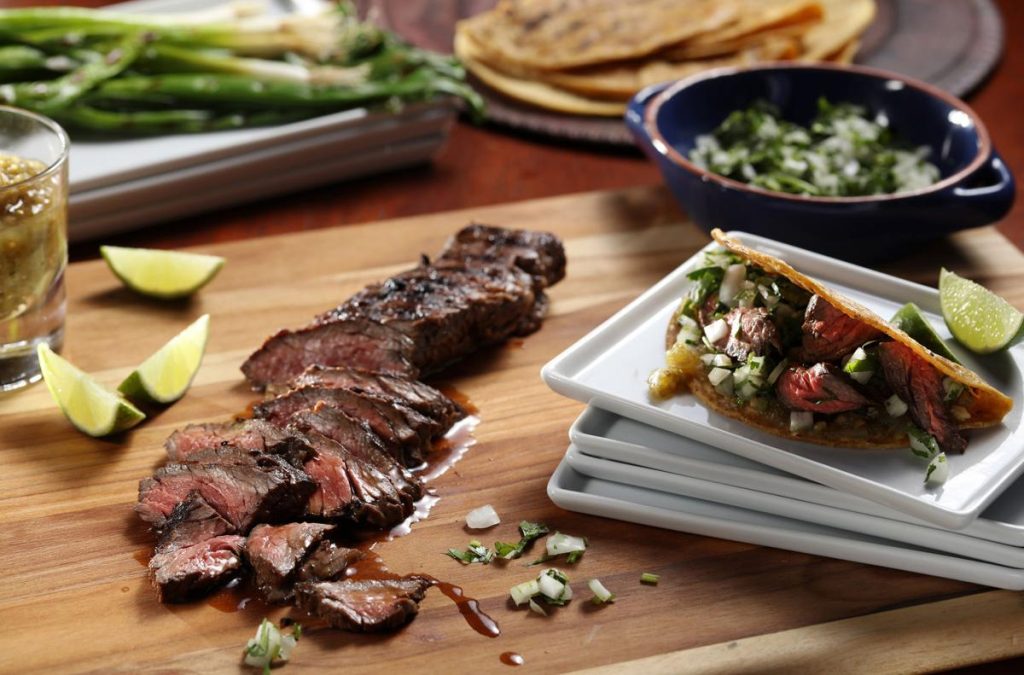
Carne asada is a staple in Mexican cuisine, but its history and cultural significance go beyond its delicious flavor. In this blog post, we will explore the origins of the dish, its evolution over time, and how it has become an essential part of Mexican cuisine. We will also cover the different regional variations of the dish and how it is enjoyed in different parts of the world. Finally, we will discuss the social and cultural significance of carne asada, including how it is often served at family gatherings and celebrations.

Origins of Carne Asada The origins of carne asada are believed to date back to the early 19th century in Northern Mexico, where it was traditionally prepared using beef skirt steak. This cut of meat was marinated in lime juice and other seasonings before being grilled over an open flame. Over time, the recipe evolved to include other cuts of beef, as well as additional spices and herbs.

Evolution of Carne Asada As carne asada gained popularity in Mexico, it spread to other parts of the world, including the United States, where it has become a popular dish in Mexican-American cuisine. Today, there are many different regional variations of carne asada, each with its unique flavor profile and cooking techniques.

Different Regional Variations In Mexico, carne asada is often served as a standalone dish or as a filling for tacos, burritos, and other Mexican foods. In the northern regions of Mexico, the traditional marinade for carne asada includes lime juice, garlic, cumin, and chili powder. In the southern regions of Mexico, however, the marinade is often more citrus-based, featuring ingredients like orange juice and vinegar.

In the United States, carne asada is typically served as a standalone dish, often with rice, beans, and tortillas on the side. In Southern California, where Mexican-American cuisine has had a significant influence, carne asada is often served with pico de gallo, guacamole, and other Mexican condiments.

Social and Cultural Significance Carne asada has significant social and cultural significance in Mexican culture. It is often served at family gatherings and celebrations, such as birthdays, weddings, and holidays. The act of preparing and serving carne asada is a way for families and friends to come together, share food, and enjoy each other’s company.

Carne asada has also become a symbol of Mexican-American identity, representing the fusion of Mexican and American cultures. It is a dish that brings people together, regardless of their background or cultural heritage, and celebrates the diversity of the people who enjoy it.

In Conclusion Carne asada is more than just a dish; it is a symbol of Mexican culture, history, and identity. Its origins may date back to the early 19th century, but its popularity has only continued to grow over time. With its many regional variations and social and cultural significance, carne asada has become an essential part of Mexican and Mexican-American cuisine. Whether enjoyed as a standalone dish or as a filling for tacos and burritos, carne asada is a delicious and beloved dish that brings people together.

Check out a few homemade recipes:

Flan https://www.lemonblossoms.com/blog/the-best-flan-recipe/
Baklava https://www.lemonblossoms.com/blog/baklava-recipe/


B12 vitamin insufficiency Due to a shortage of vitamin B12, a disease known as anemia occurs when your body does not produce enough healthy red blood cells. Red blood cells, which deliver oxygen to every area of your body, are made possible by this vitamin. Your tissues and organs do not receive adequate oxygen if there are not enough red blood cells. Lack of oxygen affects how well your body works.

An additional B vitamin is folic acid, generally known as folate. Megaloblastic anemias include those brought on by a deficiency of folate or vitamin B12, respectively. These anemia’s result in abnormal red blood cell development.

They are enormous. Moreover, they are oval-shaped rather than spherical like healthy red blood cells. The bone marrow produces fewer red blood cells as a result. Red blood cells can perish earlier than usual.

What results in anemia from vitamin B12 deficiency?

Causes

If you don’t consume enough foods containing vitamin B12, such as if you adhere to a strict vegetarian or vegan diet, you might develop vitamin B12-deficiency anemia. Yet this is uncommon. Anemia brought on by a lack of vitamin B12 is most frequently brought on by other risk factors in the US.

For the following reasons, vitamin B12 insufficiency can occur:

  1. Absence of intrinsic factor: 

A stomach-produced protein called intrinsic factor aids the body’s absorption of vitamin B12. Pernicious anemia patients do not create intrinsic factors. Those with northern European or African heritage are more likely to suffer from pernicious anemia. If your body is unable to absorb sufficient vitamin B12 from the diet, you might develop vitamin B12-deficiency anemia.

Digestive issues are more prevalent in older persons and make vitamin B12 absorption more difficult.

  1. Lifestyle choices:

Excessive alcohol use might hinder the body’s ability to absorb vitamin B12. This is more than two drinks a day for males. It’s more than one drink each day for ladies.

  1. Medications: 

Over time, using some medications may make it more difficult for your body to absorb vitamin B12. Some of them include medications for heartburn and the diabetic medication metformin.

  1. Health issues: 

Certain health issues might increase your risk of anemia caused by a vitamin B12 deficiency. 

They consist of:

  • Type 1 diabetes, thyroid illness, and other autoimmune conditions including celiac disease external link
  • Long-term pancreatitis
  • Imerslund-Gräsbeck syndrome, hereditary intrinsic factor deficiency, and inherited transcobalamin insufficiency are a few genetic disorders.
  • Digestive and intestinal disorders such Helicobacter pylori infection, Crohn’s disease, and ulcerative colitis
  • Vitiligo External link
  1. Abdominal surgery:

Abdominal surgery, such as a gastrectomy or weight-loss surgery, can make it more difficult for your body to absorb vitamin B12.

Symptoms of vitamin B12 deficiency?

Symptoms of a vitamin B12 shortage might be neurological, psychological, or physical. The signs of a vitamin B12 shortage might appear gradually and progressively worsen. Despite having low levels of vitamin B12 in their systems, some people may not exhibit any symptoms. Without anemia, those with vitamin B12 insufficiency may experience neurological symptoms or damage (lack of red blood cells).

These are examples of general physical signs of a vitamin B12 deficiency:

  • Feeling drained or fragile.
  • nausea, vomiting, or diarrhea are present.
  • Not as ravenous as usual.
  • Loss of weight.
  • Having a painful tongue or mouth.
  • Having skin that is yellow.

By consuming vitamin B12-rich foods and beverages, the majority of individuals may avoid vitamin B12 insufficiency.

Prevention of vitamin B12 deficiency?

  1. Foods derived from animals: Vitamin B12 is present in red meat, fish, poultry, eggs, milk, and other dairy products.
  2. Fortified foods: Foods that have additional vitamins and nutrients that they do not normally have are referred to as fortified foods. Some bread varieties, nutritional yeast, plant milk, and specific cereals are among the foods that have been fortified. Make careful to look at the nutritional data on the product label to see whether it has been fortified with vitamin B12.
  3. Supplements that include vitamin B12 are present in several multivitamins. Moreover, some pills include simply vitamin B12. Inquire with your doctor or chemist about the supplement they recommend for you.

The Canadian pharmacy industry has grown substantially over the past few decades, with a significant increase in the number of pharmacies operating both online and offline. The growth of the industry has been driven by a combination of economic and political factors, which have created an environment that is conducive to the development of a thriving pharmaceutical sector.

Economic Factors

One of the key economic factors that has influenced the growth of the Canadian pharmacy industry is the country’s universal healthcare system. The Canadian healthcare system is publicly funded, meaning that the government provides funding for all medically necessary services. This includes prescription drugs, which are covered under the country’s national drug plan. As a result, Canadians have access to affordable prescription drugs, regardless of their income or health status.

Another important economic factor that has contributed to the growth of the Canadian pharmacy industry is the country’s strong pharmaceutical research and development sector. Canada is home to a number of world-class research institutions, which have been instrumental in developing new drugs and therapies. This has helped to establish Canada as a leader in the pharmaceutical industry, attracting investment from multinational companies and fostering the growth of domestic companies.

Political Factors

The Canadian government has implemented a range of policies and initiatives aimed at supporting the growth of the pharmaceutical industry. These include tax incentives for pharmaceutical companies, funding for research and development, and streamlined regulatory processes for drug approval. These policies have helped to create a favorable environment for the growth of the Canadian pharmacy industry, encouraging innovation and investment in the sector.

However, the growth of the Canadian pharmacy industry has not been without its challenges. One of the key political factors that has impacted the industry is the ongoing debate over drug pricing and intellectual property rights. Canada has long been a popular destination for Americans looking to purchase affordable prescription drugs, due in part to the country’s price controls on medications. However, this has led to tensions with the United States, which has accused Canada of violating intellectual property laws and undermining the profitability of American pharmaceutical companies.

In response, the Canadian government has implemented a range of measures aimed at protecting its pharmaceutical industry while also addressing concerns around drug pricing. These include efforts to strengthen intellectual property protections, as well as initiatives aimed at promoting greater transparency and accountability in the pharmaceutical sector.

Another political factor that has influenced the growth of the Canadian pharmacy industry is the country’s regulatory environment. While Canada’s regulatory system is generally considered to be effective and efficient, there have been concerns raised about the impact of regulatory burdens on small and medium-sized pharmacies. In response, the Canadian government has implemented a range of measures aimed at streamlining regulatory processes and reducing the administrative burden on pharmacies.

Overall, the economic and political factors influencing the growth of the Canadian pharmacy industry are complex and multifaceted. While there are a number of challenges facing the industry, including ongoing debates over drug pricing and intellectual property rights, there are also a number of opportunities for growth and innovation. As the pharmaceutical industry continues to evolve, it is likely that the Canadian pharmacy industry will continue to play a key role in shaping the future of healthcare in Canada and around the world.