Author

Carol Gilmore

Browsing

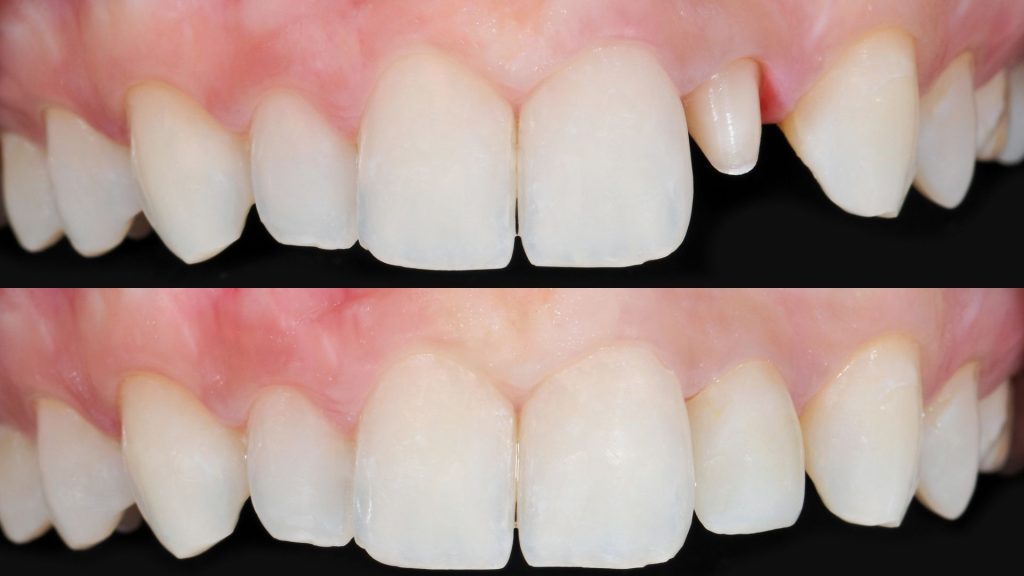
Maintaining good oral health is crucial for a confident smile and overall well-being. Dental restorations like fillings, crowns, and bridges play a vital role in preserving the integrity of damaged or decayed teeth. However, despite their durability, these restorations are not indestructible and can occasionally become damaged or broken. Knowing how to manage broken dental restorations is essential to prevent further complications and ensure the longevity of your dental work. In this blog, we will provide guidance on dealing with broken or damaged dental fillings, crowns, or bridges, allowing you to take the appropriate steps to safeguard your oral health. 

Recognizing Broken Dental Restorations:

The first step in managing a broken dental restoration is to recognize the signs of damage. Common indications include sharp edges, sensitivity to temperature changes or pressure, visible cracks, or the restoration falling out altogether. If you experience any of these symptoms, it’s crucial to seek dental attention promptly. 

Immediate Action:

When you notice a broken dental restoration, it’s essential to act quickly to prevent further complications. Rinse your mouth with warm water to keep the area clean and free from debris. If a filling or crown has fallen out, try to keep it safe as your dentist might be able to reattach it.

Avoid DIY Fixes:

While it might be tempting to try home remedies or DIY fixes for broken dental restorations, it’s crucial to resist the urge. Using household glues or temporary filling materials can damage your teeth further, introduce harmful chemicals to your mouth, and complicate the restoration process for your dentist. Always seek professional dental care to ensure the problem is addressed properly.

Covering the Affected Area:

If your dental restoration has broken, and you cannot visit the dentist immediately, you can use temporary measures to protect the exposed tooth. Drugstores often sell dental cement or temporary filling material over-the-counter. Apply a small amount to the damaged area, following the instructions carefully. However, remember that this is only a short-term solution, and you should still visit your dentist as soon as possible. 

Maintaining Oral Hygiene:

Keeping the affected area clean is crucial to prevent infection and further decay. Continue with your regular oral hygiene routine, but be gentle around the broken restoration. Brush and floss carefully to avoid aggravating the situation. Additionally, consider using a mouthwash recommended by your dentist to help reduce bacteria in your mouth.

Avoiding Certain Foods:

While waiting for your dental appointment, it’s wise to avoid certain foods that could cause discomfort or damage to the broken restoration. Hard, crunchy, sticky, or extremely hot/cold foods should be avoided, as they can exacerbate the issue and cause pain.

Visiting Your Dentist:

Without a doubt, the most critical step in managing broken dental restorations is to visit your dentist or an emergency dentist promptly. Professional dental care is essential to assess the extent of the damage and determine the appropriate course of action. Your dentist will examine the affected area, provide necessary treatment, and potentially reapply or replace the dental restoration.

Prevention for the Future:

Once your dentist has addressed the issue, discuss preventive measures to reduce the risk of future damage. Proper oral care, regular dental check-ups, and avoiding habits like teeth grinding or biting on hard objects can help extend the lifespan of your dental restorations.

Conclusion

Broken or damaged dental restorations can be concerning, but with timely action and professional care, the situation can be effectively managed. Always prioritize your oral health and seek dental attention as soon as you notice any issues with your dental fillings, crowns, or bridges. With a little vigilance and the right guidance, you can maintain a healthy and beautiful smile for years to come. Remember, your dentist is your best partner in ensuring the longevity of your dental restorations and preserving your oral health.

If you can prevent an ACL tear, you can avoid physical stress, a missed sports season, and the time-consuming treatment processes. An anterior cruciate ligament (ACL) tear can occur when you stop quickly while sprinting, make a fast turn on the hills, or rotate to collect a ball. Oklahoma City ACL tear affects around 150,000 people annually, most of whom are athletes. This is a relatively high rate of sports injury occurrence; however, the good news is that you can prevent these ACL tears by employing some strategies.

Here are tips to prevent ACL tear;

Warm Up and Stretch before exercising

Cold and tight muscles and ligaments are considerably more prone to injuries. Warming up before undertaking strenuous exercise can assist in relaxing muscles, which can help to avoid injuries or minimize the severity of ACL tear.

Stretching is also beneficial for loosening the ligaments and muscles in the body. Stretch the leg muscles, particularly the front and rear thigh muscles. Stretching the rotational muscles of the ankle is also essential since a misplaced ankle twist can force the leg and knee to twist, leading to an ACL tear.

Improve balance

Most ACL injuries in sports are caused by an abrupt change of direction, an unexpected slowdown or halt,  a collision, or an improper landing. Improving balance and strengthening the muscles of your ankles, legs, feet, and knees can help minimize the weird twists and pivots that lead to ACL injuries and enhance resilience and response speed.

Avoid exercising when you are exhausted

When you are fatigued, it’s more difficult to keep proper form. You may avoid an ACL tear by getting adequate sleep and knowing when to stop working out for the day. Pushing yourself until you’re fatigued can result in muscle wear and tear or the incapacity of muscles to create force. Muscle weakness may develop from various causes, including obesity, age, and strenuous activity.

Strengthen your ligaments

One of the most ignored areas of injury prevention is diet and nutrition. A good diet and hydration are critical to keeping ligaments strong and healthy. Eating various colorful vegetables and fruits, lean meats, nuts, and legumes can help ensure your ligaments receive the calcium, protein, and other nutrients required to be healthy and injury-free.

Be mindful of jumping and landing

Landing a jump on stiff legs puts a lot of strain on your joints and ligament. The ACL absorbs greater force, which raises your chance of injuries. You may lessen this tension by bending at the hips and knees as you move. Bending your knees also helps align them with your feet.

Wear proper footwear

Ill-fitting shoes can affect your balance and increase the risk of falls, twists, and other inappropriate actions that stress your knee joint and may cause an ACL tear. Check that your footwear is correctly suited and that you wear the necessary sporting gear. Also, ensure you practice Proper athletic technique to prevent injuries. Consult a coach or physical trainer to confirm your technique is safe and accurate.

Call Prairie Garden Medical to book your appointment for ACL tear treatment.

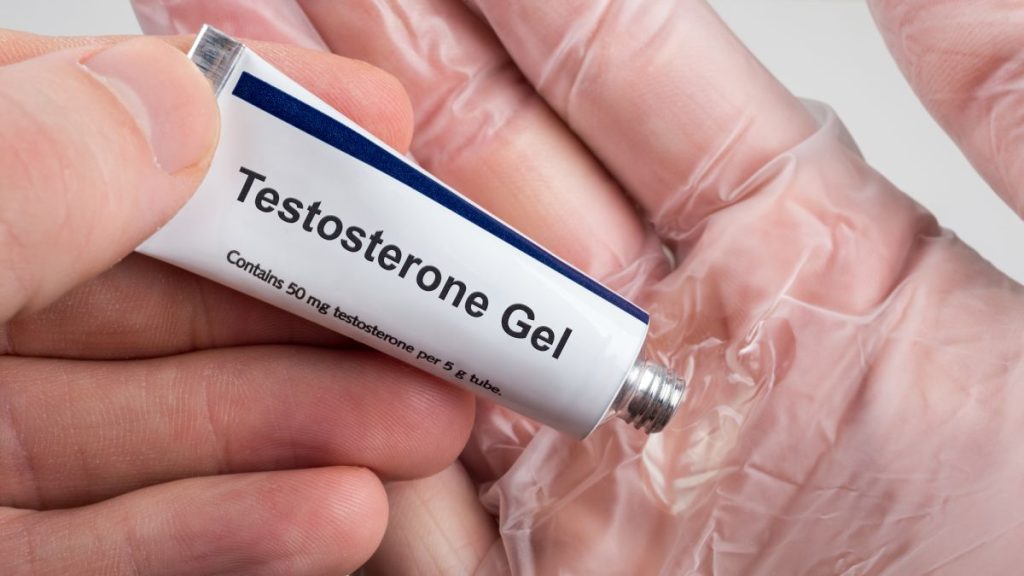
Testosterone is usually associated with gym gains, teenage puberty, and a solid sex drive. It is also true that testosterone is associated with everything related to masculinity. Therefore, when your testosterone levels begin running low, you begin experiencing various disruptive symptoms.

These symptoms include chronic fatigue, low bone density, or reduced sex drive. You can get educated about testosterone therapy after contacting a Houston low testosterone specialist, especially if you present with low testosterone. Discussed below are reasons for seeking testosterone replacement therapy.

Increased bone density and strength

As men advance in age, their bone density starts declining due to decreased testosterone production in the body. As a result, they are at high risk of developing breaks, fractures, and osteoporosis with time. You should ensure you receive testosterone therapy to help maintain your bone density and prevent fractures.

The reason is that testosterone plays a vital role in bone mineral density. It also supports and improves musculature for increased mobility and support. You should therefore seek this therapy if you want to improve the strength and density of your bones.

Rebalanced and improved mood

Common symptoms of low testosterone hormone include depression, anxiety, and mood swings. Irrespective of how hard you try, these symptoms rarely go away because imbalanced hormones cause them. You cannot conclude that your testosterone levels are low after experiencing anxiety or mood swings for a day.

You conclude that if you are always moody or exhausted, you cannot tell how you can find help. But according to, research performed shows that testosterone replacement therapy helps improve your mood and quality of life. Therefore, it reduces fatigue, irritability, and even depression.

Better cognition and memory

Reduced testosterone levels increase your chances of developing memory problems. One of the most common conditions you might develop is Alzheimer’s disease. Testosterone replacement therapy helps reduce your risk of developing such mental conditions.

It also makes you smarter and more accurate while working. It does so by increasing your ability to focus, thus improving your cognitive health. Therefore, testosterone therapy is key in increasing your mental and verbal abilities, which allows you to recall what you have learned.

Improve libido

One of the key benefits of testosterone therapy is improved sex drive or libido. It is also one of the main reasons why most people opt to undergo testosterone hormone replacement therapy. Most men experiencing low sex drive are usually frustrated because they usually feel less like a man.

Testosterone is necessary for your sex life, sperm production, and fueling your sex drive. If you begin experiencing any of the above symptoms, your testosterone levels will be low. For that reason, you require testosterone to enable you to start enjoying sex once again.

Are you interested in fighting back the symptoms of low testosterone levels, including low sex drive, fatigue, and reduced bone density? Testosterone therapy is the best solution to such concerns. It helps restore your testosterone levels to normal, thus providing symptomatic relief and improving your quality of life.

You can therefore seek Lyon Healthcare services, especially if the symptoms you are experiencing are due to reduced testosterone levels. In such cases, your care provider usually gives replacement therapy to increase testosterone levels in your body. Doing so not only improves your sexual health but also prevents cardiovascular diseases.

Are you an intended parent embarking on the journey of surrogacy? While this may be an exciting and joyful time for you, it is also completely normal to experience feelings of anxiety and depression throughout the process. After all, surrogacy can be a complex and uncertain journey filled with many emotions.. As an intended parents San Diego, you can use plenty of strategies to manage your mental health and find support during this time.

Here are some practical tips for managing these feelings and promoting positive mental health during surrogacy:

Seek support

It is advisable to have a strong support system during the surrogacy process. This can include family, friends, or a support group of other intended parents going through a similar journey. You may also consider talking to a therapist or counselor who can provide additional guidance and support.

Stay informed

Education can be a powerful tool in managing anxiety during surrogacy. Make sure to research the process and any legal or financial considerations involved. This will help you feel more prepared and in control of the process.

Practice self-care

It is vital to prioritize self-care during the surrogacy journey. This can involve engaging in regular physical activity, eating healthily, getting enough rest, and taking breaks as necessary. It is also advisable to take part in enjoyable and relaxing activities.

Communicate openly

Effective communication is key to managing anxiety during surrogacy. Make sure to communicate openly with your surrogate and any other involved parties. Don’t be afraid to express your concerns and ask questions.

Set realistic expectations

Make sure you set realistic expectations during the surrogacy process. Understand that there may be unexpected challenges or delays, and try to be patient and flexible. Celebrate small victories along the way and keep your focus on the end goal.

Practice mindfulness

Being mindful means paying attention to the present and monitoring your thoughts and feelings without passing judgment. The use of mindfulness techniques can ease anxiety and foster a state of calm. Introducing mindfulness exercises like yoga, meditation, or deep breathing into your routine.

Take breaks

It’s recommended to take breaks from the surrogacy journey when needed. This can include taking a day off work, going on a vacation, or engaging in other activities that allow you to step away from the process and focus on your mental health.

To understand the surrogacy process, you need to understand that the process typically begins with an initial consultation with a surrogacy agency or fertility clinic. You will then choose a surrogate, who will undergo medical and psychological screenings to ensure she is healthy to carry a pregnancy. Legal agreements will be established to outline the terms of surrogacy and parental rights.

Medical procedures will then take place to prepare the surrogate’s body for pregnancy and potentially retrieve and fertilize your eggs or sperm. The surrogate will carry the pregnancy to term, and you will be involved in prenatal care and attend your child’s birth. Finally, legal parental rights will be established through a court process. Remember that surrogacy can vary depending on your specific circumstances and needs.

If you are an intended parent on the surrogacy journey struggling with anxiety or depression, visit Great Beginnings Surrogacy @ Gen 5 and speak to your specialist.