Author

Lois Osborne

Browsing

The skin around your mouth tells a story. Those creases that frame your smile become more visible as you age. Thin skin makes these lines stand out even more.

Understanding Smile Lines

Smile line reduction focuses on the folds that run from your nose to the corners of your mouth. These natural features deepen over time. The skin loses collagen and becomes thinner with each passing year.

What Causes Deeper Lines

Several factors make these lines more prominent. Sun exposure breaks down the proteins that keep skin firm. Repeated facial movements create permanent creases. Volume loss in the cheeks causes the skin to sag downward.

Genetics play a role in how quickly these changes appear. Some people develop visible lines in their thirties. Others maintain smooth skin well into their fifties.

The Thin Skin Challenge

Thin skin presents unique challenges. It shows changes more quickly than thicker skin types. The delicate tissue around your mouth needs gentle care. Harsh treatments can make the problem worse.

Treatment Options for Smile Line Reduction

Many approaches can help soften these facial features. The key is finding what works for your skin type and concerns.

Topical Solutions

Topical treatments that boost collagen production show promise. Products with retinoids encourage cell turnover. Peptides signal the skin to create more support structures. Vitamin C serums brighten and firm the tissue.

Moisturising plays a vital role in managing thin skin. Well-hydrated tissue appears plumper and smoother. Ingredients like hyaluronic acid draw moisture into the skin layers. Ceramides strengthen the protective barrier.

Professional Procedures

Professional treatments offer more dramatic results. Dermal fillers restore lost volume beneath the surface. The added fullness lifts the skin and reduces the depth of creases. Injectable options work by supporting the tissue from underneath.

Energy-based procedures stimulate natural healing responses. These treatments trigger collagen production in the deeper layers. The skin gradually becomes thicker and more resilient over several months. Results appear slowly but can last for years.

Chemical peels remove damaged surface layers. New skin grows back smoother and firmer. Gentle formulas work better for thin skin around the mouth.

Building an Effective Care Plan

Smile line reduction requires patience and consistency. Results develop slowly with most approaches. A combination of methods often works better than a single treatment.

Starting with basic skincare creates a foundation. Add professional treatments when you want more visible changes. Maintain results with ongoing care at home.

Prevention Strategies

Prevention matters as much as correction. Sun protection stops further damage to thin skin. Daily SPF use should become routine. Reapply throughout the day when outdoors.

Antioxidants help defend against environmental stress. Vitamins C and E neutralise harmful molecules. Green tea extract calms inflammation.

Facial exercises may help maintain muscle tone. Strong underlying muscles provide better support for the skin above. Simple movements done regularly can make a difference. Check with a professional to learn proper techniques.

Lifestyle Factors

Your lifestyle choices affect how quickly these lines form. Smoking accelerates skin ageing and reduces blood flow. Nicotine constricts blood vessels and starves the skin of oxygen.

Poor sleep prevents proper tissue repair. The body produces collagen during deep sleep. Aim for seven to nine hours each night.

Stress hormones break down collagen faster. Find ways to manage daily tension. Regular exercise helps reduce stress levels.

Diet influences skin health from the inside. Protein provides building blocks for collagen synthesis. Eat fish, eggs, and legumes regularly. Vitamin C helps produce this essential protein. Citrus fruits and peppers are good sources. Healthy fats support the skin barrier. Avocados and nuts offer these benefits.

Stay hydrated throughout the day. Water helps maintain skin plumpness. Dehydration makes lines more visible.

Making It Work for You

Managing thin skin around the mouth takes a thoughtful approach. Gentle products protect the delicate tissue. Regular care maintains whatever improvements you achieve.

The right plan depends on your specific concerns. Some people see results with skincare alone. Others need professional help to achieve their goals. Understanding your skin type guides better choices.

Setting Realistic Goals

Thin skin benefits from treatments that build rather than strip away. Avoid harsh scrubs or strong acids in this sensitive area. Focus on nourishing and supporting the tissue.

Realistic expectations lead to better satisfaction. Deep lines take time to improve. No treatment removes them completely. The goal is softening rather than erasing these natural features.

Your smile lines reflect years of expressions and emotions. Reducing their appearance helps you feel more confident. Supporting thin skin makes these changes last longer. Take a gradual approach and celebrate small improvements along the way.

Have you had throbbing tooth pain, which affected your mood for the whole day? Teeth pain may result from decay, chipping, and tooth cracks. Although you may treat minor issues like cavities, sometimes you might need tooth Monroe extractions. Your dentist will not recommend extraction as the first solution for your teeth issues, but you will sometimes need the extraction. For instance, you will extract teeth if your teeth break during a traumatic accident. Thus you should not disagree with extracting your teeth if your dentist thinks it will improve your health, as teeth extractions lead to these health benefits.

Tooth Extraction Alleviates Impaction

Impacted molars lead to chronic pain as the molar teeth push against the rest of the teeth on the arch. Sometimes the molar might partially emerge from the gum. Other times it could be lying horizontally on the arch, thus leading to swelling and inflammation at the back of the mouth. The molars might grow in the teenage years or during early adulthood. Thus, if your teeth were straight, they could become crooked due to the pressure from the impacted molars. Impacted teeth can also accumulate bacteria, leading to cavities. In such cases, your Edmonton general dentist may recommend extracting the molars to reduce swelling, pain, gum bleeding, and teeth misalignment.

Tooth Decay

You can treat tooth decay in the early stages using dental filling and crowns, but extreme decay might result in tooth extraction. Therefore, you should inspect your teeth frequently to ensure they don’t have black or brown coating, which in most cases indicates decay. Extreme decay eats up the enamel exposing the roots and nerves, leading to infections that cause extreme pain. Although you may opt for root canal treatment, extreme decay might lead to tooth extraction.

Periodontitis

Gum disease might not seem like a major issue as it leads to redness of the gums, slight swelling, and occasional bleeding. However, if you don’t treat gum disease, it progresses to periodontitis which causes pockets between the gums and the teeth. Periodontitis might result in bacterial growth and tooth weakness. The infection may impact the root canal leading to extreme pain. Thus you should opt for teeth extraction to deal with periodontitis and replace the lost teeth with implants to avoid bone loss in the jaws.

Overcrowding

Tooth impaction causes crowding and crookedness of the otherwise straight teeth leading to several oral problems. Thus, you can alleviate the overcrowding by removing the molars at the back of the mouth to reduce overcrowding. After removing the molars, you can opt for braces to straighten the crowded teeth.

Trauma

Although you should see a dentist soon after an accident, sometimes the accident might cause bleeding and tooth weakness. Thus you might need dental extract if the accident wreaks havoc on your healthy teeth.

Sometimes you refuse to undergo dental extraction, but it is better to heed a dentist’s advice. Tooth extraction ensures the teeth on the arch remain healthy by preventing bacterial growth, overcrowding, and the spread of periodontitis. Thus, you would remove teeth that are extremely decayed, overcrowded, or injured if you develop periodontitis. Fortunately, you can opt for dentures and dental impacts after removing the teeth and maintaining proper oral hygiene to keep the other teeth healthy.

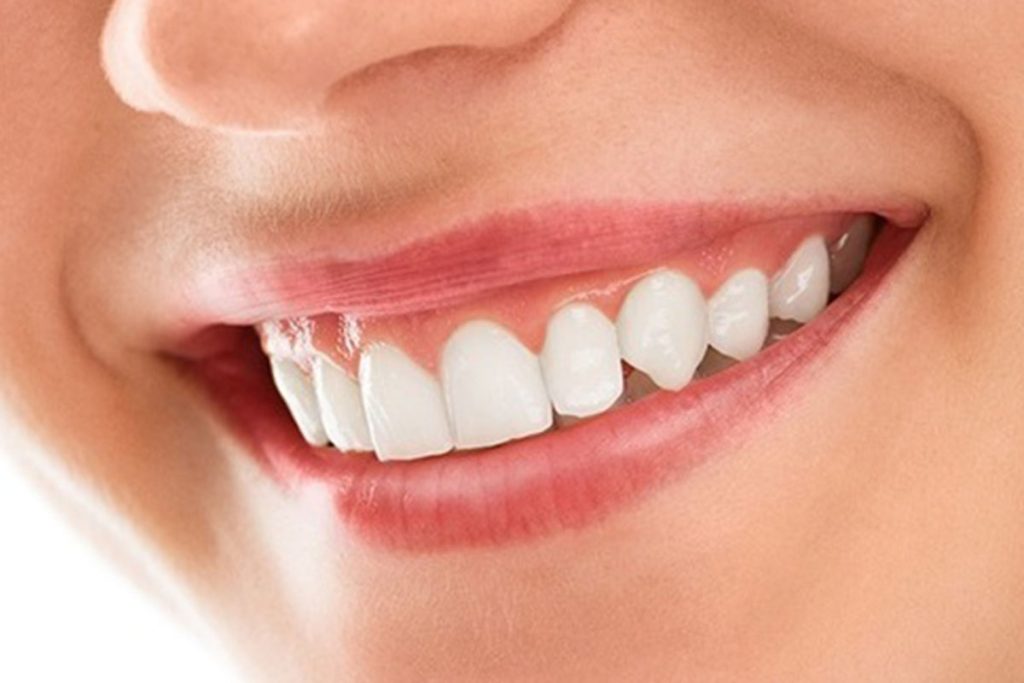
Let’s face it. While having a smile makeover can help alleviate the appearance of your smile, it’s only in vain, especially if you don’t incorporate measures to strengthen and maintain your smile. Typically, most people often think that once they receive any dental treatment, nothing can further risk their oral health. However, the case is different since if you want to enjoy a better smile in the long run, you should pay the cost of properly maintaining your smile. For this reason, cosmetic and family dentist Sean Sutton DDS pens down the effective ways to care for your smile after a smile makeover. Let’s get started!

1. Adopt good oral hygiene habits as recommended by your dentist

Dental hygiene doesn’t stop when you get dental treatment. Proper brushing and flossing effectively prevent plaque or stain buildup on your teeth. At the very least, you should brush your teeth twice daily to eradicate the potentiality of severe dental issues like tooth decay and gum disease. Beyond this, you should ensure you visit your dentist often for dental cleanings and oral exams to maintain your smile in great shape. A trusted dentist in Chula Vista can provide these preventive services and help you keep your oral health at its best.

2. Incorporate a diet that enhances oral health

It’s no secret that your food choice significantly affects your oral health. Therefore, you should ensure a healthy diet that eradicates the risk of further worsening your situation. For instance, excessive intake of alcohol, sugar, soda, and acidic can compromise your oral health and raise issues with your smile makeover treatment. However, it’s recommendable that you consume a diet rich in vegetables and fruits, calcium, and complex carbohydrates.

3. Quit smoking

While several people continue smoking after a smile makeover, these habits can make your results futile. For instance, if you just received pemutihan gigi, smoking can adversely stain your teeth and compromise your oral health. Therefore, you should quit smoking instantly to get the best out of your smile makeover treatment.

4. Seek help for teeth grinding

Bruxism is a common dental issue that usually occurs during nighttime and can severely damage dental work. Typically, the grinding action generates an extra force that becomes challenging for your teeth. If you have teeth grinding issues and you’ve just concluded a smile makeover treatment, you should talk to your dentist about getting a mouth guard. This technique can help preserve and maintain your teeth against added pressure, especially at night.

5. Avoid chewing on hard objects

Although cosmetic treatments like veneers, dental bonding, or porcelain crowns are strong and durable, continuously chewing hard objects can cause damage to the cosmetic work done. It would help to avoid habits like chewing on objects like pens, fingernails, or opening bags with your teeth. This can lead to teeth cracks or chips.  

6. See your dentist every six months

While many believe the need for a dentist is over once they get their smile makeover treatment, the case is entirely different. During your frequent visits, your dentist can assess your situation and advise you on alleviating your condition. Furthermore, you will receive deep dental cleanings and oral exams, which go in handy in improving your smile for the better.

Even though a smile makeover is a great way to restore your smile appearance, the journey doesn’t end there. It’s essential to look after your oral health to ensure that your results last longer and that your smiles stay brighter and more attractive. Additionally, you cannot manage your smile independently, and your smile is guaranteed with a cosmetic and family dentist in your closet.

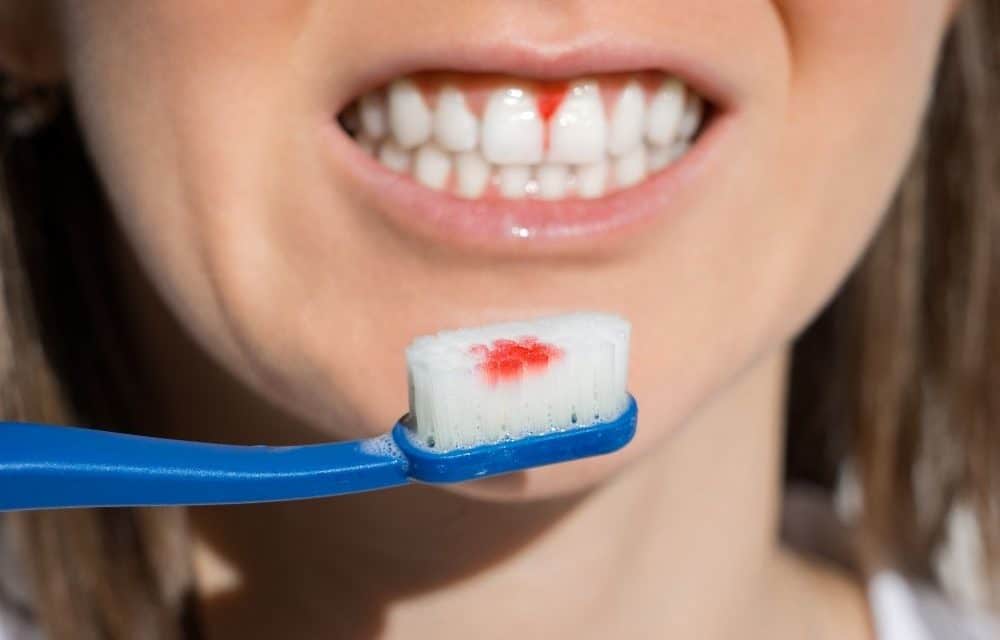
Maintaining good oral health can be as simple as brushing and flossing daily, coupled with regular dental visits after every six months. However, most people find this routine exhausting and leave their mouths untended, predisposing them to different gum diseases, including periodontitis. If your gums are bleeding while you brush, you might be worried that your condition has aggravated. However, regular Midtown East family dentistry checks help determine the stage you are at and how to prevent further deterioration. Tag along.

Stage 1: Gingivitis

Generally, periodontitis is not painful, and it is possible to miss the very first signs. Gingivitis is the first stage of periodontitis and results from plaque build-up around the teeth. This may cause swelling along the gum line, and you are likely to experience some bleeding when brushing. At this stage, the symptoms are mild and reversible. With consistent brushing, flossing, and professional teeth cleaning, you will be able to prevent further dental issues. For damaged or weakened teeth, advanced options like same day crowns San Jose patients rely on can restore strength and appearance in just one visit.


Stage 2: Slight Periodontitis

At this stage, the infection is aggressive, has reached the bone, and is already wrecking the bone tissues. The symptoms include increased swelling and redness of the gums and bleeding when brushing or flossing. Even though Slight periodontitis is not reversible, it is manageable. To diagnose the condition, your dentist does this by probing the depths between the gums and teeth. If it is above four millimeters, treatment interventions will include extensive gum cleaning to remove deeply rooted bacteria deposits.

Stage 3: Moderate Periodontitis

The only difference between slight and moderate periodontitis is that the probing depths are above 6 millimeters. Deep pockets between the teeth and gums mean more bacterial attacks on the teeth and the jawbone. At this stage, the bacteria can easily make an entry into your bloodstream and compromise your immune system. Treatment intervention will include deep cleaning procedures, such as scaling and root planing, to remove bacterial deposits from deep below the gum line.

Stage 4: Advanced Periodontitis

This is the final stage of periodontitis. At this stage, the infection has advanced to a disease-causing bacteria. The stage presents a 50-90% chance of irreversible bone loss. The symptoms include swollen, red gums that ooze pus, extreme sensitivity to cold, painful chewing, loosened teeth, and severe bad breath. If the condition is left untreated, you risk gaps between teeth, gum recession, and other severe health conditions. Surgery or periodontal laser therapy becomes a necessity at this stage to clean out the deep pockets of bacteria below the gums and allow the infected tissues to recover.

Symptoms of periodontitis may take a while to manifest, and it is possible to only catch the symptoms when the condition is already in the fourth stage. Treatment of the disease varies depending on the severity of the condition. As such, regular dental visits are key to maintaining proper oral hygiene. This makes it easier to catch the disease early when it is most treatable and reversible. Treatment may include antibiotics and deep teeth cleaning if the symptoms are identified earlier. However, if it is in the advanced stage, you may require surgery to remove the infection.