Author

Paul Lewis

Browsing

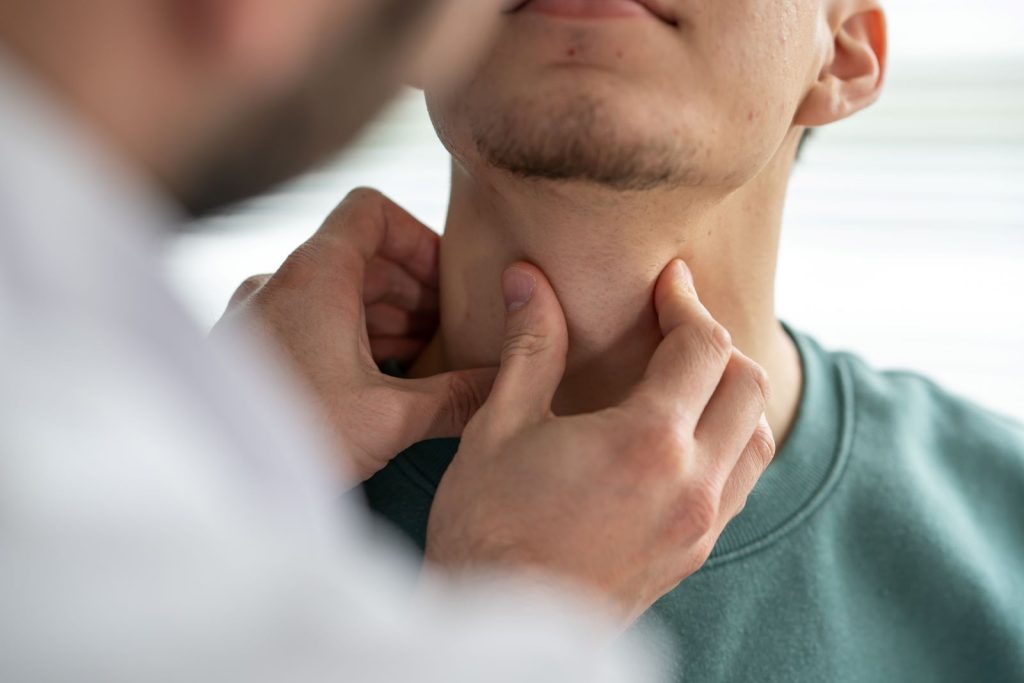
Risk factors are things or conditions that can increase your chances of developing a certain type of cancer. Different cancers have varying risk factors; some are changeable, while others are not. One can quit smoking to lower their possibility of getting throat cancer, but they cannot do anything about their genetics and family history of cancer. 

However, do not panic, as risk factors alone do not guarantee whether you will get the disease. Various people get throat cancer without having any of the risk factors, while some people do not get the disease even when several factors apply to them. If you suspect you have the condition, visit an expert for fort worth throat cancer without wasting time. 

Risk factors for throat cancer 

  • Tobacco. 

If you smoke or consume tobacco in other ways, you have a high risk of developing throat cancer. Cigarettes, cigars, chewing tobacco, vapes, e-cigarettes, snuff, etc., come under this category. The carcinogens (particles that cause cancer) present in tobacco can harm the cells and genetic material in the throat and cause cancerous developments over time. Statistics show that about 85% of throat cancer patients consume tobacco in one form or another. 

  • Age. 

Another common risk factor for throat cancer is age. As with most other cancers, the chances of developing throat cancer are higher in people over 40. The risk increases with time due to various factors, such as long-term tobacco use and uncontrolled growth of abnormal cells due to late disease detection. That is why quitting tobacco and recognizing the signs as early as possible is recommended. 

  • HPV infection. 

Human papillomavirus (HPV) is a group of viruses. There are various types of HPV viruses, and certain types can lead to the development of cancers, such as throat, cervix, vulva, vagina, penis, etc. They can also cause non-cancerous issues in the body. There have been an increasing number of HPV virus cases causing throat cancer. 

  • Race/ethnicity. 

Research has found that Black and White people are more likely to get throat cancer than Asian and Hispanic people. While there is no specific known reason why that is, the possible factors may be genetics, exposure to risk factors, and other socioeconomic factors. However, just because statistics say Black and White people have a higher risk does not mean Asian individuals do not get the disease. 

  • Family history. 

While having a family history of cancer does not mean you will experience the same, it does increase your risks. If you have a first-degree relative, such as your mother or father, who has had throat cancer, you should be alert about your health. 

An ingrown toenail is a prevalent nail disorder that occurs when the sides of your toenails dig into the flesh, usually on the sides. The nail breaking the skin can create a wound that can easily harbor bacteria, which can cause you to develop infections. Consequently, an ingrown toenail might be accompanied by inflammation, redness, and pain that can be severe enough to affect your walking. The condition can affect any toe but generally appears in the big toes. And before it becomes infected enough to lower your quality of life, you should seek treatment from an ingrown toenail cypress expert. This begins with understanding the risk factors so that you can also lower your risk in the future.

Poor Nail Trimming Practices

Arguably the most common cause of ingrown toenails is improper nail trimming practices. Many ingrown toenail patients cut their nails too short, usually into the skin. They also cut their toenails at an angle, creating a notch at the ends. While this may appear more natural – since the nail aligns with your toe – it is harmful. Notching your toenails encourages the ends to grow into the skin. The best way to avoid such problems is to cut your nails straight across and leave enough space to run a fingertip underneath them – not too long and not too short.

Tight Fitting Shoes

Ill-fitting footwear can contribute to ingrown toenail symptoms. If you wear shoes with a too-narrow toe box, the material can exert pressure on your nails, forcing them to grow on your skin. Similarly, a shoe that is too wide at the toes can exert pressure on your toes when you walk. You can avoid this risk by only buying shoes in your size and avoiding tight socks and stockings.

Trauma

Sometimes, an ingrown toenail develops due to trauma. This is more likely if you stub your toe or if something heavy falls on your legs. Ingrown toenails are also common among people who play high-contact sports that involve a lot of hitting, running, or other repetitive motions. If this sounds like you, you can protect your toes from becoming ingrown by wearing protective shoes during such activities.

Genetics

Some people are more likely than others to develop ingrown toenails – not because of trauma or ill-fitting footwear, but due to genetics. Medical experts have discovered several genetic components of ingrown toenails. For instance, some people develop more skin than normal around the nails. If they experience trauma or constant pressure from running or playing sports, the skin can bulge around the nail and begin to grow into the skin.

Poor Foot Hygiene

The skin around your toes is tougher than the skin on your thighs. This feature protects it from injury and infection. However, if you regularly walk barefoot in damp or wet environments or fail to dry sweaty feet, you can expose your feet to infection. This can then weaken the skin surrounding your toes, making it soft and more receptive to an encroaching toenail.

Don’t Let Ingrown Toenails Run Your Life

Ingrown toenails often cause pain and complications like redness, puss, odor, and yellowing. These symptoms can be both painful and embarrassing, necessitating ingrown toenail treatment. If you have an ingrown toenail, you should consult a podiatrist as soon as possible. They can help find the best way to treat the condition, alleviate your pain, and prevent future infections. This is especially important if you also have an underlying medical condition like diabetes that can compromise wound healing.

You have probably heard about an X-ray or your doctor has recommended an x-ray to diagnose and treat your symptoms. While an X-ray can be an effective and reliable imaging diagnostic test, it can often harm your health if proper measures and precautions are not followed. 

You might not know this, but x-ray Chapel Hill uses ionizing radiation that can be absorbed by your body and cause potential health complications long term. Therefore, X-ray safety measures and precautions are important for patients and medical professionals. Let us look at five safety measures and precautions you should know before your x-ray appointment.

Limit Your X-ray Exposure

X-ray radiation should only be administered when medically necessary. Weighing the advantages and disadvantages of X-rays is vital, as too much exposure can contribute to cancer development and genetic mutations. 

To help decide whether an X-ray exam is warranted, speak with your doctor about any pertinent questions concerning your health and have them explain the potential risks involved. Careful consideration must be given when choosing this form of radiologic exam.

Remain Still During Your X-Ray Imaging Process

It is not uncommon to feel anxious during your X-ray imaging process. However, remaining still throughout the process is essential to avoid blurring the image and unnecessary repetition. Remember, repeating the X-ray can increase your radiation dose, harming your health. 

To remain still throughout the process, hold your breath, maintain a specific position, and follow our doctor’s instructions. These steps can help minimize unnecessary motions and improve the quality of your X-ray image. 

Consider Other Imaging Techniques If Pregnant

Pregnant women are usually vulnerable to radiation due to their developing fetuses. Always avoid having X-rays in your pelvic or abdominal area unless necessary. The ionizing radiation produced by X-rays can potentially risk the developing fetus. This is because they are more sensitive to these radiations than adults. 

However, remember that diagnostic X-rays’ effects when pregnant are typically low with proper shielding and safety measures. You can also consider ultrasounds or other imaging techniques.

Wear Protective Garments

Wearing protective garments is a crucial step when having an X-ray. Ensure to request lead protective garments or lead shielding materials from your doctor before having an X-ray. Ensure this protective clothing covers your torso and thyroid areas even if they are not the primary focus of the imaging. This is because these areas are usually vulnerable to scattered radiation.

However, you must also be aware that too much shielding may impact the accuracy of your diagnostic results. It is advisable to speak with your doctor about properly using protective garments for maximum safety and the best X-ray image possible.

Maintain Distance

Sometimes your loved one might need company when having an X-ray. In such cases, avoid standing too close to the X-ray machine or closer to them. If you wish to be closer to them, wear protective lead garments. X-rays can produce scattered radiation which can scatter in all directions. 

Taking precautions against radiation exposure can preserve safety and create a secure environment for you and your loved ones. With peace of mind, you can put all your energy into supporting those around you without worrying about hazardous radiation.

Knowing and understanding X-ray safety measures and precautions can empower you to participate in your healthcare journey actively. It also ensures your safety and those around you. You can make informed decisions about your care by understanding the above safety measures.

You will also keenly understand the benefits and risks involved during X-ray examinations. It is also important to remain vigilant about your specific needs and vulnerabilities. If you suspect to be vulnerable to X-ray exposure, consult your doctor for proper guidance.

There is no doubt that stress causes hair fall, which leads to a male baldness pattern. Stress and change are frequently regarded as synonyms in today’s culture. Stress is a physical and mental reaction to circumstances that the body and mind find too overpowering. The frantic pace of work and home, the continual barrage of technology, and the need to still find time to interact with those around you can sometimes make life overwhelming and frustrating. Frequently, you may ponder how to handle stress.

Engage in deep breathing:

The sympathetic nervous system, which regulates the body’s fight-or-flight response to a perceived threat, can be deactivated by deep breathing. Your parasympathetic nervous system can be activated by taking deep breaths for a count of five seconds, holding them for two seconds, and then exhaling them for five seconds. This helps you relax and digest while lowering any general stress and worry you may be feeling.

Continue your healthy eating and exercise routines.

Engaging in physical activities and maintaining a healthy diet are healthy habits to deal with stress. The ability to have a healthy body and mind goes hand in hand. Exercise is a fantastic way to reduce stress and also helps you live a better, more fulfilling life. As a result of stress, several vitamins, such as vitamins A, B complex, C, and E, might become depleted. Maintaining a healthy diet improves your physical and mental well-being, making it easier to deal with stress. A proper diet can deal efficiently with male baldness patterns and offer you better results in the long run.

Manage your time on social media.

Spending too much time on social media can be stressful because of the content you may encounter there, as well as the fact that you might be better off spending that time enjoying time with friends, being outside and enjoying the weather, or reading an excellent book. In addition, many people use social media at night, which could make it harder to fall asleep because it causes more tension just when attempting to unwind for the evening. This would lead to fewer hours of general good sleep overall.

Incorporate supplements

Several vitamins and minerals significantly influence your body’s reaction to stress and the control of your mood. Therefore, having a vitamin shortage may impact your mental health and capacity to handle stress. Additionally, several nutritional supplements may aid in lowering stress and enhancing mood.

Connect with people:

Social beings are humans. To feel supported, you must connect with others. Finding a feeling of community is crucial for your well-being, whether at work, with a religious group, or through shared pursuits like organized sports. You can find support and develop relationships that can be helpful in trying times by participating in everyday activities.

Bottom line:

 It is a scientifically proven fact that stress is a cause of hair fall. The above points can help you fight stress to be happy and control hair fall. When you are free of stress, you are free of many diseases.