Author

Paul Lewis

Browsing

A chipped, discolored, worn, or damaged tooth can affect more than the appearance of your smile. Depending on the condition of the tooth, it may also affect how you bite, chew, or feel when using that tooth.

When patients begin researching cosmetic dental treatment, two options often come up: veneers and dental crowns.

They can sometimes produce similar-looking improvements, but they are designed for different situations. The key question isn’t simply which one looks better. It is how much of the natural tooth is healthy and what the tooth actually needs.

Understanding that distinction can help patients have a more useful conversation with their dentist before choosing a restoration.

Start With the Tooth, Not the Treatment

It can be tempting to choose a treatment based on photographs of other people’s smiles.

However, two teeth that look similar from the outside may have very different underlying conditions.

One tooth may have relatively healthy structure but an aesthetic concern such as discoloration. Another may have a large filling, significant decay, a crack, or substantial structural damage.

Those situations may require very different approaches.

This is why a dental examination should come before deciding between a veneer and a crown.

When a Veneer May Be Considered

A veneer is a thin restoration designed to cover the front surface of a tooth.

It is generally associated with aesthetic improvements such as:

  • Discoloration that does not respond well to whitening
  • Minor changes in tooth shape
  • Small chips
  • Certain spacing concerns
  • Cosmetic imperfections
  • Improving the appearance of selected front teeth

Because veneers are primarily used to change the visible appearance of a tooth, they are generally considered when the underlying tooth structure is sufficiently healthy.

The goal is to improve the appearance while preserving as much healthy natural tooth structure as appropriate.

When a Crown May Be More Appropriate

A dental crown covers the tooth more extensively.

This makes crowns useful when a tooth requires additional structural support rather than simply an improvement in appearance.

A crown may be considered when a tooth has experienced:

  • Significant decay
  • A large filling
  • Substantial fractures or cracks
  • Major loss of tooth structure
  • Weakness following certain dental treatments

In these circumstances, covering and protecting the remaining tooth may be an important part of treatment.

The decision is therefore often less about veneers versus crowns and more about cosmetic improvement versus structural protection.

A Simple Way to Understand the Difference

Consider two patients.

Patient A has a relatively healthy front tooth that is noticeably discolored and slightly uneven in shape. The tooth is structurally sound, but the patient is unhappy with its appearance.

The dentist may discuss an aesthetic treatment such as a veneer if it is clinically appropriate.

Patient B has a heavily restored tooth with a large filling and a significant amount of missing tooth structure. The patient may also be experiencing sensitivity or discomfort.

In this situation, simply covering the visible front surface may not provide the structural protection the tooth needs. A crown may be considered instead.

The visible concern can look similar, but the underlying dental problem is very different.

What About a Chipped Tooth?

This is where the decision can become less straightforward.

A small chip may sometimes be treated with bonding or another conservative cosmetic approach.

A larger fracture, particularly one involving a significant amount of tooth structure, may require a different restoration.

The location and extent of the damage matter.

For example, a small cosmetic chip on a healthy front tooth is very different from a tooth that has fractured around a large existing filling.

Rather than assuming that every chipped tooth needs a crown or veneer, a dentist can evaluate the damage and explain the available options.

Crowns and Root Canal-Treated Teeth

Another situation where crowns commonly enter the conversation is after root canal treatment.

A tooth that has undergone root canal therapy may require additional protection depending on the amount of remaining tooth structure and the location of the tooth.

In appropriate cases, a crown can help restore the tooth’s shape and provide coverage.

This is another example of why the structural condition of the tooth matters when selecting a restoration.

Patients who are considering a crown following root canal treatment can discuss whether dental crowns in Cambridge are appropriate for their particular situation.

Appearance Still Matters With Crowns

Choosing a crown doesn’t mean accepting an artificial-looking tooth.

Modern dental restorations can be designed with attention to factors such as:

  • Tooth color
  • Shape
  • Size
  • Proportion
  • Relationship with neighboring teeth
  • The overall appearance of the smile

For visible teeth, these aesthetic considerations can be an important part of treatment planning.

A restoration therefore needs to address both the health of the tooth and the patient’s expectations about appearance.

Veneers Are Not Simply “Better” Because They Are Cosmetic

Patients sometimes assume that a veneer is automatically the more conservative or desirable option because it is associated with cosmetic dentistry.

But veneers still involve altering the tooth to prepare it for the restoration, and they are not appropriate for every tooth.

If a tooth lacks sufficient structural strength, an aesthetic veneer may not address the underlying problem.

The dentist’s priority should be determining what the tooth needs first and then selecting a restoration that is appropriate for that condition.

What Your Dentist Will Consider

Before recommending a veneer or crown, your dentist may look at several factors.

Amount of Healthy Tooth Structure

How much natural tooth remains can strongly influence the treatment choice.

Existing Restorations

Large fillings or previous dental work can affect the strength and condition of the tooth.

Tooth Location

Front teeth and back teeth experience different functional demands, which can influence restoration planning.

Bite

The way your teeth meet can affect the forces placed on a restoration.

Cosmetic Goals

If appearance is an important concern, your dentist can discuss the expected shape, shade, and overall appearance of the restoration.

Long-Term Maintenance

Both the restoration and the underlying tooth require appropriate care after treatment.

What If You Are Mainly Concerned About Your Smile?

Not every aesthetic concern requires a veneer or crown.

Depending on the cause of the problem, other options may include:

  • Professional teeth whitening
  • Dental bonding
  • Orthodontic treatment
  • Tooth contouring
  • Replacement of an old restoration

For example, if the primary concern is tooth discoloration and the teeth are otherwise healthy, your dentist may discuss professional teeth whitening in Cambridge before considering more extensive cosmetic treatment.

The most appropriate option depends on what is causing the concern and how much change is actually needed.

A Cosmetic Consultation Can Help You Compare Your Options

Patients often arrive at a dental consultation thinking they already know which treatment they want.

That’s understandable, especially after researching veneers and crowns online.

But the consultation is an opportunity to step back and ask a more important question:

What does my tooth actually need?

A dental clinic in Cambridge, ON can assess the condition of the tooth, discuss your aesthetic goals, and explain whether a veneer, crown, bonding, whitening, or another treatment may be appropriate.

Rather than choosing a restoration based solely on its appearance, a professional evaluation can help you understand the balance between preserving healthy tooth structure, restoring function, and achieving the smile you want.

Veneers vs Crowns: The Decision Is Personal

There isn’t one restoration that is right for every patient.

A veneer may be appropriate when the primary concern is the appearance of an otherwise healthy tooth.

A crown may be more appropriate when the tooth has lost significant structure and requires greater coverage and protection.

And sometimes, neither is the first option.

That is why treatment planning should begin with the condition of the tooth rather than a predetermined choice of restoration.

Ready to Find Out Which Option Is Right for Your Tooth?

If you’re considering veneers or crowns and aren’t sure which treatment makes sense for your situation, schedule a consultation with Cambridge Centre Dental Care.

During your appointment, your dentist can examine the tooth, discuss your aesthetic and functional concerns, and explain the available treatment options based on the condition of your natural tooth.

Book a cosmetic or restorative dental consultation before choosing a veneer or crown. A personalized assessment can help you understand what your tooth needs and what approach may provide the right balance of appearance, function, and long-term care.

Common Questions Patients Ask

Are veneers or crowns better for improving appearance?

Both can improve the appearance of a tooth, but they serve different purposes. Veneers are generally focused on the visible surface, while crowns provide more extensive coverage and can also address structural concerns.

Can a damaged tooth get a veneer?

It depends on how much healthy tooth structure remains and the nature of the damage. A dentist needs to assess the tooth before determining whether a veneer is appropriate.

Does a crown always mean the tooth is badly damaged?

Not necessarily. Crowns may be recommended for several reasons, including significant structural loss, large existing restorations, fractures, or protecting certain teeth after root canal treatment.

Can I get veneers just because I don’t like the shape of my teeth?

Possibly, depending on the condition of the teeth and the nature of the desired change. Your dentist can also discuss more conservative alternatives where appropriate.

How long do veneers and crowns last?

Their lifespan can vary depending on factors such as oral hygiene, biting forces, the condition of the underlying tooth, and regular dental care. Your dentist can discuss expected maintenance based on your specific restoration.

The Takeaway

Veneers and crowns can both play a role in improving a smile, but they are not interchangeable treatments.

Veneers are generally associated with aesthetic changes to the visible surface of a tooth, while crowns provide more extensive coverage when a tooth requires greater structural support.

The right choice depends on the condition of the tooth, your bite, your oral health, and what you want to achieve.

If you’re unsure which option is right for you, start with an examination rather than a treatment decision. A professional consultation can help you understand your options before you commit to a restoration.

Regular dental visits protect every smile. Many people delay routine appointments. Busy schedules often create excuses. Small problems slowly become serious. The hidden costs keep growing. Good oral care supports overall wellness. It also reduces future expenses. So early attention always brings lasting value.

Small Dental Problems Grow Quickly

A tiny cavity seems harmless. Mild gum irritation feels manageable. But hidden damage spreads silently. Pain often appears later. Treatment becomes more complicated then. The affected tooth may weaken completely. Healthy gums also suffer greatly. Dixie Dental encourages preventive care because early treatment protects natural teeth and supports better long-term oral health. Regular examinations discover issues before discomfort begins. The right care keeps smiles healthier. The future remains much brighter.

Delayed Care Creates Higher Expenses

Many people avoid appointments, hoping problems disappear naturally. That choice rarely saves money. Simple fillings cost less. Advanced procedures require greater investment. Root infections demand careful treatment. Missing teeth need replacement solutions. Dental emergencies also create stress. So financial pressure increases steadily. Every postponed visit raises future costs because untreated conditions become larger and more difficult to manage successfully. Dixie Dental helps patients understand practical treatment choices while supporting healthier smiles through consistent preventive dental care. Early planning often protects family budgets.

Oral Health Affects Overall Wellbeing

Strong gums reduce infection risks. Sometimes oral bacteria travel further. The entire body feels effects. Poor dental health may influence general wellness through ongoing inflammation that creates additional health concerns over many years. Daily brushing remains important. Flossing supports healthy gums too. However professional care completes prevention. Dixie Dental believes consistent examinations strengthen confidence while encouraging healthier habits that benefit both oral health and overall wellbeing. dentist in Washington, UT services provide valuable guidance for patients seeking trusted preventive care. The right advice supports lasting health. Better habits create lasting comfort.

Prevention Saves Time and Comfort

Dental emergencies interrupt normal routines. Severe pain affects daily life. Work responsibilities become difficult. Family activities also suffer. But preventive visits reduce unexpected problems. Early treatment supports stronger teeth while reducing discomfort and avoiding complex procedures that require additional recovery time. Healthy smiles improve confidence naturally. Regular appointments create peace of mind. Every visit offers lasting protection. The simple habit delivers meaningful rewards.

Healthier Smiles Create Value

Preventive dentistry is money well spent. Healthy teeth boost daily comfort. Gums maintain long-term health. Small efforts yield big benefits. Regular appointments are important. Regular upkeep preserves natural smiles. Future expenses ease. Also, confidence rises progressively. Every healthy smile shows thoughtful decisions since prevention is cheaper than fixing extensive dental damage after years of neglect. Regular expert guidance improves habits. Family harmony improves. Long-term health is possible. Care today safeguards tomorrow. Every appointment improves health. Good oral health promotes happiness. Smart selections brighten grins. Prevention is the best way to maintain dental health and finances.

A welcoming atmosphere begins with thoughtful scent choices throughout daily surroundings. Using an aroma diffuser helps distribute pleasant notes across indoor areas. Gentle fragrance selections support a balanced setting during various activities. Carefully chosen blends can influence mood while improving overall room character. Consistent scent use creates a refreshing feeling without overwhelming the environment.

Creating Pleasant Indoor Surroundings

Soft fragrance distribution supports a cleaner feeling throughout shared space. Suitable scent combinations help maintain a welcoming atmosphere during daily routines.

Supporting Daily Mood Balance

Natural fragrance blends contribute to a calm setting during activities. Regular scent use encourages a more enjoyable indoor environment overall.

Maintaining Consistent Aroma Distribution

Proper placement improves fragrance reach across indoor areas effectively. Balanced diffusion supports steady scent coverage throughout available space.

  • Central positioning allows fragrance movement across larger indoor sections.
  • Open surroundings improve circulation while supporting steady scent release.
  • Moderate operating periods prevent unnecessary fragrance concentration indoors.
  • Clean equipment supports reliable performance during repeated daily operation.
  • Suitable room size matching improves fragrance effectiveness considerably overall.

Careful placement helps maintain a stable aromatic presence every day. Consistency often produces better results than excessive fragrance intensity.

Improving Shared Space Atmosphere

Well-selected aromas contribute positively within commonly used environments. Balanced scent levels support pleasant surroundings during everyday activities.

  • Fresh fragrance choices encourage welcoming conditions for visiting guests.
  • Gentle scent profiles support productive settings during focused tasks.
  • Seasonal aroma selections provide variety throughout changing yearly periods.
  • Light fragrance presence reduces stale indoor atmosphere effectively today.
  • Coordinated scent themes strengthen overall environmental harmony indoors.

Atmosphere improvement often depends upon subtle fragrance application methods. Simple adjustments can create noticeable environmental benefits over time.

Supporting Relaxed Evening Settings

Mild aromas encourage a quieter feeling during evening hours. Appropriate fragrance choices help establish a more settled atmosphere.

  • Soft botanical scents encourage calm surroundings before nightly routines.
  • Delicate fragrance layers support balanced indoor conditions after activities.
  • Consistent aroma levels maintain comfortable room character throughout evenings.
  • Gentle scent release prevents overwhelming fragrance during resting periods.
  • Thoughtful blend selection supports smoother transitions between daily tasks.

Evening fragrance planning contributes to a more organized environment. Consistency often delivers greater satisfaction than strong scent concentration.

Which Fragrance Types Suit Different Spaces?

Selecting suitable aromas depends upon room purpose and desired mood. Different fragrance categories provide unique environmental qualities throughout daily routines.

Appropriate fragrance matching improves room character significantly. Balanced choices support greater consistency across different indoor settings.

How Can Aroma Use Remain Effective?

Effective fragrance use depends upon moderation and thoughtful placement. Consistent maintenance helps preserve reliable scent quality over longer periods. Suitable operating schedules support balanced aroma distribution every day.

Building Lasting Scent Harmony

Careful fragrance planning transforms ordinary surroundings into inviting spaces today. Thoughtful aroma choices encourage balanced conditions across different indoor areas. Consistent application supports enjoyable surroundings without creating excessive fragrance. Lasting satisfaction develops through suitable scent selection with regular care. A well-maintained aroma diffuser helps sustain pleasant environmental character.

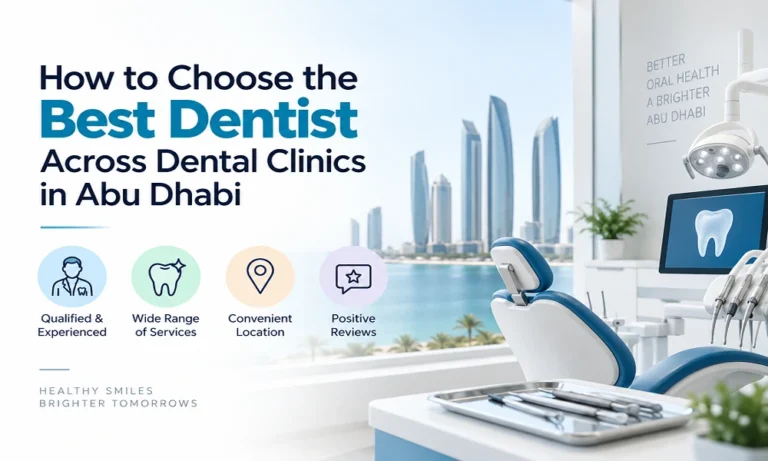
Finding the best dentist in Abu Dhabi requires careful evaluation of qualifications, clinical expertise, and patient care standards. As healthcare options expand across various medical clinics in Abu Dhabi, patients must consider factors such as specialization, state-of-the-art technology, and transparent communication to make informed decisions for their long-term oral health.

Understanding Your Specific Dental Needs

Selecting the right oral healthcare provider begins with a clear assessment of your personal or family health requirements. Dental care encompasses a broad spectrum of services, ranging from general routine checkups and preventive cleanings to specialized treatments such as orthodontics, periodontics, endodontics, and cosmetic procedures. Identifying whether you require routine maintenance or specialized restorative treatment will help narrow down the search for the best dentist in Abu Dhabi.

For families, choosing a practitioner who offers pediatric services alongside adult care ensures convenience and continuity of care. General practitioners manage everyday preventive treatments, cavity fillings, and basic extractions, whereas complex cases such as root canals, gum disease management, or tooth replacement often necessitate consultation with a dedicated specialist. When exploring various clinics in abu dhabi, checking the range of available specialties helps ensure that all family members receive tailored, comprehensive care under one roof or within a unified healthcare network.

Key Qualifications, Licensing, and Credentials

A crucial step in selecting an exceptional dental professional is verifying their professional qualifications, international certifications, and local licensing. Reputable healthcare practitioners hold advanced degrees from recognized dental institutions and maintain active registrations with local health regulatory authorities. These credentials ensure that the practitioner adheres to strict medical ethics, hygiene protocols, and clinical standards.

In addition to basic degrees, continuous medical education is a strong indicator of a practitioner’s dedication to their field. Dentistry evolves rapidly with new clinical techniques, materials, and treatment protocols. The best dentist in Abu Dhabi regularly participates in ongoing professional development, workshops, and international dental conferences. Reviewing a practitioner’s background, clinical experience, and academic affiliations provides peace of mind that your oral care is in highly skilled and knowledgeable hands.

Evaluating Technology and Infrastructure in Modern Clinics

The quality of dental care is significantly enhanced by modern diagnostic equipment and therapeutic technology. Advanced medical clinics in Abu Dhabi invest in cutting-edge machinery, such as digital 3D intraoral scanners, digital X-rays, laser dentistry tools, and computer-aided design systems for restorations. These modern technologies allow for precise diagnoses, faster treatment times, minimal discomfort, and more predictable clinical outcomes.

When visiting or researching healthcare centers, pay attention to the facility’s hygiene, sterilization practices, and clinical infrastructure. Infection control protocols should be strictly enforced, with sterilized single-use or autoclaved instruments utilized for every patient. A well-maintained facility equipped with modern ergonomic treatment chairs and modern diagnostic equipment reflects a strong commitment to patient safety and quality care, hallmarks of top-tier medical facilities.

Patient Reviews, Communication, and Comfort

Technical skill and modern technology are vital, but personal comfort and clear communication are equally important when evaluating oral health providers. Many patients experience anxiety when visiting the dentist; therefore, a practitioner’s bedside manner, empathy, and ability to explain complex medical procedures in accessible terms are essential qualities. The best dentist in Abu Dhabi takes the time to discuss diagnostic findings, outline various treatment options, and create personalized care plans tailored to individual preferences and budgets.

Reading authentic patient feedback and testimonials can offer valuable insights into a practitioner’s communication style, waiting times, staff professionalism, and overall clinic atmosphere. Positive feedback regarding gentle treatment techniques, transparent pricing, and courteous administrative staff often indicates a positive patient experience. Visiting premier clinics in Abu Dhabi for an initial consultation allows you to gauge the environment firsthand, observe staff interactions, and assess whether you feel relaxed and confident in the care provided.

Conclusion

Choosing the right dental practitioner is a long-term investment in your health and overall quality of life. By evaluating professional credentials, verifying clinical technology, assessing communication styles, and researching the standards maintained by various clinics in Abu Dhabi, you can confidently select a professional suited to your needs. Prioritizing preventive care, open communication, and high-quality treatment ensures that you locate the best dentist in Abu Dhabi to maintain a healthy, bright smile for years to come.