Category

Dental Care

Category

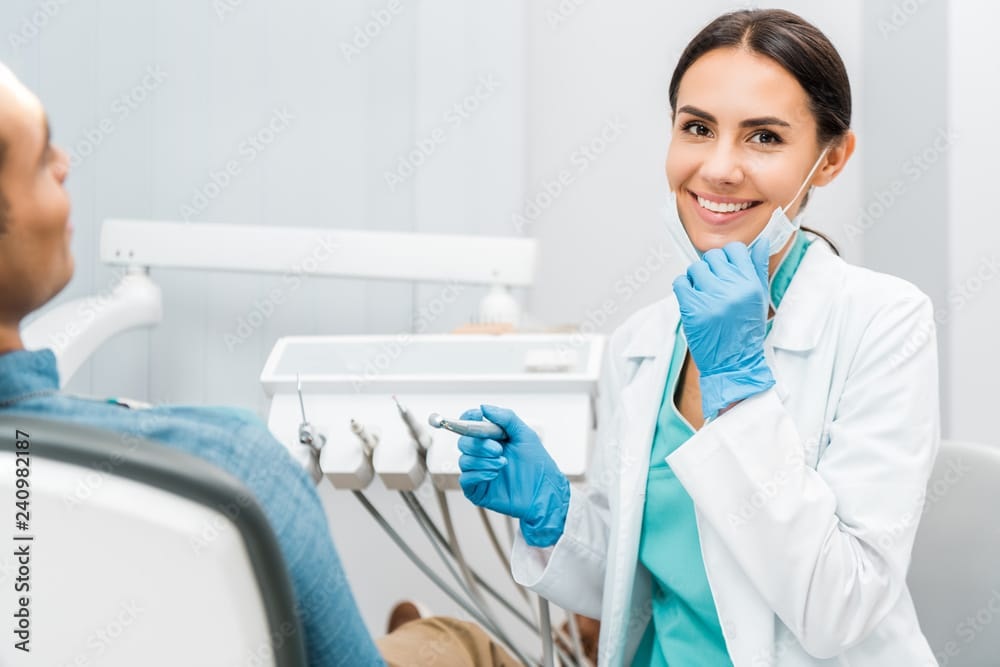
Cosmetic dentistry focuses on improving the appearance of a person’s teeth, gums, and overall smile. It has a variety of procedures that are made to enhance dental aesthetics, addressing various issues such as discoloration, misalignment, gaps, damaged teeth, etc. 

Cosmetic dentistry has widely replaced traditional methods, such as braces. In place of braces, people are now making use of clear aligners that are easy to put on, provide aesthetics, can be easily removed as needed, etc. 

Fairfield is no exception when it comes to making use of the latest technologies. Residents in Fairfield know the importance of maintaining dental health and how it can impact other aspects of health as well. 

Book your initial consultation with a cosmetic dentist in Fairfield, ME, today and get your dental condition treated on time. 

What are the primary procedures in cosmetic dentistry? 

Teeth Whitening:

One of the most common cosmetic procedures, teeth whitening, involves the use of bleaching agents to lighten teeth and remove stains that a person may get from coffee, tea, smoking, and even from aging. 

Dental Veneers: 

Dental veneers are made of porcelain material that is highly durable in nature. This cosmetic dental procedure is used when there are minor imperfections such as chips, gaps, discoloration, etc. 

Dental Implants: Dental Implants are used when people lose their teeth. It may be because of age or other factors. It uses titanium posts to be put in the gap and bring back the aesthetics of the face. 

What are the latest trends in Cosmetic Dentistry?

There have been many new trends in cosmetic dentistry in 2024. They are focused on the improvement of both the aesthetic and functional aspects of dental care.

  • Comprehensive Smile Makeovers: 

Although patients will always continue to seek whitening procedures, there is a new focus on total aesthetic renovations. 

Many of these treatments are carried out in sequence as they integrate veneers, crowns, and orthodontics, all of which contribute to the tertiary functions of enhancing smile aesthetics and mouth health.

  • Digital Smile Design (DSD): 

This technology works by making use of software that can provide a simulation of the patient’s smile, thereby helping dentists to have a better understanding of the patient’s needs. 

It gives a better picture of a patient’s smile and helps the dentist to come up with a treatment plan. This means that each result will be unique for each patient.  

  • Minimally Invasive Techniques: 

More emphasis is placed on maintaining the patient’s natural teeth as intact as possible. Such procedures include careful placement of veneers and braces that have no effects on the dental health of the patient in the future.

  • Sustainable Dentistry for Environment Health: 

Dental practices are becoming more environmentally aware, encouraging the use of environmentally friendly materials and processes. 

It involves the use of biodegradable materials, and it also administers ecologically friendly packaging. 

  • Tele-dentistry making virtual consultation possible: 

Tele-dentistry is a new concept that is taking shape in today’s society to enhance the delivery of dental health services, particularly among the rural population. Patients can use video communications and imaging for diagnosis and gaining advice without coming to the clinic.

  • Biocompatible Materials for a more durable treatment: 

These materials are meant to be in constructive integrated communication with the human body, so the chance of unwanted side reactions is minimized, and the durability and potential of dental restorations is optimized.

  • Advanced Dental Implants:

Advancements in implant materials and technologies that use three-dimensional printing methods in implant placements are enhancing the success rate of dental implants. 

Got a dental problem? Contact a cosmetic dentist in Fairfield!

A dentist can help you find out the extent of damage to your dental health. During your initial consultation, you will have all the knowledge that you may need to make the right decision. 

The simultaneous presence of tooth pain and halitosis (bad breath) is a clear and urgent signal from the body that an underlying oral infection is active and likely worsening. While a fleeting case of bad breath might be temporary, and mild tooth sensitivity can be common, their combination often points toward serious bacterial pathologies, such as advanced tooth decay, dental abscesses, or severe gum disease (periodontitis).

Understanding how these two symptoms are linked is crucial, as they both stem from the proliferation of harmful bacteria and the subsequent inflammatory and necrotic (tissue death) processes they cause. Professional intervention is mandatory when this dual threat manifests, as attempting to mask the symptoms can allow a serious infection to progress unchecked.

The Cause of Tooth Pain: Inflammation and Nerve Irritation

Tooth pain is the body’s alarm system, indicating damage or inflammation within the dental structures. In the context of infection, this pain arises from the bacterial invasion reaching the sensitive tissues inside the tooth or surrounding the root.

1. Deep Tooth Decay and Pulpitis

The most common cause of sustained tooth pain is deep dental caries (cavities) that progress into the pulp chamber.

  • Bacterial Invasion: Bacteria erode the enamel and dentin, eventually reaching the pulp, the soft inner core containing blood vessels and nerves.
  • Pulpitis: This bacterial intrusion causes inflammation of the pulp (pulpitis). Since the pulp is encased in rigid dentin, swelling increases pressure on the nerve, leading to sharp, throbbing, or persistent pain.
  • Irreversible Damage: If the infection is not treated, the pulp tissue may die (necrosis), and the infection can then exit the tip of the tooth root into the jawbone, forming an abscess.

2. Dental Abscess Formation

A dental abscess is a localized pocket of pus caused by bacterial infection. It is a severe condition that causes intense tooth pain.

  • Periapical Abscess: Occurs at the root tip, resulting from untreated pulp necrosis. The pus accumulates in the bone, creating immense pressure and throbbing pain.
  • Periodontal Abscess: Occurs in the gum tissue adjacent to the tooth root, often a complication of advanced gum disease where bacteria are trapped in a deep periodontal pocket.

The pain from an abscess can be constant and debilitating, indicating a mature, systemic infection requiring immediate drainage and treatment.

The Source of Halitosis: Volatile Sulfur Compounds (VSCs)

Halitosis linked to infection is primarily caused by anaerobic (oxygen-avoiding) bacteria that thrive in deep, protected oral environments. These bacteria metabolize proteins found in food debris, saliva, blood, and decaying tissue, releasing noxious byproducts known as Volatile Sulfur Compounds (VSCs).

The most common VSCs are:

  • Hydrogen Sulfide: Associated with the smell of rotten eggs.
  • Methyl Mercaptan:: Associated with the smell of feces or decaying material.
  • Dimethyl Sulfide: Often linked to systemic issues, but present in chronic infections.

1. VSCs from Deep Tooth Decay and Abscesses

When a tooth is deeply decayed or has an abscess, the environment is ideal for VSC-producing bacteria:

  • Pulp Necrosis: Dead or decaying pulp tissue provides a rich protein source for putrefying bacteria within the tooth’s canal system. The gaseous VSCs produced can accumulate and sometimes be released as they follow the path of the infection.
  • Abscess Drainage: If a dental abscess forms a fistula (a small pimple-like tract) through the gum to drain pus, the discharge is laden with necrotic tissue, bacteria, and VSCs, causing a persistent and offensive smell in the mouth.

2. VSCs from Periodontal Disease

Periodontitis is a chronic gum infection that is one of the most significant contributors to both halitosis and, eventually, tooth pain (due to bone loss and exposed roots).

  • Periodontal Pockets: Gum disease creates deep pockets between the tooth and the gum. These pockets are deep, anaerobic, and filled with fluid and dead cells, making them a perfect breeding ground for VSC-producing bacteria.
  • Tissue Destruction: The bacteria and the host’s immune response cause the breakdown of gum tissue and supporting bone. The odor is directly related to the bacterial breakdown of these protein-rich tissues.

The Diagnostic Significance: Decoding the Dual Threat

The simultaneous presentation of tooth pain and halitosis is highly diagnostic for a serious, localized infection that requires professional clinical intervention.

SymptomIndicatesPrimary Cause of HalitosisRequired Treatment
Throbbing/Sharp PainPressure on the nerve from inflammation or abscess.Necrotic tissue and bacterial byproducts in the infection site.Root Canal Therapy, Extraction, or Incision and Drainage (I&D).
Dull/Aching PainChronic, deep infection or advanced periodontal breakdown.High concentration of anaerobic bacteria in deep pockets.Deep Scaling (Root Planing), Periodontal Surgery, or Restoration.

An antimicrobial mouthwash can play a valuable adjunctive role in managing the symptoms by temporarily reducing the bacterial load responsible for the halitosis and helping to keep the oral environment cleaner. However, it is paramount to understand that an antimicrobial rinse alone cannot penetrate the deep-seated source of the infection—be it a bacteria-filled root canal or a deep periodontal pocket—which is the true cause of both the pain and the persistent bad breath.

Conclusion: Why Treatment Must Be Immediate

The presence of both tooth pain and halitosis should prompt an immediate visit to a dental professional. Failure to treat the underlying bacterial infection can have severe consequences, including:

  • Systemic Spread: Bacteria from a dental abscess can enter the bloodstream and potentially lead to serious, life-threatening conditions.
  • Bone Loss: Untreated chronic periodontal infection leads to irreversible destruction of the jawbone, eventually causing tooth mobility and loss.
  • Chronic Pain: Living with persistent pain severely diminishes the quality of life.

The only definitive way to eliminate the chronic halitosis and relieve the tooth pain is to remove the source of the infection, restore the dental structure, and establish a comprehensive oral hygiene plan.

When undergoing orthodontic treatment with braces in Los Gatos, it’s essential to consider the crucial role that nutrition plays in supporting the success of your treatment. A well-balanced diet can help prevent complications, promote healthy teeth and gums, and ensure that your braces work efficiently to achieve the beautiful, straight smile you desire. Conversely, a diet lacking essential nutrients or high in sugar, acidic, or hard foods can hinder the orthodontic process, leading to prolonged treatment times, increased risk of tooth decay, or even damage to your braces. 

In this article, we’ll explore the vital connection between braces and nutrition, providing you with expert guidance on how to fuel your body for optimal orthodontic health.

What Are Orthodontic Braces?

Orthodontic braces are dental appliances used to correct misalignments, irregularities, and other imperfections in the teeth and jaw. Typically consisting of brackets, wires, and elastic bands, braces work by applying gentle, sustained pressure to the teeth, gradually shifting them into proper alignment. By correcting issues such as overcrowding, gaps, overbites, and underbites, orthodontic braces can improve the appearance, function, and overall health of the teeth and mouth, leading to a more confident, radiant smile.

What Foods Should You Avoid with Braces?

Certain foods can damage braces, prolong treatment, or even lead to oral health issues. Here are some foods to avoid or limit during orthodontic treatment:

  • Hard or crunchy foods: Nuts, seeds, popcorn, and hard candy can damage brackets, wires, or other orthodontic appliances.
  • Sticky or chewy foods: Caramels, gum, and licorice can stick to brackets or wires, causing damage or displacement.
  • Sugary or acidic foods: Foods high in sugar or acid, such as candy, soda, or sports drinks, can contribute to tooth decay, erosion, or other oral health issues.
  • Foods that require excessive chewing: Foods like raw vegetables, tough meats, or hard fruits can put excessive stress on brackets, wires, or other orthodontic appliances.

What Are The Nutritional Recommendations for Braces?

A well-balanced diet rich in essential nutrients can support orthodontic treatment and overall oral health. Here are some nutritional recommendations:

  • Calcium-rich foods: Dairy products, leafy greens, and fortified plant-based milk can help maintain strong teeth and bones.
  • Vitamin D-rich foods: Fatty fish, egg yolks, and fortified dairy products can support bone health and immune function.
  • Fiber-rich foods: Fruits, vegetables, and whole grains can help maintain healthy gums and teeth.
  • Protein-rich foods: Lean meats, fish, eggs, and dairy products can support overall health and oral health.
  • Healthy fats: Nuts, seeds, avocados, and olive oil can provide essential fatty acids and support overall health.

What Are Some Effective Tips for Maintaining a Healthy Diet with Braces?

Here are some practical tips for maintaining a healthy diet during orthodontic treatment:

  • Choose soft, easy-to-chew foods: Opt for cooked vegetables, soft fruits, and tender meats to reduce stress on brackets and wires.
  • Cut food into small pieces: Cutting food into small pieces can make it easier to chew and reduce the risk of damaging brackets or wires.
  • Avoid snacking between meals: Snacking between meals can increase the risk of tooth decay, erosion, or other oral health issues.
  • Stay hydrated: Drinking plenty of water can help keep teeth and gums healthy, and reduce the risk of dry mouth.
  • Visit your dentist regularly: Regular dental check-ups can help identify any oral health issues early on, and prevent complications during orthodontic treatment.

Final Thought 

By understanding the critical link between braces and nutrition, you can take proactive steps to support your orthodontic treatment and achieve a healthy, beautiful smile. Remember, a well-balanced diet rich in essential nutrients, combined with good oral hygiene habits and regular dental check-ups, is the key to a successful and efficient orthodontic treatment experience. By making informed food choices and maintaining a healthy lifestyle, you’ll be flashing a confident, radiant smile in no time – and enjoying the many benefits that come with it, from improved oral health to enhanced self-esteem.


Confidence in your smile can change your life. When you feel good about your teeth, you smile with ease. Cosmetic dentistry offers solutions to improve your smile at any age. A Baton Rouge dentist can help you explore options to enhance your teeth. From teeth whitening to veneers, there are many choices. Each option is safe and effective. These treatments can address stains, chips, or gaps. With cosmetic dentistry, you can achieve a natural-looking smile. You deserve to show your smile proudly. Whether you are a teenager or a senior, cosmetic options are available for everyone. The right choice will boost your confidence and impact your overall well-being. Talking to a Baton Rouge dentist will help you find the best solution for your needs. Investing in your smile is an investment in yourself. Embrace the possibility of a radiant smile with cosmetic dentistry.

Understanding Cosmetic Dentistry

Cosmetic dentistry focuses on improving the appearance of your teeth, gums, and bite. It’s not just about aesthetics. It also enhances oral health and function. From simple procedures to more complex treatments, options are varied and cater to different needs.

Common Cosmetic Dentistry Procedures

Some popular cosmetic dentistry procedures include:

  • Teeth Whitening: Brightens your smile by removing stains and discoloration. This quick procedure can be done in-office or at home with a kit.
  • Veneers: Thin shells placed over the front of teeth, perfect for improving the shape, size, or color. Veneers are durable and provide a natural look.
  • Bonding: Uses composite resin to repair chipped or cracked teeth. Bonding is a cost-effective option that restores your smile seamlessly.
  • Braces and Aligners: Corrects misaligned teeth. Options include traditional metal braces or clear aligners like Invisalign.
  • Implants: Replaces missing teeth with artificial roots and crowns. Implants are a permanent solution that mimics real teeth.

Benefits of Cosmetic Dentistry

Cosmetic dentistry goes beyond improving looks. Here are three key benefits:

  • Boosts Self-Esteem: When you are confident in your smile, it positively affects every aspect of life.
  • Improves Oral Health: Many treatments not only enhance appearance but also promote better oral hygiene.
  • Enhances Functionality: Procedures like implants and braces can improve bite and chewing efficiency.

Choosing the Right Option

Choosing the best cosmetic dental procedure depends on individual needs and goals. It’s essential to consult a professional for guidance. Here’s a simple comparison of popular options:

Procedure Benefits Duration
Teeth Whitening Brightens smile 1 hour (in-office)
Veneers Improves shape/size 2-3 visits
Bonding Repairs chips 30-60 minutes per tooth
Braces/Aligners Corrects alignment 6 months to 2 years
Implants Replaces missing teeth Several months

Safety and Accessibility

Safety is a priority in cosmetic dentistry. Procedures are backed by research and performed by trained professionals. According to the American Dental Association, these treatments offer safe and predictable outcomes. Access to cosmetic dentistry has increased, allowing more people to benefit from these procedures.

Making an Informed Decision

When considering cosmetic dentistry, discuss options with a trusted dentist. Ensure they address both aesthetic and functional goals. For further information on dental health and procedures, visit the Centers for Disease Control and Prevention’s oral health page. Making an informed decision will lead to a happier, healthier smile.

Conclusion

Cosmetic dentistry is a powerful tool for enhancing your confidence and oral health. With various options available, you can achieve the smile you desire at any age. Whether you’re interested in whitening, veneers, or braces, there’s a solution that fits your needs. Talk to a professional, weigh your options, and take the first step toward a more confident you. Your smile is worth it.