
Category

Health

Category

In today’s fast-paced world, getting quality sleep can be a challenge. Sleep is essential for our physical and mental wellbeing, yet according to the Centers for Disease Control and Prevention (CDC), more than one-third of American adults do not get enough of it. As a result, many people turn to supplements in search of restful sleep. But with so many options on the market, how do you know which ones are best? In this article, we will explore the most popular supplements that may help you achieve better sleep by 2023. From melatonin to valerian root and beyond, we’ll dissect each supplement’s benefits and drawbacks to guide you towards making an informed decision about your sleeping regimen. So let’s dive in!

Melatonin: The Natural Sleep Aid

Melatonin is a natural hormone produced by the body’s pineal gland that regulates sleep-wake cycles. It helps to regulate our internal clock and signals our bodies when it’s time to sleep or wake up. Melatonin production decreases as we age, which may contribute to insomnia in older adults. Therefore, taking melatonin liquid can help restore regular sleep patterns. Melatonin Singapore is available over-the-counter easily from pharmacies and is one of the most popular natural sleep aids on the market today. Many people use it to induce drowsiness and promote relaxation before bed. The dosage of melatonin depends upon various factors such as age, gender, health status and lifestyle choices. While it has been known for its effectiveness, like any other medication or supplement should be taken with caution keeping their doctor informed about all the changes in medication they make or plan to take.

Furthermore, research has shown that taking too much melatonin can lead to side effects such as headaches, nausea and irritability among others hence maintaining correct dosages are important while relying on this as a source of treatment. Overall however, melatonin supplementation provides an effective solution for those struggling with falling asleep at night who want a safe option without resorting to prescription drugs .

Valerian Root: An Ancient Remedy for Modern Sleep Problems

Valerian root, a natural sleep aid that dates back to ancient Greece and Rome, has gained popularity in recent years as a remedy for modern sleep problems. Derived from the valerian plant’s roots, this herb is known for its calming effects on the body and mind. Studies have shown that valerian root may improve symptoms of insomnia by increasing levels of gamma-aminobutyric acid (GABA), a neurotransmitter that helps regulate anxiety and promotes relaxation. This effect can help individuals fall asleep faster, stay asleep longer, and wake up feeling more refreshed.

Despite its effectiveness as a natural sleep aid, it’s important to note that valerian root may interact with certain medications or cause side effects such as headaches or upset stomach. As with any supplement or medication, it’s always best to consult with your healthcare provider before starting use. Overall though, if taken responsibly through guidance from medical professionals Valarian Root could be an excellent multi-use remedy for various ailments including alleviating break-downs in good sleeping habits amongst humans.

CBD Oil: The New Kid on the Block for Sleep Support

CBD oil is one of the newest players in the world of sleep supplements. Derived from the hemp plant, CBD (short for cannabidiol) has been found to have a number of potential health benefits, including reduced anxiety and improved pain relief. While research on its effects on sleep is still ongoing, early studies suggest that it may help improve insomnia symptoms in some individuals.One way that CBD oil may help improve sleep is by interacting with the body’s endocannabinoid system (ECS). The ECS plays a role in regulating various bodily functions, including mood, appetite, and – you guessed it – sleep. By binding to receptors within this system, CBD might be able to influence our body’s natural circadian rhythms and promote more restful slumber.

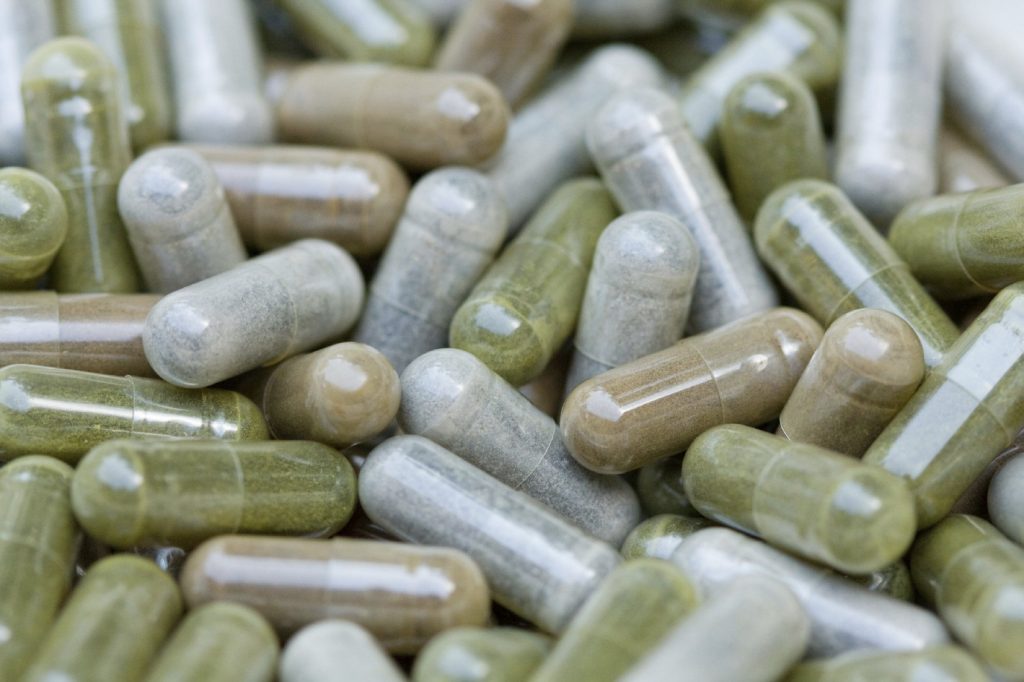
Of course, individual results can vary when it comes to using various supplements for better sleep. It’s important to speak with your doctor before trying any new supplement or medication – especially if you’re already taking other medications or have underlying medical conditions. But if you’re struggling with insomnia or feeling groggy despite getting enough hours of shut-eye each night, adding drops of sleeping aids or popping a tablet or two into your bedtime routine could be worth exploring as a potential solution.

Are you looking for a safe and effective way to help improve the look of aging skin on your face or body? A fractional CO2 laser treatment may be the answer. This amazing cosmetic procedure is fast becoming one of the most popular treatments in dermatology, offering a range of benefits that make it an ideal solution for many patients. In this blog post, we’ll explain exactly what a fractional CO2 laser treatment is and how it can help rejuvenate your skin by removing age spots, wrinkles, and more. We’ll also discuss who’s an ideal candidate and what results you can expect to see after undergoing this simple procedure.

What Is A Fractional Co2 Laser Treatment?

A fractional Co2 laser treatment is a skin rejuvenation procedure that helps to improve the appearance of wrinkles, acne scars, and other signs of aging. Through fractionated laser technology, tiny holes are created in the skin, which enable collagen and elastin production. This production provides individuals with long-term skin rejuvenation by tightening and smoothing the skin’s surface. The process also helps to reduce sun damage, acne scarring, rosacea, melasma, and other abnormalities while stimulating healthy cell growth. As this process works to rebuild cellular structure from within, it creates newer and healthier tissue that provides smoother and younger looking skin. Fractional Co2 laser treatments can be done in a full face treatment or specific area treatment depending on each patient’s needs.

Benefits Of Fractional Co2 Laser Treatments

Fractional CO2 laser treatments offer a safe, non-invasive solution for those seeking to rejuvenate their skin. Not only do the treatments help reduce wrinkles, sun spots, and other signs of aging, but they can also improve the overall texture and tone of skin. Beyond its anti-aging properties, fractional CO2 laser treatments can even shrink pores and relieve acne scars. This treatment is more effective than topical solutions as it penetrates deeper into the dermis layer of the skin for a longer lasting result. Additionally, Fractional CO2 lasers are gentle on the skin with minimal downtime so you can experience beautiful results without missing a beat.

How Does Fractional Co2 Laser Work?

Fractional Co2 Laser utilizes a high-deep laser beam that is scanned across the treatment area in various patterns, depending on the size and number of lines the operator sets. As these lines penetrate into the deeper layers of skin, they create tiny wounds that stimulate the production of new collagen and elastin fibers, resulting in smoother, softer looking skin. The micro-injuries also help to diminish age spots, wrinkles and pigmentation while stimulating blood circulation under the surface—all without harming any adjacent healthy tissue. Free from recovery times and long healing processes associated with traditional laser treatments, fractional Co2 laser therapy provides quick results that keep you looking young for years to come.

What Skin Issues Can Be Resolved By A Fractional Co2 Laser Treatment?

Fractional co2 laser treatments offer a safe and effective way to improve a variety of skin problems. The powerful and precise laser can be used to significantly reduce wrinkles, lines, sagging skin, scars from acne or surgery, sun damage, age spots, large pores and even birthmarks.

How Different Is Fractional Co2 Laser From Other Laser Treatments?

Fractional CO2 laser treatments are a powerful and increasingly popular solution to skin-related issues. Unlike some of the other laser treatments available, fractional CO2 lasers rely on localized thermal energy which can target specific areas of the face or body instead of impacting the entire surface. Additionally, this particular treatment is known for its ability to penetrate more deeply than many other lasers, allowing for greater effectiveness in treating a variety of skin conditions including acne scarring, wrinkles, discoloration, and even stretch marks. The effects from fractional CO2 laser treatment have been shown to last significantly longer than those from most other laser treatments as well, making it an ideal solution for anyone looking for long-term results without undergoing multiple sessions or touch-ups over time.

Is Fractional Co2 Laser Safe?

Fractional co2 laser treatments are a safe and effective way to improve skin texture and tone, as well as minimizing wrinkles and other signs of aging. It works by using lasers to precisely create microscopic wounds in the top layer of the skin that are barely detectable. The body’s natural healing process triggers collagen production for smoother, healthier-looking skin. These treatments can also be used for acne scarring, sun damage, roughness, discoloration, and other issues. Despite how sophisticated fractional co2 laser therapy is, it carries very few side effects or complications. In rare cases patients might experience some slight redness or swelling around the treatment area that usually dissipates within one to three days after treatment.

The Canadian pharmacy industry has grown substantially over the past few decades, with a significant increase in the number of pharmacies operating both online and offline. The growth of the industry has been driven by a combination of economic and political factors, which have created an environment that is conducive to the development of a thriving pharmaceutical sector.

Economic Factors

One of the key economic factors that has influenced the growth of the Canadian pharmacy industry is the country’s universal healthcare system. The Canadian healthcare system is publicly funded, meaning that the government provides funding for all medically necessary services. This includes prescription drugs, which are covered under the country’s national drug plan. As a result, Canadians have access to affordable prescription drugs, regardless of their income or health status.

Another important economic factor that has contributed to the growth of the Canadian pharmacy industry is the country’s strong pharmaceutical research and development sector. Canada is home to a number of world-class research institutions, which have been instrumental in developing new drugs and therapies. This has helped to establish Canada as a leader in the pharmaceutical industry, attracting investment from multinational companies and fostering the growth of domestic companies.

Political Factors

The Canadian government has implemented a range of policies and initiatives aimed at supporting the growth of the pharmaceutical industry. These include tax incentives for pharmaceutical companies, funding for research and development, and streamlined regulatory processes for drug approval. These policies have helped to create a favorable environment for the growth of the Canadian pharmacy industry, encouraging innovation and investment in the sector.

However, the growth of the Canadian pharmacy industry has not been without its challenges. One of the key political factors that has impacted the industry is the ongoing debate over drug pricing and intellectual property rights. Canada has long been a popular destination for Americans looking to purchase affordable prescription drugs, due in part to the country’s price controls on medications. However, this has led to tensions with the United States, which has accused Canada of violating intellectual property laws and undermining the profitability of American pharmaceutical companies.

In response, the Canadian government has implemented a range of measures aimed at protecting its pharmaceutical industry while also addressing concerns around drug pricing. These include efforts to strengthen intellectual property protections, as well as initiatives aimed at promoting greater transparency and accountability in the pharmaceutical sector.

Another political factor that has influenced the growth of the Canadian pharmacy industry is the country’s regulatory environment. While Canada’s regulatory system is generally considered to be effective and efficient, there have been concerns raised about the impact of regulatory burdens on small and medium-sized pharmacies. In response, the Canadian government has implemented a range of measures aimed at streamlining regulatory processes and reducing the administrative burden on pharmacies.

Overall, the economic and political factors influencing the growth of the Canadian pharmacy industry are complex and multifaceted. While there are a number of challenges facing the industry, including ongoing debates over drug pricing and intellectual property rights, there are also a number of opportunities for growth and innovation. As the pharmaceutical industry continues to evolve, it is likely that the Canadian pharmacy industry will continue to play a key role in shaping the future of healthcare in Canada and around the world.


Keeping your chakras in balance is important for physical and mental health. Imbalances can be caused by a variety of things, including emotions or stress.

Fortunately, there are several things you can do to balance your 7 chakras. Yoga, breathing exercises, and meditation can help you create alignment in your body and mind.

  1. Breathing Exercises

Breathing exercises, meditation, and yoga are among the easiest ways to balance your 7 chakras for optimal health and well-being. These practices have been proven to help relieve stress and anxiety, improve cognitive function, and increase positive emotions and self-esteem.

To get the most out of these techniques, it’s important to find the right ones that work for you. For example, if you’re experiencing panicky feelings or generalized anxiety disorder (GAD), focus on breathing slowly and deeply to release tension in your shoulders and neck.

Breathing exercises can also help clear the nadis, the energy pathways that lead to your chakras. These nadis also connect with the physical body, so if they’re blocked, the chakras may become imbalanced.

  1. Meditation

Meditation can help balance your chakras by facilitating energy movement. It is also a great way to relax your mind and body.

Chakras are spinning energy centers in the body that help absorb and distribute our vital energy (prana). An imbalanced chakra can cause physical and psycho-emotional symptoms.

In the body, these energy centers act as distribution centers for the five main energy flows. When they are in balance, these flows are optimal, positively impacting your health and well-being.

  1. Yoga

If you have ever taken a yoga class, had an energy healing session like reiki, or read about chakras in ancient yogic texts, you know that balancing your 7 chakras is essential for optimal health and well-being. When these energy centers are unbalanced, they can cause physical and emotional symptoms.

While there are many ways to balance your chakras, including yoga poses, breathing exercises, meditation, and more, diet is one of the easiest ways to help keep these energy centers open and functioning. Eating a nutritious, balanced diet with plenty of fruits, vegetables, and whole grains is key to rebalancing your chakras.

  1. Crystals

Chakras are spinning wheels of energy that are essential for harmonizing your body, mind, and spirit. When blocked or out of balance, these energy centers can cause emotional, mental, and physical health problems.

Crystal healing is an ancient practice that uses the energy emitted by certain crystals to balance your chakras. These frequencies are said to directly correspond with the vibrations of a specific chakra, which makes it an effective way to heal.

When choosing a crystal, choose one that resonates with your unique path of self-growth and spiritual development. For example, moss agate is a great stone to use during meditation for its ability to help you connect with plant spirits.

  1. Acupuncture

Acupuncture is an ancient healing technique that aims to balance your body’s natural energy or qi. According to traditional Chinese medicine (TCM), a harmonious flow of this life force promotes overall health and wellness.

When qi becomes disrupted, it may cause physical and emotional symptoms, including pain, headaches, menstrual cramps, insomnia, and stress. Acupuncture treatment can rebalance qi to restore health and wellness, according to Johns Hopkins Medicine. Please visit https://blog.mindvalley.com/7-chakras/ for more details.

As you practice meditating on all seven chakras, it will become easier to notice imbalances in individual areas. In those cases, it’s best to get the help of a skilled energy healer. This could be a reiki practitioner, acupuncturist, or another type of professional that works with energy medicine.

  1. Massage

Getting a massage is more than just an indulgence – it’s a powerful way to balance your 7 chakras for optimal health and well-being.

Every chakra is connected to a point in the body and when one isn’t flowing correctly it can affect the flow of energy throughout the other chakras.

During a chakra balancing massage, the therapist will perform small circular strokes in a clockwise direction in each area corresponding to one of the main energy centers. They’ll use essential oils and healing crystals to further enhance the benefits of the treatment.

  1. Nutrition

Nutrition plays a crucial role in your body’s ability to heal. When you eat a balanced diet, your body gets the vitamins and minerals it needs to thrive.

That includes the B vitamins, which help support the nervous system and promote energy production. It also means consuming foods that are high in antioxidants, fiber, and other important nutrients that support your overall health and well-being.

Chakras are energy centers in your body that connect you to your physical, emotional, and spiritual selves. When they’re blocked, they can cause a variety of symptoms and imbalances.