Archive

2021

Browsing

Homeopathy is one of the newest medical disciplines, requiring a cutting-edge approach and comprehensive research. Homeopathy is one of the most obscure science streams, and it is commonly confused, misunderstood, and over-understood, resulting in confusion among not only laypeople (patients) but also homeopaths.

In this article Dr. Yogesh Jadhav who is one of the best homeopathic doctor in Aurangabad will discuss a few myths & facts about homeopathy.

Myth: Homeopathy is not a cure-all procedure. 

Fact: Many people believe that homeopathy is a miraculous science that can cure even the most incurable diseases like cancer, comatose stages, paralysis, and so on. It isn’t, in reality. Homeopathy is a straightforward science with its own reach and limits, based on those rules (law of similars, similar to vaccinations). The scope of care is defined by guidelines, criteria, and implementation methods. Homeopathy is very powerful, but don’t expect miracles or magic. 

Myth: Homeopathy is nothing more than a mind-body medicine. 

Fact: One of the most difficult concepts to grasp about homeopathy is that it is primarily dependent on mental understanding. The homeopathic culture is not completely free of this confusion. One of the most important aspects of patient-study in homeopathy is the study of mental behaviors, feelings, and mentality. It is not, however, the only deciding factor. 

Many homeopaths, especially in the western world, claim that homeopathy and mind-medicine are virtually equivalent. The illness, the essence of pathology, the form of immunological or hormonal changes, the physical components (perspiration, thermal preference, sleep, etc.) and the mental sphere are all covered by homeopathy research; all or most of them, depending on the event. 

Myth: Homeopathy is nothing more than a psychosomatic treatment. 

Fact: Many homeopaths appear to link a patient’s illness or pathology to an emotional factor, almost always as a cause and effect relationship. Diabetes as a result of a stressful relationship, arthritis as a result of sadness following the loss of a loved one, and so on. Psychosomatism is deeply understood and valued in homeopathy, but not generally as a causal phenomenon, but rather as a component of the whole. There’s no need to force a connection between major emotions and the development of any disease in every patient. 

Myth: Homeopathy is a spiritual approach to healing. 

Fact: Many people have theorized and related homeopathy to spirituality because it is focused on a potentized (extremely small) dosage of a physical substance that cannot be tested using modern science methods. It’s intriguing to see a connection between the two; however, if the emphasis is moved away from science and toward spirituality, it could be harmful to homeopathy’s development. Comparing “vital energy” to “sole” and “miasms” to “Buddhism” would prevent homeopathy from advancing scientifically. 

Myth: Homeopathy is a faith-based healing system. 

Fact: Homeopathy, according to skeptics, is nothing more than faith healing. For those who did not believe in homeopathy, it has performed a million times. Homeopathy also works on infants, domestic and wild animals, showing that it is more than a placebo treatment. 

Myth: Homeopathy is another term for herbal medicine. 

Fact: Not at all, in fact. Homeopathy is more than just a natural cure. Medicines derived from plants, minerals, chemicals, animal products, organisms, and other sources are included. It is also backed by a complex system of medicine preparation, strong scientific concepts, and a broad philosophical basis. 

Myth: Homeopathy is a placebo treatment. 
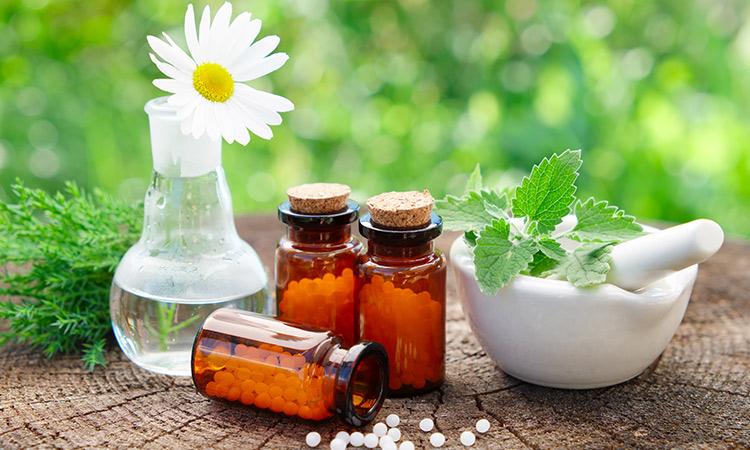
Fact: Homeopathy is a scientifically validated treatment that has been used successfully for over 200 years in over 170 countries. If one assumes that homeopathy is a placebo, it reflects ignorance. 

Myth: Homeopathy causes the illness to worsen before it is cured. 

Fact: Not at all, in fact. Only a small percentage of diseases, such as eczema, can worsen if medicines are not prescribed by a medical professional. The entire notion of illness spreading before a cure is exaggerated. 

Myth: Homeopathy takes a long time to work. 

Fact: Homeopathy is a little slower than traditional medicine, but not by much. Since it deals with chronic and complex diseases, the treatment process can seem sluggish and drawn out. 

Myth: Homeopathic drugs can’t be combined with allopathic (allopathic) medications. 

Fact: Conventional and homeopathic drugs can be taken together safely and efficiently without causing harm. 

Myth: X-rays, blood tests, MRIs, and other diagnostic tests are not needed for homeopathic care. 

Fact: All types of research are necessary and beneficial for better and more efficient homeopathic care. 

Myth: Homeopathic treatment does not require a diagnosis. 

Fact: Diagnosis aids in better homeopathic medicine prescribing. 

Myth: Homeopathic medications are only prescribed for the patient’s psychiatric problems. 

Fact: This is incorrect. Homeopathy is the science of illness, diagnosis, and mental characteristics. So it can treat many other type of diseases as well.

Myth: Homeopathy is incompatible with surgery. 

Fact: Not at all, in fact. Homeopathy requires surgery. Surprisingly, certain surgical diseases (such as life piles, fissures, and tonsillitis) may be treated without surgery.

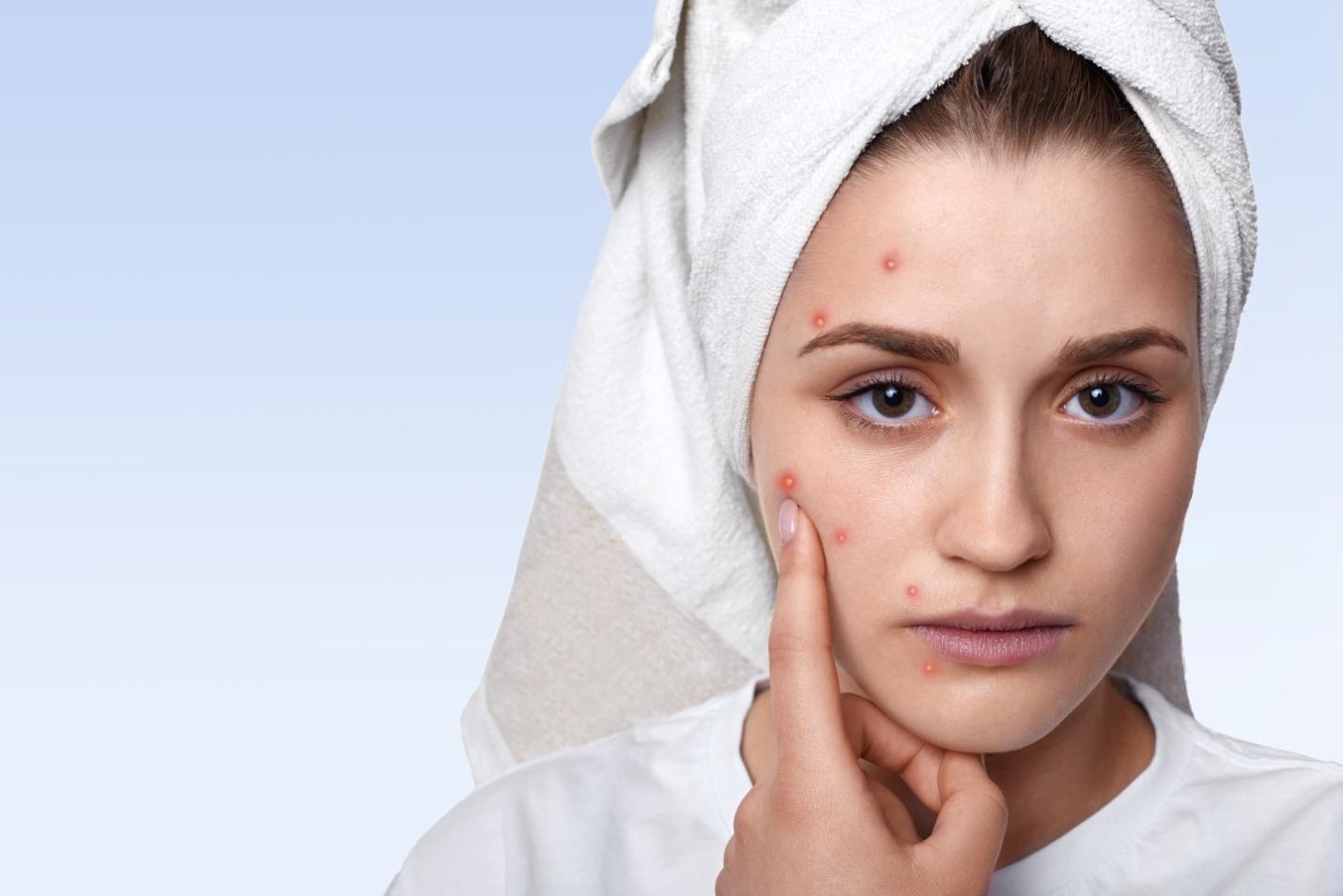
C:\Users\dell\Downloads\closeup-young-woman-with-towel-head.jpg

People with oily skin know the struggle of acne on their skin. Healthy and pimple-free skin is the dream of everybody. Clear skin gives you confidence and satisfaction but due to your oily skin type, your life must be occupied by different medications, cleansers, and skincare products.

Dr. Firdous one of the best dermatologists from the aesthetic clinic gives us the reason for excessive oil production on our skin. She stated that the excessive oil on the skin is the result of the overproduction of sebum from sebaceous glands located beneath the surface of the skin. She is also an expert in acne and scar treatment in Hyderabad.

Production of sebum is useful as it gives glow and moisture to the skin but its overproduction cause acne and few other skin issues. That true that medications and a good skincare routine can help us avoiding new acne but the bad news is that not every product is suitable for every kind of skin.  A consultation with a dermatologist like Dr. Firdous from the aesthetic clinic can help a lot to get rid of skin issues.

Dr. Firdous also suggest many home remedies that are purely harmless and are effective for anyone. Sometimes medications or few skincare products can react with your skin and can irritate your acne even more. The side effects of some products are hard to reverse, for such a situation Dr. Firdous have suggested plenty of home remedies to people with such sensitive skin.

There are plenty of ingredients already available in your kitchen so you do not need to put extra effort to prepare any home remedy

C:\Users\dell\Downloads\portrait-young-woman-having-problem-skin-pimple-her-cheek-wearing-towel-her-head-having-sad-expression-pointing.jpg

Honey:

Honey is an excellent and effective ingredient for oily skin. It helps to maintain the moisture of the skin, not the oil. Honey is enriching with abilities like antibacterial and antiseptic that might help acne-prone oily skin.

Usage: 

Honey can be directly applied to your skin. All you need to do is applying a thin layer of honey let it dry for 10 minutes and then rinse it off with some warm water.

Washing face:

Washing your face again and again after short intervals of time can help a lot by preventing oil from coming onto your skin. Acne starts to appear when you do not wash your face properly and oil stays on the skin for the long period

Healing clay:

Cosmetic clay or healing clay is a mind-blowing substance that absorbs all the excessive oil from your face. French green clay is very much popular for treating acne or oily skin.

How to use:

It is very easy to apply you can make a thick paste of it by adding water or milk and can apply for 10 to 15 minutes until it is completely dry and then wash it with normal water.

Aloe Vera:

Aloe Vera usually uses to cure or soothing burns and also for healing many skin conditions. According to the dermatologist Dr. Firdous there are enough scientific shreds of evidence to prove that aloe Vera helped flaky skin cause by oily. So many people out there keep the Aloe Vera plant indoor to manage their skin issues.

How to use:

Aloe Vera can be applied directly in the form of a thin layer. For best use, a layer of aloe Vera should be applied at night and then should be washed in the morning.

Note: Aloe Vera may not be a favorable thing for people with some extra sensitive skin so if someone is going to use it for the 1st time, do not forget to test it on a small area of skin to see if it reacts or not.

Turmeric Mask:

Now, this is something almost everybody knows. Turmeric is filled with so many healing properties. It even cures many wounds, cuts, or marks But you will be amazed to know that turmeric can also help in reducing the appearance of acne onto your face and prevent excessive oil production as well.

Even many brides in India most often use turmeric masks to clear and brighten up their skin.

How to Use:

In any of your favorite masks, you can add half of a spoon of turmeric. You can use turmeric with plenty of things for example 

Homemade masks can help a lot in clearing up acne or acne marks on the skin and all of these remedies do not require much effort. Anyone can make these remedies with their kitchen ingredients. If these remedies won’t help you within two weeks you should consult a dermatologist. Dr. Firdous from the aesthetic clinic says: If the acne or skin issues go unobserved for a long time it may cause permanent marks or scars. He warns

Ayurveda is an ancient Indian medical system that dates back over 3,000 years. The Sanskrit terms ayur (life) and veda (science) are combined to form the term Ayurveda (science or knowledge). As a result, Ayurveda means “knowledge of creation.” “Ayurveda recommends such lifestyle interventions and natural therapies to restore a balance between the body, mind, spirit, and environment, based on the premise that illness is caused by an imbalance or tension in a person’s consciousness.”- Says Dr. Kalpesh who is one of the best Navi Mumbai based ayurvedic doctor. Following are the 7 major benefits of Ayurveda as stated by Dr. Kalpesh. 1. Ensuring Good Health (Preventive Care)  

Too much of western medicine focuses on disease treatment. Though western medicine seeks to catch up to the ancient wisdom of preventive treatment, Ayurvedic medicine has provided practitioners with the resources to preserve health and escape disease for thousands of years.  

Ayurveda preserve the balance within ourselves that promotes good health by tailoring our diets and lifestyles to our individual constitutions. According to the Ayurvedic doctors, the easiest way to avoid illness in the first place is to remain healthy. 

2. Beautiful Skin  

Beautiful skin is good skin. We may feel forced to use more harsh chemicals to help mask the harm done to our skin when we use the harsh chemicals used in so many commercial skin care items.  

It’s also preferable to take care of our skin by first learning about it. Once you know your skin type, whether it’s dry vata, sensitive pitta, or oily kapha, you will figure out which ancient, natural skin treatments can better balance these qualities and promote good, beautiful skin. Furthermore, our skin will respond to these Ayurvedic practices by naturally balancing itself as the entire body is eased into greater balance and wellness by adopting a balanced diet and a balancing lifestyle.  

3. Higher levels of concentration  

It is easy to become overwhelmed in our modern world, with the pace of travel, the overload of knowledge, and the constant, mechanical noise that pervades our lives, and to find our minds disquieted and anxious. When we take the time to slow down and get to know and understand our bodies and how their natural constitutions need balance, our minds follow suit.  

Our minds are soothed by a balanced diet and lifestyle, which allows for smoother, more concentrated concentration. Mental balance is just as important as physical balance, and Ayurvedic practices are designed to help people achieve both.  

4. Stress Reduction  

We worry in the same way that our minds lose concentration. Working under duress, as the majority of us do, aggravates vata and induces stress. The joints are the first to be affected by vata imbalance, and isn’t it true that we always find high stress levels by sore, clenched jaws? Ayurveda relieves stress by diet and lifestyle. These strategies help to stabilize vata and relax pitta.  

5. Energy Rejuvenation  

It is all too common in this world to skip sleep while working on a deadline, to eat foods that are out of season, or to stay up too late at night. We all do things that cause our bodies and minds to be out of control, resulting in sluggishness and lethargy.  

In the short term, coffee and other stimulants can help, but Ayurveda takes a holistic, long-term approach to reviving energy. We will decide how to balance ourselves once we recognize our natural dosha, or constitution. A vata person who engages in vata operation is vata-overloaded, and could profit from more pitta and kahpa elements to balance this excess vata.  

6. Relaxation  

Maintaining healthy skin and hair, preventing stress, and revitalizing energy all involve grounding and calming vata styles. It’s all too easy to get out of sorts, and being conscious of our body’s natural constitution will help us regain the equilibrium that leads to relaxation. Relaxation makes you feel safe and content with your mind and body, so it’s a good indicator of physical, emotional, and spiritual well-being.  

Body massage, or abhyanga, is also beneficial for relaxation. Whether self-massage or therapeutic massage are used, these techniques, particularly when combined with Ayurvedic oils and various heat sources, aid in the removal of excess vata, which causes stress.  

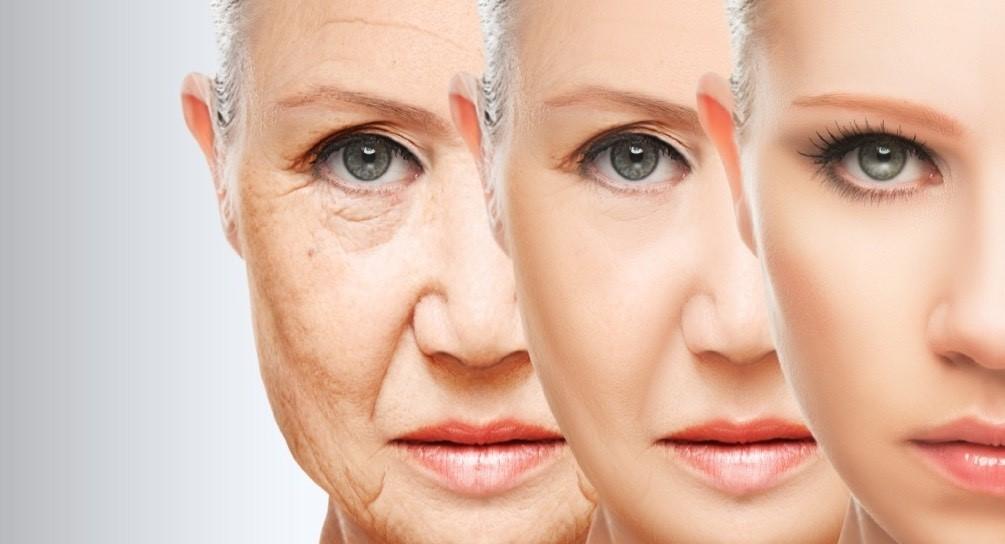
7. Anti-Aging  

Have you ever met anyone who seemed to be older than their actual age? We claim they led a hard life because they were under a lot of stress and had a lot of physical, emotional, and spiritual problems. The signs of our wellbeing are visible on our faces.  

We alleviate the pressures and anxieties that wear out our bodies by balancing doshas and maintaining a balanced relationship between vata, pitta, and kapha. Ayurvedic medicine not only promotes a strong, youthful body, but it also promotes a vivid, dynamic mind, even as we grow older. Safe, balanced bodies and minds are needed for the complex expression of life.  

We can preserve and encourage the balance that is so important to the complex expression of life by being conscious of what we eat, how we live, and how we manage stress. These seven advantages, as well as many others, can be realized in our lives by daily Ayurvedic practice.


Follicular unit extraction (FUE) hair transplants are done by removing specific hair follicles from your skin which are then inserted elsewhere on your body. The hair in the new region would appear thicker as a result of this.

The “classic” follicular unit transplantation (FUT) technique was supposed to be replaced by FUE. This operation entailed taking an entire piece of skin or scalp, including the follicles, and transplanting it to the desired location.

Since FUEis less likely to result in a “hair plug” look, where parts of skin or hair don’t fit the surrounding areas, it has become more common than FUT. In addition, unlike FUT, it does not leave a big scar.

How does it work?

Individual follicles — usually between 1 and 4 hairs — are cut under local anaesthesia during the hair transplant procedure.

The hair follicles are extracted using a microsurgical extraction tool with a diameter of between 0.6mm and 1.0mm.

The surgeon then punctures the scalp region that will obtain the grafts with specially designed microsurgical needles.

Dr. Mohit Srivastava who is working with one of the best hair transplant clinic in Vapi is an expert at blending in the hair, inserting the grafts at an angle and density that suits the original hair, resulting in a natural-looking and practical hair pattern.

How much time does it take?

Depending on the treated area, a FUE hair transplant may be done in one long session or several smaller sessions.

It takes longer than strip surgery, but it does not leave the noticeable and usual scars that strip surgery does.

The length of a FUE procedure varies, but it is generally determined by the amount of grafts necessary to cover the head.

A shorter process, requiring only about 200 grafts, can be done in a few hours.

A larger procedure involving 2,500 to 3,000 grafts, on the other hand, would necessitate a two-day procedure.

Are you a good candidate?

You are the right candidate if:

  • You’ve been diagnosed with a disease that prevents the hair from developing
  • If you’re over 25 and have been balding for a long time, but the rashes on the scalp hair loss has nowstabilized.
  • You discover that medically validated hair loss therapies are ineffective for you.
  • Have lost hair as a result of traumas like burns or cosmetic treatments like afacelift.
  • Excessive scalp tightness or laxity puts you at risk for thickened donor scars.
  • If you are healthy and you don’t have any medicalconditions.
  • If you choose to wear short hairstyles, you can do so with your own
  • If shaving your head is not a concern for you because the donor region for a FUE operation must beshaved.

Is it a successful procedure?

 FUE hair transplants have a very high success rate, up to 98 percent when done correctly.

With guidance from a successful board-certified cosmetic surgeon, learn how the transplant process functions.

How long will the effects last?

The outcomes of a FUE hair transplant are usually permanent. The transplanted hair will shed for a few weeks after the operation, but it will grow back strong and healthy.

How long would it take to recover?

Unlike strip surgery, FUE hair transplantation does not necessitate the harvesting of large areas of the scalp. There is no longitudinal incision on the back of the head, and no linear scar is left.

Individual follicles are removed one at a time, leaving only small puncture scars that are nearly undetectable to the naked eye. With an estimated recovery time of less than 7 days, there is very little post-surgical pain and discomfort.

What are the side effects?

The following are some of the possible side effects of the FUE procedure:

  • Around the eyes, there isbruising.
  • A crust grows on the scalp in places where hair has been removed or inserted.
  • Numbness or a loss of feeling in the scalp’s treatedregions.
  • Folliculitis is a condition in which the hair follicles become inflamed or infected.

What are the post-surgery instructions?

  • After hair restoration surgery, sleep in a semi-sitting position. This will aid in the reduction of swelling which will keep you from inadvertently hitting the places where the hair follicles have beentransplanted.
  • Touching, scratching, or rubbing the treated area where the hair follicles have been transplanted is notrecommended.
  • Some doctors recommend gently shampooing your hair the day after your operation. Some physiciansdisagree.
  • Pay attention to the doctor’s orders. After about 7 days of treatment, you might be recommended to wash your hair twice a
  • Take the medicine that your doctor has prescribed foryou.
  • For two weeks after the procedure, refrain from smoking and consuming alcoholicbeverages.
  • To prevent direct contact with UV rays and sun exposure, wear a hat or a bandana over yourhead.
  • For at least 28 to 30 days after a FUE operation, stop all strenuous activity, including strenuous workouts. Mild exercises can be resumed 14 days after theprocedure.