
Archive

May 2025

Browsing

Caring for your child’s health can feel overwhelming. Pediatric home health care offers a comforting solution. You bring care to your home, allowing your child to heal in a familiar setting. This option provides personalized attention for your child’s unique needs. You can learn more about how home health care can support your family’s journey. It includes services like skilled nursing, physical therapy, and specialized equipment. You gain peace of mind knowing professionals are there to help. This care ensures continuity, which is key to better health results. You also get the opportunity to be involved more closely in your child’s care. Understanding these services can make a significant difference in your child’s life. This blog aims to shed light on what you need to know. You will discover how home health care can be an essential part of your child’s healing and well-being journey.

Benefits of Pediatric Home Health Care

Home health care brings several advantages. First, it provides a familiar environment. Your child can recover surrounded by family and comfort. This setting reduces stress and promotes healing. Second, home care means personalized care. Providers tailor their approach to suit your child’s specific requirements.

Another benefit is flexibility. Services can adjust based on your family’s schedule. This flexibility makes it easier to integrate care into daily life without disrupting your routine.

Common Services Offered

Home health care services vary widely. Some common options include:

  • Skilled nursing for medical needs
  • Physical and occupational therapy
  • Speech therapy
  • Medical equipment provision

Skilled nurses can handle complex medical tasks. Therapists help with mobility, daily functions, and communication skills. Medical equipment, like ventilators or feeding tubes, is also available for home use.

Choosing the Right Provider

Finding the right provider is crucial. Start by researching options in your area. Look for licensed agencies with experienced staff. You might consider reading reviews or asking for recommendations. Ensure the provider is qualified for pediatric care. Confirm they offer the specific services your child needs.

Another step is verifying insurance coverage. Contact your provider to understand what services are covered. You can also visit the Medicare website for more information on coverage details.

Cost Considerations

Cost is an important factor in choosing home care. Many insurance plans cover some services. However, coverage can vary. Some families may face out-of-pocket expenses.

Service Average Cost (Per Hour) Insurance Coverage
Skilled Nursing $50 – $80 Varies by plan
Physical Therapy $75 – $120 Often covered
Speech Therapy $70 – $110 Often covered

Be sure to discuss costs with potential providers. Understand any additional fees or requirements.

Safety and Quality Assurance

Safety is a top priority in home care. Ensure your provider conducts thorough background checks on staff. Check if they have a quality assurance program in place. This program should monitor the effectiveness and safety of services. Regular evaluations can help maintain high standards.

Agencies should provide ongoing training for their staff. This training ensures they are up-to-date with the latest care standards and techniques.

Conclusion

Home health care is a valuable option for many families. It provides a blend of comfort and professional care. By understanding the benefits, services, and costs, you can make informed decisions. Proper research and communication with providers ensure the best possible outcome for your child. This service can greatly enhance your child’s quality of life, offering care that fits seamlessly into your family’s daily routine.
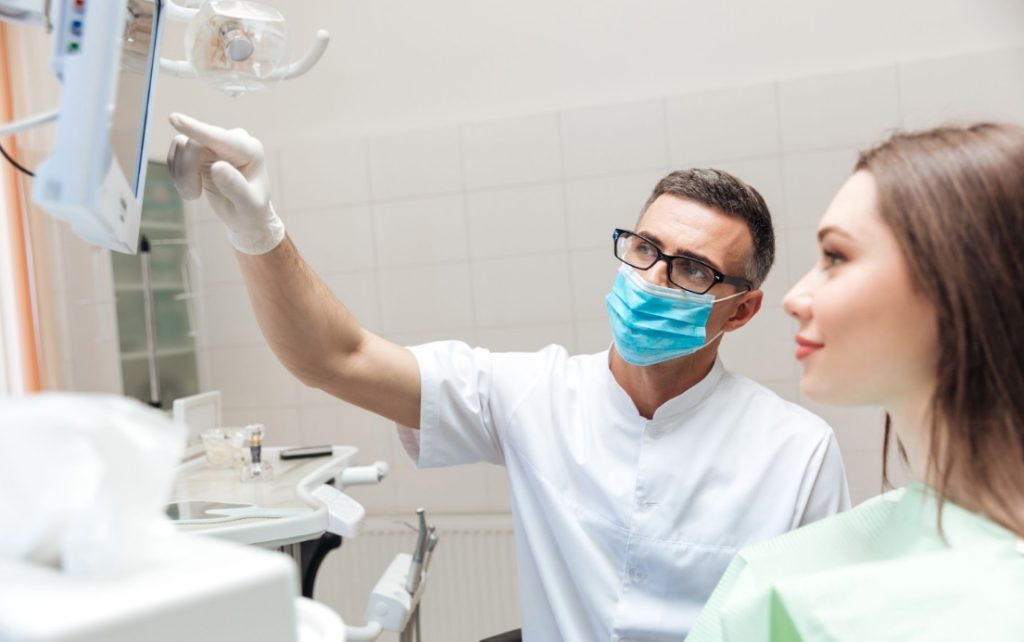

Preventive health measures are always preferable to treating after-the-fact issues, and that holds especially true with your teeth. Regular visits to your dentist will help avoid more significant dental issues later. Sydney boasts some of the world’s best dentists who provide outstanding preventative dental services; here are three primary reasons for regular trips.

Early Detection Of Dental Issues

One of the greatest things you can do is see your doctor often for preventive care since they will find issues before they get worse. Usually, cavities, gum disease, and even oral cancer don’t exhibit any obvious signs until later stages. Regular dental check-ups with your dentist could find them before any discomfort results from them; without early diagnosis they could need expensive treatments and complicated procedures to address.

Regular visits to dentists in Sydney will help to guarantee that minor problems are addressed before they worsen and call for more comprehensive treatments or perhaps tooth extractions.

Prevent Gum Disease

Gum disease, more commonly referred to as periodontal disease, impacts many individuals but can often be avoided with regular dental checkups and preventive maintenance at Sydney dentist offices. Plaque builds up between your teeth and gums causing swelling, bleeding and eventually tooth loss if left alone – however regular professional cleanings at Sydney dental practices will significantly lower your risk.

An expert dentist is better qualified than you are at home to clean your teeth properly and to detect signs of gum infection or pain in your gums. When caught early enough, gum disease can often be resolved through simple procedures like scaling and root planning, but left unchecked, it could lead to tooth damage, bone loss, and even heart disease if left untreated.

Maintain Overall Health

Your oral health can have an enormous effect on overall wellness, even if it goes undetected. Diabetes, heart disease and lung ailments have all been connected with neglecting dental and gum care; gum disease inflammation spreads throughout your body, making other health conditions even worse than before.

Regular preventive dental visits can protect both your teeth and gums as well as being beneficial to overall health. By caring for them regularly, regular preventive dentistry visits help lower your chance for other health complications as well as discovering any early warning signs related to oral health concerns that might otherwise go undetected.

Improve Your Smile And Boost Your Confidence

Often connected with improved general health, a good grin can boost confidence. The secret to maintaining teeth whiter and brighter is getting regular preventative dental care from your dentist, including cleanings, checkups, and fluoride treatments; these visits may also help to avoid issues such plaque buildup, sensitive teeth, and bad breath.

The smile will look its best or get better if you schedule preventative appointments with the dentist. A dentist will provide professional advice on how to maintain it healthy throughout the years; for example, how to modify lifestyle elements to prevent wear-and-tear damage or discoloration of teeth and how to care for teeth at home.

Save Money In The Long Run

Some may postpone visiting their dentist due to financial concerns; but regular preventive care could save money over time. Early diagnosis reduces your need for more costly procedures like root canals, crowns and dentures while getting them cleaned regularly actually costs much less than fixing serious dental problems later down the line.

An investment in long-term savings lies with regular visits to your Sydney dentist for dental maintenance. By taking steps now to protect yourself and avoid painful emergencies at later dates, regular trips could save time and money down the line.

Personalised Oral Health Advice

Sydney dentists provide tailored tips to take the best possible care in maintaining oral health for individuals of different dental needs, like cavities or gum disease – each individual will not get identical preventive treatments based on what works for them – tailoring preventive services accordingly and keeping smiles looking young!

At your dental visit, your provider will take the time to assess your teeth, listen to any concerns and offer suggestions tailored specifically for you. They’ll even advise which toothbrush, floss and mouthwash products would best benefit your oral health needs so you know you have all of the tools in your toolkit to maintain good oral wellbeing.

Conclusion

Regular dental check-ups with a Sydney dentist are vital to both your oral and overall health, including gum disease protection and saving money over the long haul. Routine check-ups allow dentists to detect problems early, protect you against gum disease, improve smile aesthetics and save money long-term; dental care now will pay dividends later! Putting dental health first now will lead to improved future wellness; visit one today, even if just to have your teeth professionally cleaned or receive some tips to enhance them further!

Aging people could need more help to preserve their physical health, mental well-being, and social ties. For families seeking a mix of care, independence, and social involvement for their loved ones, adult day health care is a vital choice. Whether for short-term requirements or long-term care, this strategy lets families control their caregiving duties more efficiently and guarantees their loved ones stay involved and linked. Examining the advantages of adult day health care​ will enable you to decide whether this is the appropriate choice for your loved ones.

Customized Health and Wellness Assistance

They offer particular medical assistance, so guaranteeing that people get the required treatment all during the day. To help with capsule management, physical therapy, and regular monitoring, these centers are staffed with trained healthcare experts, including nurses and social workers. Among the particular services sometimes provided are

  • Regular tracking to guarantee timely and precise dosage of drugs.
  • Therapeutic exercises meant to increase mobility and strength help to preserve independence.
  • Ongoing monitoring of vital signs and control of chronic diseases.
  • Help with meal planning and preparation, hence guaranteeing balanced diets suited to certain health requirements.

This step of focus guarantees that people get the correct treatment and raises a feeling of independence in their age.

Emotional and Social Engagement

For those who are homebound or live alone, social isolation can be a major worry. Group activities, outings, and shared experiences help these centers to promote peer connection. Among the usual social possibilities offered are

  • Group activities: Games meant to promote cognitive development and provide pleasurable experiences, as well as art and music.
  • Planned excursions: Visits to nearby parks, museums, or events to generate fresh experiences and relationships outside the care facility.
  • Chances for people to connect with others in comparable circumstances, hence providing emotional consolation and friendship.
  • Group exercises to enhance mobility, mental health, and general physical fitness while enjoying them with others.

By means of these events, people not only gain the advantages of physical care but also enhance their emotional and social well-being, hence enriching their days.

Family Support

For members, juggling other obligations with caregiving responsibilities can be exhausting. To avoid those kinds of situation and issue, these centers provide much-needed respite, letting caregivers rest confident their loved ones are in safe, loving surroundings. adult day health care providing dependable daytime care, these organizations give peace of mind. While having the freedom to attend to other areas of their lives, they may be certain that their loved ones are getting the attention they require. These facilities also provide tools and counseling to assist in negotiating the difficulties of caring, so guaranteeing that they are well-supported. Having reliable daytime care helps to avoid caregiver burnout and promotes a better household dynamic.

The leg extension machine is a common sight in gyms, specifically targeting the quadriceps. However, it’s also notorious for placing significant stress on the knee joint, particularly the patellofemoral joint. For individuals with knee pain, past injuries, or a desire to protect their knees long-term, leg extensions might not be the best choice. Fortunately, there are several effective bodyweight and resistance band alternatives that can strengthen the quads while minimizing knee strain. These options prioritize proper biomechanics, controlled movements, and a focus on overall leg strength, leading to healthier and more functional quad development.

Bodyweight Wonders: Quad Activation Without Machines

Bodyweight exercises are excellent for building a foundation of quad strength and improving functional fitness. Squats, in their various forms, are a cornerstone movement. Start with bodyweight squats, focusing on maintaining good form: chest up, core engaged, and weight distributed evenly through your feet. Progress to variations like split squats, which challenge balance and target each leg individually. Lunges are another fantastic option, either forward, reverse, or lateral, emphasizing controlled lower and a deep bend in both knees. These exercises engage the quads in a more natural, weight-bearing manner, reducing the isolated stress on the knee joint that leg extensions can create.

Resistance Band Revolution: Adding Intensity Safely

Resistance bands provide a versatile and portable way to add intensity to bodyweight movements. Banded squats, where the band is placed around the thighs, increase the challenge by forcing you to activate your outer hips and quads to maintain proper knee alignment. You can also perform banded step-ups, attaching the band around your ankles, which further engages the quads as you lift your leg. Resistance bands provide a scalable method to increase the difficulty, allowing you to progressively overload your quads while controlling the range of motion and stress on your knees. Going for the workout plans for men would be essential here.

Isometric Holds: Strengthening Without Movement

Isometric exercises involve holding a position without any movement. This can be highly effective for building strength and improving stability. A wall sit is a classic example: leaning against a wall with your knees bent at a 90-degree angle and holding the position for a specified duration. Isometric holds strengthen the quads and surrounding muscles without putting the knee through a full range of motion, making them ideal for individuals with knee pain or those recovering from injuries. You can also incorporate isometric holds into other bodyweight movements, such as holding the bottom position of a squat or lunge.

Prioritizing Form and Progression: The Key to Knee-Friendly Quad Strength

Regardless of the exercise you choose, proper form is paramount. Focus on controlled movements, engaging your core, and maintaining good posture. Start with a lower number of repetitions and gradually increase as your strength improves. Listen to your body and avoid pushing through any pain in your knees. By prioritizing form, controlled progression, and choosing knee-friendly alternatives, you can effectively strengthen your quads while promoting long-term knee health and function. Remember to consult with a healthcare professional if you have any specific knee concerns or injuries.