Archive

September 2025

Browsing

Missing a tooth makes smiling embarrassing, and it may seem impossible to get another replacement as an adult. Marvin Taylor DDS has a team of specialized dentists who can address your dental needs and offer several treatments. One treatment may be a dental implant surgery to replace your missing tooth. The implants naturally fuse with your jawbone so they will not fall off. You can choose the removable implant if you want a temporary implant.

Evaluation

Before your surgery begins, your doctor will do a comprehensive exam that includes imaging tests, such as X-rays, to check your teeth and jaws. You may also need a detailed medical history of your health and medications. You may need prescriptions before surgery to prevent infections. Your doctor will formulate an individualized treatment plan depending on your jaw and teeth. For safe and effective treatment, professional dental care in Canton Township, MI ensures personalized solutions that protect both your oral and overall health.

Surgery to Place the Dental Implant

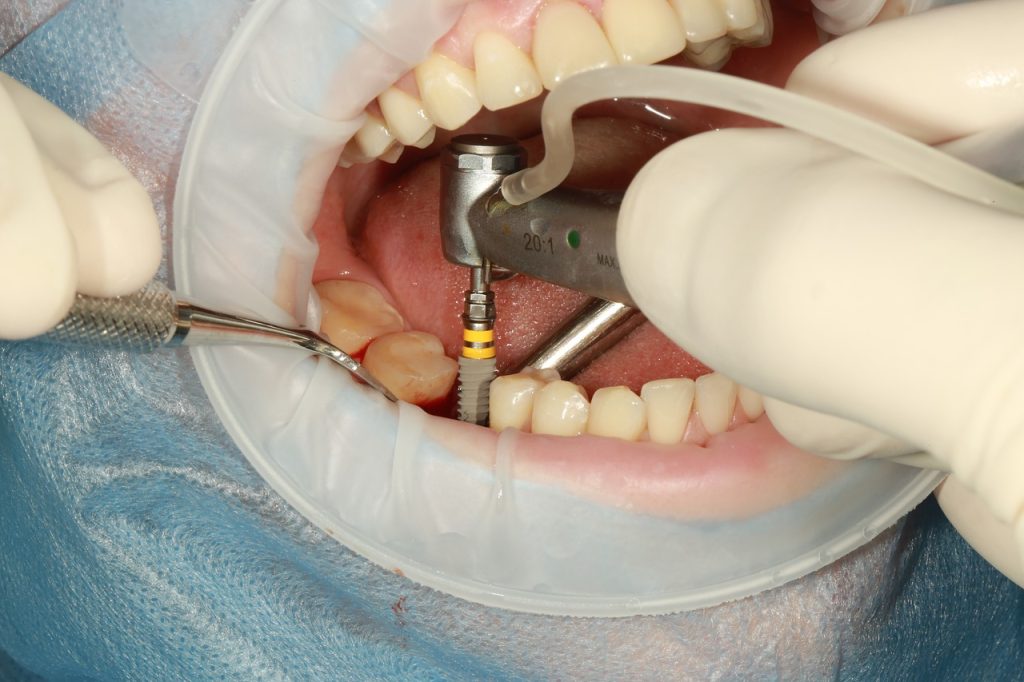
You will need a cut to open up your gums, thus exposing your bone, and then drill a hole into the bone. The hole provides a surface where your doctor will place the implant post, to work as the tooth root. You will have a gap where your surgeon will fix a temporary denture. You may remove the temporary denture during cleaning and when you go to sleep.

Bone Growth

After the placement procedure, bone growth begins. Your jawbone will reunite with the surface of the metal post to create s solid foundation for the new tooth. The process may require several months before completion.

Placing an Abutment

After bone growth, your doctor may perform another surgery to place the piece where your crown will attach. You will need local anesthesia during this procedure. Your surgeon will reopen your gums, then attach the abutment to your dental implant. Afterward, the doctor will close your gum tissues around the abutment. Your doctor will request you let your gums heal for two weeks before attaching your artificial tooth.

Choosing Your Artificial Teeth

After healing your gums, your surgeon will make impressions of your remaining teeth and use them to make a crown that resembles your artificial tooth. Your surgeon will confirm if your jawbone has enough strength to support your artificial tooth. There are removable and fixed artificial teeth that you can seek your doctor’s help to choose. You can remove a fixed dental implant during cleaning and repair. On the other hand, a fixed dental implant stays, and you cannot remove them at any time.

What are the Results after the Surgery?

After surgery, you may develop mild side effects such as swelling, bruising, pain, and bleeding. Your doctor will prescribe antibiotics and pain medications to eliminate the side effects. Most dental surgeries are successful, but you must avoid activities like smoking, which can lead to implant complications.

You can decide to get dental implants at Dr. Taylor’s Family Dental Center. You will get dentists offering you consultations and guidelines on how the procedure will go. You can enjoy various dental care services at the facility to restore your missing tooth. You can book your appointment on the website.

For many patients suffering from TMJ disorders, the condition keeps coming and going, which might be hectic to comprehend when it’s mild or severe. However, severe cases of TMJ flare-ups can affect your aspect of life and may leave you groaning in pain for days. Luckily, with Gaithersburg TMJ treatments, you have assured recovery from this deadly condition within a few appointments.

Although some people opt for home remedies to relieve mild symptoms, this only worsens their conditions since the issue is not solved from the root cause. For this reason, it’s crucial that you know all the details about TMJ disorders and why treatments are the best options to stabilize your state. A skilled dentist in Kamloops, BC can properly diagnose TMJ issues and provide effective treatment plans to relieve discomfort and protect your oral health.

Understanding TMJ disorders

The temporomandibular joint (TMJ) is the hinge in front of your ears and is responsible for opening and closing your jaws. This is one of the most complex joints in your body as it involves muscles, joints, and ligaments in its functionality. Additionally, TMJ disorders are one of the primary causes of discomfort and pain that affect many Americans. You may suffer a TMJ disorder if you’re experiencing swelling, stiffness, popping, or persistent pain. However, a medical evaluation is necessary anytime you experience discomfort in your TMJ joint. Here are the top five things that could flare up TMJ.

1. Stress

The truth remains that stress does no good to your overall health. When you are experiencing stressful situations, you are more likely to suffer TMJ problems. When stressed, muscle tension increases, especially on your head, shoulders, and neck, leading to severe joint swelling. Furthermore, stress comes in handy with grinding your teeth and sleeplessness, which can also worsen your condition.

2. Supersizing your jaws

If You exaggerate jaw movements, especially when eating hard food, yelling, or singing increases your risk of TMJ disorders. Also, opening your mouth wide when biting snacks like burgers can strain the TMJ joint, leaving you in pain. To guarantee your safety, ensure you don’t engage in activities that stretch out your jaws; if you must, do it carefully.

3. Poor posture

Believe it or not, your posture doesn’t only affect your lower back but also causes TMJ pain. If you are fond of sitting for long hours, this can lead to a misaligned spine, resulting in protruding jaws that affect your TMJ. So, you should listen to your doctors and sit upright or take breaks to relax your spine.

4. Arthritis-related TMJ damage

You, too, could be wondering how arthritis can develop in your jaws. However, if you suffer from osteoarthritis, rheumatoid arthritis, and Psoriatic arthritis, chances are high that your TMJ disorder may worsen. Therefore, seeking arthritis treatments is essential to stay on the safer side.

5. Hormonal changes

Sudden shifts in your hormonal levels can result in severe joint inflammation. The case is no different with your jaw since inflammation can cause swelling in that area. This is common in women who experience hormonal changes during pregnancy and menstrual periods.

TMJ disorders can affect your quality of life, especially if symptoms are severe. Therefore, you must seek medical attention when the signs are mild to help stabilize your situation beforehand. Furthermore, some of its causes are natural and might affect you without your knowledge. Constantly get TMJ checkups to help seek early treatments in case of any arising disorders.

Have you had throbbing tooth pain, which affected your mood for the whole day? Teeth pain may result from decay, chipping, and tooth cracks. Although you may treat minor issues like cavities, sometimes you might need tooth Monroe extractions. Your dentist will not recommend extraction as the first solution for your teeth issues, but you will sometimes need the extraction. For instance, you will extract teeth if your teeth break during a traumatic accident. Thus you should not disagree with extracting your teeth if your dentist thinks it will improve your health, as teeth extractions lead to these health benefits.

Tooth Extraction Alleviates Impaction

Impacted molars lead to chronic pain as the molar teeth push against the rest of the teeth on the arch. Sometimes the molar might partially emerge from the gum. Other times it could be lying horizontally on the arch, thus leading to swelling and inflammation at the back of the mouth. The molars might grow in the teenage years or during early adulthood. Thus, if your teeth were straight, they could become crooked due to the pressure from the impacted molars. Impacted teeth can also accumulate bacteria, leading to cavities. In such cases, your Edmonton general dentist may recommend extracting the molars to reduce swelling, pain, gum bleeding, and teeth misalignment.

Tooth Decay

You can treat tooth decay in the early stages using dental filling and crowns, but extreme decay might result in tooth extraction. Therefore, you should inspect your teeth frequently to ensure they don’t have black or brown coating, which in most cases indicates decay. Extreme decay eats up the enamel exposing the roots and nerves, leading to infections that cause extreme pain. Although you may opt for root canal treatment, extreme decay might lead to tooth extraction.

Periodontitis

Gum disease might not seem like a major issue as it leads to redness of the gums, slight swelling, and occasional bleeding. However, if you don’t treat gum disease, it progresses to periodontitis which causes pockets between the gums and the teeth. Periodontitis might result in bacterial growth and tooth weakness. The infection may impact the root canal leading to extreme pain. Thus you should opt for teeth extraction to deal with periodontitis and replace the lost teeth with implants to avoid bone loss in the jaws.

Overcrowding

Tooth impaction causes crowding and crookedness of the otherwise straight teeth leading to several oral problems. Thus, you can alleviate the overcrowding by removing the molars at the back of the mouth to reduce overcrowding. After removing the molars, you can opt for braces to straighten the crowded teeth.

Trauma

Although you should see a dentist soon after an accident, sometimes the accident might cause bleeding and tooth weakness. Thus you might need dental extract if the accident wreaks havoc on your healthy teeth.

Sometimes you refuse to undergo dental extraction, but it is better to heed a dentist’s advice. Tooth extraction ensures the teeth on the arch remain healthy by preventing bacterial growth, overcrowding, and the spread of periodontitis. Thus, you would remove teeth that are extremely decayed, overcrowded, or injured if you develop periodontitis. Fortunately, you can opt for dentures and dental impacts after removing the teeth and maintaining proper oral hygiene to keep the other teeth healthy.

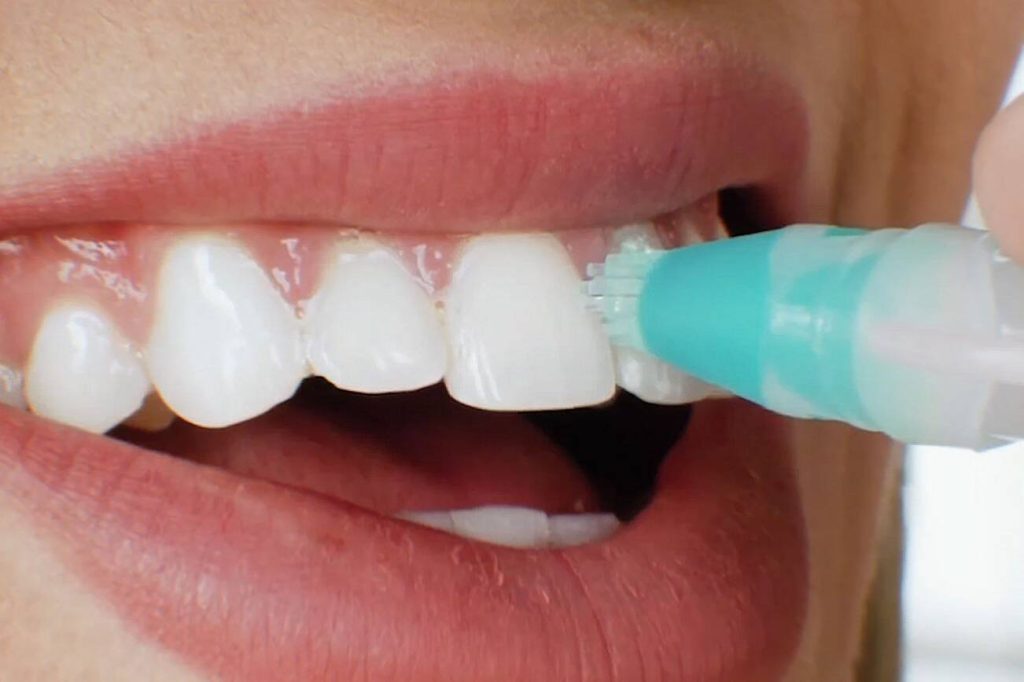
Achieving a brighter smile has never been easier; there is a wide range of whitening or bleaching products that you can use to brighten your smile. At-home systems like rinses, toothpaste, and gels can help whiten your teeth, but they are often less effective than professional teeth whitening. Consider in-office teeth whitening Emerson for faster and optimal results; this system uses a much stronger bleaching solution than home kits. But if you decide to whiten your teeth at home, talk to your dentist, especially if you have sensitive teeth, dental restorations, dark stains, and lots of filings. Below are some of the whiteners that your dentist may recommend.

Whitening rinses

Whitening rinses are among the newest whitening products available and like most mouthwashes, they freshen your breath and reduce dental plaque and your risk of gum disease. However, unlike your regular mouthwash, whitening rinses contain additional ingredients like hydrogen peroxide, which whitens teeth. Before brushing your teeth, you swish the rinse in your mouth for one minute. Manufacturers say that it may take at least 12 weeks for you to notice some change. For faster and more reliable results, a professional dentist in Southside Place, TX can provide advanced whitening treatments tailored to your needs.

However, rinses may not be as effective as other over-the-counter whitening products since it is only in contact with the teeth for a short time. As mentioned above, you swish the rinse in your mouth for only two minutes; this limited time makes the product less effective. Some people rinse first and then brush their teeth with whitening toothpaste to increase the effectiveness of the mouthwash.

Tray-based teeth whiteners

You can purchase tray-based tooth whitening systems from a dentist or over the counter. This system comprises a mouth guard-like tray and whitening gel with a peroxide-bleaching agent. You wear the tray for a couple of hours a day and at night for at least four weeks. You may need to use the trays for longer, depending on the degree of discoloration and desired level of whitening. Tray-based tooth whitening systems are usually available in most pharmacies or drugstores.

Whitening toothpaste

All toothpaste contains mild abrasives and may therefore remove surface-level stains. But whitening toothpaste has gentle polishing or chemical agents that provide additional stain removal effectiveness. They do not contain bleach and can whiten your natural tooth color by about one shade. On the other hand, prescription strength whitening performed by your dentist can make your teeth three to eight shades whiter.

When whitening teeth at home, it is vital to follow the instructions to avoid undesirable side effects. For example, you should not leave strips or gels on longer than the directions recommend. Doing so sets you up for problems like sore gums. Also, you want to avoid acidic beverages like soda and sports drinks for a couple of hours after using whitening products.

Teeth bleaching can make your teeth temporarily sensitive; the procedure can also be uncomfortable or painful for sensitive teeth. Also, teeth whitening works best for people with yellow stains and is less effective for brown teeth. For these reasons, it is worth your time and money to consult your dentist before using an over-the-counter whitening kit.

You have no reason to walk around with stained teeth. Request an appointment with your dentist at Emerson Dental Arts for teeth whitening to improve the integrity of your smile.