Archive

2025

Browsing

Recovering from addiction is a tough journey. It needs healing for your mind, body, and emotions. Apart from therapy and medicines, spirituality can play an important role in recovery. A rehabilitation centre in Delhi provides a structured environment where spirituality gives hope, peace, and strength to help people overcome addiction and live better lives.

What Is Spirituality in Recovery?

Spirituality doesn’t always mean following a religion. It is more about finding meaning and purpose in life. It can be about connecting with God, nature, or understanding yourself better. Spirituality helps you feel hope, gratitude, and inner peace.

Key Parts of Spirituality:

  • Connection: Feeling a bond with others or something bigger than yourself.
  • Mindfulness: Being aware of your thoughts and feelings without judgment.
  • Forgiveness: Letting go of guilt and bad feelings.
  • Purpose: Finding a reason to live a happy and meaningful life.

Why Is Spirituality Important in Recovery?

1. Builds Inner Strength

Addiction can make people feel weak and helpless. Spirituality helps bring back confidence and strength. It encourages people to believe in themselves or in a higher power.

2. Heals Emotions

Addiction brings feelings like guilt, shame, and regret. Spirituality teaches people to forgive themselves and accept who they are. Practices like prayer or writing in a journal can help manage these feelings.

3. Prevents Relapse

Spirituality gives tools to deal with stress and triggers. Practices like mindfulness or prayer help people stay calm when they feel weak or tempted.

4. Brings a Sense of Purpose

Many people with addiction feel lost. Spirituality helps them find meaning in life, whether through helping others, building relationships, or learning new skills.

5. Builds Community Support

Being part of a spiritual group makes people feel they belong. This support helps them stay strong during tough times.

Spiritual Practices That Can Help

There are many simple ways to bring spirituality into your recovery. Here are a few:

1. Mindfulness and Meditation

Mindfulness is about focusing on the present moment. It helps people stay calm and manage stress better.

2. Prayer

Praying can give comfort and hope. It is a way to talk about your worries and ask for strength.

3. Yoga

Yoga combines exercises, breathing, and meditation. It helps people relax and feel more connected to their bodies.

4. Gratitude Journaling

Writing down things you’re thankful for can make you feel positive. It reminds you of the good things in life.

5. Helping Others

Helping people in need makes you feel good and useful. It also helps you feel connected to your community.

6. Spending Time in Nature

Walking in a park or sitting by a lake can help you feel calm and connected to something bigger than yourself.

Faith-Based Recovery Programs

Programs like Alcoholics Anonymous (AA) and Narcotics Anonymous (NA) use spirituality to help people recover. These programs teach people to trust a higher power and follow steps to heal.

Why These Programs Work:

  • They give a safe space to share and grow.
  • They teach you to take responsibility for your actions.
  • They encourage helping others, which strengthens your own recovery.

These programs are open to everyone, even if they don’t follow a specific religion.

Spirituality vs. Religion

Spirituality and religion are different. Religion often involves following a specific set of rules or worshiping in a certain way. Spirituality, on the other hand, is more personal. It’s about what gives you peace and meaning in life.

How They Help in Recovery:

  • Both give a sense of hope and belonging.
  • Both teach kindness, forgiveness, and gratitude.
  • Both help you deal with challenges in healthier ways.

Science Behind Spirituality in Recovery

Research shows that spirituality helps people recover from addiction. Studies found that those who practice spirituality are less likely to relapse and have better mental health.

Some Key Findings:

  • Spirituality lowers stress and improves emotional well-being.
  • People in spiritual recovery programs stay sober longer.
  • Practices like mindfulness and prayer improve focus and calmness.

Common Worries About Spirituality

Some people might hesitate to try spirituality during recovery. Here’s how to handle those feelings:

“I’m Not Religious.”

That’s okay. Spirituality doesn’t have to involve religion. It can be about connecting with yourself, nature, or even your values.

“I Don’t Know How to Start.”

Start small. Try simple things like deep breathing, keeping a gratitude journal, or spending time outdoors.

“I Feel Awkward.”

It’s normal to feel unsure at first. Take your time and explore what feels right for you.

How Spirituality Can Change Lives

Spirituality doesn’t just help with recovery—it can improve your entire life. It helps you feel stronger, happier, and more connected. It teaches you to deal with problems in a healthier way and focus on the good things in life.

Embrace Spirituality in Recovery

Recovering from addiction is not easy, but spirituality can make it more manageable. It gives hope, strength, and purpose to help you heal. A rehabilitation centre in Noida can support your journey by incorporating spiritual practices like prayer, meditation, or spending time in nature. These practices can guide you toward a better and healthier life. Start small and take it one step at a time. With spirituality and the right support, you can find the strength to overcome addiction and live a life filled with peace and happiness.
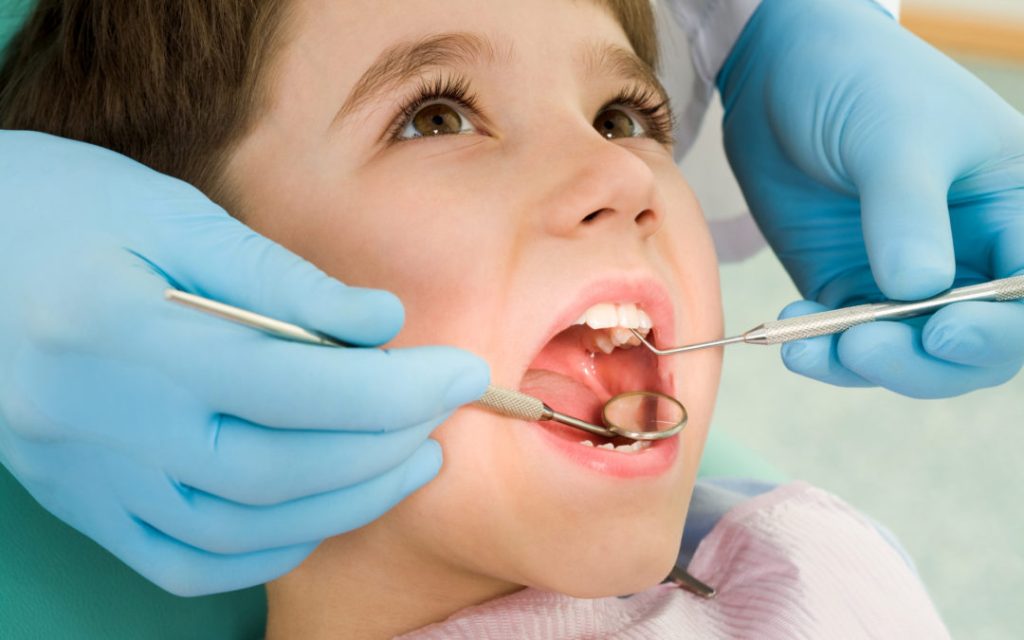
Family and cosmetic dentistry go hand in hand to ensure healthy and beautiful smiles. At a dental office in Whitby, we focus on providing comprehensive care tailored to each individual’s needs. Our approach combines routine check-ups, professional cleanings, and cosmetic enhancements. This integration helps maintain oral health while enhancing the aesthetics of your smile. By focusing on a mix of treatments, we address both functional and aesthetic concerns. Services often include teeth whitening, veneers, and orthodontics. Preventive care and restorative techniques keep your mouth healthy and your smile vibrant. The benefits of this comprehensive approach are clear: fewer dental problems, improved self-esteem, and a more confident appearance. Historical examples show that people have long valued beautiful smiles. Ancient cultures used rudimentary tools to clean and enhance teeth. Today, modern dentistry provides advanced methods to achieve these timeless goals. Understanding the synergy between health and beauty leads to lasting results.

The Role of Family Dentistry

Family dentistry ensures the oral health of every family member. From young children to older adults, comprehensive care covers each stage of life. Regular check-ups help catch issues early. Cleanings remove plaque that home brushing can’t. This routine care lowers the risk of cavities and gum disease. Family dentists also educate about good habits. Brushing twice a day and flossing daily makes a big difference. Fluoride treatments and sealants offer extra protection for kids.

Cosmetic Dentistry Enhancements

Cosmetic dentistry focuses on the appearance of your teeth. Whitening treatments remove stains and brighten smiles. Veneers cover imperfections like chips or gaps. Orthodontics, like braces or aligners, straighten teeth. Each of these services enhances your smile’s look. But they also improve function. Straight teeth make it easier to clean and chew. Veneers can protect damaged enamel. Combining cosmetic and family dentistry gives the best of both worlds. You get a smile that looks great and stays healthy.

Benefits of Comprehensive Care

This combined approach has many advantages:

  • Prevention: Routine care catches problems early.
  • Functionality: Treatments improve how teeth work.
  • Appearance: Cosmetic options enhance your smile.

Each aspect supports the other. For example, addressing cavities prevents future cosmetic issues. Straightening teeth helps with cleaning, and reducing decay. The end result is a confident, happy smile.

Comparing Services: What to Expect

Understanding the differences between family and cosmetic dentistry helps in choosing the right care. Here’s a simple comparison:

Service Type Focus Examples
Family Dentistry Health Cleanings, Check-ups, Fluoride Treatments
Cosmetic Dentistry Appearance Whitening, Veneers, Aligners

Both types of dentistry aim for a healthy, attractive smile. Choosing a provider who offers both ensures you get comprehensive care.

The Importance of Dental Hygiene

Good dental hygiene practices enhance both family and cosmetic dentistry. Brushing and flossing keep teeth clean and gums healthy. Regular dental visits for professional cleaning remove plaque and tartar. According to the Centers for Disease Control and Prevention, good habits reduce the risk of cavities and gum disease. They also make cosmetic treatments last longer. Whitening is more effective on clean teeth. Veneers stay in place better when gums are healthy.

Choosing the Right Dental Office

Finding the right dental office matters. Look for a place with experienced professionals who offer both family and cosmetic services. Consider the range of services available. Check if the office uses modern technology for procedures. The American Dental Association suggests asking about the training and certifications of staff. A friendly, welcoming atmosphere makes visits more pleasant. A good dental office prioritizes patient comfort and communication.

Conclusion

Family and cosmetic dentistry provide the foundation for healthy, beautiful smiles. Combining these services offers comprehensive care that addresses both health and appearance. Routine check-ups and cosmetic treatments work together for lasting results. With the right dental office, you can enjoy a lifetime of happy, confident smiles. Embrace the synergy between family and cosmetic dentistry to achieve the best oral health and an enviable smile.

Preventive care in family dentistry is crucial for maintaining lifelong oral health. It involves regular check-ups and cleanings, which help catch potential problems early. This proactive approach is more effective in preventing tooth decay, gum disease, and other dental issues. A Wylie, TX dentist emphasizes the importance of preventive care to save time, money, and discomfort in the long run. Preventive dental visits are not just for children. Adults benefit significantly as well. By keeping teeth and gums healthy, we lower the risk of more serious conditions like oral cancer. Good preventive care includes three main components: professional cleanings, regular exams, and education on proper oral hygiene. During dental visits, dentists can provide personalized advice tailored to individual needs. This way, families can maintain optimum dental health. With routine care, everyone can enjoy a healthier smile and a better quality of life without facing unnecessary dental problems.

Understanding Preventive Care

Preventive care is the foundation of good dental health. It involves simple practices that stop problems before they start. Regular dental visits play a key role in this process. They help identify issues such as cavities or gum disease early, making treatment easier and more effective. This early detection can prevent the need for more complex and costly procedures later on.

Key Components of Preventive Care

Preventive care consists of three main elements:

  • Professional Cleanings: Dental hygienists remove plaque and tartar that regular brushing misses. This helps prevent cavities and gum disease.
  • Regular Exams: Dentists check for signs of decay, disease, and other issues. They also often screen for oral cancer.
  • Education: Dentists offer advice on effective brushing and flossing techniques. They can suggest dietary changes to support oral health.

Benefits for Children and Adults

Both children and adults gain from preventive care. For children, regular dental visits ensure proper growth and development of teeth and jaws. Dentists can apply sealants to protect young teeth from decay. For adults, consistent care helps maintain dental health and detect conditions like oral cancer early. According to a study by the Centers for Disease Control and Prevention, regular dental visits are linked to better oral health outcomes across all age groups.

Comparative Look at Preventive vs. Reactive Care

Understanding the difference between preventive and reactive care helps highlight the value of the former. In preventive care, the focus is on maintaining health to avoid issues. Reactive care, on the other hand, addresses problems after they arise. This distinction is crucial in terms of both cost and health outcomes.

Preventive Care Reactive Care
Focus Maintenance and prevention Treatment of existing issues
Cost Generally lower and more predictable Higher due to complex procedures
Outcome Better long-term oral health Resolution of current problems

The Role of Diet and Lifestyle

Diet and lifestyle choices significantly impact oral health. Eating a balanced diet rich in vitamins and minerals supports healthy teeth and gums. Limiting sugary and acidic foods reduces the risk of tooth decay. A healthy lifestyle that includes not smoking and limiting alcohol can prevent oral health problems. Regular exercise and stress management also contribute positively.

Conclusion

Preventive care is a wise investment in one’s health. It builds a strong foundation for lifelong oral health. By focusing on regular check-ups, cleanings, and proper hygiene practices, families can reduce the chances of dental issues. The benefits span generations, ensuring healthy smiles for every family member. Remember, taking small steps today can lead to significant health benefits tomorrow. For more information on the importance of preventive care, you can visit the National Institute of Dental and Craniofacial Research.

Pets are not immune to dental problems that affect not only their health but also their well-being, just like humans. As pet owners in Fair Oaks, CA, we are an exceptionally dedicated breed when it comes to our pets, so we need to educate ourselves on the importance of dental health for your pet. Routine dental care prevents all of these health issues, allowing your pet to live a longer, happier, and healthier life. In this article, we will discuss why dental care is important for your pet, common dental problems they may encounter, tips to maintain dental hygiene in your pet, and when it is necessary to reach out to Fair Oaks veterinarian.

Why Dental Care for Pets is Important

Pet dental care, however, is often a neglected subject, even though a pet’s dental health can contribute to its overall health condition. Lack of dental hygiene can result in painful oral diseases, tooth loss, or other serious health problems.

  • Avoiding Pain and Discomfort: Plaque buildup on the teeth is common in pets (particularly dogs and cats) and can lead first to gingivitis (which is inflammation of the gums) and then eventually to periodontitis (severe gum disease). If ignored, these can be quite painful to your pet and impact their ability to eat, chew, and even play.
  • Protecting Overall Health: Besides dental pain, untreated dental diseases can have consequences on other aspects of your pet’s health. When dental bacteria travel through the bloodstream, it can lead to problems with vital organs like the heart, liver, and kidneys. Hence, taking care of your pet’s dental hygiene becomes integral to their lifespan.
  • Improved Quality of Life: An oral healthy pet is a more comfortable one, who eats easier and leads a higher quality life.” Oral hygiene reduces the chances of having bad breath, tooth loss, infections, and other problems which gives you a healthier and more contented pet.

Frequently Encountered Dental Complications among Pets

Pets can have all the dental issues humans face. Knowing about these issues is the first step in knowing how to prevent and treat them properly.

  • Tartar and Plaque Buildup: Plaque is a sticky film of bacteria that coats the surface of your pet’s teeth. If plaque isn’t removed through regular brushing, it hardens and becomes tartar. Tartar build-up can lead to more than just gum disease; it can also inflict extreme pain on pets who may suffer from swollen, bleeding gums and experience tooth loss.
  • Gingivitis: Gingivitis is the preliminary stage of gum disease wherein the gums become inflamed, red, and bleed. It happens when plaque and tartar irritate the gums. Gingivitis is usually reversible with proper oral hygiene, but it can progress to periodontitis if left untreated.
  • Periodontitis: Periodontitis is a more serious gum disease that happens if gingivitis is left untreated. This means the tissues supporting the teeth with bones are destroyed. Pets with periodontitis frequently have loose teeth, halitosis, pain, and trouble eating. At this stage of dental disease, you may need to remove or have it done professionally.
  • Tooth Fractures: Accidental fractures are common in pets that chew on hard items, such as bones and hard toys. A cracked tooth can be exceedingly painful and require treatment.

And though dental care is a critical part of your pet’s overall health, it’s often left behind. Recognizing the need for dental care, knowing the range of dental diseases that can affect pets, and building a regimen of brushing, dental treats, and veterinary check-ups for dental care can help assure your pet has a long and comfortable life ahead with a happy smile.

The best way to prevent dental disease & other related health problems is to work closely with your veterinarian to develop a personalized dental care plan for your pet.