
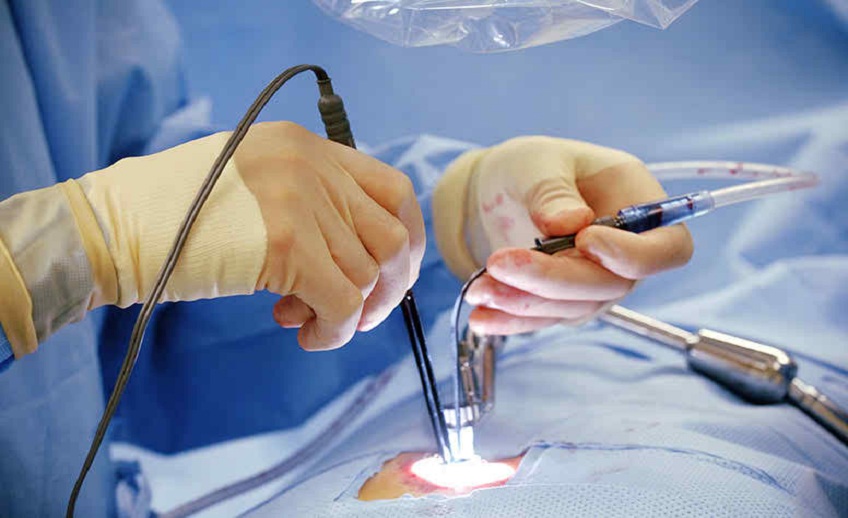
If not managed effectively, spinal fractures can disrupt stability, compress nerves and create long-term complications. While bracing and cement-based procedures address many fractures, some patients require surgical fusion to restore strength and alignment. In recent years, minimally invasive spinal fusion has emerged as an important option. Dr. Larry Davidson, a board-certified neurosurgeon, with fellowship training in complex spinal surgery, has highlighted how smaller incisions and advanced instrumentation have allowed fusion to be performed with less disruption, offering patients an alternative that balances effectiveness with faster recovery.
The growth of minimally invasive spinal fusion mirrors a broader shift in fracture care, aiming to achieve strong corrections, while minimizing surgical trauma. By using precise instrumentation, advanced imaging and careful planning, surgeons can stabilize fractures, without the long recovery periods typically linked to traditional open procedures.
Understanding Spinal Fusion in Fracture Care
Spinal fusion creates a solid connection between two or more vertebrae, eliminating motion at the injured level and providing lasting stability. In fracture care, fusion is often recommended when the spine is unstable, deformity has developed or nerve structures are at risk.
Traditional open fusion involves large incisions, significant muscle dissection and longer recovery times. Minimally invasive techniques aim to achieve the same outcomes with smaller incisions, less blood loss and reduced tissue damage. For patients with fractures, these benefits can be especially meaningful, as recovery is already challenged by pain and immobility.
Techniques in Minimally Invasive Fusion
Several techniques define minimally invasive spinal fusion. Tubular retractors create narrow corridors to the spine, spreading, rather than cutting, muscle. Percutaneous pedicle screw systems allow hardware to be placed through small skin incisions with the aid of fluoroscopy or navigation. Interbody fusion cages can also be inserted through minimally invasive approaches, supporting both alignment and fusion. These methods reduce collateral damage, while providing the stability needed to correct fractures. Advanced imaging supports precise hardware placement, which is especially important in fragile or complex anatomy.
Benefits for Patients
The advantages of minimally invasive fusion in fracture care are evident. Smaller incisions help reduce postoperative pain and infection risk. Minimizing muscle disruption promotes quicker mobilization, and lower blood loss decreases the need for transfusions. Hospital stays tend to be shorter, allowing patients to start rehabilitation sooner.
Dr. Larry Davidson explains, “Combining advanced robotic tools with surgical expertise elevates patient care, by making procedures safer and recovery more manageable.” This perspective emphasizes how technology and minimally invasive methods together reduce trauma, shorten recovery and deliver results that directly improve patients’ quality of life.
These advantages translate into quicker returns to independence and daily activities. It is particularly important for older adults or patients with comorbidities, who may struggle with prolonged recoveries after traditional surgery. These benefits do not compromise stability. With proper planning, minimally invasive techniques provide the same long-term outcomes as open fusion, while reducing immediate burdens on the patient.
Risks and Limitations
Despite its advantages, minimally invasive fusion is not without risks. Smaller working corridors limit visualization, making technical expertise essential. Misplacement of screws or cages can occur, without careful imaging and navigation.
Fusion success also depends on bone quality. In patients with osteoporosis, weakened bone may reduce fixation strength, requiring supplemental strategies, such as cement augmentation. The learning curve for minimally invasive techniques is another factor, underscoring the need for specialized training and mentorship. Not every fracture requires fusion, and not every patient is a candidate for minimally invasive methods. Careful evaluation helps reduce risks and enhance benefits.
Fusion in Compression and Burst Fractures
Minimally invasive fusion is especially valuable in unstable compression and burst fractures. These injuries often disrupt vertebral alignment and require stabilization to protect the spinal cord. By using percutaneous screws and rods, surgeons can restore alignment with less surgical trauma than open fusion. In some cases, fusion is combined with decompression to relieve pressure on the spinal cord or nerves. Minimally invasive techniques allow this to be achieved through targeted corridors, rather than wide exposures.
Rehabilitation After Minimally Invasive Fusion
Recovery after minimally invasive fusion focuses on mobilization, pain control and muscle strengthening. Patients are often encouraged to begin walking soon after surgery, with structured physical therapy supporting the return to independence.
Because soft tissue disruption is limited, rehabilitation can progress more quickly than with open procedures. Patients may regain function faster, though long-term success still depends on achieving solid fusion. Rehabilitation remains central to outcomes. Surgery provides stability, but therapy restores strength and mobility that make corrections meaningful in daily life.
Athletes and Active Adults
Athletes and active adults benefit significantly from minimally invasive fusion. By reducing downtime and preserving muscle integrity, these techniques allow for a safer return to training and activity. Fusion restores spinal stability, while careful rehabilitation supports performance goals. For athletes, preserving flexibility and strength is as important as achieving correction. Minimally invasive methods reduce collateral damage, giving them a better chance of regaining pre-injury levels of activity.
Advances Driving the Trend
Technological advances continue to expand the role of minimally invasive fusion. Navigation and robotics improve precision, reducing risks of hardware misplacement. Biologics, such as bone morphogenetic proteins, support stronger fusion, particularly in patients with poor bone quality. As these tools become more widespread, minimally invasive fusion is likely to become the preferred option in many fracture cases. By combining safety, effectiveness and reduced recovery times, it represents a significant step forward in fracture care.
Patients as Partners in Decision-Making
Patient education is essential when considering fusion. Understanding the goals, risks and recovery expectations helps patients make informed choices. Some may prefer less invasive procedures, such as vertebroplasty, while others require the stability that only fusion provides.
The rise of minimally invasive spinal fusion represents a shift toward safer, more patient-friendly fracture care. As techniques, imaging and biologics improve, the benefits will expand further, offering patients stronger outcomes, with less disruption. The challenge for surgeons lies in mastering these methods and applying them appropriately. The future promises care that restores stability, while reducing the burdens of recovery.
Minimally invasive spinal fusion has become an important tool in fracture care, providing stability through smaller incisions, advanced instrumentation and precise planning. It reduces pain, speeds recovery and offers outcomes comparable to open surgery in many cases. The experience reflects the promise of this approach. It demonstrates that fusion for fractures can be both effective and patient-centered, balancing technical success with recovery goals, that matter most to patients.

Comments are closed.