Category

Addiction Treatment

Category

Key Takeaways

Adderall is often prescribed for ADHD, but these days, it’s being misused more frequently, driven by pressures to excel in academics and professions.

Much of the misuse can be traced back to easy access to prescriptions and peer influences, both of which can lead to serious health problems down the line.

Dependency on Adderall can creep up gradually, making it hard for users to see when their medication shifts from a helpful tool to a crutch.

Indicators of Adderall dependency include needing larger doses for the same effects, feeling withdrawal symptoms, and attributing focus problems to external stresses.

Medical detox is essential for recovering from Adderall addiction, providing personalized supervision that helps manage withdrawal symptoms safely.

Luxury rehab centers often provide customized care, innovative therapies, and better staff-to-client ratios, making a strong case for some in terms of improved recovery results compared to traditional facilities.

Deciding between luxury and traditional rehab involves weighing the quality of care and the potential for a more personalized treatment journey.

Why Adderall Addiction Is More Common Than You Think

Many folks see Adderall as a miracle solution for focus. But there’s a catch: it can also trap you. Originally aimed at treating ADHD, Adderall helps individuals improve concentration and manage impulsivity. Surprisingly though, misuse of this stimulant has shot up recently. Societal pressure for academic or career success plays a significant role in this troubling trend.

The Surprising Triggers Behind Misuse

Often, the reasons for Addderall misuse are overlooked. Pressure from work or school creates a sense of urgency. Some turn to it for last-minute cramming, while others believe it will ramp up their productivity. It’s a slippery slope. Plus, access is just too easy. Many end up with leftover prescriptions or can readily obtain them from friends. It’s this laid-back attitude that leads to unintended consequences.

  • High academic pressure.
  • Easy access through prescriptions.
  • Peer influences and societal expectations.

While these factors set the stage for addiction, it’s crucial to understand that it’s not just a random occurrence. The rise of Adderall abuse is a real health crisis, sneaking into the lives of many unsuspecting people, often masquerading as a productivity booster.

The Fine Line Between Use and Abuse

Most people don’t even catch on until it’s far too late. That’s the tricky thing about dependency. When a prescribed medication starts to feel like your only means of functioning, it’s a red flag. The signs aren’t always in your face either. Small doses can spiral quickly. What starts as harmless use can spiral out of control, leading to severe mental or physical issues.

  • What was once helpful transforms into a crutch.
  • Self-medication expands into bigger problems.
  • Personal and social lives may take a hit.

So, when did that initial pill shift from being a tool to something you can’t live without? Everyone needs to think about this. The pattern of addiction isn’t always as clear-cut as one might expect.

How to Recognize the Signs of Adderall Dependency

Understanding addiction isn’t a straightforward journey. It involves knowing what to watch for. Some signs can be subtle, while others are glaring. Ignoring them doesn’t make them disappear. So, what symptoms should you never overlook?

Red Flags: When Is Use Becoming a Problem?

If you’re turning to Adderall mainly for increased productivity, you’re already walking a tightrope. But things get serious when you find yourself:

  • Constantly needing higher doses for the same effects.
  • Blaming external factors for lack of focus and motivation.
  • Feeling withdrawal symptoms when you don’t use it.

These signs suggest that a dependency is forming. The traditional image of an addict, often associated with chaotic lifestyles, overlooks those who may appear just like overachievers on the outside.

Common Symptoms You Shouldn’t Ignore

Keep an eye out for these symptoms. They can manifest both psychologically and physically. If you notice:

  • Mood swings that come out of nowhere.
  • Unexplained fatigue.
  • A waning interest in hobbies you once loved.

These signs are not insignificant. They signal that something’s off. This issue isn’t just about your dosage; it’s about your mental framework. Dependence isn’t only physical; it seeps into your whole way of thinking.

“Too many people wear their productivity like a medal, not realizing it’s actually the chain of their addiction.”

The Role of Medical Detox in Recovery from Adderall Addiction

Let’s discuss detox. Many think it’s just an inconvenience or something you can skip, but that’s a big misconception. Medical detox is the essential first step. It ensures a safe space where withdrawal can unfold properly. Once addiction grips you, detoxing isn’t merely about abstaining.

What to Expect During a Medical Detox

Detox isn’t cut-and-dry. Expect some not-so-pleasant side effects as you go through this. Fatigue, anxiety, and cravings can stick with you during this time. Experienced doctors craft detox plans tailored to each individual. While everyone’s journey is distinct, common aspects often include:

  • Medical oversight for added safety.
  • Gradual decrease in dosages.
  • Medication to manage withdrawal symptoms.

This isn’t a cakewalk. But that’s why this treatment center emphasizes individual care. They understand that recovery isn’t a cookie-cutter process.

Why Supervised Detox Is Crucial

Thinking about detoxing without supervision? It’s risky. Unmonitored withdrawals can result in severe complications-sometimes life-threatening ones. Skipping this step really shows a disregard for your health.

  • The risk of serious side effects increases.
  • Chances of relapse rise significantly.
  • A supportive rehab environment nurtures accountability.

Going solo isn’t just tough; it’s downright unsafe. A supervised detox provides the safety net you really need.

Luxury Rehab: Is It Worth the Investment?

People often criticize luxury treatment centers. But here’s the truth: they provide top-notch care. Those who claim luxury rehab is merely indulgent should take another look. It’s not just about fancy beds and gourmet dining. It’s about expert care customized to each specific situation.

The Benefits of High-End Treatment Centers

What draws people to luxury rehab centers? Sure, the amenities might catch your attention, but the real value runs deeper. Here are a few vital points:

  • Highly tailored treatment approaches.
  • Access to diverse therapies that might not be found in standard facilities.
  • Better staff-to-client ratios that lead to unmatched support.

In those upscale environments, healing can truly take root. Treatment goes beyond managing addiction; it’s about a comprehensive journey toward rebuilding one’s life.

Comparing Options: Luxury vs. Traditional Rehab

Evaluating your choices is essential. Yes, luxury rehab can come with a hefty price tag, but consider the following:

  • Standard facilities typically offer basic care but may lack specialized resources.
  • Luxury centers often combine therapies such as yoga, art therapy, and wellness programs.
  • Recovery rates frequently improve when individuals are in comfortable and happy environments.

This isn’t to say traditional programs don’t have their strengths. But luxury options present unique advantages that can significantly impact recovery.

“Investing in one’s own recovery isn’t just a financial choice; it’s a life-altering decision.”

So, would you rather recover in a space designed for optimal healing or settle for something that’s just okay? Just a thought to ponder.

FAQ

What are some long-term effects of Adderall misuse?

Long-term misuse can lead to severe mental and physical health issues. We’re talking anxiety disorders, depression, and even cardiovascular problems. Ultimately, it messes with neurochemical balances, making recovery all the more difficult.

How does one find a suitable treatment center for Adderall addiction?

Begin by researching options that fit your specific needs. Search for centers offering personalized care, experienced staff, and a variety of therapeutic methods. Trust your gut; if it feels off, keep looking until you find the right match.

Can someone recover from Adderall addiction on their own?

Trying to do it alone isn’t just challenging; it often sets you up for failure. Having professional guidance greatly increases your chances of success. Recovery isn’t just about stopping the drug; it’s about transforming your entire mindset and support network.

What are alternative treatments for ADHD aside from Adderall?

Lots of options exist! Consider behavioral therapy, mindfulness techniques, or even lifestyle changes like diet and exercise. Some patients also succeed with non-stimulant medications. There are many paths available; don’t box yourself in.

How can I support a friend struggling with Adderall addiction?

Support kicks off with an open dialogue. Approach them with empathy and understanding-no judgment. Encourage them to seek professional help and remind them they’re not alone. Your support can become the lifeline they really need.

What should someone expect after detox?

After detox wraps, the real work begins. Be prepared for emotional highs and lows as your body adjusts. Many struggle with cravings and may find that outpatient programs or therapy help them keep the momentum going while steering clear of relapse.

Are there any preventative measures to avoid Adderall dependency?

Definitely! First, never self-medicate; stick to prescribed dosages strictly. Regular check-ins with a healthcare provider to monitor your usage are crucial. Being aware of dependency signs can help you catch issues before they spiral out of control.

What’s the role of family therapy in recovery from Adderall addiction?

Family therapy can play a significant role. It helps promote open communication and lets loved ones share their feelings-crucial for a solid support system. Plus, grasping the complexities of addiction can mend relationships that may have been strained during the struggle.


Useful Resources

Those handicapped and unable to work and make a living are eligible for Social Security disability payments provided they meet certain additional conditions, such as having limited resources and a source of income or having earned enough work credits via the Social Security Administration (SSA). Because the government administers Social Security disability payments, an applicant may not believe they require legal counsel during the application process. However, it is always a good idea to have a nationwide long-term disability claims lawyer on your side. Here is why. 

SSDI eligibility requirements are complicated

You cannot apply for Social Security disability payments only because of a medical issue. The qualifications are exceedingly strict and are separated into medical and work-related categories. It is essential to consult with a lawyer before you apply for SSDI benefits to ensure that you understand the regulations and procedures for your application. Your Social Security disability lawyer will be able to educate you on the facts and evidence required to determine if you qualify. 

You need an extraordinary application.

Because of the significant possibility of fraud, Social Security Administration employees tend to be cautious about every application. To be eligible for Social Security disability payments, you must submit a complete application that includes various forms and a large number of official papers, medical reports, and other credentials.

Ideally, you should seek the aid of someone familiar with what social service authorities look for in an application. This way, you will know what information is critical and which documents are required. You can get support from Social Security disability lawyers with years of expertise in disability law disputes.

The SSDI rejection rate is extremely high.

The Federal Government pays thousands of dollars to approximately 9 million Americans annually through disability insurance plans. While the figure appears fairly large, it is still a small proportion of the population. Around 54 million of the 330 million Americans have some type of handicap. This means that Social Security only covers around 16% of the overall handicapped population. The qualifying conditions are quite stringent. This fact is reflected in the rejection rate for new applications. 

Over the previous two decades, the SSA has rejected over 70% of all applications. Some years, the rejection rate is as high as 80%. Nearly 45% of them are rejected for non-medical (technical) reasons. Even with sufficient employment credentials, the medical examination might exclude you from over 60% of all applications. The good news is that if your application was denied for medical reasons, you can appeal for a hearing.

Everybody enjoys a drink from time to time – a cold beer on a summer afternoon, a glass of wine with dinner, or a cocktail at a party. But when does casual drinking become a problem?

In the US alone, 14.1 million adults had alcohol use disorder in 2019. The fact is, alcohol can easily go from being a pleasurable part of an evening to an issue affecting your daily life. Here are five subtle signs your drinking may be a problem.

1. Your Tolerance to Alcohol Increases

If you need more drinks to feel the effects, your body may be developing an alcohol tolerance. It means your body has become accustomed to a certain amount of alcohol and needs more to achieve the same effects. While this might seem like an impressive party trick, it’s actually a red flag.

2. You Drink to De-Stress

Everyone has rough days, and sometimes a drink can help to take the edge off. But if you find yourself regularly reaching for alcohol to deal with stress, you may be relying too heavily on it. Consider exploring alternative ways to unwind. A variety of non-alcoholic drinks can help you relax, as listed in this comprehensive guide.

NON ALCOHOLIC BEVERAGES

3. Your Social Life Revolves Around Alcohol

Do you tend to socialize only in situations where alcohol is present? If your social activities always involve drinking, it might be worth reconsidering how you spend your time. Hobbies, sports, or other non-alcohol related activities can be just as fun and fulfilling.

103,300+ Pouring Alcohol Stock Photos, Pictures & Royalty-Free Images -  iStock | Man pouring alcohol, Woman pouring alcohol, Pouring alcohol home

4. You’ve Tried to Cut Down But Can’t

If you’ve noticed any of these signs and tried to cut back on your drinking but found it challenging, you might have a problem. Many people try to control their drinking habits but struggle to do so. This struggle can be a subtle sign of an alcohol use disorder.

5. You’re Neglecting Other Areas of Your Life

If your drinking is causing you to neglect work, relationships, or hobbies, it’s time to reconsider your habits. When drinking becomes the main focus of your life, other areas inevitably suffer.

The above signs can be subtle and easy to brush off, but they can indicate a deeper issue. If you recognize some of these signs in your life, it’s crucial to take steps towards changing your relationship with alcohol. One tool you may find beneficial is the 7 Days To Drink Less program. It’s an approach that focuses on changing your mentality around drinking, rather than imposing strict, unmanageable diets or quitting entirely.

Alcohol use is a slippery slope, but recognizing these subtle signs can be the first step towards maintaining healthier drinking habits. Remember, it’s all about balance and mindfulness. And, if you’re concerned about weight gain from drinking, these seven summer smoothie recipes are not just delicious but also assist in weight loss.

Take care of yourself and drink responsibly.

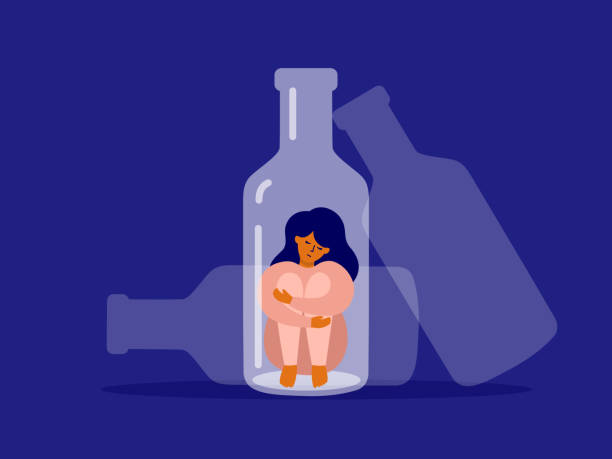
27,900+ Alcoholism Illustrations, Royalty-Free Vector Graphics & Clip Art -  iStock | Alcohol, Drunk, Substance abuse

The Physical and Emotional Toll

Even if you’re not experiencing extreme symptoms like blackouts or withdrawal, casual drinking can still take a toll on your physical and emotional health. You may notice that you’re more irritable or anxious than usual, or that you’re not sleeping as well. These subtle changes can be hard to attribute to alcohol, especially when drinking is seen as a normal part of social life. But alcohol is a depressant and can cause or worsen these issues over time.

The Social Stigma

Addressing your relationship with alcohol can also be complicated by social stigma. You may worry that others will judge you or treat you differently if they know you’re trying to cut back on drinking. It’s important to remember that taking steps to improve your health and wellbeing is something to be proud of, not something to hide. In fact, many people find that their relationships improve when they start drinking less.

Alcohol-Free Alternatives

How A Short Meditation Can Help People Drink Less | Time

Finding alternatives to alcohol can make the process easier. For some people, this could be non-alcoholic drinks that feel like a treat, such as herbal teas or infused waters. Others might find that exercise, meditation, or a new hobby can help them relax and unwind without the need for alcohol. Whatever approach you choose, remember that it’s about finding what works for you.


Oxycodone vs. Hydrocodone

Opioids are powerful painkillers that can effectively provide relief from long-term and short-term pain. However, before taking any medication, it is important to understand what you’re taking, how it works, and the differences between drugs in the same class. When it comes to opioids, there are two main types: oxycodone and hydrocodone. Although these two drugs share many similarities, they also have some key differences that you should be aware of before taking either medication. In this article, we will explore the differences so that you can make an informed decision when it comes to managing your pain.

What is Oxycodone?

Oxycodone is a semi-synthetic opioid that is derived from thebaine, an alkaloid found in opium poppies. It was developed by German scientists in 1916 and approved by the FDA in 1995. It was introduced into the United States market in 1996, and it is available as a generic drug as well as under brand names such as OxyContin.

Oxycodone works to block pain signals from being sent to your brain, thus providing effective relief from both chronic and acute pain. It is available in both immediate-release and extended-release formulations. By learning more about oxycodone, its uses, and possible side effects through the oxycontin recovery podcast, you can make an informed decision on whether this medication is right for you.

What is Hydrocodone?

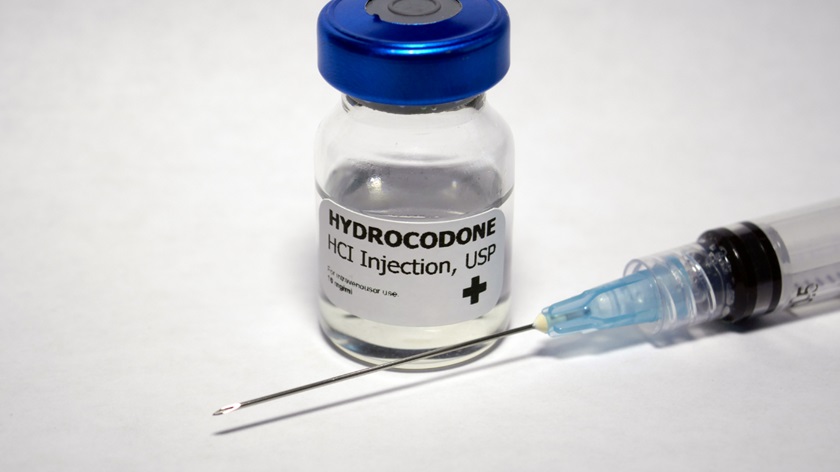
Hydrocodone is another semi-synthetic opioid that is derived from codeine, which comes from the opium poppy plant. It was first synthesized in Germany in 1920 and approved by the FDA in 1943. It was introduced into the U.S. in 1944 and has been available as a generic drug since 2007. It is also available under brand names such as Vicodin, Lortab, and Norco. Its primary uses are for acute and chronic pain relief, cough suppression, and diarrhea.

What is the Difference Between Oxycodone and Hydrocodone?

In terms of chemical structure, oxycodone and hydrocodone are very similar. Both drugs are opioid agonists, meaning that they both bind to the same receptors in your brain and produce similar effects. They also have a similar duration of action and can be taken orally or by intramuscular injection.

The primary difference between these two drugs is in the strength of their analgesic effects. Oxycodone is generally considered to be more potent than hydrocodone and therefore is typically used when stronger pain relief is needed. Additionally, oxycodone tends to have more side effects than hydrocodone and can lead to more severe withdrawal symptoms. Finally, oxycodone is more commonly abused than hydrocodone, and therefore it has stricter regulatory controls.

So, if you or someone you know is considering taking an opioid medication, it is important to understand how it works and the differences between oxycodone and hydrocodone. If there is a case of opioid abuse, it is extremely important to seek help immediately. With proper treatment and support, individuals can recover from opioid addiction and lead healthy lives. You may even check out how to support someone in recovery so that you can best help those who are going through recovery.

The Bottom Line

Now that you have a better understanding of the differences between oxycodone and hydrocodone, you can make an informed decision on which medication is right for your needs. Remember to always speak with your doctor before taking any medication, and never take more of a drug than the prescribed dosage. Taking opioids responsibly is vital to managing pain and avoiding potential addiction. If you have any questions or concerns, feel free to contact your healthcare provider.