
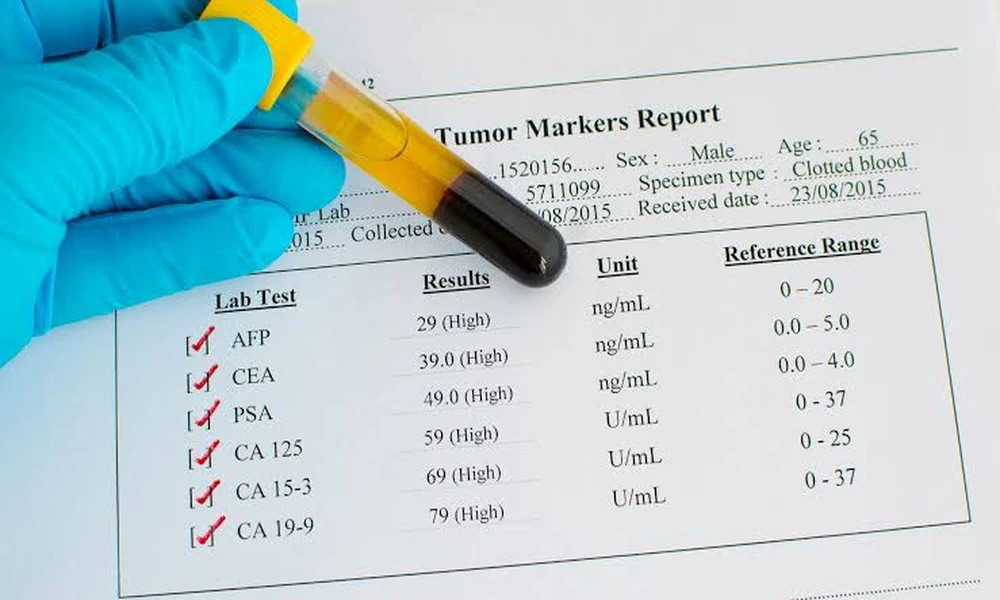
Receiving medical test results can feel overwhelming, especially when the word “cancer” is involved. Many people experience anxiety after undergoing a cancer marker test, often wondering what the numbers truly mean. While these tests can provide valuable information, understanding how to interpret the results correctly is essential. A single result rarely tells the full story, and proper medical guidance is always important.
What Is a Cancer Marker Test?
A cancer marker test measures certain substances in the blood, urine, or tissues that may be associated with cancer. These substances, often called tumor markers, can be produced either by cancer cells or by the body in response to cancer. Different cancers may be linked to different markers.
For example, PSA is commonly associated with prostate health, while CA-125 may be used in monitoring ovarian conditions. A cancer marker test is not typically used as a standalone diagnostic tool. Instead, it provides additional information that helps doctors evaluate a patient’s condition more thoroughly.
What Do the Numbers Mean?
One of the most confusing aspects of a cancer marker test is understanding the numerical results. Many patients assume that a high number automatically means cancer, but that is not always the case.
Marker levels can vary depending on age, medical history, and even non-cancerous conditions such as infections or inflammation. This means that a cancer marker test result must always be interpreted within the context of your overall health and additional medical findings.
Elevated Results Do Not Always Mean Cancer
It’s natural to feel concerned if your marker levels are above the normal range. However, elevated levels can occur for reasons unrelated to cancer. Conditions such as liver disease, benign growths, hormonal changes, or infections may also affect marker levels.
Because of this, a cancer marker test alone cannot confirm the presence of cancer. Doctors usually recommend additional tests such as imaging scans or biopsies to obtain a clearer diagnosis.
Normal Results Are Not a Guarantee
Just as elevated results do not always mean cancer, normal results do not completely rule it out either. Some cancers do not produce detectable markers, especially in the early stages. In other cases, marker levels may remain within normal ranges despite the presence of disease. This is why a cancer marker test is only one part of a broader diagnostic process rather than a definitive answer on its own.
Why Doctors Monitor Trends Over Time
Doctors often focus more on trends than on a single test result. Repeated testing over time provides more meaningful information than one isolated reading. For example, rising marker levels may indicate disease progression, while decreasing levels could suggest that treatment is working effectively. Tracking changes through a cancer marker test helps healthcare providers monitor treatment response and detect possible recurrence after therapy.
Common Uses of Cancer Marker Tests
Cancer marker tests are commonly used in several ways. They may assist in monitoring ongoing treatment, checking for recurrence, or evaluating the effectiveness of therapies. In some situations, a cancer marker test may also help guide treatment decisions by providing insight into how the body is responding. However, these tests are generally more effective for monitoring than for routine cancer screening in healthy individuals.
Questions You Should Ask Your Doctor
Understanding your results becomes easier when you ask the right questions. Patients should feel comfortable discussing their concerns with healthcare providers. If you receive a cancer marker test result, consider asking:
- What does this number mean for my situation?
- Are additional tests needed?
- Could non-cancerous conditions affect the result?
- Should the test be repeated later?
Clear communication helps reduce confusion and ensures you have a better understanding of your health.
Managing Anxiety While Waiting for Results
Waiting for medical results can be emotionally challenging. It’s common to feel worried, especially when dealing with uncertainty. Remember that abnormal results do not automatically mean the worst-case scenario.
Many factors can influence test outcomes, and further evaluation is often needed before any conclusions are made. Staying informed about how a cancer marker test works can help reduce unnecessary fear and provide a more balanced perspective.
The Importance of Follow-Up Care
After receiving results, follow-up care is essential. Additional tests, repeat screenings, or specialist consultations may be recommended depending on the findings. Ignoring follow-up appointments can delay diagnosis or treatment if further evaluation is needed. Working closely with healthcare providers after a cancer marker test ensures that any concerns are addressed promptly and appropriately.
Conclusion
Cancer marker tests can provide valuable insights into a person’s health, but interpreting the results requires careful medical evaluation. Elevated levels do not always indicate cancer, and normal results do not completely rule it out.
A cancer marker test is most effective when used alongside other diagnostic methods and ongoing medical monitoring. Understanding the purpose, limitations, and meaning of these tests helps patients approach their results with greater clarity and less anxiety.
By staying informed and maintaining open communication with healthcare providers, individuals can make more confident and informed decisions about their health.

Comments are closed.