Author

Ines Corbett

Browsing

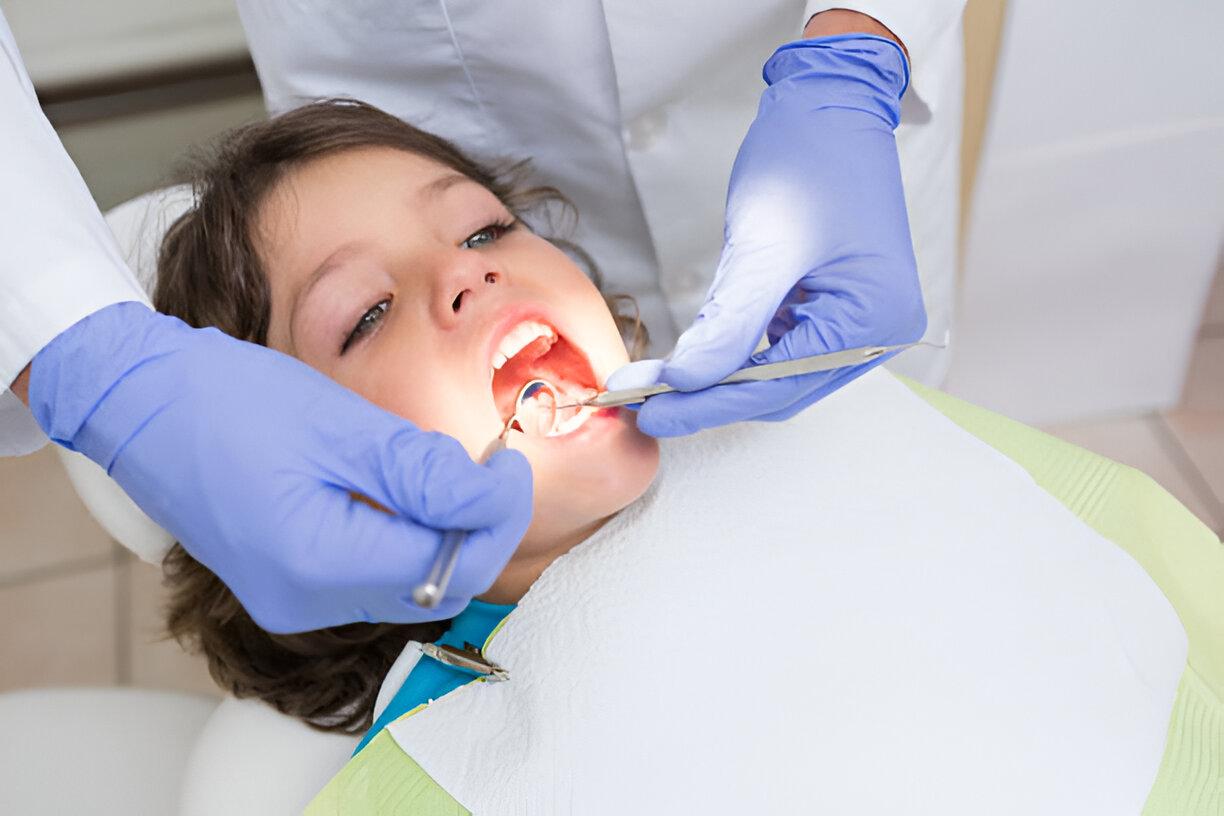
Children are more prone to developing cavities. Even though some parents make sure that they keep a close eye on the food that their child eats, including the sweeteners, they cannot avoid the fact that their child might get cavities in the later days. Pediatric dentists are the ideal choice for helping your child during such cases.

If your child has tooth pain and is complaining more about it, then ParkwayPD in Roanoke is your best choice. You will find an expert kid’s specialty dentist who can handle all your child’s dental issues.

Visit their website to book an appointment today. They can get the best results for all your child’s dental issues.

Cavities and Dental Crown 

Some kids might have developed cavities, but they are not very severe. Such conditions can be treated with the help of dental filling. The dentists will first clear all the cavities from the tooth and then fill the void with the filling.

However, if the severity of the cavity developed is high and there is dental decay, then a dental cap or crown is mandatory.

Dental crowns are used on teeth that are decayed to the extent of no turning back. Such teeth cannot hold dental fillings, which might crack later.

Hence, dentists prefer putting a cap on the damaged teeth, also known as teeth crown. This cap can work like new teeth.

Importance of Crowns 

Dental crowning was once the most suggested solution for adults with any dental issue. However, this procedure is now available even for children who have lost their teeth for many reasons, such as cracked or chipped teeth, tooth decay issues, sensitive teeth problems and have already undergone tooth restoration therapy.

Crown Types 

Pediatric teeth crowns are available in many forms. They are:

  • Stainless steel – to cover up the molars
  • Composite crowns – for the front teeth
  • Polycarbonate crowns – for temporary solutions for fixing the front teeth
  • Resin veneers – for both the front and back teeth
  • Zirconia ceramic – for both the front and back teeth

The Procedure 

  • The child is put under sedation for the crown installation procedure. A mild dosage of laughing gas is used to help the child manage the anxiety and nervousness. The child will not be made unconscious and will be awake for the whole procedure. The laughing gas dosage will be employed directly onto the gum with decayed teeth.
  • A rubber dam is used to isolate the teeth that need to be removed from the gum lining. The primary purpose is to avoid moisture buildup, which can hinder the dentist’s progress.
  • A space between the neighboring teeth is created to do the extraction smoothly. Once the damaged teeth are out, the experts will remove the decayed material from the remaining teeth.

Once the area is all cleared and the space is readied, the expert will mix the glue with the crown and gently place it in the available space. As the attachment is done, the rubber dam and all the excess cement material will be removed.

The teeth are allowed to set for a few days. It will be just like the old teeth, so there will be no discomfort or irritation for the child.

Your wedding day is a monumental event, and achieving perfect skin requires a dedicated skincare routine. Here’s a detailed guide to help you achieve a radiant complexion over the course of a year.

1 Year in Advance: Consult a dermatologist to develop a personalized skincare plan. Discuss your skin concerns and wedding timeline to create a tailored regimen.

9 Months in Advance: Experiment with different skincare products to find what suits you best. Establish a routine with effective cleansers, moisturizers, and serums. Always use sunscreen.

6 Months in Advance: Start professional treatments like Botox, laser therapy, or chemical peels. These treatments need time to show results, so early initiation is key.

4 Months in Advance: Focus on nutrition by incorporating more fruits, vegetables, and antioxidants into your diet. Stay hydrated and maintain a healthy lifestyle with regular exercise and sleep.

3 Months in Advance: Schedule DiamondGlow treatments to enhance skin tone and reduce pigmentation. Follow up with facials, microneedling, or dermaplaning to maintain the results.

2 Months in Advance: Manage stress with regular spa visits or home-based self-care routines. Hydrating masks and relaxing massages can help keep your skin clear and healthy.

1 Month in Advance: Stick to your established skincare routine and avoid new products. Continue with any scheduled treatments and ensure you’re getting enough rest.

Wedding Week: Keep your skincare routine simple and soothing. Schedule final treatments and avoid anything harsh. On the day of your wedding, cleanse gently, moisturize lightly, and let your natural beauty shine with minimal makeup.

body contouring center

Pre-Wedding Skincare Treatments is offered by Laser MD Medspa, a body contouring center


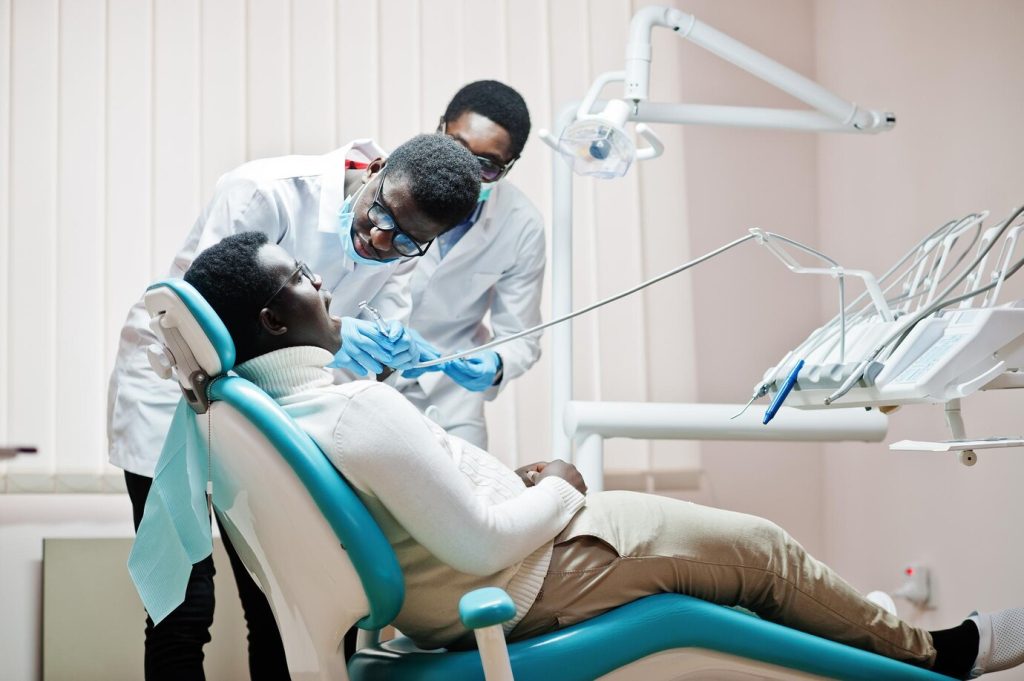
When we think about going to the dentist, we usually think about getting a regular cleaning. But general dentistry is more than just cleaning teeth. In this blog post, we’ll look at the different services and treatments offered to keep your teeth healthy and make sure you have a bright, confident smile.

What Does General Dentistry Involve?

General dentistry is the branch of dentistry that deals with the prevention, diagnosis, and treatment of oral health conditions and diseases. General dentists, also called family dentists or primary care dentists, offer many services to patients of all ages, including children and adults.

General dentists are important in promoting oral health and wellness through preventative care, education, and treatment. They check your teeth, clean them, check for problems with your mouth, and give you different ways to keep them healthy.

Dental Exams And Cleanings

Dental exams and cleanings are important for regular dental care. During a dental exam, the dentist will look for signs of decay, gum disease, or other oral health issues. Professional cleanings help keep your teeth and gum healthy and free of disease.

Treatments That Prevent Disease

General dentistry is the practice of taking care of your teeth to prevent dental problems and keep your mouth healthy. Dental sealants can help prevent cavities, fluoride treatments can strengthen enamel, and oral cancer screenings can detect early signs of disease. Invisalign, on the other hand is a great treatment to straighten your teeth.

The Restorative Procedures

General dentists are trained to repair and restore damaged teeth. Fillings for cavities, crowns and bridges for missing or damaged teeth, and root canal therapy to treat infected or inflamed tooth pulp are common ways to fix teeth.

Treatment For Gum Disease

Gum disease, also called periodontal disease, is a common problem that can cause gums to recede, teeth to fall out, and other health issues if not treated. General dentists remove plaque and tartar from below the gumline and keep the gums healthy to prevent recurrence.

Cosmetic dentistry is focused on improving the appearance of the smile. General dentistry offers cosmetic treatments like teeth whitening, dental bonding, veneers, and clear aligners to improve the appearance of the smile and boost confidence.

How to Avoid Oral Health Issues?

Regular dental visits are important for keeping your mouth healthy and your overall health. Dental exams let dentists find problems early, before they become more serious and need more treatment.

Early intervention is important for treating dental problems. By going to regular dental check-ups, patients can catch problems early and get treatment to prevent further damage.

Developing a relationship with your dentist.

Conclusion

General dentistry is more than just cleaning your teeth. It offers many different ways to keep your mouth healthy and happy. By knowing what general dentistry is and why it’s important to go to the dentist regularly, patients can take action to keep their smile healthy and have good oral health for a long time. 

General dentistry provides care for patients of all ages and abilities. A relationship with a general dentist builds trust, communication, and continuity of care. Your dentist will learn about your oral health history, preferences, and concerns, so they can give you care that fits your needs.


In the realm of modern medicine, the methods by which treatments are administered are just as crucial as the treatments themselves. Traditionally, many effective therapies have relied on invasive techniques, such as injections or surgeries, to deliver drugs directly to the site of need. However, the advent of non-invasive drug delivery systems is revolutionizing the healthcare landscape, offering patients safer, more comfortable, and often more effective treatment options. This article explores the transformative impact of non-invasive drug delivery on medicine and highlights the innovative technologies driving this change.

The Rise of Non-Invasive Drug Delivery

Non-invasive drug delivery involves administering therapeutic agents without breaching the skin or mucous membranes. This method eliminates the need for needles, catheters, or other invasive devices, significantly reducing patient discomfort and the risk of complications such as infections. The development of these technologies is driven by the need to improve patient compliance, enhance drug efficacy, and provide more convenient treatment options.

One prominent example of non-invasive drug delivery is transdermal patches. These patches administer drugs through the skin, offering a steady release of medication over time. Transdermal delivery is already widely used for conditions such as chronic pain, hormone replacement therapy, and nicotine addiction.

Another innovative approach is the use of inhalable drugs. By delivering medication directly to the lungs, this method is highly effective for respiratory conditions like asthma and chronic obstructive pulmonary disease (COPD). Furthermore, it is being explored for systemic drug delivery, offering a rapid onset of action and bypassing the gastrointestinal tract.

Advances in Technology

The advancement of non-invasive drug delivery systems is largely due to nanotechnology and material science breakthroughs. Nanomedicine, in particular, plays a pivotal role in this evolution. Nanoparticles can be engineered to carry drugs and release them at specific sites within the body, improving the precision and effectiveness of treatments.

One cutting-edge example is the development of non-invasive drug delivery using nanomedicines. These tiny particles can penetrate tissues more easily and deliver drugs directly to target cells, minimizing side effects and maximizing therapeutic outcomes. The ability to engineer nanoparticles to respond to specific stimuli, such as pH or temperature changes, further enhances their potential in personalized medicine.

Additionally, advancements in microneedle technology are bridging the gap between invasive and non-invasive delivery. Microneedles are tiny, minimally invasive needles that can painlessly penetrate the outermost layer of the skin to deliver drugs. These devices are being developed for a range of applications, including vaccine delivery and treatment of chronic diseases like diabetes.

Benefits for Patients

The shift towards non-invasive drug delivery systems brings numerous benefits for patients. The most immediate advantage is the reduction in pain and discomfort associated with traditional drug administration methods. For individuals with chronic conditions requiring frequent injections, non-invasive alternatives can significantly enhance their quality of life.

Improved patient compliance is another critical benefit. Many patients are hesitant to follow through with treatments that involve painful or complicated procedures. Non-invasive methods, being more user-friendly, encourage adherence to prescribed therapies, leading to better health outcomes.

Moreover, non-invasive drug delivery can offer more consistent and controlled drug release. This is particularly important for medications that require precise dosing to be effective. For instance, transdermal patches and inhalable drugs can maintain therapeutic drug levels in the bloodstream over extended periods, reducing the need for frequent dosing and minimizing side effects.

Transforming Healthcare Delivery

The impact of non-invasive drug delivery extends beyond individual patients to the broader healthcare system. These technologies can streamline treatment protocols, reduce the need for hospital visits, and lower overall healthcare costs. For example, home-based drug delivery systems, such as transdermal patches and inhalers, can decrease the burden on healthcare facilities and allow patients to manage their conditions more independently.

Non-invasive delivery systems also open new avenues for treating conditions that were previously challenging to manage. Diseases that require targeted therapy, such as cancer, can benefit from the precision of nanomedicine, which can deliver drugs directly to tumor cells while sparing healthy tissues. This targeted approach not only enhances treatment efficacy but also reduces the severe side effects often associated with cancer therapies.

The Future of Non-Invasive Drug Delivery

As research and development in this field continue to advance, the future of non-invasive drug delivery looks promising. Emerging technologies, such as wearable drug delivery devices and smart patches, are poised to further revolutionize the way we administer treatments. These devices can monitor physiological parameters and adjust drug delivery in real-time, offering personalized and adaptive treatment options.

The integration of artificial intelligence (AI) and machine learning into non-invasive drug delivery systems is another exciting development. AI can analyze patient data to predict the optimal dosing schedules and drug combinations, enhancing the precision and effectiveness of treatments.

In conclusion, non-invasive drug delivery is transforming medicine by providing safer, more comfortable, and more effective treatment options. The advancements in nanotechnology, material science, and digital health are driving this evolution, offering promising solutions for a wide range of medical conditions. As these technologies continue to develop, they hold the potential to significantly improve patient outcomes and reshape the future of healthcare delivery.

For more information on the latest advancements in non-invasive drug delivery, visit Power of Particles.