
Author

Ines Corbett

Browsing


Most people do not understand the importance of warming up exercises, especially in contact sports such as Rugby, especially when you are limited to just a few hours of training per week.

Why warm up?

When starting to exercise, your body needs to make some adjustments. These include:

improve breathing and heart rate;

increased reaction releases energy in the muscles;

promote blood flow to the muscles to supply them with more oxygen and to remove waste products.

This adjustment does not happen immediately, it takes several minutes to reach the required level. So, the purpose of warming up is to encourage these adjustments to occur gradually, starting with your training session on an easy level and gradually increasing the intensity. If you start exercising at full capacity without warming up, your body will not be ready for the higher demands made of it, which can cause injuries and unnecessary fatigue.

What is a warm up exercise ?

A warm-up usually takes the form of some gentle exercise that gradually increases in intensity.

A pre-workout warm up:

increases blood flow to the muscles, which improves the delivery of oxygen and nutrients;

warms up your muscles, which promotes reactions that release energy used during exercise and makes the muscles more supple;

readies your muscles for stretching;

readiesyour heart for an increase in activity;

readies you mentally for the upcoming exercise;

primes your neural pathways-to-the muscles ready for exercise; and

prevent unnecessary stress and fatigue placed on your muscles, heart and lungs, which can occur if you are exercising hard without warming.

Image credit

Spice up your warm ups with new Rugby Drills from https://www.sportplan.net/drills/Rugby/Passing/practiceIndex.jsp

Warming up is widely seen as a simple measure to prepare your body for exercise of moderate to high intensity and is thought to assist the body in protecting against injury. Despite no real concrete evidence that the warming prevents injuries, anecdotal evidence and logic would suggest that the warming should reduce the risk.

Ensure effective warming up

To make your warmupeffective, you should aim for movements that up the heart rate, breathing levels and warms up the temperature of your muscles. A strong sign of an effective warm up is reaching the point where you are beginning to sweat.

If you’re exercising for general fitness, allow 5 to 10 minutes for your pre-workout warm up (or slightly longer in cold weather).

If you exercise at a level that goes further than simply for general fitness, or play a specific sport, you will most likely require a longer warm-up, and one that is designed specifically for your sport.

  1. General

To start, you should do a 5-minute warm up of light (low intensity) physical activity such as walking, jogging in place or cycling. Incorporate movement with your arms, such as controlled circular motions with your arms to help warm the muscles of your upper body.

  1. Specific warm up forsports

One of the best ways to warm up is to do exercises that will come at a slow pace. This enables you to simulate the higher intensity activities of the chosen sport but in a lower intensity to begin with. Some ideas include stable jogging, cycling or swimming before progressing to a faster pace. This can then be followed by a few sport-specific movements and activities, shoulder rolls, through simulation, or side-stepping and lunges for Rugby. Sport-specific warmups are often designed by a qualified trainer.
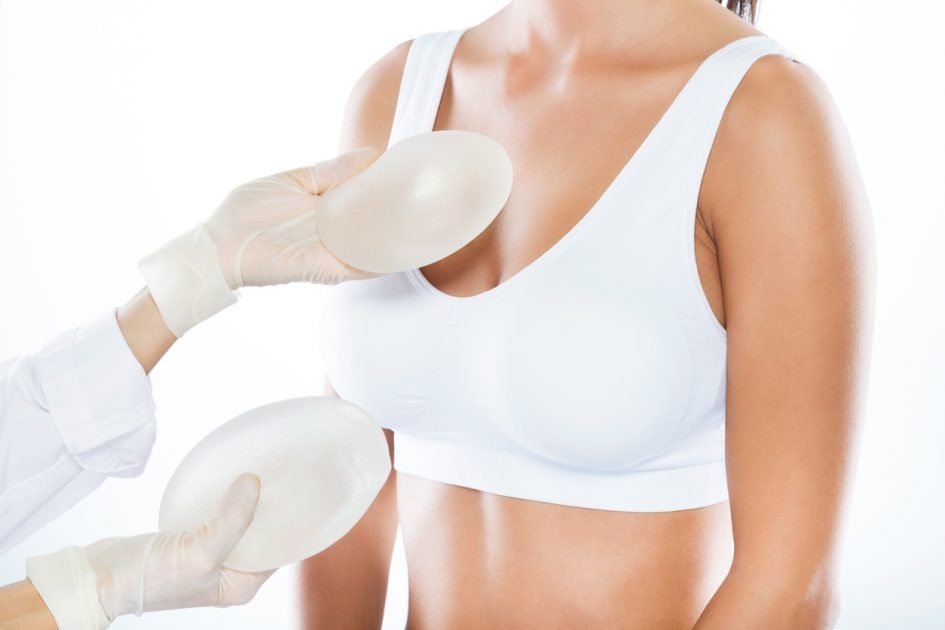

So you’re planning for breast surgery! Maybe, you’ve sagging breasts. Perhaps, your boobs are loose and unsightly. Regardless of the reason, an ideal procedure dedicated to cosmetic breast surgery will serve your needs. However, before calling a surgeon, you should get familiar with the various cosmetic breast surgery procedures. As well as helping you make the most out of the surgery, choosing an ideal procedure will also let you pick a reputed surgeon proficient in that particular procedure. Here are popular types of cosmetic procedures related to breast surgery.

Types of breast surgery

Breast augmentation

It’s performed to enrich the size, appearance, and contour of a lady’s breasts. Each lady has her own reasons for augmentation or mammoplasty. Some women believe that their boobs are way too small in relation to their body contour. On the other side, some ladies seek augmentation after size loss associated with lactation and pregnancy. Then there are women who intend to fortify an asymmetry in breast size.

In augmentation, surgery is done with implants that could be placed under or over the pectoralis chest muscle. Here, the incision could be placed in the areola, armpit, or lower breast. Usually, breast augmentation may be assisted with endoscopes. Once implants are placed under the pectoralis chest muscle, there’s less interference with screening mammoplasty.

A breast implant is actually a silicone shell filled with silicone gel or saline. After taking trial implants, the woman decides the desired size. On approval, the desired implant size is prepared. Augmentation is a straightforward procedure. However, certain risks and uncertainties are associated with the procedure, which is common with any surgery.

Breast reduction

It’s just the opposite of augmentation. Some women have large, pendulous breasts. Even such boobs give an unsightly appearance. Also, they could be highly discomforting. The excess weight of boobs could lead to back pain, neck pain, bra strap indentations, skin irritation, weakness, or numbness.

The procedure deals with the removal of excess fat, skin, and glandular tissue from boobs. With the reduction surgery, scarring could be extensive. Nipple-areola sensation, milk production, and normal breast sensation are preserved. However, some side effects may be observed, including lumpiness and pain from the scar tissue. Some women also feel unable to breast-feed. The procedure reduces breast volume, contour, and appearance while preserving breast function and sensation.

Breast reconstruction

Breast reconstruction aims at recreating a breast with the desired volume, contour, and appearance. Even the nipple-areola component is recreated. The breast-feeding ability and normal breast sensation are lost when the sensory nerves and/or milk ducts and glands have been significantly injured. It’s here breast reconstruction comes in handy.

The contour, volume, and appearance of the breast could be recreated either with implants or with the woman’s own tissue. At times, a portion of the lower abdominal wall could be used. Other tissue options include the back muscle or a portion of the buttock.

Breast lifts

In some ladies, the skin isn’t strong or resilient to support the breast weight. The boobs of these women start sagging. That gives an ugly appearance and makes them feel aged. Too much skin is the cause of the condition. Breast lifts deal with the removal of this excess skin. Once the excess skin is removed, the breasts look firmer and toned.

Bottom line

Dealing with unappealing breasts can be a task for many women. As well as hampering their looks, such boobs lower their confidence. However, it’s possible to get rid of this problem through breast surgery. Just get familiar with the various cosmetic breast surgery procedures detailed above and consult a reliable surgeon, like this cosmetic breast surgery procedures Philadelphia option. Within no time, you’re on your way to having lovely breasts you ever wished.

When a baby is born and they first open their eyes, you may see a pair of beautiful blue, brown or green. However, there is a lot of discussion around how eye colour changes, when and why. The after-hours home doctor experts at House Call Doctor have straightened the facts about your baby’s eye colours.

  • It takes at least 6 months to stabilise eye colour

Try not get too attached to the colour of your baby’s eyes when they are first born. The most dramatic changes occur between the ages of three and six months old. Babies’ eyes tend to fully change colour between 6 and 12 months, however in some cases it can take as long as 3 years of age for the permanent colour to set in.

  • Not all babies are born with blue eyes

While there is a common myth that all babies are born with blue eyes, this is not the case. Caucasian babies are typically born with grey or blue eyes, whilst many African American, Asian and Hispanic babies are born with brown or darker brown eyes, sometimes even looking black.

  • There’s no way to accurately predict eye colour

There is a lot that is not understood about how genes impact the eye colour of a baby. However, the final hue or colour of the eyes does depend on both parents’ eye colours and your genetic line.  Below are some probabilities to note when it comes to a baby’s eye colour:

  • If the mother and the father both have blue eyes, it’s significantly more likely the baby will also have blue eyes. It’s important to note it won’t happen every single time though.
  • If both parents have brown eyes, it’s very likely the baby will have brown eyes. However, if a grandparent on both sides of the family has blue eyes it is possible that the parents will pass on the blue eye gene.
  • If one parent has brown eyes and one parent has blue eyes, there is about a 50/50 chance the child will have blue eyes.

Image result for A Healthy Life is a Worthy Life

It isn’t tough at all to maintain a smooth heart rhythm as well as live longer. Whether you’re in your 20s or 30s, completely to your 60s, 70s, and beyond, whatever is your age, you can do it. Actually, research study has revealed it’s never far too late to start healthy and balanced routines. So, start taking cardio care right now, and live a long and happy life.

But what about the things you might quit doing in the name of your long life?


  • Quit Eating Mostly Refined Foods


Among the significant nutritional modifications that have happened in several nations over the last thirty years has been a change to consuming more processed foods. Together with handling comes a rise in included salt, more hydrogenated fat, even more, sugar, as well as much less fiber. The result? Extra heart disease, high blood pressure, cancer, and diabetic issues.


  • Stop Cigarette smoking


Whether you stop cold-turkey or eliminate your behavior, your body is remarkably flexible; high blood pressure as well as blood circulation boost right after stopping, as well as your danger of getting cancer decreases yearly afterward. Bear in mind that your member of the family will additionally benefit from your remaining tobacco-free since they’ll no more be subjected to unsafe used smoke. You’ll look younger, also.


  • Stop Resting Still


If you don’t have extra time to work out, consider this: You might not require to strike the minimal worldwide suggestions of 30 minutes a day, five or even more times per week to expand your life.

Quick walking was one of the “moderate strength” workouts pointed out in the Taiwanese research study. You may need to make an aware effort to function it into your daily regimen, but if you can have fifteen minutes of daily activity for an extra three years of life, seems like a durability deal.


  • Stop Holding a Grudge


Anger can be a difficult emotion to release, particularly if you feel warranted in your outrage. Perhaps the best concern to ask yourself is this, is it worth the cortisol? Levels of this stress and anxiety hormonal agent increase when you’re stressed out or mad, with negative results on your heart, metabolic rate, and immune system. High cortisol has actually been connected with higher death in a variety of researches.


  • Quit Maintaining to Yourself


Staying social is a great longevity booster, mostly by aiding you to manage tension and by reinforcing your immune system. Good connections keep you strong, while poor partnerships can leave you in a negative mindset, and also put you in jeopardy of clinical depression as well as also heart attacks.