Author

Ines Corbett

Browsing

Getting a FUE hair transplant is a big step. And the truth is, the surgery is just the start. What happens afterward matters just as much. If you’ve chosen Follicular Unit Extraction (FUE), you’re likely expecting little to no scarring and a natural result. That’s fair. But the way you recover shapes how well everything turns out. When you know what to expect each week, you’ll feel more in control and a lot less anxious about what comes next.

If your surgery went well, you’re already off to a great start. From here, it’s all about care, patience, and paying attention to how your body responds.

Week 1: The Shock, the Scabs, and the Stillness

Right after surgery, your scalp may feel tight, sore, or slightly swollen. That’s part of the process. You’ll be told not to wash your hair for the first two days.

Around day three, you’ll start seeing small scabs where the grafts were placed. That’s your scalp healing. You might feel some itching too. It’s tempting to touch, but don’t. Those grafts are still settling in, and scratching can knock them loose.

The first week is all about letting your scalp recover. Keep things calm, stay cool, and give your head the space it needs to heal.

Week 2: When the Hairs Fall and Doubts Rise

Here’s where some people start to worry. The hair that was just transplanted may begin falling out. But don’t panic. That’s normal. This stage is called shock loss. Your follicles are still alive underneath your skin. They’re just shedding the old strands before new ones grow in.

You might still notice some flaking or dryness on the scalp. That’s also part of healing. By the end of this week, you’ll likely feel more like yourself physically. But emotionally, it’s not always easy to see hairs fall after such a big procedure.

Hang in there. Shedding now makes way for stronger growth later.

Week 3–4: Silence Before the Breakthrough

At this point, things can feel slow. The scabs are mostly gone. The redness has faded. But when you look in the mirror, not much seems to be happening.

This is the resting phase. The new follicles are sitting just beneath the surface, getting ready to grow. Think of it like planting a garden. Nothing happens above the soil for a while, but that doesn’t mean nothing’s going on underneath.

You might start wondering if the procedure worked. That’s normal. Just give it time. Growth takes longer than we often expect, but your scalp is doing exactly what it should.

Week 5–8: Hope Grows in Tiny Strands

This is when you’ll see the first signs of change. Very fine, soft hairs begin to push through.

Not all areas grow at the same time. Some spots may fill in earlier than others. That’s okay. Each follicle follows its own cycle. Just stick to your gentle hair care habits and try not to stress.

If you chose a scarless hair transplant option, you’re probably noticing how clean and natural your scalp looks already. That’s one of the big reasons people prefer this method.

Month 3–4: The Mirror Starts Talking Back

By now, those tiny hairs are getting stronger. They gain texture and colour. You’ll start to see more shape and volume, especially along your new hairline.

This is when the results begin to show. If your clinic focused on natural-looking hair regrowth, it will be clear in how well your new strands blend with your original hair.

Growth may still look uneven. That’s expected. Every hair goes through its own cycle, and that takes time. But what you see now is real progress.

Month 5–6: You’re Halfway There. And It Shows

You’re six months in. This is a big turning point. The hairs that felt soft before now feel thicker. They behave more like the rest of your hair. Density improves. Volume builds. And when you see your reflection, it starts to feel right again.

This stage is where your minimally invasive hair surgery starts to shine. Most of the soreness is gone. Your scalp looks healthy. And the emotional payoff is beginning to match the effort.

You may have a check-up scheduled now. It’s a good time to ask questions and see how your FUE hair transplant is tracking.

Month 7–9: The Transformation Kicks Into High Gear

Between months seven and nine, the pace picks up. Hair starts growing faster and stronger. It looks fuller. It moves naturally. And the hairline looks complete.

At this point, you’ll probably go back to your regular grooming habits. You can trim, style, and even colour your hair if needed.

This is where the results of your precision hair grafting procedure become clear. What started as small changes now looks and feels like a full transformation.

Month 10–12: This Is the Hair You Waited For

Now you’ve hit the one-year mark. Most of your transplanted hairs are grown in. The texture is right. The direction is natural.

If you chose the best clinic for hair transplant in Singapore, the difference will be hard to spot—even under bright lights or up close. Everything blends. Everything fits.

After One Year: A New Normal with Better Hair

After a full year, most people reach their final results. A few more hairs may still grow in, but you’re living in the outcome now. This is your new baseline.

You might decide to support your results with hair loss treatment options or just stick to good daily care.

If you’re still considering a FUE hair transplant, this is your sign.
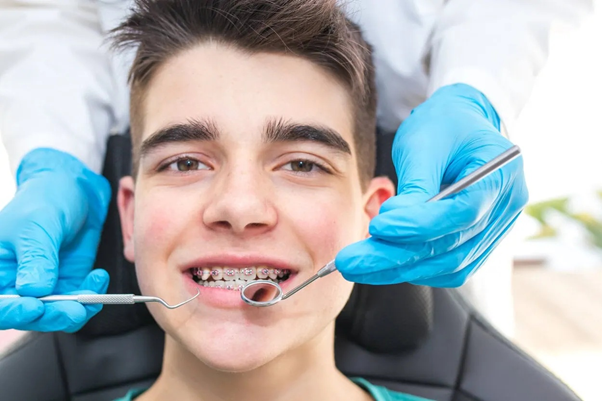
In the United States alone, braces are worn by at least 4 million people. Among the adults, it is very common to see that at least one out of 4 people in this country is wearing braces. Most commonly, you will find that the majority of people are wearing metal braces.

Of course, by using such metal braces, you can have the following benefits:

  • Your oral health can improve
  • You can straighten your bite
  • You can increase your self-esteem.

Irrespective of whether you prefer to get metal braces in Bristow VA, or some other type that is available in the market, how you adapt yourself to your braces can make all the difference. If you ever visit a clinic like Modern Orthodontics, you will get an opportunity to interact with the best dental professionals.

In this clinic, you will receive the best care and the right treatment based on your present condition. This clinic has a team of professional dentists who are very focused and take full care of your comfort, and offer you the necessary knowledge about the braces they offer and how you can comfortably move around after the treatment. 

Types of Metal Braces

  • Traditional Metal Braces – These are quite effective and available at an affordable cost, and also have colorful elastic ties to get a fun touch.
  • Lingual Braces – It remains concealed behind your teeth for discretion; however, at times, you may have to adjust your speech so that people can comprehend

Eating with Braces: Do’s and Don’ts

The following are things you need to avoid:

  • Hard foods (popcorn, nuts)
  • Sticky treats (caramels, gum)
  • Crunchy snacks (whole apples, hard chips).

However, you can always enjoy eating the following:

  • Soft desserts (cake pops, pudding)
  • Bite-sized chocolates (mini bars, M&Ms)
  • Cooked veggies (steamed carrots, mashed potatoes)

Cleaning Like a Pro

Tools you may need:

  • Interdental brush for tight spaces
  • Floss threader or water flosser
  • Fluoride mouthwash for extra protection.

Technique Matters:

  • Brush at a 45-degree angle around brackets.
  • Floss every day to avoid plaque accumulation.
  • Rinse after meals to remove food particles.

Managing Discomfort

Soreness is normal after adjustments.

Try:

  • Use orthodontic wax to alleviate irritation.
  • Consume cold meals like yogurt and smoothies.
  • Use saltwater rinses or over-the-counter pain medicines.

See your orthodontist if:

  • Pain is severe or lasts for a few days
  • Wires break or brackets loosen
  • Sores or bleeding occur.

Long-Term Investment

  • Treatment may last for 1 to 3 years, typically.
  • Costs may range between $2,750 and $7,000, so you need to ask for payment plans.
  • Retainer post-treatment can easily maintain your new smile.

Final Tips

  • You must attend all the required adjustment appointments.
  • Also, you must pack your travel dental kit for on-the-go care.
  • It is important to keep in mind that temporary challenges will end with lifelong confidence!

If you want to get a metal brace, then you may visit Bristow VA, Modern Orthodontics, where you can expect good care. They have the advanced facilities available at their clinic, which they can customize according to patients’ needs. All the tips shared in this post can make your journey to obtaining the best smile successful.

You might have heard friends rave about virtual counseling yet still feel unsure what actually happens once you click “Join Session.” Think of this article as your backstage pass: by the end you’ll know how a session flows, the gear you need, and how to decide if screen-to-screen care fits your life. Because first times can be nerve-racking, we’ll keep things conversational and reassuring—no dense clinical jargon, promise. 

Online therapy isn’t just a pandemic workaround; it’s a mainstream option licensed clinicians use every day across time zones. Meeting from the comfort of your couch or even a parked car means fewer barriers between you and support. And spoiler alert—research shows remote counseling works as well as in-person care for many issues.

Step-by-Step Session Guide

A teletherapy (https://www.psychology.org/resources/how-does-teletherapy-work/) hour feels familiar after the first five minutes, but there is a rhythm. Picture the experience like entering a cozy online office: the door is your encrypted video link and the waiting room is your device screen.

  • Check-in (≈2 min). Your therapist confirms name, location, and an emergency contact, following APA telepsychology guidelines. 
  • Tech & privacy check (≈3 min). Camera, mic, and connection get the once-over so your conversation stays private.
  • Warm-up chat (≈5 min). Small talk helps you settle, just as if you were walking from reception to a couch.
  • Core work (30-40 min). You practice coping skills, process emotions, or review homework. Large-scale studies show remote therapy reduces anxiety and depression as effectively as face-to-face care. 
  • Wrap-up & next steps (≈5 min). Together you set homework, confirm safety plans, and schedule the next visit.

Those final minutes matter: they give you a clear takeaway and prevent the “video-call fade-out” that sometimes happens when people simply click Leave Meeting.

What Technology Do I Need?

If you can video-chat with relatives, you’re already halfway there. A laptop or tablet with a webcam and speakers works best; phones are fine for quick follow-ups, though a stable surface avoids shaky-cam fatigue. Aim for broadband speeds of at least 25 Mbps down and 3 Mbps up to keep video crisp—higher if multiple devices share your Wi-Fi. A simple ring light and wired earbuds can further boost comfort and clarity for these confidential online sessions.

When choosing software, look for HIPAA-compliant platforms such as Doxy.me, Zoom for Healthcare, VSee, or SimplePractice, all of which encrypt calls end-to-end. These tools meet federal privacy standards, so your digital mental health conversations stay protected.

Many clinics in online therapy Texas directories now run hybrid practices—see one example below to get a feel for location and service area:


Is Teletherapy Right for Me?

Think about your lifestyle puzzle pieces. If you juggle long commutes, childcare, or rotating work shifts, video telehealth can slide into calendar gaps where an in-person visit never could. People in rural zones gain faster access to remote therapy without a two-hour drive, while clients with mobility challenges appreciate skipping crowded waiting rooms. Still, certain situations—like inpatient detox or acute psychiatric crises—require on-site supervision. When in doubt, consult a licensed professional; APA guidance urges matching treatment mode to clinical need. Remember, you can blend formats too: some folks start virtually, then schedule occasional office check-ins for variety.

Common Myths Debunked

Many first-timers hesitate because of half-truths floating around the internet. Let’s clear the air before they stall your progress:

  • “It’s less effective than face-to-face.” Current research shows comparable—or sometimes better—outcomes for depression, PTSD (see here for more info), and anxiety when sessions happen online. 
  • “My data isn’t safe online.” Certified platforms sign Business Associate Agreements and use advanced encryption, protecting every byte.
  • “Insurance won’t cover it.” Most U.S. insurers now reimburse telehealth at parity with office visits, thanks to recent federal rule updates and state payment-parity laws. 
  • “I’ll feel disconnected.” Therapists train specifically to build rapport through screens, using eye-line tricks and interactive tools.
  • “Only tech-savvy people can use it.” If you can join a Zoom wedding, you can navigate an encrypted therapy room in minutes.

Bust those myths, and the idea of video-based care starts feeling surprisingly ordinary.

Setting Realistic Goals

Great therapy starts with clear aims. During your first few meetings, choose one or two measurable targets—maybe “reduce panic attacks from weekly to monthly” or “sleep seven hours a night.” Use the SMART framework: specific, measurable, achievable, relevant, and time-bound. Revisiting objectives every few sessions keeps virtual counseling purposeful, prevents drift, and provides motivating proof of progress. Many clients also track mood or stress scores in secure apps between visits, turning each remote touchpoint into a data-rich check-in and strengthening long-distance accountability.

Curiosity is the first step toward change. Now that you’ve explored session flow, tech needs, and the facts behind this rapidly growing model of care, you can decide confidently whether remote therapy belongs in your wellness toolkit. When you’re ready, test your setup, book that first appointment, and give yourself permission to grow—one confidential click at a time.

Diminishing weight can be challenging and disheartening when traditional approaches such as diet and exercise fail to produce results you desire. Thanks to modern wellness treatments, non-invasive weight loss therapy now makes eliminating stubborn fat without surgery possible – providing safe, cost-efficient ways of shaping the body without expensive surgery procedures.

At M Beauty Studio & Spa, our body contouring treatments specialize in non-invasive weight loss therapy to help our clients slim down, tone up, and feel incredible without downtime or side effects. Let’s discover its many advantages together.

What Is Non-Invasive Weight Loss Therapy? 

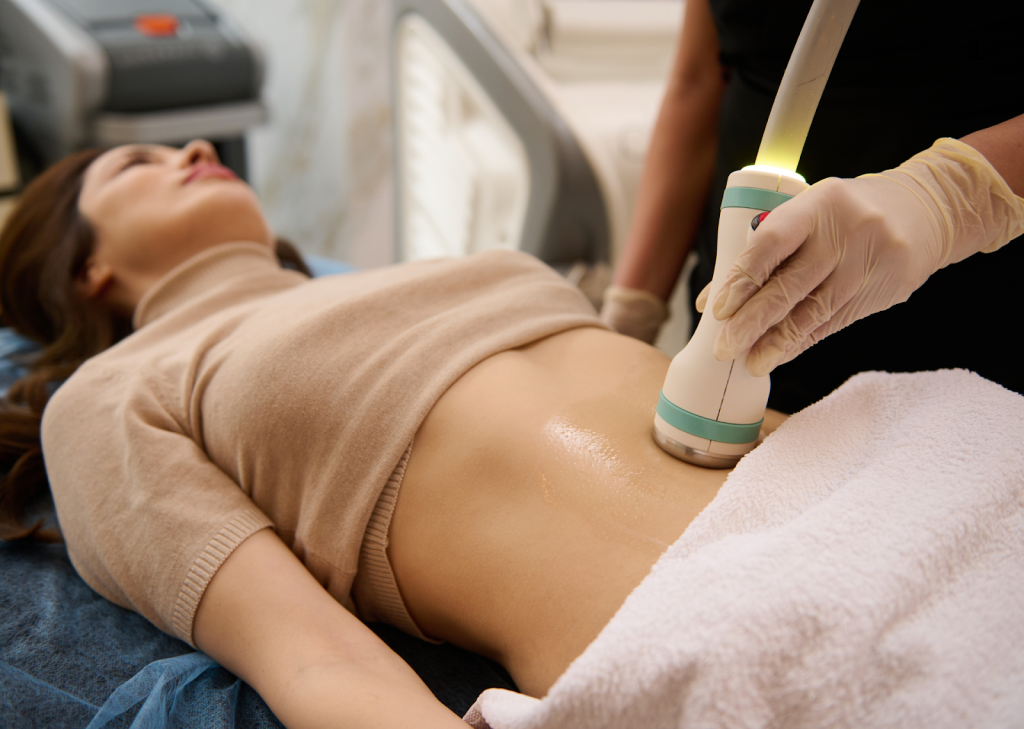
Noninvasive Weight Loss Therapy uses cutting edge technology to employ radiofrequency energy or laser light on fat cells while tightening skin simultaneously for nonsurgical weight loss and contouring, including devices like Venus Legacy or Versa which offer this noninvasive weight loss solution.

These weight loss treatments offer an alternative to traditional weight loss surgery without necessitating anesthetic, incisions or prolonged recovery times – thereby making the experience simpler for both patients and providers alike.

1. No Pain

A primary advantage of non-invasive weight loss therapy lies in its safety. FDA-cleared and clinically approved treatments have proven gentle on skin while effectively decreasing fat. Most clients describe the sensation as similar to that of receiving a warm massage or mild tingling feeling–both relaxing and stress free experiences!

Surgery often results in scars, infections and long-term healing periods – worries you don’t need to consider with noninvasive therapy solutions.

2. No Downtime

Have a hectic lifestyle? No worries: with non-invasive therapy sessions you can return directly back into the rat race: work, running errands or meeting friends don’t need to stop because none of their daily schedule will need pausing due to therapy!

So it is the ideal solution for people who seek results without surgery or prolonged absences from life.

3. Natural Results

Noninvasive fat removal treatments work gradually by helping your body expel excess fat naturally, creating results that appear smooth and natural instead of sudden or dramatic.

Most individuals experience noticeable improvements within a few sessions and continue to reap their rewards over several weeks afterwards.

4. Targeted Fat Reduction

Everyone has different body needs and this non-invasive weight loss therapy should accommodate for that fact. Treatment plans can be designed specifically to target any areas you would like to change such as slimming down waist size, toning arms and eliminating love handles – these treatments will focus on targeting individual problem spots on your body.

At M Beauty Studio & Spa, our team will tailor an individual plan just for you based on your goals and body type.

5. Skin Tightening and Cellulite Reduction

Many non-invasive procedures also help increase collagen levels and skin elasticity – meaning you’re not just losing inches; rather you are achieving firmer, smoother skin as a bonus!

These added benefits help decrease cellulite and sagging for an overall smoother and younger looking physique.

6. Increased Confidence 

Transforming your body often brings increased confidence. As it transforms, so too will your confidence levels rise accordingly. You will become more comfortable wearing clothes you find fitting better as energy returns and motivation increases to lead a healthy lifestyle.

Non-Invasive Weight Loss Therapy Non-invasive weight loss therapy may be right for people close to reaching their ideal weight but need assistance getting rid of stubborn fat deposits. While not an alternative solution, non-invasive therapy is an invaluable asset which can speed the way toward meeting goals faster.

Experience the Benefits at M Beauty Studio & Spa M Beauty Studio & Spa takes great pleasure in offering clients state-of-the-art noninvasive treatments designed to make them look and feel their very best. Our highly qualified team is always on hand with safe, personalized care ensuring a truly transformative experience!

Are You Wanting To Lose Weight Naturally Without Surgery?

Book a Consultation Now To Understand how Non-invasive Weight Loss Therapy (NIWLT) Can Support You Reaching Your Goals.

Visit http://mbeauty.studio/ for additional information or to arrange an appointment.

Welcome to M Beauty Studio & Spa, your luxurious haven at 143 West 29th Street. We offer peaceful pampering and high-quality services in a serene environment that promotes relaxation and comfort. Indulge in our signature HydraFacials, IPL Photofacials, and microneedling for radiant skin. Experience the transformative effects of medical weight loss Midtown Manhattan and Venus Legacy body contouring, alongside the advanced Venus Versa for all your skincare needs. Our inviting space encourages you to unwind on plush couches while you enjoy a stress-free atmosphere. At M Beauty Studio & Spa, we’re dedicated to helping you look and feel your best.