Author

Ines Corbett

Browsing

Mohs surgery can be one of the most effective solutions to certain forms of skin cancer on the face. Through an intricate technique utilizing layers, cancerous cells are removed while sparing as much healthy skin during extraction. While Mohs surgery may seem intimidating at first glance, being well prepared and communicating closely with your provider prior to having this process performed will greatly ease and expedite its effects and hasten healing afterward.

Expectations After Surgery

Following your procedure, your surgeon will cover the treated area with a bandage. Immediately post-op, some swelling, bruising and mild bleeding is common – these symptoms should subside in 24-48 hours as part of normal healing; your physician can advise how best to care for this area in terms of what signs to watch out for and proper healing techniques.

Maintain a Clean Surgery Site

Maintaining a hygienic operating site is of vital importance in order to promote healing. Following surgery, it will be your duty to clean it with soap and water or saline solution before applying prescribed ointment (this helps speed healing times while decreasing scarring) after cleaning is finished. Also always wash your hands prior to touching any surgical site to reduce infection risks.

Maintaining Pain and Swelling

Most individuals only experience mild discomfort following Mohs surgery and should be able to effectively manage it using over-the-counter medicines like acetaminophen. Aspirin or ibuprofen may increase bruising risk; sleep with your head elevated while applying cold compresses as directed for swelling control.

At Your Pace

Each individual heals at his/her own rate; many are ready to return to light activities within two or three days after surgery or reconstructive procedures have taken place. Heavy lifting or intense workouts should still wait until receiving approval from their healthcare providers–particularly if stitches were used or reconstructive work was completed.

Follow-Up Appointments and Stitches

Stitches typically need to be removed within 5-14 days; so, it is vital that you attend follow-up visits so your physician can monitor how you’re healing, remove stitches as necessary and detect any sign of infection – helping ensure an on time recovery! Regular doctor’s visits also aid recovery as the timeline will remain on schedule.

Stay Aware for Signs of Infection 

While infections following Mohs surgery tend to be rare, it’s still wise to be on guard against possible issues. If redness, swelling, warmth or pus appear after your Mohs procedure it is wise to contact your dermatologist immediately in order to detect infections early and reduce complications while expediting healing time. Early identification could prevent complications while hasten recovery process.

How Scars Heal and What You Should Expect

Mohs surgery scars typically heal within weeks; however, their appearance may continue to improve over several months due to being so precise in their surgery. Once fully healed, using sunscreen daily to avoid dark spots is recommended while your physician may suggest special creams or treatments designed to lessen any scarring that remains.

At Wall Street Dermatology, we understand how having surgery on your face can have an enormous effect on both confidence and emotional well-being. That is why our team is here to support you through every stage of recovery with expert guidance, clear communication and the goal of maximising comfort during recovery.

Let’s Take the Next Step Together

Are You Involved with Mohs Surgery or Looking into Treatment Options? Walld ermatology can Help Have Mohs surgery or considering treatment, don’t be overwhelmed – We have your back from start to finish and want our experience and care supporting your healing journey–every step of the way. Schedule Your Appointment At Wall dermatology Now : Visit wallderm.com now if You want the next steps together with Wall dermatology.

This post was written by a professional at Wall Dermatology. Wall Dermatology, led by Dr. Weston Wall, a fellowship-trained Mohs surgeon, is a premier dermatology practice dedicated to excellence in skin care. Born and raised in St. Petersburg, Dr. Wall is deeply committed to serving his community with expert medical, surgical, and cosmetic dermatology services. Specializing in skin cancer prevention, detection, and treatment, mohs doctors Seminole FL combine cutting-edge techniques with a compassionate, patient-first approach. With decades of experience, Dr. Wall and his team prioritize personalized care, ensuring each patient feels valued and confident in their skin health. Trust Wall Dermatology for expert, compassionate, and comprehensive dermatologic care.
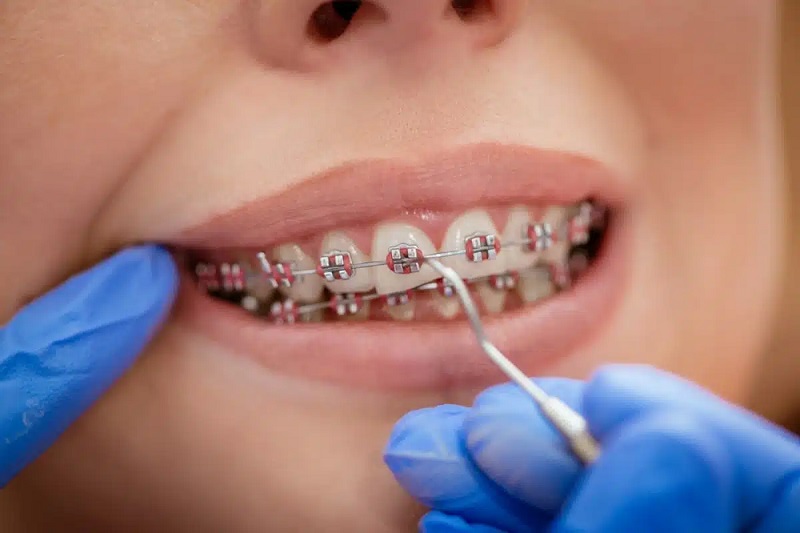
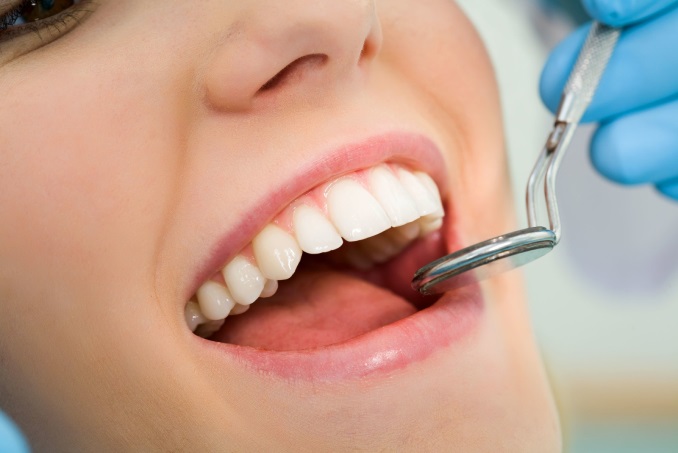
After Treatment, What Happens If You Don’t Wear Retainers? Whether utilizing clear aligners or braces, finishing an orthodontic situation is a big accomplishment. However, many patients are unaware that asserting that a flawless laugh after getting braces is not completely of the whole story. One essential last become involved preserving the belongings of months or even years of treatment is wearing retainers.

The repercussions of missing your retainer meetings could be more severe than you can imagine.

What Makes Retainers Important?

Your dentition may appear stable and straight after orthodontic treatment, but they are still moving to its new positions below the surface. To completely steady and hold the teeth, working the gums, bone, and ligaments requires time. Retainers are beneficial. You can also visit your orthodontist for more advice.

  • Prevent relapse, which is the process by which dentition returns to its original position.
  • Encourage the remodeling of tissue and bone.
  • Keep the adjustment that has been realized with aligners or braces.

What will Happen If You skip Retainers?

1. The dentition starts to move (relapse).

The most frequent and immediate consequence is relapse. If a retainer isn’t used to keep your dentition in place, it will begin to shift back because they have a thought of its prior position. For certain things, transformations can start inside a few days.

2. Bite misalignment may persist.

Orthodontic treatment may have fixed your bite question, such as an overbite, underbite, or crossbite. Without retainers, these bite issues may persist and cause problems accompanying including jaw pain or talk.

3. Alterations to your smile.

Even limited adjustments can influence noticeable changes to your smile. Teeth may slightly alternate, or gaps may reappear. These changes can not seem meaningful at first, but they can eventually come out and annoying.

4. Need supplementary care.

You will frequently require orthodontic treatment again if you miss retainers for a prolonged period. This keeps entail using braces, aligners, or additional corrective instruments, which would demand more time, money, and work on your part.

Detachable Retainers:

These can be removed for cleansing or meals. It takes self-control to wear them daily. Bonded to the back of your teeth, established (permanent) retainers provide 24/7 support without needing you to remember to wear them. Wearing detachable retainers is advised by apiece majority of orthodontists.

  • During the first three to six months following the situation, full-time.
  • Every night after that (either permanently or continually) to keep belongings aligned.

Conclusion

It can seem inoffensive to skip your retainers, particularly after your teeth are intact, but the truth is that relapse can happen more quickly than you might think. The best method to safeguard your investment and hamper future orthodontic work is to wear retainers as supervised. Wear your retainers whenever possible. It’s owned by your smile.

Dental visits scare many kids. Strange tools and bright lights stress. Parents often observe youngsters resist before the visit. Early fear might cause missed care and long-term difficulties. Creating safe and joyful experiences is crucial. Healthy behaviours stick with kids who feel safe at the dentist. Instead of avoiding them, dental visits become routine.

Understanding Dental Fear in Children

Children fear the unknown. Some kids worry when they hear about pain. Others are shy around new people. A young youngster may not be able to articulate their worry. A child may cry or refuse to sit on the chair. Without early intervention, fear can grow. Children may avoid care, causing cavities and gum disease. A soft approach can teach kids care is safe. Fear gradually lessens with trust.

The First Visit Builds Trust

First meeting sets tone for future meetings. The trip begins well when a child feels welcome. The dentist and staff should speak calmly. They should smile kindly at each child. They can explain innocuous tools to children. Mirrors can be tooth explorers. Explanations in humorous language reduce tool fear. Children gain control by touching safe tools. The mystery is gone and comfort is gained. First visits don’t usually require therapy. Sometimes it’s simply a tour and hello. This appointment builds trust for future appointments.

Making the Office Friendly and Fun

Dental offices should be light and pleasant for kids. Toys and books make a waiting area cosy. Walls can display colourful animal or friendly shape pictures. Fun themes soothe anxiety. Friendly staff greets maintain the friendly mood. A child who feels safe waiting will enter the chair more easily. A little music or soft lighting may shift the ambiance. Children smiling in the workplace make the visit less duty-like. Parents notice happy, not upset, kids. A cheery office makes dentist visits routine.

Gentle Methods that Work

Gentleness is vital for youngsters. Young children benefit from shorter visits. This lets them adjust gently. Children should grasp dentists’ friendly and plain language. Music or tiny toys might help distract during care. Children gain confidence by praising each step. These approaches are typically used by a Herriman dentist. Never rush; move at the child’s pace. Patience calms and fosters trust. Children gradually enter without fear. Knowing the visit will be gentle makes many like it. Stress becomes security and confidence using these methods.

Final Thoughts

Dental care for children goes far beyond fixing small teeth. It is about creating trust and joy that lasts for life. Each visit shapes how children see dental care for years ahead. A welcoming office and gentle team can change fear into peace. Parents play a key role by guiding children with calm support. Positive visits bring healthy teeth and a strong sense of confidence.

Newborn hiccups are incredibly common—and while they may look dramatic or sound a little alarming to new parents, they’re usually harmless. Most babies experience hiccups within the first few weeks of life, and these tiny diaphragm spasms often come and go without any discomfort. Still, when hiccups interrupt feeding or sleep, it’s natural to want quick and safe ways to soothe your little one.

In this guide inspired by the gentle, trusted care philosophy of Johnson’s Baby, you’ll learn seven proven, pediatrician-recommended methods to calm your baby’s hiccups—plus helpful prevention tips to keep them from returning.

Why Do Newborns Get Hiccups?

Hiccups occur when your baby’s diaphragm— the muscle beneath the lungs—contracts involuntarily. This sudden contraction causes the vocal cords to close quickly, producing that familiar “hic” sound.

Common triggers include:

  • Overfeeding

  • Swallowing air during feeds

  • Sudden changes in temperature

  • Excitement or mild irritation of the diaphragm

While harmless, hiccups sometimes interfere with feeding or sleep. That’s where these proven techniques come in.

7 Proven Ways to Soothe Your Newborn’s Hiccups Fast

1. Pause Feeding and Give Baby a Gentle Break

If hiccups begin mid-feeding, your baby’s stomach may be too full or they may have swallowed excess air. Pause the feeding for a few minutes and let your newborn relax.

A short break gives the diaphragm time to reset and helps reduce pressure in the stomach—often stopping hiccups naturally.

2. Burp Your Baby Slowly and Gently

One of the most effective hiccup remedies is simply to help your baby release trapped air. Burping can ease pressure on the diaphragm and soothe spasms quickly.

Try any of these burping positions:

  • Over-the-shoulder upright burping

  • Sitting baby on your lap and supporting the head

  • Laying baby across your lap on their tummy

Gentle, slow pats work best—avoid tapping too firmly.

3. Offer a Pacifier to Relax the Diaphragm

Sucking on a pacifier encourages steady breathing and relaxes the diaphragm muscles. Many newborns stop hiccupping within minutes after sucking rhythmically.

This method works especially well for babies who get hiccups when they’re excited or overstimulated.

4. Keep Baby Upright After Feeding

Holding your baby upright for 20–30 minutes after feeding helps prevent both hiccups and spit-ups. Gravity aids digestion and prevents air bubbles from rising, reducing the likelihood of diaphragm irritation.

This is especially helpful for babies who hiccup frequently during evening feeds.

5. Gently Rub or Pat Baby’s Back

Slow, circular motions on the back help your baby relax and can reduce diaphragm spasms. This soothing technique works well during bedtime or naptime hiccups.

Avoid quick or rough movements—calming, rhythmic motions are key.

6. Try Smaller, More Frequent Feedings

If your newborn is prone to hiccups during or after feeds, adjusting the feeding schedule may help. Smaller amounts of milk at more frequent intervals prevent the stomach from becoming overly full—one of the biggest triggers of hiccups.

This strategy works for both breastfed and bottle-fed babies.

7. Use Anti-Colic Bottles or Slow-Flow Nipples

Bottle-fed babies may swallow more air if their nipple flow is too fast or if the bottle design allows excess air bubbles.

Switching to slow-flow nipples or anti-colic bottles can dramatically reduce air intake, helping prevent hiccups before they start. Make sure the bottle nipple stays filled with milk during feeding to avoid gulping air.

Bonus: Prevention Tips to Reduce Future Hiccups

While hiccups can’t be eliminated completely, these simple habits can help minimize episodes:

Feed before baby gets too hungry

Crying increases air intake, leading to more hiccups.

Watch for early hunger cues

Rooting, sucking motions, and hand-to-mouth gestures indicate readiness for feeding.

Maintain a calm feeding environment

A relaxed baby feeds more slowly and swallows less air.

Avoid intense play immediately after feeding

Gentle cuddling is better than bouncing or tummy time right after meals.

Use proper latching techniques

For breastfeeding babies, ensuring a deep latch reduces air intake.

For more detailed information on this topic, explore Newborn’s Hiccups for trusted, research-based tips.

When Should You Be Concerned?

In most cases, newborn hiccups are normal and require no medical attention. However, speak to your pediatrician if:

  • Hiccups cause distress or crying

  • They interfere with feeding every day

  • They last more than an hour consistently

  • Your baby seems uncomfortable or spits up excessively

These may indicate reflux or another underlying issue.

Final Thoughts

Newborn hiccups are a natural part of early development, but knowing how to soothe them can bring comfort to both you and your baby. By using gentle feeding techniques, encouraging calm breathing, and minimizing air intake, you can ease your baby’s hiccups quickly and prevent frequent episodes.

With the right soothing strategies—and the trusted support of Johnson’s Baby—you can navigate this tiny challenge with confidence and care.