Author

Clare Louise

Browsing

Shockwave therapy is an established medical practise. As a non-invasive method, it is frequently used for the treatment of kidney stones and orthopaedic injuries. Recently, urologists have begun using this method to treat men with erectile dysfunction (ED).

For the time being, shockwave therapy for erectile dysfunction remains a form of treatment that is considered to be in the experimental stages (ED). There is some proof of its usefulness, but more studies are needed to determine whether it can replace or be used in conjunction with other proven treatments for erectile dysfunction and how well it works over the long term (ED).

Exactly what does shockwave therapy entail?

This method of treatment is known as low-intensity shockwave therapy among urologists. Medical terminology for the process of treatment (li-eswt). A wand-like device emits focused sound waves into the penile tissue, stimulating the tissue and increasing blood flow. A further advantage of the treatment is that it can hasten the healing process. In addition, it has been shown that low-intensity shockwaves can promote the development of new blood vessels and enhance blood flow in the penis, both of which are necessary for keeping an erection going strong.

Differentiating between Radiation Therapy and Shockwave Therapy

Radial wave therapy, which is widely available at both medical and non-medical facilities and is often advertised as a noninvasive treatment for erectile dysfunction, must be distinguished from shockwave therapy. It is possible to receive shockwave therapy at a local hospital. Non-medical settings also offer radial wave therapy. Some key distinctions are as follows:

  • Shockwave therapy
  • Evidence suggests it has the potential to improve circulation and even promote the development of new blood vessels.
  • Only a doctor or other medical practitioner with a valid licence and appropriate training should administer this treatment.
  • There has been no approval from the FDA for this drug to treat erectile dysfunction.
  • Ionizing radiation therapy
  • There is currently no evidence to support the claims that it can help with erectile dysfunction.
  • Due to its classification as a Class I medical device, it is exempt from oversight by the FDA (FDA).

You don’t need a medical degree or any other kind of formal training to give this treatment.

Shock wave therapy price

Since shockwave therapy is a novel approach to treating ED and is not yet covered by insurance, your urologist may recommend that you try other methods first. Normal shockwave therapy entails a series of six sessions; however, as more studies are done, this number may change. Each procedure has associated out-of-pocket costs of between $400 and $500. Your urologist will talk to you about payment options and other factors to consider before recommending a specific course of treatment.

The use of mild shockwaves in medical treatment

This is done in the comfort of a private examination room and does not necessitate the use of anaesthesia. There is no preparation on your part prior to the scheduled appointment.

You can return home whenever you like after finishing your treatment. You can safely make the trip back to your car. Some over-the-counter pain relievers, such as acetaminophen and ibuprofen, may be recommended by your doctor if you’re experiencing discomfort. There is no need for a doctor’s note to obtain these drugs. Most people can get back to their daily routines the day after receiving shockwave therapy; however, you and your urologist should talk about whether or not you need to slow down for a while to allow your body to heal.


If you think you have pain in the neck from the vagus nerve, you’re in the correct place. Learn all there is to know more about vagus nerve with our help and OTC products.

What is the Vagus Nerve, exactly?

Many people don’t know much about vagus nerves because they are a very mysterious topic. Often, people don’t even know it’s there until it gets hurt or pinched, which is when the problem starts. There are 12 nerves in the neck. It starts in the brain and goes through the spinal cord and the portion of our bodies.

The word “vagus” comes from the Latin word for “wandering,” which is what this nerve does: it jumps around our bodies. Even though you might not have known about it before today, it serves a number of different purposes.

The Parasympathetic Nervous System’s Leader

The American Council on Exercise says that the vagus nerve  is the most important part of the parasympathetic system. This implies that it’s a very important part of how the stomach, intestines, heart, and other parts of the body work. Since the nerve goes to the stomach, if you feel like something is wrong in your stomach, it may be due to this nerve.

What kinds of problems are caused by the vagus nerve?

When the Vagus Nerve is stimulated, different things can happen. Most are negative. It’s noteworthy that neck pain is just one of them. Aside from anxiety and depression, which have already been mentioned, other signs include epilepsy, migraines, arthritis, and so on. Another interesting link between the vagus nerve as well as the heart is that itchiness or inflammation can make it harder for the body to keep the heart rate in check, which can lead to tachycardia.

It is clear that the nerves in the head interact with organs all over the body, which makes it hard to figure out what causes what.

Vagus Nerve Damage

If the vagus nerve gets injured, you might feel pain in your neck, but you might also have other strange symptoms. Here are a few of the most common warning signs:

  • Hearing and neck ringing
  • Dramatic fluctuations in blood pressure that come with a faster heart rate
  • Nausea and vomiting
  • Constipation often comes after stomach pain.

To wake up feeling refreshed is a great benefit of getting adequate deep sleep. Many physiological processes, such as the repair and development of bone and muscle and the strengthening of the immune system, need a healthy individual to get a good night’s sleep. Most people tend to get their deepest sleep in the early portion of the night.

This article discusses natural methods that may aid in getting more deep sleep, including sticking to a regular sleep schedule, learning to relax and handle stress, cutting down on caffeine and alcohol, and making the bedroom a calm and restful place to sleep. If individuals’ sleeping troubles do not improve after trying the aforementioned approaches, or if their sleeping difficulties substantially impact their lives, they should contact a medical expert.

20 Simple Ways to Fall Asleep Fast: Exercise, Supplements & More

Methods for Inducing Deeper Sleep

By getting adequate hours of sleep overall and following other evidence-based suggestions for optimal sleep, you may effectively increase the amount of time spent in deeper phases of sleep. Most individuals enter a deep sleep state during the first two hours of sleep. Because of this, methods that help people go to sleep faster may also help them achieve deeper sleep more easily. So how to increase deep sleep?

It’s also possible for people to lessen or remove the stressors in their life that prevent them from sleeping well. From time to time, sleepers might make little modifications on their own. Nevertheless, if a medical condition or medication is suspected as the cause of poor sleep, patients should consult with their primary care providers.

Maintain a consistent bedtime.

Set a bedtime and waking time and stick to it. Studies have shown that people’s circadian rhythms are disturbed when their sleep-wake routines are not steady, so it’s best to stick to a regular bedtime and wake time every day, even if it means sacrificing some sleep on the weekends or other days off. People are more likely to fall asleep quickly if they stick to a regular sleep schedule.

Reliable Community Fund Management for Everyday Expenses

The guiding premise behind the creation of the Administration for Community Living was the belief that persons of all ages with disabilities should have the freedom to make their own decisions about where, with whom, and in what capacities they live their lives. People of all ages with disabilities are included in this category, not only the elderly.

How to Manage Your Stress and Chill Down

Stress and anxiety may make it hard to go to sleep and keep you awake. Studies have shown that people who are chronically stressed not only have problems getting or staying asleep, but also get less of the restorative deep sleep that is so crucial to their health. The National Center for Biotechnology Information helps advance medical and scientific understanding by making biomedical and genetic data more widely available. Methods of natural anxiety reduction include the practise of yoga and meditation, as well as other relaxation practises like deep breathing and yoga, which may improve sleep quality.

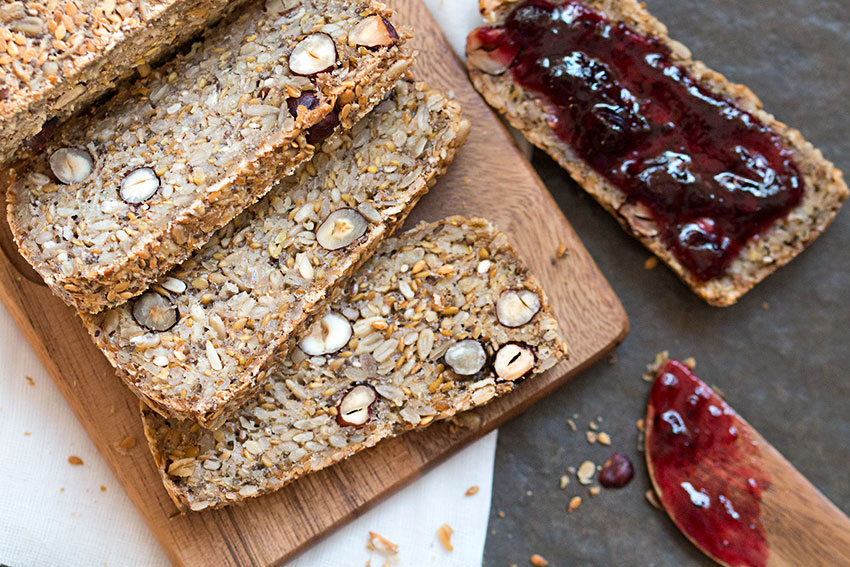
Best Gluten-Free Bread Recipe - The Healthy Tart

Benefits to health from eating gluten-free bread have been shown. Notwithstanding their sensitivity to wheat protein, many individuals in the United States still desire to eat bread on a daily basis. Athletes who are trying to maximise their performance may find that avoiding gluten is the best option.

If you wish to create your own gluten-free bread, there are a number of cookbooks available with recipes. Gluten-free bread has been gaining popularity as a means to improve one’s health, but a rising number of health-conscious consumers are beginning to question whether or not it really provides any health benefits. Thus, gluten-free breads may be found in many supermarkets and even some traditional bakeries.

Addresses Gluten-Related Disorders

Celiac disease, an autoimmune disorder, has a strong genetic component, and so tends to be hereditary. Individuals with celiac disease have a severe intolerance to the proteins found in wheat, rye, barley, and oats. There is no known cause, making it difficult to treat, and food restriction is the only known treatment.

Celiac disease, an autoimmune disorder, has a strong genetic component, and so tends to be hereditary. Wheat, rye, barley, and oat proteins are all problematic for those with celiac disease. There is no getting around the fact that this is a major roadblock. There is currently no known treatment for ‘inse, and dietary restrictions are the sole option.

Reading labels thoroughly is crucial for those who follow a gluten-free diet since gluten may be hidden in many processed and ready-to-eat foods. Consumers with Celiac illness may now again enjoy a tasty loaf of bread without worrying about the health risks it poses to their digestive systems. Choosing the gluten free bread mix is a nice option.

Helps Keep Your Digestion in Top Shape

Those who are gluten intolerant may have a delay in stomach emptying and the formation of scar tissue if they continue to try to digest gluten-containing foods. This might lead to unpleasant side effects such stomach cramps, gas, and bloating. Gluten-free bread, on the other hand, is easy on the digestive system. Gluten-free bread guarantees that the digestive system obtains all of its nutrients, which in turn encourages the formation of good bacteria populations in the digestive tract.

High in fibre content

To achieve the necessary flavour and texture, gluten-free bread cannot be made using wheat flour that has been industrially bleached and is of low quality.

Maintains Freshness

The freshness of the gluten-free bread you purchase is an important factor to consider. Several grocery stores may refrigerate or freeze gluten-free bread loaves to ensure that customers always get fresh loaves. When finished, the bread will have a rich taste and a soft, tender crumb.

Because you now know about the four major health benefits of eating gluten-free bread, you may consume as much bread as you want without guilt.

All-purpose bleached flour, flour, couscous, bran, wheat bran, and wheat starch are all off-limits to people with celiac disease; as of July 1, 2015, the “components” section of food packaging must include wheat as one of the ingredients.

Conclusion

Malt flavouring, which is often made from barley, is off-limits to those with celiac disease. Some celiacs may be able to eat oats, but only if they are completely gluten-free and consumed in moderation (no more than half a cup of dry oats daily). Alternative flours that do not include gluten include rice, corn (maize), soy, potato, tapioca, bean, quinoa, and nut flours.