Author

Clare Louise

Browsing

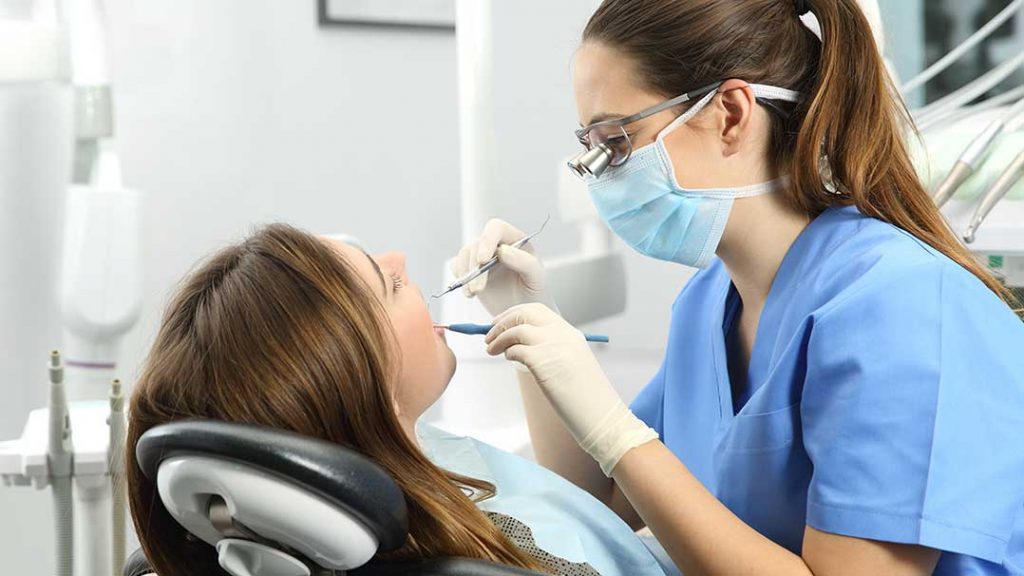
Oral surgery can be the answer when normal dental hygiene practices cannot address your dental issues. Oral surgery in Huntington Beach can help restore your mouth function and appearance. After the surgery, you can smile because you have no insecurities.

Issues that oral surgery can address

Oral surgery addresses complex dental issues that include:

  • Gum disease
  • Infected teeth
  • Missing teeth
  • Damaged teeth
  • Oral or facial injuries

The procedures

The different oral surgeries differ depending on the issues that your surgeon will address. If you have an injury or infection, your surgeon will recommend the most suitable treatment.

Extractions

You can undergo tooth extraction if you have an infected tooth or your tooth does not function anymore due to wear and tear. Whatever the reason, your surgeon will recommend a tooth extraction procedure if the tooth no longer serves you. Your oral surgeon will remove the tooth and suture the wound to allow healing.

Wisdom tooth removal

Your oral surgeon might recommend wisdom tooth removal if it grows improperly or causes overcrowding. When the tooth does not follow the correct formation of the rest of your teeth, it might lead to you biting yourself, which can be uncomfortable and painful. The outpatient procedure uses light sedation, and you can go home the same day.

Dental implants

Dental implants require the expertise of skilled oral surgeons for a successful outcome. Before you go in for the surgery, your surgeon will inspect your mouth and jawbone to ensure you are the right candidate for the procedure. For example, your surgeon will look at your jawbone to ensure it is strong to provide a foundation for the implant. If not, your doctor might recommend a bone graft before the procedure.

Bone grafts

A bone graft is a procedure you can undergo if your jawbone is not strong enough for a dental implant. Your surgeon will place you under general anesthesia and implant a new bone in your jawbone. The donor bone can come from you or a human bone bank.

If the bone comes from a different donor, your surgeon will mix it with your blood plasma to help the new bone fuse successfully with your jawbone. After the procedure, you will go home to recover. Once you heal, you can visit your surgeon for the dental implant procedure.

Repair of oral and facial injuries

If you have been in an accident and suffered facial and oral injuries, you can undergo surgeries to repair your upper or lower jaws. In severe cases, you can undergo surgeries for both jaws.

Preventive healthcare

Taking better care of your mouth and teeth will help prevent infections and dental injuries. Your primary dentist can help you come up with effective dental hygiene habits. If you play contact sports, you can wear protective gear to protect your teeth.

If you have dental issues, visit Orange Coast Dental Specialty for a suitable oral surgery procedure. You will meet experienced surgeons and specialists who can offer personalized treatment. Call or book an appointment online today.

The human body is a remarkable organism that performs a variety of functions to keep us alive, healthy and thriving. Bones are one of the most essential body parts because they provide structure, support and protection for our bodies. The human skeleton is made up of 206 bones; however, these bones are highly specialized to help us move, feel and stay balanced as we walk, run or lift heavy objects. An adult’s skeleton accounts for about 15 percent of their total body weight, with men having a higher bone density than women due to their larger muscle mass. While your bones might appear static and unchanging, they are constantly renewing themselves through a process known as bone maintenance. Bone health is an important topic because the risk of developing osteoporosis increases as you get older. However, there are many things you can do today to protect your bones tomorrow. Here are 8 ways you can keep your bones strong and healthy:

Stay active and exercise regularly

Regular exercise can help slow the loss of bone density, especially when it is performed at a high intensity. Certain types of activities, such as running, have been associated with an increased risk of bone loss. This is because running involves repetitive motion, which puts stress on your joints and bones. People who are healthy and have no underlying conditions related to bone loss can protect their bones with regular exercise. Exercises that have been shown to be highly beneficial include strength training, yoga, Pilates and weight lifting.

Eat a well-balanced diet

Bones are living tissues that require oxygen, calcium and other nutrients to maintain their health. Calcium is an important mineral when it comes to bone health because it helps maintain the strength and integrity of your bones. Vitamin D and magnesium are also essential for healthy bones because they support the absorption of calcium. While dairy products are often promoted as a calcium-rich food that can protect your bones, they may not be the best option for everyone. If you are lactose intolerant or have a dairy allergy, you can still meet your calcium needs with a well-balanced diet that includes leafy green vegetables, sesame seeds, dried figs and almonds.

Get enough sunlight each day

Vitamin D is a crucial nutrient for healthy bones because it supports the absorption of calcium. Vitamin D is most commonly obtained from fortified dairy products or supplements. However, one of the best sources of this essential nutrient is sunlight. In fact, your skin is able to naturally produce vitamin D when it is exposed to sunlight, which means that you don’t need to eat foods with vitamin D or take supplements to meet your daily requirements.

Watch your calcium intake

While calcium is extremely important for bone health, research has shown that taking excessive amounts of calcium may not be helpful because it can lead to kidney stones and gastrointestinal issues. Experts recommend taking no more than 1,500 milligrams of calcium per day and suggest that you get at least half of your daily calcium intake from your diet.

Maintain a healthy weight

Obesity has been linked to an increased risk of osteoporosis because it puts added stress on your joints and bones. Excess weight can cause your bones to break down at a faster rate than normal, which can lead to osteoporosis. Not only can maintaining a healthy weight help you avoid harmful joint conditions such as arthritis, it can also help keep your bones healthy and strong by reducing the amount of excess stress on your body.

Don’t smoke

Smoking cigarettes has been associated with an increased risk of developing osteoporosis and other bone-related illnesses. Smoking can negatively impact your bones by increasing the amount of calcium that is lost through your urine. This can lead to serious health problems if it isn’t corrected.

Check in with your doctor regularly 

If you are a middle-aged woman or older and are concerned about your bone health, you should consult with your doctor. Your doctor may recommend certain lifestyle changes — such as increasing your calcium intake or limiting your caffeine intake — to protect your bones. They may also recommend taking vitamin D supplements. Additionally, adding supplements high in antioxidants like NAC is another highly useful approach. Your doctor may also prescribe medication to treat osteoporosis and strengthen your bones. If you are concerned about your bone health and notice symptoms of osteoporosis, speak with your doctor right away. Your doctor can conduct a simple test to assess your risk of developing osteoporosis and help you develop a treatment plan.

Conclusion

Bones are essential for life, and keeping them healthy is crucial for living a long, happy life. Healthy bones are strong and can withstand many daily activities that could otherwise cause injury or pain. With the right diet and exercise routine, you can help keep your bones strong so you can live longer and feel better.

Aging and other factors can reduce collagen in your body, causing multiple undesirable signs that affect your appearance. Appearing and feeling older than you are can significantly affect your confidence, self-esteem, and overall quality of your life. Fortunately, treatments like Sculptra are there for your rescue. The Kingwood Sculptra specialists recommend the treatment to stimulate your body’s natural ability to produce collagen. As a result, many aging signs are brought down, improving your appearance. The treatment is safe and has been approved by the FDA to enhance your facial appearance. Here are some ways you can gain from Sculptra.

Promote Collagen Production

One of the greatest benefits of Sculptra is helping your body yield more collagen. Your doctor injects a synthetic substance into your dermis, stimulating your body’s collagen production process. The fibrous protein is critical in supporting your skin structures and supporting other crucial elements in your body, like elastin and hyaluronic acid. Such elements are crucial in your skin health, like keeping it hydrated and additional injections improve your skin’s overall appearance.  

 Plump Your shallow facial areas

The temples in your face are often overlooked but can make you look older than you are. Open areas in your face occur when you lose fat gradually and can only give you an older appearance. Fortunately, Sculptra has been found to reverse this aging sign delivering natural results with an impactful difference. The treatment delivers natural results minimizing the risks of overfilling or uneven results. The treatment is customized to fit your needs and gradually boosts lost collagen reproduction hence the natural results. 

Correct Fine Lines and Wrinkles

Wrinkles and fine lines are common with aging, but several factors can worsen them, making you look overaged. Fortunately, Sculptra can help you eliminate unwanted skin defects easily. The treatment boosts collagen production, which treats the underlying structures of your skin to fill the lines and wrinkles. Your provider injects the treatment in your bothersome areas like the chin and mouth, adding fullness and overall facial appearance. Your provider also can look into other factors that cause wrinkles and fine lines, like sun exposure, and advise you accordingly to maintain your results.

Lift Your Butt

Although Sculptra is commonly used to lift aging signs off the face, it can also be used in other parts of your body, like your butt. The treatment can perk up your butt when injected in the area. It will work the same way as in your face and fill up your buttocks due to enhanced collagen production. You might need several treatments to lift and tone your derriere over time to your desired results. Consult your doctor to understand if you are a good candidate for the butt lift.

Eliminate Your Allergy Risks

Other fillers can also be used, like Sculptra, but they pose the threat of an allergic reaction. Most fillers contain hyaluronic acid, which may not sit well with certain people. On the other hand, Sculptra contains Poly-L-Lactic Acid that has fewer chances of causing an allergic reaction. The substance is highly synthetic and fades away from your body as soon as it has jump-started the collagen production process.

Sculptra can be the solution to your facial skin imperfections. Get in touch with the Natural Obsession Aesthetic specialists to learn more about the treatment. Call in today or request your appointment using their website.

Transcranial magnetic stimulation (TMS) is a very effective type of noninvasive brain stimulation therapy that stimulates nerve cells through electromagnetic pulses. It may improve the symptoms of mental health or neurological conditions and is primarily used to treat treatment-resistant depression. Approved by the FDA in 2008 for depression treatment, it has since been adopted for the treatment of other conditions. Let’s review how TMS providers like Dr. Bryon K Evans can use this treatment.

Obsessive-Compulsive Disorder (OCD)

The FDA approved TMS for obsessive-compulsive disorder (OCD) treatment in 2018. As is the case with depression, it is usually recommended for patients whose symptoms are not responding to psychotherapy and medication. People with OCD have a hyperconnectivity between their striatum and prefrontal cortex and TMS can inhibit the activity in the latter, to eliminate the cause of symptoms.

Depression

Primarily, TMS is used to treat people with depression, or major depressive disorder (MDD). It is mostly recommended for patients for whom psychotherapy and medication have not brought relief – a condition referred to as a treatment-resistant depression. According to estimates, about 3 in every 10 people with depression do not respond to traditional treatments. Research done in 2015 shows that TMS can stimulate the nerve cells and increase the activity in the prefrontal cortex, which is the part of the brain behind depression symptoms, such as appetite changes and low energy levels.

Anxiety

Because TMS addresses psychological conditions like OCD and depression, it could also alleviate anxiety. This is because these conditions often result in anxiety symptoms. The treatment could also help treat generalized anxiety disorder (GAD) by reducing the nerve cell activity in the prefrontal cortex, which is often heightened in people with anxiety.

Schizophrenia

One of the primary symptoms of this chronic psychiatric disorder is auditory hallucinations. In fact, over 75 percent of people with schizophrenia experience them. A 2019 report shows that TMS can effectively alleviate auditory hallucinations by targeting the temporoparietal cortex. Which often becomes overactive in people with schizophrenia.

 Post-Traumatic Stress Disorder (PTSD)

A 2019 review showed the effectiveness of TMS treatments on PTSD. Because it targets the prefrontal cortex, TMS can regulate how you process worry and fear. This treatment is often more effective when combined with cognitive processing therapy and can create a therapeutic effect lasting 6 months.

Nicotine Addiction

Nicotine releases the aptly called “happy hormone” or dopamine, which signals your brain’s reward system and prefrontal cortex, leading to addiction and cravings. A 2013 study shows that TMS treatments that target the prefrontal cortex can promote dopamine release, decreasing the need for nicotine and reducing cravings.

Alzheimer’s Disease

Alzheimer’s disease is a form of dementia. Some reports show that TMS could have benefits for patients with this condition, which results in progressive cognitive decline and memory loss. According to recent research, the treatment could alter the neural connections responsible for learning and memory, in turn improving the symptoms of Alzheimer’s disease.

Sometimes, medication and therapy fail to alleviate symptoms of anxiety or depression. This is when transcranial magnetic stimulation (TMS) comes into play. As one of the most effective and innovative modern treatments, it can be used to address several mental health conditions. You can contact the team at Psychiatric Consultants of Atlanta to learn more about this treatment and how it can help you.