Category

Dental Care

Category

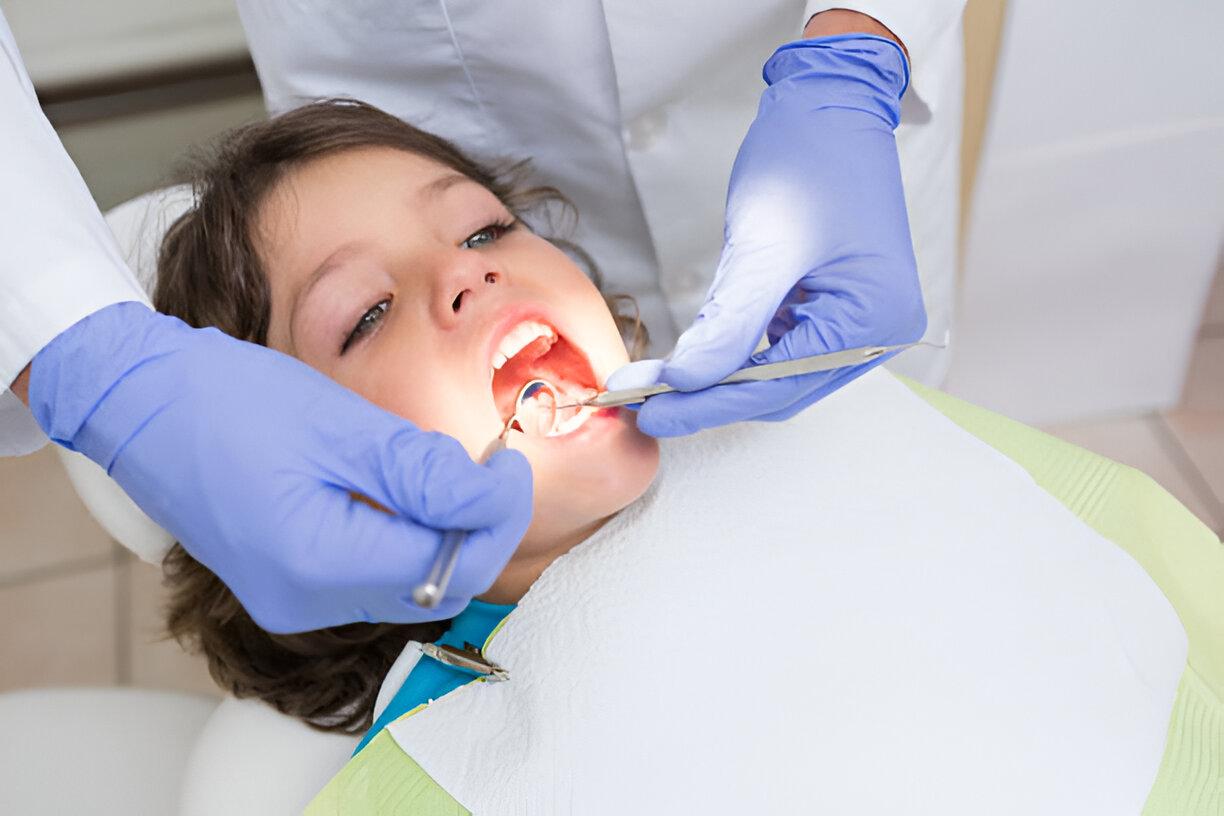
When it comes to your child’s orthodontic treatment, time is of the essence. The earlier your child gets treatment, the better the results. Generally, experts recommend taking children to a pediatric dentist before they turn seven. This is the perfect time for a Cumming, GA pediatric orthodontist to identify any issue. However, orthodontic treatment can still be sought at age seven and beyond.  As a parent, you must take your child to their dentist and facilitate their orthodontic checkups and treatment.  

Benefits of Orthodontic Care for Kids

When you decide whether or not to take your child to an orthodontic dentist, you must consider some factors. But here are some reasons early orthodontic treatment is important:

  • Detect possible dental issues early. At 7 years old, your child’s molar teeth have developed to establish backbite. Such age is the right time for an orthodontist to easily access teeth relationships. This allows them to establish any possible issues with an overbite, backbite, gummy smile, and crowded teeth. 
  • Guide jaw growth. Early orthodontic treatment can be essential for guiding jaw growth in some children. This makes sure your child has a proper bite. The dentist can use a special appliance for guiding jaw growth while it’s growing and developing. 
  • Help break bad oral health habits. In children, oral habits such as tongue thrusting and thumb sucking can lead to teeth misalignment. This misalignment can lead to changes in your child’s jaw shape. By letting your child see an orthodontist at a young age, their bad oral habits can be corrected early.
  • Allow for easier and less costly treatment. By having your child’s orthodontic issue addressed as early as possible, the treatment process is more comfortable and less costly. When not treated immediately, any dental issue can require lengthy, more extensive, and more expensive procedures. 
  • Detect non-erupted teeth. An orthodontist will use X-rays to detect any teeth that have not erupted. This lets the dentist address different orthodontic issues. In turn, your child enjoys self-confidence and a healthy smile. 

What Happens During Your Child’s First Orthodontic Appointment

Your child’s first visit to an orthodontist is meant to assess their dental tissue and determine if they need treatment. The pediatric dentist will take X-rays and photographs of your child’s dental formula. Then, they may offer a diagnosis, discuss the issues, and recommend an appropriate solution. If your child needs treatment, the dentist will suggest a treatment plan and offer an estimated cost along with various payment options. Also, the dentist may recommend dental appliances to use, like aligners, braces, or expanders. 

Introduction

They are responsible for creating various dental appliances, including dentures, crowns, bridges, and implants. These appliances must be of high quality and precision to ensure they fit comfortably and function correctly. To achieve this, dental labs rely heavily on cutting-edge equipment like Abutment Laboratory sedgwick county ks.

This blog will make you understand the different types of advanced equipment used in dental labs, including CAD/CAM technology, digital radiography, 3D printing technology, and laser technology.

CAD/CAM Technology

CAD/CAM stands for Computer-Aided Design/Computer-Aided Manufacturing. This technology is used in dental labs to create highly accurate and precise dental restorations. With CAD/CAM technology, a dental technician can design a dental restoration on a computer. The computer will then guide a milling machine to create the restoration from a block of material.

Dental labs in NYC utilize CAD/CAM technology to create dental restorations that are highly accurate and precise. Some examples of CAD/CAM equipment used in dental labs NYC include the CEREC system, the E4D system, and the Planmeca system. These systems have revolutionized the way dental restorations are created, making the process faster and more efficient.

CAD/CAM technology also benefits patients looking for a denture lab near me. With this technology, dental labs can create highly accurate and precise dentures that fit comfortably and function correctly. Patients can also expect a shorter turnaround time for their dentures, as the process of creating dentures with CAD/CAM technology is much faster than traditional methods.

Digital Radiography

Digital radiography is another advanced technology used in dental labs. This technology replaces traditional X-ray film with electronic sensors that capture and store digital images of a patient’s teeth and gums. Digital radiography offers several advantages over traditional X-rays, including reduced radiation exposure, faster image processing, and improved image quality.

Dental labs in NYC utilize digital radiography to improve the accuracy and precision of dental restorations. Some examples of digital radiography equipment used in dental labs NYC include the Sirona XG3D cone beam computed tomography (CBCT) system, the Planmeca ProMax 3D imaging system, and the Vatech PaX-i3D Green imaging system. These systems provide dental technicians with highly detailed and accurate images of a patient’s teeth and gums, making it easier to design and create dental restorations that fit comfortably and function correctly.

Digital radiography is also beneficial for patients looking for a denture lab near me. With digital radiography, dental labs can create highly accurate dentures that fit perfectly in a patient’s mouth. Digital images can also be shared with a patient’s dentist, allowing for more accurate diagnoses and treatment planning.

3D Printing Technology

3D printing technology has revolutionized the dentistry field, allowing dental labs to create highly accurate and precise dental restorations. With 3D printing technology, a dental technician can create a digital model of a patient’s teeth and gums, and the 3D printer will then use that model to create the restoration.

Dental labs in NYC utilize 3D printing technology to create dental restorations that are highly accurate and precise. Some examples of 3D printing equipment used in dental labs NYC include the Stratasys Objet260 Dental 3D Printer, the EnvisionTEC Vida 3D Printer, and the Formlabs Form 3B 3D Printer. These printers can create highly detailed and accurate dental restorations, including crowns, bridges, and implants.

3D printing technology is also beneficial for patients looking for a denture lab near me. With 3D printing technology, dental labs can create highly accurate and precise dentures that fit comfortably and function correctly. Patients can expect a shorter turnaround time for their dentures as well, as the process of creating dentures with 3D printing technology is much faster than traditional methods.

Laser Technology

Laser technology is another advanced technology used in dental labs. Lasers can be used to cut, shape, and weld materials, making them ideal for creating dental restorations. Lasers are also highly precise, allowing for highly accurate and precise dental restorations.

Dental labs in NYC utilize laser technology to create dental restorations that are highly accurate and precise. Some examples of laser equipment used in dental labs NYC include the Biolase Waterlase laser system, the Sirona CEREC AC with Bluecam and Omnicam, and the KaVo DIAGNOdent pen. These systems allow dental technicians to create highly precise and accurate dental restorations, including crowns, bridges, and implants.

Laser technology is also beneficial for patients looking for a denture lab near me. With laser technology, dental labs can create highly accurate and precise dentures that fit comfortably and function correctly. Patients can expect a shorter turnaround time for their dentures as well, as the process of creating dentures with laser technology is much faster than traditional methods.

Conclusion

In conclusion, cutting-edge equipment plays a crucial role in dental labs, allowing dental technicians to create highly accurate and precise dental restorations. CAD/CAM technology, digital radiography, 3D printing technology, and laser technology are just a few examples of advanced equipment used in dental labs today. These technologies have revolutionized the field of dentistry, allowing for faster, more efficient, and more accurate dental restorations. As technology continues to evolve further, we can expect even more innovative equipment to emerge in the dental industry.

Although many people perceive missing one or more teeth as an aesthetic issue, it is typically more than that. Teeth loss doesn’t only affect your oral functionality but also how you speak and eat. While your smile is unique, unavoidable circumstances like tooth decay, injuries, and infections can result in tooth loss. Thankfully, dental implants Carthay procedures are custom to your precise needs. Dental implants make unimaginable improvements beyond looks, regardless of your condition. These artificial, natural-looking teeth serve the same purpose as your original teeth making your smile more glamorous. It’s no wonder why dental implants are a popular choice. Whether missing one or numerous teeth, here are five reasons you should get dental implants.

Implants perfectly look and function like your natural teeth

Unlike other tooth replacement procedures, dental implants blend seamlessly with your teeth and function better like your lost teeth. This is because implants are aesthetically appealing, making it difficult for others to notice you are not wearing them. Moreover, dental implants work similarly to your teeth, meaning you can comfortably eat, brush and floss like before.

Implants come in handy in preserving your remaining teeth

Once you consider an implant, you will benefit your overall oral health. Your teeth are naturally designed to support each other, and if one or more is missing, you’re at risk for more long-term dental issues. For instance, with a gap in your gums, your teeth will shift or become weak, making them vulnerable to dental problems. However, with implants, the replacement is done strategically to strengthen your teeth and fill the gap susceptible to oral infections.

Implants are substantial and can last a lifetime

When it comes to durability, dental implants are unique. Typically, implants are crafted in a manner they tightly fuse with your jawbone in a process known as osseointegration. For this reason, your dental implant is intended to be permanent. Although the crown sitting on top of your implant requires replacement, an implant can last a lifetime.

Implants are instrumental in improving your appearance and confidence

In most cases, having a missing tooth lowers your self-consciousness and appearance. Similarly, facial sagging is another consequence of jawbone volume loss resulting from teeth loss. Nevertheless, implants can give you a reason to smile once again. When your teeth alignment is reclaimed, you can effectively smile, boosting your facial and overall look.

Dental implants are versatile and convenient

Despite your number of missing teeth, implants are effective in replacing them at your convenience. Implants don’t require messy adhesives and overnight soaking compared to other teeth replacement procedures. Also, implants are easy to floss and maintain, making eating and talking convenient.

Tooth loss can cause embarrassment, especially when you have been fond of comfortably eating or smiling. However, that doesn’t mean your situation is inevitable! At Smile Perfector Dental Group, Dr. David Shouhed and his team offer top-notch implants to ensure you regain your lost gorgeous smile. In addition, our team tailors an individualized plan that fits all your needs. If your smile affects your quality of life, consider booking your appointment with Dr. Shouhed today!

Your smile is vital in social relationships as it creates the first impression and determines how people view you. Caring for your teeth is the first step toward maintaining your gorgeous smile. The Gentle Touch Dental PC recommends regular cleanings to preserve your white smile and prevents dental issues such as tooth decay.

An overview of dental cleaning

Poor oral hygiene can result in severe tooth decay, which can eventually cause tooth loss. While regular brushing and flossing keep your teeth clean and healthy, it is not enough. Plaque, tartar, and bacteria may hide in hard-to-reach places only dental cleaning can reach.

Although many dental practices recommend twice-a-year dental cleaning sessions, people with a high risk of decay should get professional cleaning more often. Pregnant women, children, and adults with medical conditions like diabetes and people with periodontal disease should also get regular dental cleanings. Your provider will create a dental cleaning schedule depending on your unique oral needs.

What a dental cleaning appointment involves

Dental cleaning refers to more than scraping plaque and tartar from your teeth. During your appointment, your provider performs a thorough oral and physical exam of your neck and facial area. The exam may include measuring your temperature, pulse, respiration, and blood pressure. The team may also review your dental history for more information. Your dental specialist may also order imaging tests like X-rays to determine any abnormality that may require referral to a specialist.

Afterward, they use cleaning equipment, water, and suction to scrape tartar and plaque from your pearly whites. Your provider then uses a special toothpaste and mechanical toothbrush to polish the teeth before flossing. Sometimes your doctor may order oral cancer screenings during your visit.

What your mouth will feel like after dental cleaning

The lingering effects of dental cleaning depend on the amount of scaling done and the cleaning equipment used. You may have a funny feeling in your mouth that goes away after a while. You are bound to be excited by the plaque-free and smooth texture when you touch your teeth with your teeth. After the procedure, your dental hygienist may instruct you how to brush and floss to keep your teeth healthy. They may also advise against smoking and give you nutritional advice to strengthen your teeth. You can also ask your doctor how long you should wait before eating or drinking after your treatment.

How you can benefit from dental cleanings

Dental cleanings are a big step toward keeping your teeth clean and healthy and preventing dental problems that could cost you your teeth. During your visits, your dental hygienist and dentist can screen for problems before they become complicated. Some of the issues regular cleanings prevent, include infection, gum disease, cavities, and decay.

 Medical research shows that heart and oral health are interconnected, and regular cleanings can also prevent systemic problems resulting from gum disease. Healthy teeth translate to overall wellness, and dental cleanings are a vital part of the oral care routine.

Call the facility or schedule an appointment online to explore more about dental cleaning.