Category

Dental Care

Category

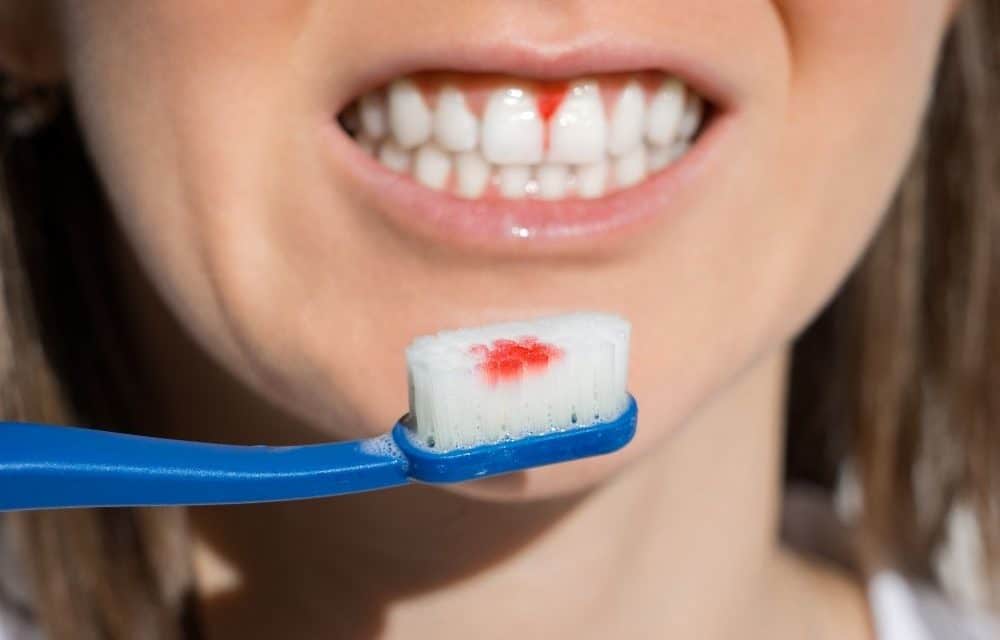
Maintaining good oral health can be as simple as brushing and flossing daily, coupled with regular dental visits after every six months. However, most people find this routine exhausting and leave their mouths untended, predisposing them to different gum diseases, including periodontitis. If your gums are bleeding while you brush, you might be worried that your condition has aggravated. However, regular Midtown East family dentistry checks help determine the stage you are at and how to prevent further deterioration. Tag along.

Stage 1: Gingivitis

Generally, periodontitis is not painful, and it is possible to miss the very first signs. Gingivitis is the first stage of periodontitis and results from plaque build-up around the teeth. This may cause swelling along the gum line, and you are likely to experience some bleeding when brushing. At this stage, the symptoms are mild and reversible. With consistent brushing, flossing, and professional teeth cleaning, you will be able to prevent further dental issues. For damaged or weakened teeth, advanced options like same day crowns San Jose patients rely on can restore strength and appearance in just one visit.


Stage 2: Slight Periodontitis

At this stage, the infection is aggressive, has reached the bone, and is already wrecking the bone tissues. The symptoms include increased swelling and redness of the gums and bleeding when brushing or flossing. Even though Slight periodontitis is not reversible, it is manageable. To diagnose the condition, your dentist does this by probing the depths between the gums and teeth. If it is above four millimeters, treatment interventions will include extensive gum cleaning to remove deeply rooted bacteria deposits.

Stage 3: Moderate Periodontitis

The only difference between slight and moderate periodontitis is that the probing depths are above 6 millimeters. Deep pockets between the teeth and gums mean more bacterial attacks on the teeth and the jawbone. At this stage, the bacteria can easily make an entry into your bloodstream and compromise your immune system. Treatment intervention will include deep cleaning procedures, such as scaling and root planing, to remove bacterial deposits from deep below the gum line.

Stage 4: Advanced Periodontitis

This is the final stage of periodontitis. At this stage, the infection has advanced to a disease-causing bacteria. The stage presents a 50-90% chance of irreversible bone loss. The symptoms include swollen, red gums that ooze pus, extreme sensitivity to cold, painful chewing, loosened teeth, and severe bad breath. If the condition is left untreated, you risk gaps between teeth, gum recession, and other severe health conditions. Surgery or periodontal laser therapy becomes a necessity at this stage to clean out the deep pockets of bacteria below the gums and allow the infected tissues to recover.

Symptoms of periodontitis may take a while to manifest, and it is possible to only catch the symptoms when the condition is already in the fourth stage. Treatment of the disease varies depending on the severity of the condition. As such, regular dental visits are key to maintaining proper oral hygiene. This makes it easier to catch the disease early when it is most treatable and reversible. Treatment may include antibiotics and deep teeth cleaning if the symptoms are identified earlier. However, if it is in the advanced stage, you may require surgery to remove the infection.

Dental crowns are teeth-shaped caps placed over damaged or decayed teeth to restore their shape and function. A crown can cover a dental implant, protect a decayed or broken tooth, cover a misshapen tooth, or support a tooth with a large filling. A dental bridge replaces a missing tooth. It involves your dentist installing a false tooth called a pontic supported by a crown on either side of the gap left by the missing tooth. Richmond crowns and bridges are made from strong materials like porcelain, making them durable. There are many benefits of crowns and bridges, including:

Restore tooth structure and function

Dental crowns protect damaged teeth. If you had a root canal treatment, it could make your tooth weak. A dental crown covers the fragile tooth and restores its structure and function. Dental bridges also help restore the function of your teeth. They fill the gaps of missing teeth enabling you to eat and chew normally. By filling empty gaps, bridges also improve your speech. An experienced dentist in Detroit, MI can provide custom crowns and bridges to restore both strength and confidence in your smile.

Aesthetic enhancement

Dental crowns and bridges improve your teeth’ appearance and smile. Ceramic crowns can blend well with your natural teeth, improving your dental look. Your dentist can match the crown color with your surrounding teeth, making them less noticeable and giving you a brighter smile. Dental bridges replace lost teeth, restoring your dental look and smile.

They are durable

Crowns are among the dental treatments known to last for a long time. They are made from strong and high-quality materials like metals or porcelain combined with metal, increasing their durability. Like crowns, bridges also last for a long period.

They prevent further damage

Crowns and bridges hold teeth together, preventing future teeth loss. They act as natural teeth by stimulating the jawbone constantly, preventing deterioration and making it strong. If you have damaged teeth, crowns limit breakages, preventing destruction from reaching your teeth’ nerves. Missing teeth can lead to the shifting of surrounding teeth leading to misalignment. Bridges help keep your teeth in a stable place, preventing misalignment.

They end pain

When a tooth breaks from any injury or accident, it becomes sore, sensitive, and painful. Bleeding may also happen. Dental crowns protect damaged teeth, ending pain and preventing further damage. Dental brigades replace missing teeth, relieving sensitivity and pain.

Improve oral health

It becomes challenging to maintain your oral hygiene when you lose some of your teeth, or they are broken. Sometimes you may bleed when you floss or brush them too hard. Missing or damaged teeth can lead to pain or swollen gums. Dental crowns and bridges correct all these problems and help you maintain oral health.

They boost self-esteem

Losing teeth destroy your dental appearance, facial structure, and smile, affecting your confidence and self-esteem. Dental crowns and bridges restore your teeth’ structure and natural appearance, boosting your self-esteem. Dental bridges replace lost teeth, restoring your facial structure, hence improving your self-confidence.

Dental crowns correct damaged and broken teeth, while bridges replace lost teeth. Crowns and bridges restore teeth structure and function, improve oral health, boost your smile and prevent further dental damage. Schedule an appointment with Juan M. Carrillo, DMD, for crowns and bridge placement to restore your dental look and smile.

Dental implants are one of the best dental treatments for various issues related to your teeth. However, they do not come at a cheap price, which can make one wonder whether implants are worth the money. To answer your question in one word: yes. Dental implant treatment, when executed by an experienced and qualified dentist, can change and improve your life. Trusted Lansing family dentistry services can provide comprehensive implant care along with other treatments to restore both function and confidence in your smile.

Most people who are reluctant to get this treatment or believe it is not worth it do so due to myths or the price tag attached to it. You can get your doubts answered by consulting with a dentist. Additionally, many bethesda dental implants dentists are willing to offer installment or other payment options that work for their patients. 

Are dental implants worth the money?

Dental implants are worth the money if your teeth make it impossible for you to chew, bite and eat food without feeling sharp pain. Constant and persistent tooth pain can decrease the quality of your life and hinder your daily life activities as well as your career. 

Here are some of the benefits you can enjoy with a dental implant: 

  • Dental implants give you aesthetically beautiful results. Not only do your teeth function properly, but look white and bright. 
  • Dental implants feel just like your natural teeth. You won’t get the feeling of wearing dentures, braces, or any other dental device. 
  • Dental implants are a permanent and one-time solution to your dental problems. You won’t have to get them replaced frequently as they can last for a decade or even more. 
  • Dental implants are easy to clean. You won’t need to do any extra steps. Just brushing twice and flossing is fine to maintain them. 

Some other primary benefits of dental implants are: 

  • An increase in self-esteem
  • Enhanced comfort
  • Convenience
  • Improved speech
  • Oral health benefits

Should everyone with dental problems invest in dental implants?

Quality of treatment-wise, dental implants are excellent for improving the functionality of your teeth. However, whether it is worth it for you depends on your budget, the severity of the problem, your needs, and your personal preferences. On the other hand, while it is true that dental implants are not cheap, they are a permanent and long-term solution. With one treatment, you can get relief for more than ten years. 

Another essential factor in determining whether implants are right for you is candidacy. You should be a good candidate for implants to enjoy their benefits. Basically, you will need to have enough bone tissue for the titanium screw to be placed. If you do not have the desired bone tissue level, you may need to undergo an additional surgery called bone grafting. 

It is up to you to decide whether going through all the hassle is worth it. 

Cancer is a word nobody wants to hear. It shakes us to our core. Imagine though, catching it at an early stage, minimizing the damage, maximizing survival. This is the crucial role that general dentists play in detecting oral cancer early. It’s something we at the naples dental and wellness center are deeply committed to. Picture yourself strolling into our clinic for a routine check-up, unaware that this visit could be a life-saving one. In this blog post, we’re going to delve into the critical importance of your general dentist in the early detection of oral cancer. So grab your toothbrush and get comfortable – this is information you don’t want to miss.

The Silent Threat of Oral Cancer

Oral cancer. It’s a silent threat. It creeps in, often unnoticed, disguised as something benign. A sore that doesn’t heal. A lump. A rough patch. By the time you realize it’s not just an irritating inconvenience, it might be too late.

Detecting the Undetectable

This is where the general dentist steps in. We’re like detectives, but our crime scene is your mouth. We’re trained to spot the slightest abnormalities. We have the tools and the knowledge to catch this silent threat in its early stages.

Three Signs to Watch For

Here’s the kicker, though – you’re part of this detective team, too. There are three warning signs you can look out for:

  • A persistent sore in your mouth.
  • A lump or thickening in the cheek.
  • A white or red patch on the gums, tongue, tonsil, or lining of the mouth.

If you notice any of these, schedule an appointment with your dentist immediately.

The Crucial Role of General Dentists

General dentists are on the front lines of this battle against oral cancer. Every six months, we do a thorough examination of your mouth. We look for changes. We ask you about any concerns. We’re not just checking for cavities – we’re checking for cancer. Alongside preventive care, patients can also benefit from cosmetic dentistry in Montebello, which focuses on enhancing smiles while maintaining overall oral health.

Early Detection is Key

Early detection is key. The earlier oral cancer is caught, the better the chances of successful treatment. It’s not just about survival, though. It’s about quality of life. Catching oral cancer early means less invasive treatment, less damage, and less pain.

Make an Appointment Today

Don’t wait. Make an appointment today. Even if you think it’s nothing, it’s better to be safe than sorry. It’s a small step that could end up saving your life. Remember, we’re here to help – at the Naples dental and Wellness Center, catching oral cancer early is part of our mission. We’re committed to keeping your smile healthy – and keeping you alive.