Category

Health

Category

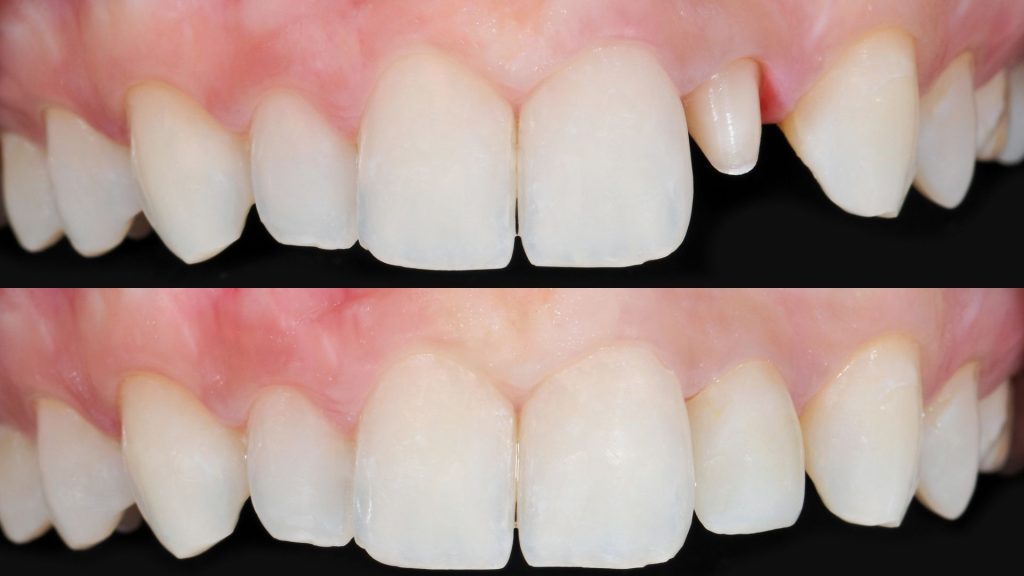
Maintaining good oral health is crucial for a confident smile and overall well-being. Dental restorations like fillings, crowns, and bridges play a vital role in preserving the integrity of damaged or decayed teeth. However, despite their durability, these restorations are not indestructible and can occasionally become damaged or broken. Knowing how to manage broken dental restorations is essential to prevent further complications and ensure the longevity of your dental work. In this blog, we will provide guidance on dealing with broken or damaged dental fillings, crowns, or bridges, allowing you to take the appropriate steps to safeguard your oral health. 

Recognizing Broken Dental Restorations:

The first step in managing a broken dental restoration is to recognize the signs of damage. Common indications include sharp edges, sensitivity to temperature changes or pressure, visible cracks, or the restoration falling out altogether. If you experience any of these symptoms, it’s crucial to seek dental attention promptly. 

Immediate Action:

When you notice a broken dental restoration, it’s essential to act quickly to prevent further complications. Rinse your mouth with warm water to keep the area clean and free from debris. If a filling or crown has fallen out, try to keep it safe as your dentist might be able to reattach it.

Avoid DIY Fixes:

While it might be tempting to try home remedies or DIY fixes for broken dental restorations, it’s crucial to resist the urge. Using household glues or temporary filling materials can damage your teeth further, introduce harmful chemicals to your mouth, and complicate the restoration process for your dentist. Always seek professional dental care to ensure the problem is addressed properly.

Covering the Affected Area:

If your dental restoration has broken, and you cannot visit the dentist immediately, you can use temporary measures to protect the exposed tooth. Drugstores often sell dental cement or temporary filling material over-the-counter. Apply a small amount to the damaged area, following the instructions carefully. However, remember that this is only a short-term solution, and you should still visit your dentist as soon as possible. 

Maintaining Oral Hygiene:

Keeping the affected area clean is crucial to prevent infection and further decay. Continue with your regular oral hygiene routine, but be gentle around the broken restoration. Brush and floss carefully to avoid aggravating the situation. Additionally, consider using a mouthwash recommended by your dentist to help reduce bacteria in your mouth.

Avoiding Certain Foods:

While waiting for your dental appointment, it’s wise to avoid certain foods that could cause discomfort or damage to the broken restoration. Hard, crunchy, sticky, or extremely hot/cold foods should be avoided, as they can exacerbate the issue and cause pain.

Visiting Your Dentist:

Without a doubt, the most critical step in managing broken dental restorations is to visit your dentist or an emergency dentist promptly. Professional dental care is essential to assess the extent of the damage and determine the appropriate course of action. Your dentist will examine the affected area, provide necessary treatment, and potentially reapply or replace the dental restoration.

Prevention for the Future:

Once your dentist has addressed the issue, discuss preventive measures to reduce the risk of future damage. Proper oral care, regular dental check-ups, and avoiding habits like teeth grinding or biting on hard objects can help extend the lifespan of your dental restorations.

Conclusion

Broken or damaged dental restorations can be concerning, but with timely action and professional care, the situation can be effectively managed. Always prioritize your oral health and seek dental attention as soon as you notice any issues with your dental fillings, crowns, or bridges. With a little vigilance and the right guidance, you can maintain a healthy and beautiful smile for years to come. Remember, your dentist is your best partner in ensuring the longevity of your dental restorations and preserving your oral health.

Our bodies can perform amazing feats of strength, endurance, and agility. They are, nevertheless, susceptible to wear and strain. The muscles and joints can become damaged, injured, or strained over time. Regenerative medicine provides a novel approach to treating musculoskeletal injuries and disorders. Consult a professional today to get more information on irving tx regenerative medicine

What is stem cell therapy? 

Stem cell therapies have grown in popularity because of their excellent efficacy and up to 80% success rates. It is a contemporary form of regenerative medicine employing a distinct biological component called stem cells. Chronic illnesses, musculoskeletal injuries, and even heart and lung ailments are some of the most popular uses for this treatment. New research is constantly being published that investigates and supports the efficacy of this therapy.

What distinguishes it from standard transplants or surgical procedures? This regenerative therapy is not the same as an organ transplant, in which a donor provides a new organ that must be integrated into the body. The procedure is minimally invasive and has little to no risk of physical rejection. Stem cells are simply injected into infected areas. They allow the body’s inherent healing ability to renew and make new, healthy cells to replace damaged or injured ones.

How do stem cells function? 

Stem cells are biological components that arise spontaneously. They divide and multiply like other cells to generate new tissues and organs. However, after birth, most cells can only generate new copies of themselves. Hair cells, for example, will only duplicate more hair; these cells cannot generate lung cells or muscular tissue.

Specific cells, such as those that make up the heart muscle, are only created at birth and cannot be replicated again. As a result, heart disorders are frequently severe because no new cardiac muscles can replace destroyed or diseased cells. Heart cells may be able to renew or enhance their function with the assistance of stem cell therapy.

Why stem cells are remarkable

Unlike the majority of human cells after childbirth, stem cells can develop into any kind of cell in the body. When a child develops in the womb of a mother, stem cells proliferate and divide to become different types of cells. Stem cells may divide and expand to form brain cells, heart cells, skin cells, and anything else required to form a human newborn. Unfortunately, neither the infant nor the mother produces these cells after delivery. Because of this, they must be collected or preserved in a medical institution for future use. 

Diabetes is a long-term health problem that occurs when your pancreas does not make enough insulin – a hormone that lets sugar into your body’s cells for use as energy. Without insulin production, glucose accumulates in your bloodstream, causing high blood sugar (hyperglycemia). Over time, high blood sugar can cause complications such as heart disease, chronic kidney disease, vision loss, nerve damage, and other problems. There is a lot of information about Lafayette diabetes, but the following facts summarize all you need to know about this condition.

There are three types of diabetes

Type 1 diabetes is an autoimmune condition that occurs when your body’s defense system mistakenly attacks the beta cells in the pancreas that produce insulin. It is not clear what prompts the attack, but genetic and environmental reasons may play a role. Type 2 diabetes occurs when the cells resist insulin action, and the pancreas produces more insulin until it can’t meet the demand. Eventually, insulin production decreases, resulting in high blood sugar. The exact cause of type 2 diabetes is unknown, but contributing factors include a sedentary lifestyle, obesity, and genetics. Health factors and environmental reasons may also play a role.

Gestational diabetes occurs for the first time in pregnant women due to the insulin-blocking hormones produced during pregnancy. This type of diabetes is often seen in people with prediabetes or a family history of diabetes. Gestational diabetes usually disappears after pregnancy, but about 50% of women develop type 2 diabetes.

Type 2 diabetes is the most common type

About 11% of the population, which is about 37.3 million people in the United States have diabetes. Out of the number, type two diabetes accounts for 90% to 95% of all diabetes cases, making it the most common form.

Type 2 diabetes is preventable

While type 2 diabetes is common, it is also largely preventable with a few lifestyle changes. Prevention is especially crucial if you are at a higher risk of type 2 diabetes due to obesity or a family history of diabetes. You can still prevent or delay the onset of type 2 diabetes if you have been diagnosed with prediabetes – a type of diabetes where your blood sugar exceeds the normal level but is not high enough to be diagnosed as type 2 diabetes. Some of the things you can do to prevent type 2 diabetes include exercise, losing extra weight, and eating healthy plant foods and fats.

You can live with type 2 diabetes and not know

Type two diabetes develops over many years, meaning you may have it without knowing it. For this reason, getting your blood sugar tested is important, especially if you are at risk of diabetes. When symptoms develop, you may experience fatigue, blurred vision, frequent urination, increased thirst, unintended weight loss, increased hunger, slow-healing sores, frequent infections, and areas of darkened skin.

While type 2 diabetes develops gradually, the symptoms of type 1 diabetes occur suddenly, usually over a few hours or days. In young people, but might take a few days or weeks to develop in adults.

Consult your doctor at Moore Healthcare Group to learn more about diabetes and how its risk factors apply to you.

Facts You Should Know About Diabetes

Diabetes is a long-term health problem that occurs when your pancreas does not make enough insulin – a hormone that lets sugar into your body’s cells for use as energy. Without insulin production, glucose accumulates in your bloodstream, causing high blood sugar (hyperglycemia). Over time, high blood sugar can cause complications such as heart disease, chronic kidney disease, vision loss, nerve damage, and other problems. There is a lot of information about Lafayette diabetes, but the following facts summarize all you need to know about this condition.

There are three types of diabetes

Type 1 diabetes is an autoimmune condition that occurs when your body’s defense system mistakenly attacks the beta cells in the pancreas that produce insulin. It is not clear what prompts the attack, but genetic and environmental reasons may play a role. Type 2 diabetes occurs when the cells resist insulin action, and the pancreas produces more insulin until it can’t meet the demand. Eventually, insulin production decreases, resulting in high blood sugar. The exact cause of type 2 diabetes is unknown, but contributing factors include a sedentary lifestyle, obesity, and genetics. Health factors and environmental reasons may also play a role.

Gestational diabetes occurs for the first time in pregnant women due to the insulin-blocking hormones produced during pregnancy. This type of diabetes is often seen in people with prediabetes or a family history of diabetes. Gestational diabetes usually disappears after pregnancy, but about 50% of women develop type 2 diabetes.

Type 2 diabetes is the most common type

About 11% of the population, which is about 37.3 million people in the United States have diabetes. Out of the number, type two diabetes accounts for 90% to 95% of all diabetes cases, making it the most common form.

Type 2 diabetes is preventable

While type 2 diabetes is common, it is also largely preventable with a few lifestyle changes. Prevention is especially crucial if you are at a higher risk of type 2 diabetes due to obesity or a family history of diabetes. You can still prevent or delay the onset of type 2 diabetes if you have been diagnosed with prediabetes – a type of diabetes where your blood sugar exceeds the normal level but is not high enough to be diagnosed as type 2 diabetes. Some of the things you can do to prevent type 2 diabetes include exercise, losing extra weight, and eating healthy plant foods and fats.

You can live with type 2 diabetes and not know

Type two diabetes develops over many years, meaning you may have it without knowing it. For this reason, getting your blood sugar tested is important, especially if you are at risk of diabetes. When symptoms develop, you may experience fatigue, blurred vision, frequent urination, increased thirst, unintended weight loss, increased hunger, slow-healing sores, frequent infections, and areas of darkened skin.

While type 2 diabetes develops gradually, the symptoms of type 1 diabetes occur suddenly, usually over a few hours or days. In young people, but might take a few days or weeks to develop in adults.

Consult your doctor at Moore Healthcare Group to learn more about diabetes and how its risk factors apply to you.

Cardiovascular conditions have increasingly become common because of the sedentary lifestyle most people have adopted. Similarly, other practices also increase your risk of developing cardiovascular diseases. The most common cardiovascular condition affecting most people is peripheral artery disease, which may present with symptoms such as discolored skin, leg pain, poor wound healing, and leg cramping. Therefore, if you are experiencing any of the above symptoms you should seek treatment for Davenport peripheral arterial disease for symptomatic relief and prevention of further disease progression. Some of the effective ways of treating and preventing peripheral artery disease include:

Smoking cessation

Generally, smoking tobacco increases your risk of developing peripheral artery disease and other serious conditions such as stroke and heart attack. Therefore, if you usually smoke, you should take some steps to help you quit. You can quit smoking by using nicotine replacement medications, enrolling in behavior modification programs, and taking other quit-smoking medications. Usually, quitting smoking slows the progression of peripheral artery disease and other cardiovascular conditions.

Physical activity

In most cases, regular activity is an effective way of providing symptomatic relief for peripheral artery disease. Your care provider may recommend supervised exercise therapy, starting slowly with simple walking regimens, followed by leg exercises and later treadmill exercise programs to help alleviate symptoms. The exercise program usually alternates activity and rest where you are given enough time to walk and start resting before the pain commences.

Diet

Many people diagnosed with peripheral artery disease have elevated cholesterol levels. Therefore, your care provider may recommend a diet containing low trans-fat and saturated fats because it helps lower your blood cholesterol levels. In other cases, cholesterol-lowering medications may also be administered. However, it would be best if you always aimed for a healthy diet mainly containing fruits, vegetables, and whole grains. The diet should also have low-fat dairy products, legumes, poultry, seeds, fish, nuts, and no-tropical vegetable oils like olive oil. Similarly, it would help if you reduced saturated fats, sodium, trans-fats, sugar-sweetened beverages, added sugars, and red meat.

Medications

You should always ensure that you adhere to all the medications your care provider prescribes. If you fail to take the medication, you increase your risk of peripheral artery disease and other conditions such as stroke and heart attack. Your care provider may prescribe cholesterol-lowering medications like statins, oral anticoagulants, antiplatelet agents, and anti-hypertensive. And if you get claudication, your care provider may also prescribe cilostazol to help you walk for a distance.

Managing diabetes

Usually, type 2 diabetes increases your risk of poor results, especially in people diagnosed with peripheral artery disease. Therefore, controlling your blood sugar levels is beneficial to diabetic patients and also reduces your chances of developing limb-related complications among people with peripheral artery disease.

Treating and preventing peripheral artery disease helps alleviate symptoms you are experiencing and also further the progression of your disease. You can therefore work with care providers at Veins & Cardiovascular Center today, especially if you have peripheral artery disease, whereby they work with you in designing the best treatment plan for your condition. The treatment plan may include a healthy diet, medications, reaching and maintaining a healthy weight, ulcer prevention and foot care, and managing other cardiovascular risk factors. You may also be required to undergo surgical procedures such as atherectomy and angioplasty.