
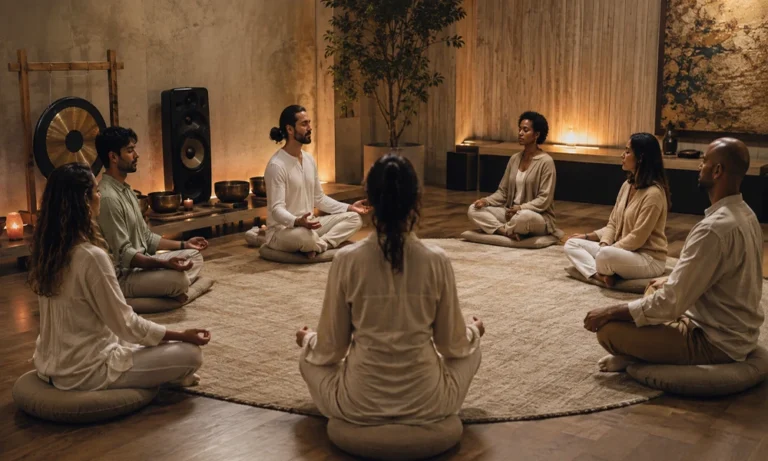
Meditation is often pictured as a person sitting in silence, trying to empty the mind. That image can make the practice seem distant to someone who finds stillness difficult. Yet mindful awareness does not depend on shutting out experience. It can begin by becoming more attentive to sound, breath, sensation, and movement.
An immersive approach gives those elements a deliberate place. Instead of treating the senses as distractions, it uses them as pathways into the present. The practice may then feel more vivid, embodied, and approachable.
Beyond Silence Alone
Traditional seated meditation is valuable, but it is only one doorway. A guided voice can help attention settle. Carefully chosen music can create rhythm and atmosphere. Breathwork can make internal sensation easier to notice, while gentle movement lets a restless body participate rather than resist.
This wider format comes into focus through open meditation, where Op e n brings meditation, music, breathwork, and movement into one contemporary mindfulness experience. Together, these elements can make practice feel less like withdrawing from life and more like meeting it fully.
Immersion does not mean constant stimulation. Strong experiences use sound, guidance, and movement with restraint. Silence may appear between musical phrases, and stillness may follow motion. Contrast lets attention become more sensitive without becoming overwhelmed.
Why an Immersive Format Can Feel More Accessible
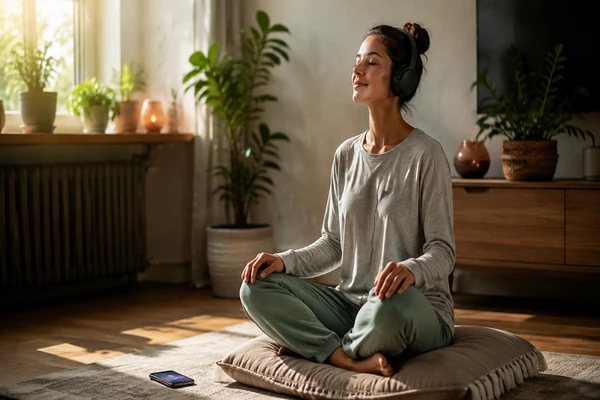
Attention wanders. That is normal, not a sign of failure. A sensory cue gives the mind somewhere clear to return: the texture of an exhale, the weight of the body, a low note, or the instructor’s next phrase. Different anchors may suit different people and days.
Research offers context without proving that one format is best. A study involving novice meditators found that a brief guided session affected aspects of attention for some participants, while individual differences influenced the result. The National Center for Complementary and Integrative Health notes that meditation and mindfulness have been studied for stress, anxiety, depression, pain, and sleep, but evidence varies by practice and study quality.
Immersive meditation is therefore a way of shaping an experience, not a guaranteed treatment. It may support wellbeing, but it should not replace appropriate medical or mental health care.
How the Elements Work Together
A session may begin by noticing contact with the floor, chair, or cushion. The voice then guides attention toward natural breathing. Music can establish a steady pace without demanding analysis. A small movement-rolling the shoulders, opening the hands, or gently swaying-may reveal tension that stillness had hidden.
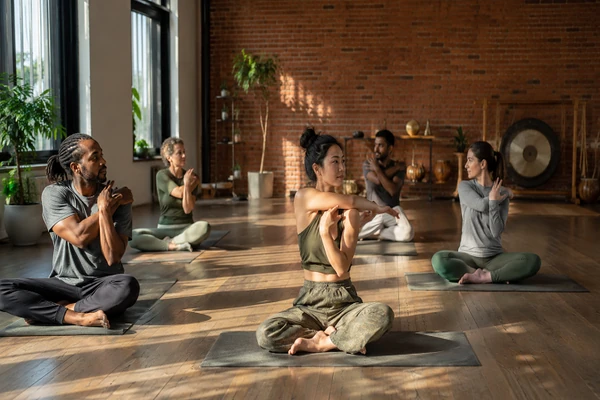
Breath adds an internal rhythm. Movement gives that rhythm a visible expression. Sound holds the atmosphere, and guidance keeps the sequence coherent. When the session returns to stillness, sensations may feel clearer because attention has travelled through several channels.
No layer needs to dominate. Music should not become a performance, movement need not resemble a workout, and breathing should remain comfortable. The purpose is attention, not intensity.
A Practical Beginning
A beginner can start with ten minutes and one intention: stay curious about what is happening. Choose a position that feels stable rather than impressive. Let the first breaths remain natural. Follow the guidance without forcing the body to match an exact pace.
When thoughts appear, notice them and return to the strongest available anchor. That might be breath in one moment and sound in the next. If closing the eyes feels uneasy, keep them softly open. If a technique causes dizziness, panic, pain, or distress, stop and return to ordinary breathing.
A session need not produce calm to be worthwhile. Sometimes immersion reveals fatigue, agitation, or emotion that was already present. Meeting that experience without immediate judgment is part of the practice.

Choose the Experience the Day Needs
Different moments invite different forms. A quiet morning may suit spacious seated meditation. A tense afternoon may call for breath and gentle movement. An evening practice might use music to support the transition away from work.
The useful question is not, “Which method is perfect?” It is, “What will help attention become available now?” This flexibility makes consistency more realistic because the practice can adapt without losing its purpose.
Carry Presence Beyond the Session
Meditation matters most when its quality of attention enters ordinary life. A person may notice tension sooner during a conversation, take one conscious breath before replying, or feel the ground while walking between tasks. These small moments turn practice into a lived skill.
Op e n offers guided experiences designed to awaken body and mind through multiple paths. Explore its meditation collection and choose a session that feels welcoming today. The doorway may be sound, breath, movement, or stillness; what matters is learning to arrive.