
Archive

2024

Browsing

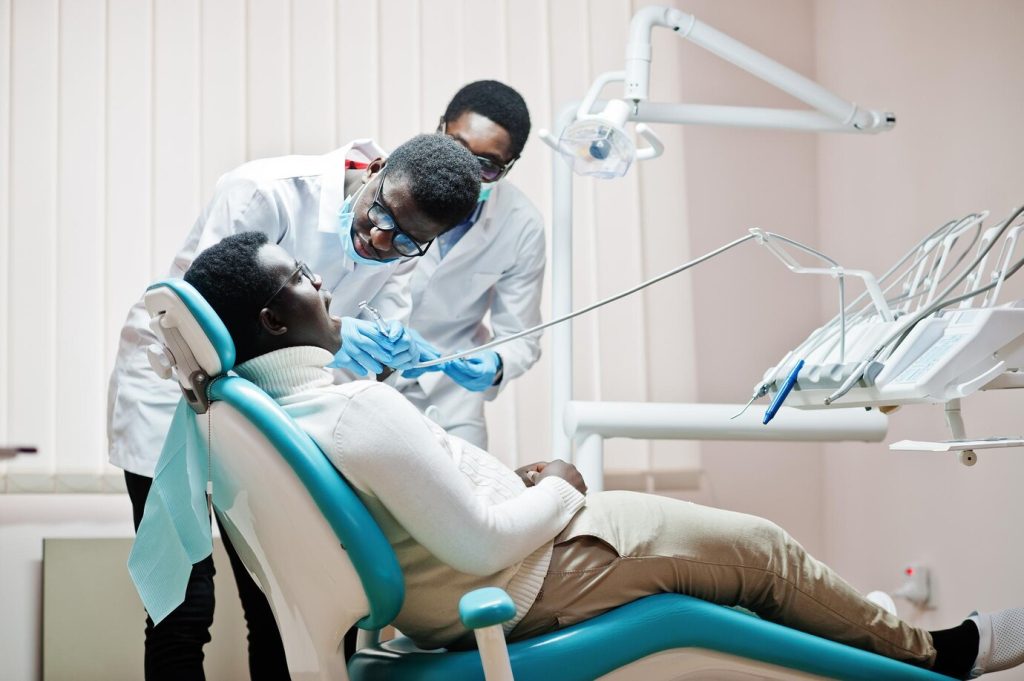
When we think about going to the dentist, we usually think about getting a regular cleaning. But general dentistry is more than just cleaning teeth. In this blog post, we’ll look at the different services and treatments offered to keep your teeth healthy and make sure you have a bright, confident smile.

What Does General Dentistry Involve?

General dentistry is the branch of dentistry that deals with the prevention, diagnosis, and treatment of oral health conditions and diseases. General dentists, also called family dentists or primary care dentists, offer many services to patients of all ages, including children and adults.

General dentists are important in promoting oral health and wellness through preventative care, education, and treatment. They check your teeth, clean them, check for problems with your mouth, and give you different ways to keep them healthy.

Dental Exams And Cleanings

Dental exams and cleanings are important for regular dental care. During a dental exam, the dentist will look for signs of decay, gum disease, or other oral health issues. Professional cleanings help keep your teeth and gum healthy and free of disease.

Treatments That Prevent Disease

General dentistry is the practice of taking care of your teeth to prevent dental problems and keep your mouth healthy. Dental sealants can help prevent cavities, fluoride treatments can strengthen enamel, and oral cancer screenings can detect early signs of disease. Invisalign, on the other hand is a great treatment to straighten your teeth.

The Restorative Procedures

General dentists are trained to repair and restore damaged teeth. Fillings for cavities, crowns and bridges for missing or damaged teeth, and root canal therapy to treat infected or inflamed tooth pulp are common ways to fix teeth.

Treatment For Gum Disease

Gum disease, also called periodontal disease, is a common problem that can cause gums to recede, teeth to fall out, and other health issues if not treated. General dentists remove plaque and tartar from below the gumline and keep the gums healthy to prevent recurrence.

Cosmetic dentistry is focused on improving the appearance of the smile. General dentistry offers cosmetic treatments like teeth whitening, dental bonding, veneers, and clear aligners to improve the appearance of the smile and boost confidence.

How to Avoid Oral Health Issues?

Regular dental visits are important for keeping your mouth healthy and your overall health. Dental exams let dentists find problems early, before they become more serious and need more treatment.

Early intervention is important for treating dental problems. By going to regular dental check-ups, patients can catch problems early and get treatment to prevent further damage.

Developing a relationship with your dentist.

Conclusion

General dentistry is more than just cleaning your teeth. It offers many different ways to keep your mouth healthy and happy. By knowing what general dentistry is and why it’s important to go to the dentist regularly, patients can take action to keep their smile healthy and have good oral health for a long time. 

General dentistry provides care for patients of all ages and abilities. A relationship with a general dentist builds trust, communication, and continuity of care. Your dentist will learn about your oral health history, preferences, and concerns, so they can give you care that fits your needs.


Finding the perfect balance when it comes to consuming Delta 9 edibles is truly an art form. Unlike other methods of cannabis consumption, such as smoking or vaping, where the effects are felt almost instantly, edibles require a bit more patience and precision. Mastering the art of dosing involves understanding your own tolerance, experimenting with different products and doses, and knowing how to navigate the sometimes unpredictable nature of edibles. Here’s a guide to help you hone your dosing skills and find your ideal Delta 9 edible balance.

  1. Know Your Tolerance: Everyone’s tolerance to THC, the primary psychoactive compound in cannabis, is different. Factors such as frequency of use, metabolism, and individual body chemistry all play a role in how you respond to edibles. If you’re new to edibles or cannabis in general, it’s best to start with a low dose and gradually increase as needed. Experienced users may require higher doses to achieve the desired effects, but it’s essential to be mindful of not overdoing it.
  2. Read the Label: When it comes to dosing edibles, knowledge is power. Always carefully read the label to determine the THC content per serving and the total number of servings per package. This information will help you gauge the potency of the product and calculate an appropriate dose based on your tolerance level. Remember that edibles can vary widely in potency, so it’s crucial to choose products that align with your desired experience.
  3. Start Low, Go Slow: This mantra is often repeated in the world of cannabis consumption, and for a good reason. It’s the golden rule when it comes to dosing edibles. Begin with a low dose, typically around 2.5-5mg of THC, and wait at least two hours before considering consuming more. Edibles can take longer to kick in compared to smoking or vaping, so patience is key. Resist the urge to consume more if you don’t feel the effects immediately, as it can lead to an unpleasant and overwhelming experience.
  4. Keep a Journal: Keeping track of your experiences with different doses and products can be incredibly helpful in finding your perfect edible balance. Start a journal where you record details such as the dose consumed, the onset and duration of effects, and any other relevant factors such as food intake or activity level. This will allow you to identify patterns and trends over time, helping you refine your dosing strategy and optimize your edible experience.
  5. Practice Patience and Awareness: Edibles can be unpredictable, and it’s essential to approach them with patience and awareness. Factors such as metabolism, food intake, and individual sensitivity can influence how edibles affect you. Pay attention to how your body responds and be prepared to adjust your dose accordingly. If you accidentally consume too much and feel uncomfortable, remember that the effects will eventually wear off, and you’ll be okay.
  6. Consider Microdosing: For some people, microdosing best delta 9 ediblescan be an effective way to experience the benefits of THC without feeling overwhelmed. Microdosing involves consuming a very low dose, typically around 1-2.5mg of THC, with the goal of experiencing subtle effects without impairing cognition or motor function. It’s a strategy that’s gaining popularity among both beginners and experienced users who prefer a more controlled and gentle experience.
  7. Consult a Budtender or Healthcare Professional: If you’re unsure about dosing or need personalized guidance, don’t hesitate to consult with a knowledgeable budtender at your local dispensary or a healthcare professional with expertise in cannabis medicine. They can offer valuable insights and recommendations based on your individual needs and preferences, helping you navigate the world of Delta 9 edibles with confidence.

Finding your perfect Delta 9 edible balance may require some trial and error, but with patience, experimentation, and a dose of mindfulness, you’ll soon discover what works best for you. Remember to always consume responsibly, prioritize your safety and well-being, and enjoy the journey of exploring the diverse and delightful world of cannabis edibles. Happy dosing!

In the realm of modern medicine, the methods by which treatments are administered are just as crucial as the treatments themselves. Traditionally, many effective therapies have relied on invasive techniques, such as injections or surgeries, to deliver drugs directly to the site of need. However, the advent of non-invasive drug delivery systems is revolutionizing the healthcare landscape, offering patients safer, more comfortable, and often more effective treatment options. This article explores the transformative impact of non-invasive drug delivery on medicine and highlights the innovative technologies driving this change.

The Rise of Non-Invasive Drug Delivery

Non-invasive drug delivery involves administering therapeutic agents without breaching the skin or mucous membranes. This method eliminates the need for needles, catheters, or other invasive devices, significantly reducing patient discomfort and the risk of complications such as infections. The development of these technologies is driven by the need to improve patient compliance, enhance drug efficacy, and provide more convenient treatment options.

One prominent example of non-invasive drug delivery is transdermal patches. These patches administer drugs through the skin, offering a steady release of medication over time. Transdermal delivery is already widely used for conditions such as chronic pain, hormone replacement therapy, and nicotine addiction.

Another innovative approach is the use of inhalable drugs. By delivering medication directly to the lungs, this method is highly effective for respiratory conditions like asthma and chronic obstructive pulmonary disease (COPD). Furthermore, it is being explored for systemic drug delivery, offering a rapid onset of action and bypassing the gastrointestinal tract.

Advances in Technology

The advancement of non-invasive drug delivery systems is largely due to nanotechnology and material science breakthroughs. Nanomedicine, in particular, plays a pivotal role in this evolution. Nanoparticles can be engineered to carry drugs and release them at specific sites within the body, improving the precision and effectiveness of treatments.

One cutting-edge example is the development of non-invasive drug delivery using nanomedicines. These tiny particles can penetrate tissues more easily and deliver drugs directly to target cells, minimizing side effects and maximizing therapeutic outcomes. The ability to engineer nanoparticles to respond to specific stimuli, such as pH or temperature changes, further enhances their potential in personalized medicine.

Additionally, advancements in microneedle technology are bridging the gap between invasive and non-invasive delivery. Microneedles are tiny, minimally invasive needles that can painlessly penetrate the outermost layer of the skin to deliver drugs. These devices are being developed for a range of applications, including vaccine delivery and treatment of chronic diseases like diabetes.

Benefits for Patients

The shift towards non-invasive drug delivery systems brings numerous benefits for patients. The most immediate advantage is the reduction in pain and discomfort associated with traditional drug administration methods. For individuals with chronic conditions requiring frequent injections, non-invasive alternatives can significantly enhance their quality of life.

Improved patient compliance is another critical benefit. Many patients are hesitant to follow through with treatments that involve painful or complicated procedures. Non-invasive methods, being more user-friendly, encourage adherence to prescribed therapies, leading to better health outcomes.

Moreover, non-invasive drug delivery can offer more consistent and controlled drug release. This is particularly important for medications that require precise dosing to be effective. For instance, transdermal patches and inhalable drugs can maintain therapeutic drug levels in the bloodstream over extended periods, reducing the need for frequent dosing and minimizing side effects.

Transforming Healthcare Delivery

The impact of non-invasive drug delivery extends beyond individual patients to the broader healthcare system. These technologies can streamline treatment protocols, reduce the need for hospital visits, and lower overall healthcare costs. For example, home-based drug delivery systems, such as transdermal patches and inhalers, can decrease the burden on healthcare facilities and allow patients to manage their conditions more independently.

Non-invasive delivery systems also open new avenues for treating conditions that were previously challenging to manage. Diseases that require targeted therapy, such as cancer, can benefit from the precision of nanomedicine, which can deliver drugs directly to tumor cells while sparing healthy tissues. This targeted approach not only enhances treatment efficacy but also reduces the severe side effects often associated with cancer therapies.

The Future of Non-Invasive Drug Delivery

As research and development in this field continue to advance, the future of non-invasive drug delivery looks promising. Emerging technologies, such as wearable drug delivery devices and smart patches, are poised to further revolutionize the way we administer treatments. These devices can monitor physiological parameters and adjust drug delivery in real-time, offering personalized and adaptive treatment options.

The integration of artificial intelligence (AI) and machine learning into non-invasive drug delivery systems is another exciting development. AI can analyze patient data to predict the optimal dosing schedules and drug combinations, enhancing the precision and effectiveness of treatments.

In conclusion, non-invasive drug delivery is transforming medicine by providing safer, more comfortable, and more effective treatment options. The advancements in nanotechnology, material science, and digital health are driving this evolution, offering promising solutions for a wide range of medical conditions. As these technologies continue to develop, they hold the potential to significantly improve patient outcomes and reshape the future of healthcare delivery.

For more information on the latest advancements in non-invasive drug delivery, visit Power of Particles.

Preventive dentistry forms a stepping stone towards optimal oral health and wellness. The Indianapolis family dentist and their team of expert specialists offer a wide range of preventive dental services to help prevent oral health problems like tooth decay, or gum disease. It is important to keep track of your oral wellness to prevent dental problems in the future. This greatly avoids the need for extensive dental procedures. 

Regular oral exams, professional cleanings, and home hygiene practices are considered to be the cornerstone of preventive dentistry. Let’s unwind this disciple of dentistry further! 

An introduction to preventive dentistry 

Preventive dentistry is a branch of dentistry that helps maintain good oral health. It is a combination of regular dental checkups along with developing good habits like brushing, and flossing. Taking care of your teeth must begin as early as childhood and should extend throughout your life. 

Preventing oral problems like cavities, gum disease (gingivitis), halitosis (bad breath), thrush, etc from developing or getting worse, is the prime objective of preventive dentistry. This can greatly save you money, and time, and improve your quality of life. 

Exploring the levels of prevention in preventive dentistry

There are three main levels of preventive dentistry, including:

Primary prevention

This refers to completely preventing a disease, such as tooth decay, from developing in the first place. This should begin at a young age.

Secondary prevention

This refers to gradually reversing, or halting a disease that has begun to develop. If a dentist notices early signs of cavities, that decay can be addressed. 

Tertiary prevention

This refers to slowing or stopping a fully developed disease from spreading or worsening. 

The key elements of preventive dentistry

These include:

  • Brushing your teeth twice daily using a soft-bristled toothbrush and a tooth-friendly toothpaste
  • Flossing once a day
  • Eating a balanced diet that is beneficial to you and your microflora 
  • Using appropriate mouthwash 
  • Visiting your dentist 1 to 2 times a year for cleaning and examination
  • Scheduling dental exams such as oral cancer screening  
  • Rinsing your mouth out after consuming sugary, starchy, or acidic foods and drinks 

Preventive dental care is essential for everyone irrespective of age and gender. Neglecting your oral health can lead to several dental problems, systemic health issues, social dysfunction, and other problems that cost you time, money, and comfort. Remember to visit a dentist at least once or twice a year to lead a healthy life.