Archive

2025

Browsing

Each day dentists bring comfort and confidence to patients. Yet the business side of dental practice can create stress. Managing payroll and supplies takes time away from care. A Dental Service Organization or DSO supports clinics by handling these tasks. Many new dentists also ask what is a dso as they explore practice options. It allows dentists to stay focused on patients. A DSO manages billing and marketing. It supports hiring and training too. As a result, dentists can give more attention to clinical work. The model helps practices grow without extra strain.

Reducing Administrative Burdens

Paperwork often slows down dental care. A DSO takes over many office duties. It handles insurance claims and appointment systems. This keeps schedules smooth and organized. So dental teams work more efficiently. Fewer delays mean happier patients. The dentist can see more people each day. Time saved on paperwork goes back to patient service. A DSO provides strong systems for management. Therefore the clinic runs better without confusion. This structure keeps the focus on quality care and comfort for everyone.

Improving Financial Management

Money management is vital in every practice. Yet it can distract from clinical work. A DSO handles all financial planning. It manages expenses and controls supply costs. As finances become stable the team feels secure. There is less pressure on the dentist. The DSO tracks trends and forecasts income. It ensures steady growth through clear planning. This support helps the clinic reach its goals. The dentist can make informed decisions with ease. Financial freedom encourages better focus on patient smiles.

Access to Modern Technology

Technology improves dental treatment each year. DSOs help clinics stay current. They invest in digital systems and equipment. As upgrades arrive dentists gain better tools. This makes diagnosis faster and more precise. The use of advanced imaging enhances patient trust. So care becomes safer and more effective. The DSO maintains and updates these tools regularly. Staff receive training on new software and methods. The clinic stays competitive through innovation. Therefore technology becomes a partner in every smile.

Focus on Patient Relationships

The heart of dentistry is patient care. Every visit builds trust and loyalty. When business tasks take time dentists lose that connection. A DSO restores balance. It gives back hours for meaningful talks with patients. As dentists listen and guide they build stronger relationships. Care becomes personal again. The office atmosphere feels calm and friendly. The focus shifts to comfort and education. Patients appreciate time and attention. This bond supports long term dental health for every family.

Building the Future of Dentistry

The dental world keeps evolving fast. DSOs guide clinics through each change. They prepare teams for modern care demands. As technology grows and patients expect more the support system becomes vital. Dentists can lead without feeling alone. So the profession becomes stronger and more adaptive.

A lot of kids in Connecticut suffer from misalignment issues, and Invisalign is among one of the best treatments available to treat them. Earlier, there were traditional braces, which are still quite popular and great options for more severe problems. However, Columbia Invisalign offers a modern, comfortable, and nearly invisible alternative, allowing children and adults alike to straighten their teeth effectively without the inconvenience of metal braces.

Still, since the emergence of Invisalign, for many people, it has become the treatment to go for because of some considerable advantages it has over traditional braces.

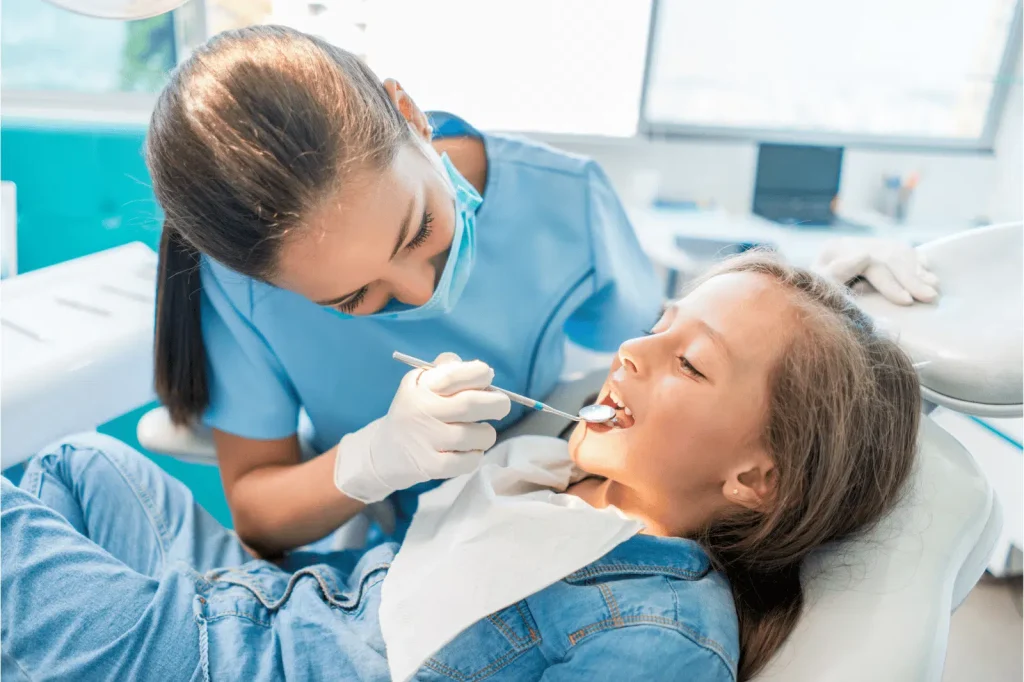
But, as a parent, you might be wondering if it is suitable for your child. It is suggested that you go to a kids dentist in Bristol and Windsor, CT pediatric dentist for children to get a proper assessment of the situation, and then the dentist will recommend if Invisalign is the appropriate treatment.

But, as far as this particular blog is concerned, we are going to take a look at some things every parent needs to know about Invisalign for their child.

What You Need to Know About Invisalign for Kids

Let us look at numerous aspects of Invisalign for kids (some even apply to adults as well) to get a basic idea of how Invisalign serves the purpose for your kid.

Invisalign is Convenient to Use

Invisalign is easily removable, which is not the case with traditional braces, which alone makes it way more convenient to use compared to its alternatives. The kids can take them out before having a meal and while following their dental care routine.

The aim is to wear them for about 20 to 22 hours every day, which leaves room for kids to go without wearing the aligners for a few hours daily. If the kids are into sports, they do not have to make any alterations to their routine.

Braces, on the other hand, do not offer such great convenience. Moreover, the kids can eat their favorite foods while on the treatment by simply removing the aligners. Also, the pain level of Invisalign is significantly lower than that of traditional braces.

Less Time at the Dental Office

The Lives of teens and kids are getting busier than ever. It is common for them to be involved in numerous sports and extracurricular activities; some might even be doing jobs, which makes it hard to get enough time to do homework and relax, let alone go to the dental office.

Invisalign is great for kids and teens because it does not require visiting a dentist now and then. You get a set of clear aligners that are supposed to be switched every few weeks at the convenience of your home without needing a professional. 

Traditional braces need regular visits to the dentist as they require wires to be adjusted or changed in order to move the teeth into the desired position.

Invisalign Boosts Confidence Level

As parents, we forget to realize that sometimes crooked teeth can be an embarrassment for a child. Metal braces are less preferred by people who are conscious of their outer appearance, as they are pretty apparent.

A significant reason behind the immense popularity of Invisalign is that they are nearly invisible to others, allowing kids to get the treatment without being constantly worried about their appearance. 

The kids do not even have to worry about food getting stuck in their braces. Invisalign thus boosts a kid’s confidence level and eliminates social concerns.

Kids Can Lose the Aligners

An obvious concern among parents is that Invisalign can get lost. Still, there is nothing to worry about, as most dentists provide replacements at a reduced rate when your kid loses it. Nonetheless, kids need to be more conscious of their ongoing Invisalign treatment and try not to lose the aligners.

Should You Get Invisalign For Kids?

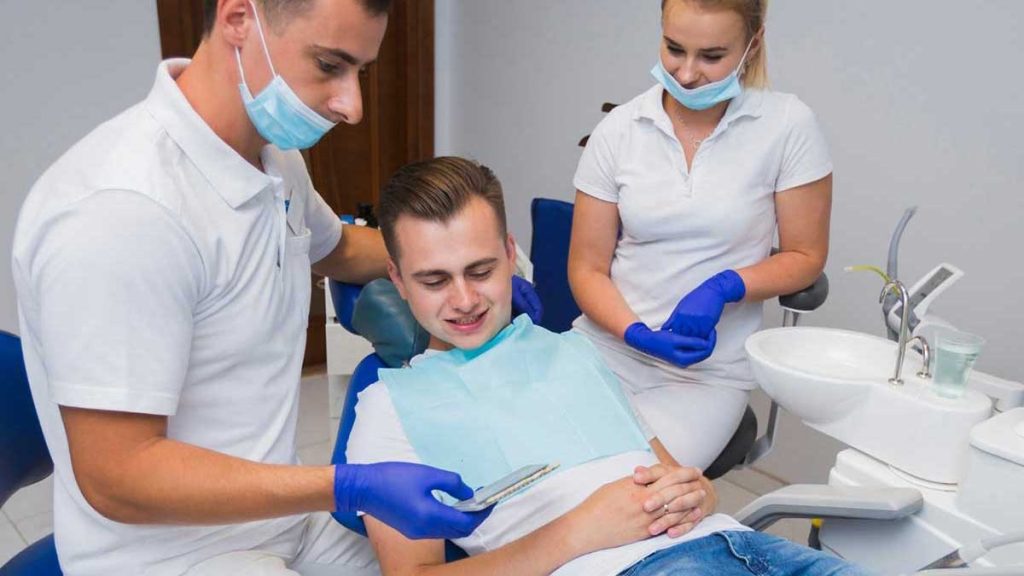
The best way to find out if Invisalign is the proper treatment is through having a consultation with a dentist before making a decision. A dentist does an appropriate examination and assessment and, on the basis of that, suggests the best treatment for your child.

Dental extractions are techniques that are sometimes essential to maintain or improve oral health. Patients in Rancho Cucamonga, CA should understand what dental extraction involves whether it is due to severe decay, gum disease, or other dental problems. This article takes an in-depth look at dental extractions, what makes them necessary, what the procedure involves, and how to care for your mouth afterward as explained by the dentist in Rancho Cucamonga, CA.

What is a Dental Extraction?

Dental extraction means the removal of a tooth from the mouth. Typically conducted by a dentist or oral surgeon, this process removes a tooth that cannot be salvaged or is an impending threat to the neighboring teeth and gums. Although many dread the prospect, dental extractions are not unusual and can do wonders for your overall dental hygiene when performed by trusted professionals at Southwest Portland Dental.

Types of Extractions

  • Simple Extraction: This is due to a visible tooth that is easy to access. This is done with the tooth numb from local anesthesia, and the tooth rocked out of its socket.
  • Surgical Extraction: A more complicated procedure that may be needed if a tooth has fractured, is impacted, or has not completely erupted. The second type is a surgical extraction, which requires cutting the gum tissue, and when necessary, the bone surrounding the tooth in order to extract the tooth.

When is an Extraction Needed?

  • Severe Tooth Decay: Tooth decay is among the most common causes of tooth extractions. In cases where teeth have become too decayed and a filling, crown, or root canal cannot revive it, it would be best to get the tooth removed.
  • Impacted Teeth: An impacted tooth, most commonly a wisdom tooth, is a tooth that does not fully erupt through the gum line or grows in the wrong direction. These teeth can lead to pain, infection, and damage to nearby teeth, requiring extraction.
  • Gum Disease: Advanced gum disease (periodontitis) is when the bone and tissues that support teeth are destroyed. If gum disease has made a tooth loose then the only solution is to extract it to avoid further complications.
  • Overcrowding: The term is also used to describe the extraction of teeth to gain space in the mouth, for example, during orthodontics. This is normal for those people, particularly when they have braces to facilitate the greatest Aligner Fit for their teeth.Oral Hygiene

The Procedure of Dental Extraction

Anesthesia and Sedation

To reduce discomfort, the dentist will numb the area around the tooth with local anesthesia. Sedation or general anesthesia may be recommended for patients with anxiety or during a complex extraction to maintain comfort during the procedure.

The Extraction Process

  • Simple Extraction: During a simple extraction, the dentist will gently loosen the tooth with an instrument called an elevator, then remove the tooth using forceps. The tooth is lifted slowly out of its socket.
  • Surgical Extraction: In cases where the tooth is impacted or hard to reach, the dentist will create a small cut in the gum tissue to reach the tooth. Depending on the extent of the damage, a dentist may break the tooth into manageable pieces for removal.

From severe decay to impacted teeth, dental extractions perform a key role in treating many dental problems. Though the thought of tooth extraction may make you feel anxious, being well-informed about the process and what to expect afterward can help you recover promptly. If you are from Rancho Cucamonga, CA, and need a dental extraction, call an experienced dentist and ask how the process will be, so you can better understand it and be aware of all the options you have when it comes to tooth replacement. With good post-procedural care, you will be able to experience improved oral health and a beautiful, functional smile for many years.

Caring for one’s teeth and gums can go a long way toward avoiding expensive problems like tooth decay and gum disease, for which you need to visit an experienced dentist in Brooklyn, New York. Once you have formed positive routines for caring for your teeth, you will perform these things automatically and without a second thought.

Enamel, the protective coating of teeth, is continually attacked by acids and bacteria despite being the body’s most resilient component. The minerals that make up enamel can be dissolved by them, which can cause tooth decay and gum disease. This leads to tooth decay and eventually to gum disease. Regular visits to a Garland dentist can help prevent these issues through professional cleanings and early detection of enamel erosion.

Expert dental care advice from family dentists

General dentists often advise patients on maintaining healthy teeth and preventing damage. Among these are:

  • Brush your teeth twice a day.

Brushing twice a day is recommended for optimal oral health. When you brush, you eliminate the food particles in your mouth that bacteria can turn into acid. Acids and germs in the mouth are both destroyed by regular brushing.

Dentists advise brushing twice a day to give teeth a chance to heal from these repeated assaults. Before retiring for the night is the optimum time to wash your teeth. This eliminates the acid and bacteria that have formed on teeth throughout the day. While you sleep, your saliva production drops, leaving your teeth more susceptible to decay and infection. Preventing these assaults by cleaning your teeth before bed is possible. At least two minutes should be allotted for each brushing session.

  • Remember to floss regularly.

Flossing is as essential as brushing your teeth. It cleans between teeth, which a toothbrush can not get to. However, germs and plaque can accumulate and eat away teeth in these areas, so daily cleaning is still recommended.

  • Use a mouthwash

Rinsing with mouthwash can get to places where brushing and flossing can not. When you use an antibacterial mouthwash, you eliminate the bacteria that cause bad breath and acid reflux in your mouth. To aid in the remineralization process, certain mouthwashes also contain fluoride.

  • Reduce your sugar intake.

Sugary foods and drinks should be avoided at all costs. There are enough sugars in even bland foods like rice to accelerate tooth damage. The worst thing a person can do is constantly cover their teeth with sugar by eating and drinking sweet stuff.

Oral bacteria turn sugar into even more acidic compounds. If you want to reduce the adverse effects of sugar on your teeth, rinse your mouth with water after eating or drinking anything that contains sugar.

See the dentist at least twice yearly.

Prevention is the key to a healthy smile, and regular dental checkups and cleanings are essential. In addition, it allows for detecting and treating issues at their earliest stages.