

Author

Ines Corbett

Browsing

Dubai stands as a global medical magnet, renowned for its rapid adoption of advanced technology and its commitment to world-class service standards. When navigating the city’s robust healthcare system for specialized needs—from vision and skin health to advanced dental care—it is crucial for residents and medical tourists alike to know what specific benchmarks define expertise and quality.

Skin and Sight: The Integrated Approach of Ophthalmology and Dermatology

Top-tier clinics and medical centers in Dubai recognize the close physiological synergy between skin and eye health, often structuring their services to offer coordinated care for complex and aesthetic conditions that affect both areas simultaneously.

Ophthalmology (Eye Care): The Pursuit of Precision

Modern eye care in Dubai prioritizes minimally invasive techniques and customized visual outcomes, leveraging the latest advancements in surgical and diagnostic technology:

  • Surgical Standard: The prevalent standard for cataract removal involves advanced techniques like Femtosecond Laser-Assisted Cataract Surgery (FLACS). This provides unparalleled precision in lens replacement and facilitates the perfect alignment of customized Premium Intraocular Lenses (IOLs), which are designed to correct vision at multiple distances, frequently eliminating the need for glasses after surgery.
  • Subspecialty Depth: Leading facilities employ practitioners who have undergone extensive training and subspecialize in niche areas. This includes certified experts in Vitreoretinal surgery (for complex diseases affecting the back of the eye, like diabetic retinopathy), Cornea and Refractive surgery (for laser vision correction procedures), and Oculoplastics (for delicate eyelid and facial reconstruction).
  • High-Tech Diagnostics: Diagnostic excellence is maintained through sophisticated systems such as 3D imaging, specialized corneal topography, and optical biometry—all essential for ensuring perfect surgical planning and measurement accuracy.

Dermatology: Integrating Health and Aesthetics

Dermatological services in Dubai seamlessly blend medical necessity with cutting-edge cosmetic technology, offering comprehensive skin care solutions:

  • Advanced Equipment: Reputable clinics are equipped with a diverse array of medical-grade lasers for the highly specialized treatment of conditions like pigmentation disorders, scarring, and hair removal. They also utilize advanced therapeutic technologies like cryotherapy and expertly administered injectables (neuromodulators and dermal fillers).
  • Holistic Focus: High-quality dermatologists offer comprehensive care for chronic skin conditions (e.g., psoriasis, eczema) alongside advanced aesthetic procedures. Collaboration with surgical teams (particularly Oculoplastics) is common for integrated aesthetic and reconstructive treatments around the delicate periocular area.
  • Patient Safety: Strict operational protocols for device sterilization and patient-specific laser settings are paramount. These measures ensure that both medical and aesthetic treatments are delivered effectively while maintaining the highest possible safety standards.

Dental Excellence: Beyond Routine Care

Leading dental clinics in Dubai frequently function as comprehensive specialized centers, offering a full, interconnected range of advanced procedures that extend well beyond general check-ups.

  • Comprehensive Specialization: Quality dental care relies on a team of specialists, not just general practitioners. This includes certified professionals in Orthodontics (for complex bite alignment), Implantology (for advanced surgical tooth replacement), and Endodontics (for intricate root canal treatment and saving damaged teeth).
  • Digital Workflow: The adoption of a digital workflow is a significant marker of an advanced clinic. This includes the use of 3D Cone-Beam CT (CBCT) for precise surgical planning and intraoral scanners for creating highly accurate digital impressions, replacing traditional, less accurate molds.
  • Aesthetic Focus: High-end cosmetic procedures like digital smile design and the fitting of high-grade veneers are common. These require specialized training in cosmetic restoration principles and a deep understanding of advanced materials science.

The Benchmark: Identifying Best Hospital in Dubai

When seeking care in a multispecialty medical facility in Dubai, prospective patients should focus on verifiable indicators of institutional quality and capability, rather than advertising:

Quality BenchmarkSignificance for Patient Assurance
Global AccreditationThe institution should hold the Joint Commission International (JCI) Gold Seal of Approval, which verifies adherence to world-class safety and quality standards across all patient care processes.
Critical Care CapacityThe presence of robust, specialized units like a Level 3 Intensive Care Unit (ICU) and a dedicated Emergency/Trauma Centre, demonstrating the facility’s capability to safely manage complex medical emergencies and post-surgical complications.
Technological InvestmentVerified patient access to comprehensive diagnostic and interventional tools, including high-field 3 Tesla MRI scanners, advanced CT scanners, and dedicated cardiac catheterization labs (Cath Labs).
Specialist ProfileAffiliation with healthcare consultants and specialists whose primary core training was acquired through recognized international systems (e.g., North America, UK, Europe). All practitioners must hold a valid professional license issued by the Dubai Health Authority (DHA).

By prioritizing these verifiable institutional and technological benchmarks, patients can confidently navigate Dubai’s competitive healthcare landscape to find truly expert and safe specialist care.
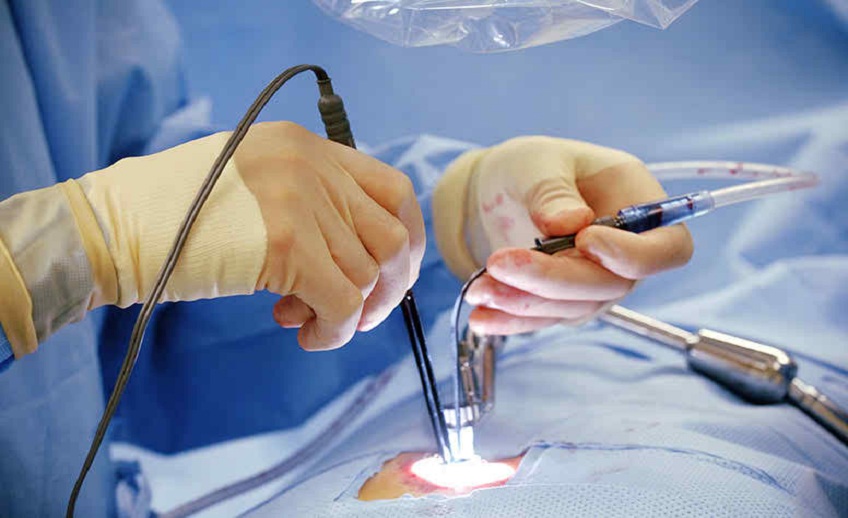
If not managed effectively, spinal fractures can disrupt stability, compress nerves and create long-term complications. While bracing and cement-based procedures address many fractures, some patients require surgical fusion to restore strength and alignment. In recent years, minimally invasive spinal fusion has emerged as an important option. Dr. Larry Davidson, a board-certified neurosurgeon, with fellowship training in complex spinal surgery, has highlighted how smaller incisions and advanced instrumentation have allowed fusion to be performed with less disruption, offering patients an alternative that balances effectiveness with faster recovery.

The growth of minimally invasive spinal fusion mirrors a broader shift in fracture care, aiming to achieve strong corrections, while minimizing surgical trauma. By using precise instrumentation, advanced imaging and careful planning, surgeons can stabilize fractures, without the long recovery periods typically linked to traditional open procedures.

Understanding Spinal Fusion in Fracture Care

Spinal fusion creates a solid connection between two or more vertebrae, eliminating motion at the injured level and providing lasting stability. In fracture care, fusion is often recommended when the spine is unstable, deformity has developed or nerve structures are at risk.

Traditional open fusion involves large incisions, significant muscle dissection and longer recovery times. Minimally invasive techniques aim to achieve the same outcomes with smaller incisions, less blood loss and reduced tissue damage. For patients with fractures, these benefits can be especially meaningful, as recovery is already challenged by pain and immobility.

Techniques in Minimally Invasive Fusion

Several techniques define minimally invasive spinal fusion. Tubular retractors create narrow corridors to the spine, spreading, rather than cutting, muscle. Percutaneous pedicle screw systems allow hardware to be placed through small skin incisions with the aid of fluoroscopy or navigation. Interbody fusion cages can also be inserted through minimally invasive approaches, supporting both alignment and fusion. These methods reduce collateral damage, while providing the stability needed to correct fractures. Advanced imaging supports precise hardware placement, which is especially important in fragile or complex anatomy.

Benefits for Patients

The advantages of minimally invasive fusion in fracture care are evident. Smaller incisions help reduce postoperative pain and infection risk. Minimizing muscle disruption promotes quicker mobilization, and lower blood loss decreases the need for transfusions. Hospital stays tend to be shorter, allowing patients to start rehabilitation sooner.

Dr. Larry Davidson explains, “Combining advanced robotic tools with surgical expertise elevates patient care, by making procedures safer and recovery more manageable.” This perspective emphasizes how technology and minimally invasive methods together reduce trauma, shorten recovery and deliver results that directly improve patients’ quality of life.

These advantages translate into quicker returns to independence and daily activities. It is particularly important for older adults or patients with comorbidities, who may struggle with prolonged recoveries after traditional surgery. These benefits do not compromise stability. With proper planning, minimally invasive techniques provide the same long-term outcomes as open fusion, while reducing immediate burdens on the patient.

Risks and Limitations

Despite its advantages, minimally invasive fusion is not without risks. Smaller working corridors limit visualization, making technical expertise essential. Misplacement of screws or cages can occur, without careful imaging and navigation.

Fusion success also depends on bone quality. In patients with osteoporosis, weakened bone may reduce fixation strength, requiring supplemental strategies, such as cement augmentation. The learning curve for minimally invasive techniques is another factor, underscoring the need for specialized training and mentorship. Not every fracture requires fusion, and not every patient is a candidate for minimally invasive methods. Careful evaluation helps reduce risks and enhance benefits.

Fusion in Compression and Burst Fractures

Minimally invasive fusion is especially valuable in unstable compression and burst fractures. These injuries often disrupt vertebral alignment and require stabilization to protect the spinal cord. By using percutaneous screws and rods, surgeons can restore alignment with less surgical trauma than open fusion. In some cases, fusion is combined with decompression to relieve pressure on the spinal cord or nerves. Minimally invasive techniques allow this to be achieved through targeted corridors, rather than wide exposures.

Rehabilitation After Minimally Invasive Fusion

Recovery after minimally invasive fusion focuses on mobilization, pain control and muscle strengthening. Patients are often encouraged to begin walking soon after surgery, with structured physical therapy supporting the return to independence.

Because soft tissue disruption is limited, rehabilitation can progress more quickly than with open procedures. Patients may regain function faster, though long-term success still depends on achieving solid fusion. Rehabilitation remains central to outcomes. Surgery provides stability, but therapy restores strength and mobility that make corrections meaningful in daily life.

Athletes and Active Adults

Athletes and active adults benefit significantly from minimally invasive fusion. By reducing downtime and preserving muscle integrity, these techniques allow for a safer return to training and activity. Fusion restores spinal stability, while careful rehabilitation supports performance goals. For athletes, preserving flexibility and strength is as important as achieving correction. Minimally invasive methods reduce collateral damage, giving them a better chance of regaining pre-injury levels of activity.

Advances Driving the Trend

Technological advances continue to expand the role of minimally invasive fusion. Navigation and robotics improve precision, reducing risks of hardware misplacement. Biologics, such as bone morphogenetic proteins, support stronger fusion, particularly in patients with poor bone quality. As these tools become more widespread, minimally invasive fusion is likely to become the preferred option in many fracture cases. By combining safety, effectiveness and reduced recovery times, it represents a significant step forward in fracture care.

Patients as Partners in Decision-Making

Patient education is essential when considering fusion. Understanding the goals, risks and recovery expectations helps patients make informed choices. Some may prefer less invasive procedures, such as vertebroplasty, while others require the stability that only fusion provides.

The rise of minimally invasive spinal fusion represents a shift toward safer, more patient-friendly fracture care. As techniques, imaging and biologics improve, the benefits will expand further, offering patients stronger outcomes, with less disruption. The challenge for surgeons lies in mastering these methods and applying them appropriately. The future promises care that restores stability, while reducing the burdens of recovery.

Minimally invasive spinal fusion has become an important tool in fracture care, providing stability through smaller incisions, advanced instrumentation and precise planning. It reduces pain, speeds recovery and offers outcomes comparable to open surgery in many cases. The experience reflects the promise of this approach. It demonstrates that fusion for fractures can be both effective and patient-centered, balancing technical success with recovery goals, that matter most to patients.

We tend to take our ankles for granted until something goes wrong. Whether it’s a sudden twist while jogging, a misstep on the stairs, or an accident during a football match, ankle injuries can quickly disrupt daily life. Among the most common and troublesome injuries is the ankle ligament tear, which affects stability and mobility. In such cases, consulting an ankle specialist in Singapore can make the difference between a quick recovery and long-term discomfort. This article breaks down the steps of recognising, treating, and recovering from them, while highlighting what role specialists play in restoring strength and balance.

Recognising the Signs of an Ankle Ligament Tear

The first stage is learning to identify whether your ankle injury might be more serious than just a sprain. A true ankle ligament tear often presents with severe pain, swelling, bruising, and an inability to bear weight on the affected foot. Unlike mild sprains, where discomfort might ease in a few days, a ligament tear usually worsens without medical attention.

Knowing these early signs helps patients take timely action. Seeking advice from an ankle specialist in Singapore ensures that proper diagnostic tools, such as X-rays or MRI scans, are used to determine the extent of damage.

Understanding Why Specialist Care Matters

While minor ankle sprains can be managed with rest, ice, compression, and elevation, a ligament tear often requires professional intervention. Ankle specialists in Singapore focus on musculoskeletal injuries, offering both non-surgical and surgical options depending on the severity of the tear.

Non-surgical care may include bracing, physiotherapy, and guided rehabilitation. In more complex cases, surgical repair may be necessary to restore ligament stability. What matters most is accurate assessment and customised treatment, which prevents improper healing and future instability.

Exploring Treatment Pathways

Once a diagnosis is made, treatment typically follows a structured pathway. Mild ligament tears may heal with conservative methods such as physiotherapy, which helps restore strength and flexibility. More severe cases might involve procedures like ligament reconstruction.

What’s important is that treatment is not one-size-fits-all. An ankle specialist in Singapore tailors the plan to the patient’s lifestyle, whether they are athletes eager to return to sport or individuals aiming to regain everyday mobility.

The Role of Rehabilitation

Rehabilitation is often overlooked, but it’s a vital part of this tutorial series. A ligament tear does not end with the initial healing. It continues through weeks or months of guided exercises. Strengthening the muscles around the ankle, retraining balance, and improving flexibility help prevent repeat injuries.

Skipping rehabilitation is one of the most common mistakes patients make. Without it, the risk of chronic instability or recurring ankle injuries increases significantly. This is why ankle specialists in Singapore often work closely with physiotherapists to ensure long-term recovery.

Managing Pain and Daily Challenges

Pain management is another crucial lesson. An ankle ligament tear can be uncomfortable, but medical approaches now go beyond medication. Ice therapy, supportive footwear, and activity modification all play a part.

Patients also need to navigate everyday challenges: commuting, work responsibilities, and household tasks. Here, practical advice from an ankle specialist in Singapore can help adapt routines, whether it’s learning to walk safely with crutches, avoiding uneven surfaces, or knowing when it’s safe to resume driving.

Preventing Future Injuries

The final step in this tutorial focuses on prevention. After recovering from an ankle ligament tear, the goal is to heal and stay injury-free. Preventive measures include regular stretching, wearing supportive shoes, and building strength through targeted exercises.

Athletes, in particular, benefit from guidance on sports-specific movements to reduce the risk of re-injury. Consulting an ankle specialist in Singapore even after recovery ensures that progress is monitored and preventive strategies are refined.

Healing with Knowledge and Guidance

Ankle injuries can be daunting, but with the right knowledge and support, recovery is within reach. Patients can regain confidence in their movements. In Singapore, consulting an ankle specialist bridges the gap between uncertainty and effective recovery. Think of this as more than a medical process. It’s a step-by-step journey toward regaining balance, strength, and freedom of movement.

Think it’s just a sprain? Contact Specialist Orthopaedic Centre and how proper care can speed up recovery today.

We live in a world that constantly pulls our attention in multiple directions. Between screens, deadlines, and life’s stresses, maintaining mental clarity can feel like an impossible task. That’s where neurofeedback therapy in Singapore, using the NeurOptimal neurofeedback system, enters the picture. This approach has been gaining attention for its ability to support focus, balance, and resilience without medication or invasive procedures. But what is it really about, and how can it fit into your busy lifestyle?

Training the Brain Efficiently

For many, the idea of therapy conjures images of long hours talking through problems. Neurofeedback takes a different route. Sessions typically last around 30 to 40 minutes, during which sensors monitor brainwave activity while you sit comfortably, often listening to music. The NeurOptimal neurofeedback system provides real-time feedback, allowing your brain to “learn” and self-correct inefficient patterns.

This is where the time-saving element shines. Instead of years of trial and error with lifestyle adjustments alone, neurofeedback therapy in Singapore condenses the process into structured, manageable sessions.

Many clients appreciate being able to fit therapy into a lunch break or after-work slot. Over time, consistent sessions can lead to improved concentration, better stress management, and a general sense of mental clarity without sacrificing hours of the day.

How Neurofeedback Evolved

While neurofeedback feels like a modern-day invention, its roots trace back to decades of brainwave research. In the 1960s and 70s, scientists discovered that people could learn to influence their brain activity when provided with real-time data. Initially used for managing conditions like epilepsy and ADHD, neurofeedback has steadily broadened its applications.

The NeurOptimal neurofeedback system represents one of the evolutions of this technology. Rather than training the brain toward specific “ideal” states, it works dynamically, responding moment to moment. This adaptive approach helps the brain optimise itself naturally, making it suitable for a wide range of individuals, from students aiming to boost focus to professionals seeking better stress resilience.

By understanding its history, it becomes clear that neurofeedback is a longer journey in harnessing the brain’s adaptability. Neurofeedback therapy in Singapore brings that global history into a local context, making it more accessible to those seeking non-invasive mental wellness support.

What to Watch Out For

As with any therapy, there are considerations before jumping in. First, beware of exaggerated claims. While neurofeedback therapy in Singapore has shown positive outcomes in many cases, it isn’t a “magic fix” for every mental health challenge. Results vary depending on individual needs, commitment, and lifestyle.

Another red flag lies in unqualified providers. Because the technology involves brain training, it’s vital to seek sessions at reputable centres with trained professionals who can explain the process clearly. If someone promises instant transformation after a single session, scepticism is healthy.

Finally, cost transparency matters. Neurofeedback requires multiple sessions to see results, so clinics that provide clear pricing and realistic timelines demonstrate credibility. Choosing practitioners who use recognised systems such as the NeurOptimal neurofeedback system adds another layer of reassurance.

What to Expect in a Session

Curious about how a session unfolds? You’ll typically be seated in a comfortable chair while small sensors are attached to your scalp and ears. These sensors don’t send anything into your brain, but read brainwave activity.

The NeurOptimal neurofeedback system then provides subtle interruptions in the audio or visual stream you’re experiencing that alert your brain to shifts in its activity. These micro-adjustments encourage the brain to move away from inefficient patterns and toward greater balance.

There’s no need for conscious effort. You don’t have to “try” to think differently or follow strict instructions. The system works passively while you relax. After the session, you can continue your day as usual. Over multiple sessions, many people report enhanced focus, emotional stability, or better sleep, though experiences vary.

This straightforward structure makes neurofeedback feel less like traditional therapy and more like a wellness routine you can maintain over time.

Conclusion

In an era where mental health and performance are under increasing strain, neurofeedback therapy in Singapore provides an intriguing option for those seeking change without medication or invasive procedures. By harnessing the adaptive design of the NeurOptimal neurofeedback system, individuals can train their brains in efficient, practical sessions. That said, it’s not a shortcut to perfection. The therapy works best when approached with realistic expectations, consistency, and guidance from qualified providers. Neurofeedback may offer a solution worth exploring if you’ve ever wished for a way to “reset” your brain’s balance while still managing a packed schedule.

Take charge of your focus and balance today. Explore neurofeedback therapy at Clarity & Focus as your next step to mental clarity.