Author

Andrew Williams

Browsing

Busy work seasons can place extra pressure on employees. Deadlines, meetings, travel, school holiday plans, and year-end tasks often happen at the same time. When one person catches the flu, it can quickly affect the rest of the office, especially in shared workspaces.

This is why flu vaccination for office teams is a practical part of workplace health planning. It helps reduce the risk of severe flu illness and supports smoother operations during periods when teams cannot afford too many absences.

Why Flu Matters in the Workplace

Influenza is more than a common cold. It is a contagious respiratory infection that can cause fever, body aches, headache, sore throat, cough, tiredness, and weakness. Some people recover after a few days, while others may feel unwell for a week or longer.

For office teams, the flu can affect more than one employee at a time. It may spread through close contact, shared meeting rooms, pantry areas, lifts, and workstations. Even one sick employee can lead to delayed projects, missed meetings, and extra workload for others.

This becomes more challenging during peak work periods when staff may already be tired, stressed, or working longer hours.

Why Peak Work Periods Increase Flu Risk

During busy seasons, employees may not rest enough. They may skip meals, sleep late, or push through mild symptoms because of deadlines. These habits can make it harder for the body to recover when exposed to viruses.

Flu also spreads more easily when people continue going to work while sick. In many offices, employees may sit close together, attend in-person discussions, or share air-conditioned spaces for long hours.

Common workplace risk factors include:

  • Long meetings in enclosed rooms
  • Shared desks or equipment
  • Business travel
  • Large team gatherings
  • Working while unwell
  • High stress and poor sleep

Planning flu vaccination for office teams before these busy periods can help reduce disruption and protect both employees and business continuity.

School Holidays Can Also Affect Office Health

School holidays often change family routines. Employees may travel, attend gatherings, bring children to more activities, or spend time with relatives from different households. These situations can increase exposure to flu viruses.

Parents may also be exposed when their children return from camps, tuition classes, playdates, or overseas trips. If a child becomes sick, the parent may need to take leave or may become unwell too.

For companies, this means flu prevention should not only focus on the office. It should also consider family and travel patterns, especially around June, December, and year-end holiday seasons.

How Flu Vaccination Supports Office Teams

The flu vaccine helps the body build protection against influenza viruses. It does not guarantee that a person will never catch the flu, but it can lower the risk of serious illness and complications.

For office teams, vaccination can support:

Fewer Sick Days

When more employees are protected, there may be fewer flu-related absences. This helps teams stay productive during important work periods.

Better Protection for Vulnerable People

Some employees may live with young children, elderly parents, pregnant family members, or people with chronic medical conditions. Getting vaccinated can help lower the chance of bringing flu home to loved ones who may be at higher risk.

Smoother Team Planning

Flu vaccination can be scheduled before busy seasons, travel periods, or major business deadlines. This gives the body time to build protection before exposure risk increases.

A Healthier Workplace Culture

Encouraging vaccination shows that the company values health and prevention. It also reminds employees to take simple steps such as staying home when sick, washing hands, and resting when needed.

When Should Office Teams Get Vaccinated?

In Singapore, flu can occur throughout the year, with smaller spikes around the middle and the end or beginning of the year. Because flu viruses change, the vaccine is updated regularly to match the strains expected for the season.

For many adults, a flu vaccine is recommended annually. Some people may be advised to take it more often depending on their medical condition, travel plans, or risk level.

Office teams may consider scheduling vaccination before:

  • Major project deadlines
  • Peak business seasons
  • School holidays
  • Company retreats or conferences
  • Overseas work travel
  • Year-end gatherings

It is best not to wait until many people are already sick. Vaccination works better as a preventive step, not a last-minute reaction.

Who Should Consider Flu Vaccination?

Most adults can speak to a doctor about whether flu vaccination is suitable for them. It may be especially helpful for people who work closely with others or have regular contact with clients, patients, children, or older adults.

Employees should also seek medical advice if they:

  • Are pregnant
  • Are above 65 years old
  • Have asthma, diabetes, heart disease, or other chronic conditions
  • Have a weakened immune system
  • Have had a past reaction to vaccines
  • Are unsure which vaccine is suitable

A short consultation helps make sure the vaccination choice is safe and appropriate.

Simple Flu Prevention Steps at Work

Flu vaccination works best when combined with good daily habits. Offices can support prevention by making these habits easy and normal.

Helpful steps include:

  • Encourage sick employees to rest at home
  • Keep hand sanitiser in shared areas
  • Clean high-touch surfaces regularly
  • Improve airflow where possible
  • Avoid sharing cups, utensils, or personal items
  • Remind staff to cover coughs and sneezes
  • Allow flexible work when employees are recovering

These small actions can reduce the chance of flu spreading across the team.

Making Vaccination Easier for Employees

One reason employees delay vaccination is convenience. They may be too busy to book an appointment or may not know when they should get it.

Employers can help by sharing clear reminders before peak seasons, allowing time off for clinic visits, or providing simple information on why vaccination matters.

For those looking at workplace flu vaccination support, Love & Joy Family Clinic provides influenza vaccination services and information on seasonal vaccine availability, suitability, and pricing for eligible patients.

Final Thoughts

Flu prevention is not just a personal health choice. For office teams, it can support attendance, productivity, and peace of mind during the busiest times of the year.

By planning early, encouraging vaccination, and keeping basic hygiene habits in place, companies can help employees stay healthier through peak work periods and school holiday seasons.


Budget is often a key concern for individuals exploring orthodontic treatment in Singapore. Due to the high cost of dental care, many turn to cheap braces as a seemingly practical alternative to conventional options. While these affordable solutions can correct misalignment issues effectively, they are not without limitations. Patients who are thinking about taking this path need to be realistic about what to anticipate, whether it be the extent of therapy, the care they will receive, or the long-term outcomes. Understanding these realities is essential before committing to any orthodontic plan.

Understanding What “Cheap” Actually Means

The term “cheap braces in Singapore” typically refers to orthodontic treatments that are significantly lower in price than those offered at premium dental clinics. These options may be available at dental schools, community clinics, or smaller practices trying to remain competitive. However, affordability does not always equate to low quality. In many cases, cheap braces may still be provided by a licensed orthodontist, especially if the clinic operates with lower overheads or receives subsidies. Still, there can be trade-offs in terms of customisation, technology, or clinic environment.

Treatment Duration May Be Longer

Cost-effective braces may rely on more traditional orthodontic techniques, which could extend the duration of treatment. For instance, while newer systems with advanced 3D planning and custom archwires can accelerate alignment, cheaper braces often follow standard protocols that may take two to three years to complete. Patients should anticipate a longer commitment and more frequent follow-up appointments, particularly if the clinic operates on a higher patient load per orthodontist.

Material and Aesthetic Limitations

One of the most visible differences with cheap braces is the type of materials used. Most low-cost options are metal braces, which are effective but more noticeable. Ceramic or clear braces, and especially clear aligners, typically come at a higher cost due to the materials and manufacturing process involved. Patients prioritising affordability will likely need to forgo discreet aesthetics and opt for metal brackets and wires, which remain effective but less visually appealing.

ALSO READ: How Orthodontic Treatment Can Help Gummy Smiles

Clinic Location and Support Services

Many affordable orthodontic services are offered in areas outside the city centre or through university dental programmes. While these setups can still provide competent care, patients should be prepared for longer wait times, less personalised service, and potential limitations in after-hours support. Unlike larger dental chains or private practices, budget clinics may not have the same level of infrastructure for emergency adjustments or rapid scheduling changes. This instance can be inconvenient during the active phase of orthodontic treatment.

Level of Experience and Supervision

Some clinics offering cheap braces may rely on general dentists with orthodontic training rather than a fully accredited orthodontist in Singapore. While this does not necessarily equate to poor outcomes, the complexity of a patient’s case should determine whether a specialist is required. Patients with severe misalignment, jaw issues, or multiple oral health concerns should prioritise seeing a certified orthodontist, even if it involves a higher upfront cost.

Final Outcome May Differ Slightly

Patients opting for lower-cost braces must accept that while the final alignment may still improve significantly, the results may not always be as precise as those achieved with advanced orthodontic technologies or specialist care. Additionally, long-term retention strategies like customised retainers may not be included in the basic package, which could impact the longevity of results if not properly managed.

Conclusion

Choosing cheap braces in Singapore is a sensible decision, particularly when money is the main barrier. However, setting realistic expectations is critical. The trade-offs typically involve longer treatment time, fewer aesthetic options, and potentially limited support. Consulting a qualified orthodontist to evaluate whether budget-friendly braces are suitable for your case is essential before proceeding.

Contact Align Braces Clinic and schedule a consultation with a professional orthodontist today.

Play therapy in Singapore has become a vital part of early intervention for children navigating developmental challenges. Children can express their feelings, improve their communication skills, and grow socially and cognitively in a safe environment through directed play. In Singapore, therapy and learning facilities are increasingly incorporating play-based tactics into their programs as more families seek professional care.

Play as a Language for Expression

Complex emotions are typically difficult for kids to express verbally, especially in their early years. A different language for communication is provided by play therapy. It is a language that is based on interaction, narrative, and dance. Toys, games, and planned activities are used by therapists to watch conduct, spot problems, and help patients control their emotions. Many families use this approach as a starting point for further in-depth developmental help, particularly those who receive assistance from an EIPIC centre.

Bridging Developmental Gaps Through Structured Play

The structured nature of play therapy means each session is intentionally designed. From pretend play scenarios that build empathy to puzzles that enhance problem-solving, each activity aligns with a therapeutic goal. In Singapore, therapy and learning centres implement these techniques within larger early intervention programmes to help children build readiness for school and daily routines.

Parental Involvement and Guided Support

In most therapy and learning centres in Singapore, parents are considered partners in progress. Play therapists regularly debrief families on their child’s development, offer home-based strategies, and create opportunities for collaborative learning. This dual involvement strengthens the child’s outcomes across settings, ensuring consistency between sessions and home environments. When integrated within an EIPIC centre, these efforts align with broader care goals established by educators, social workers, and medical professionals.

Customised Interventions Based on Child’s Needs

Play therapy is not one-size-fits-all. Each programme is tailored to a child’s specific challenges, whether related to communication, motor skills, sensory regulation, or social behaviour. Therapists in Singapore are trained to adapt activities to suit individual learning styles and pace. Therapy and learning centres in Singapore often collaborate with occupational therapists, speech-language pathologists, and behavioural specialists to ensure a holistic approach. For children enrolled in an EIPIC centre, this means their therapy plan is not only customised but also integrated into a broader developmental roadmap.

Early Intervention and Long-Term Impact

Research continues to underscore the importance of early intervention in achieving better long-term outcomes for children with special needs. Play therapy, as part of an early intervention plan, equips children with the foundational skills needed for future academic and social success. Many families who start at an EIPIC centre eventually transition into mainstream education with additional support, thanks in part to the skills developed through play-based learning.

Safe Environments That Foster Confidence

Therapy centres prioritise creating warm, welcoming environments that invite children to participate without fear of judgment or pressure. These spaces are designed with safety, accessibility, and sensory needs in mind. The goal is to allow children to explore freely while receiving subtle therapeutic guidance. Such environments are particularly effective when delivered by play therapy specialists who understand how to balance structure and spontaneity.

A Growing Network of Support in Singapore

The landscape of early intervention is growing in Singapore. As awareness spreads about developmental differences, more parents are seeking proactive solutions. Centres specialising in play therapy in Singapore are responding with evidence-based approaches, trained professionals, and cross-disciplinary collaborations. An EIPIC centre, in particular, provides a reliable entry point for many families, helping them navigate their child’s unique journey with the support of experienced practitioners.

Conclusion

Play therapy is a purposeful and evidence-backed approach to developmental support, a function that is far more significant than providing simple entertainment. In the hands of trained therapists and integrated within trusted therapy and learning centres in Singapore, play becomes a tool for connection, growth, and transformation. Whether as part of an EIPIC programme or an independent intervention, this form of therapy gives families hope and children a stronger start.

To explore tailored play therapy options for your child, contact FunFeats and begin your journey toward meaningful early support.

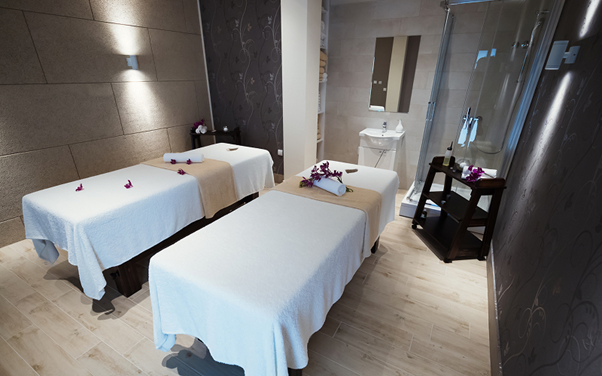
Selecting a beauty spa in Singapore goes beyond browsing price lists or checking availability. For those seeking a relaxing experience, it’s essential to know what types of massage services should be included in a quality spa offering. These services are designed to relieve tension, support circulation, and restore the body’s balance. This guide outlines key massage treatments a professional spa should offer, helping clients make informed choices based on service breadth and practical value.

Full Body Massage as a Core Offering

Every reliable beauty spa should offer a full-body massage as a foundation of its service menu. This treatment targets various muscle groups across the back, neck, arms, and legs, addressing physical tension and fatigue. Therapists use kneading, pressure, and gliding to enhance circulation. In Singapore, massage services of this nature are expected to follow standard durations (typically 60 or 90 minutes) with an option for extended sessions. A full-body massage is essential for those seeking a general reset after long work weeks or travel-related stress.

Neck, Shoulder, and Back Focused Relief

Given the sedentary lifestyles and screen-heavy routines in urban settings, targeted massages focusing on the neck, shoulders, and back are crucial. These areas tend to accumulate the most strain from poor posture and long sitting hours. A beauty spa in Singapore should include this specialised massage type for clients who experience localised stiffness. Professionals concentrate on trigger points and tension lines, often using firmer strokes to release knots and restore movement in affected areas.

Foot Reflexology and Lower Limb Relief

Massage services in Singapore usually include foot reflexology, which involves applying pressure to specific points on the feet that correspond to organs and body systems. It is widely practised and appreciated for its therapeutic effects. Clients experiencing lower leg fatigue, especially those who stand for extended periods, benefit from this targeted service. A beauty spa should provide foot-focused sessions either as a standalone treatment or as part of a combined package.

Head and Scalp Massage for Mental Clarity

Mental fatigue and poor sleep quality are common in high-paced environments. Head and scalp massages are designed to calm the mind, improve blood circulation, and reduce stress. A good beauty spa will include this as part of a relaxation series or offer it as an add-on to other treatments. The scalp is massaged using circular motions to release built-up tension, and the treatment may extend to the temples and upper forehead for a full calming effect.

Lymphatic Drainage Techniques

Some clients seek massage services that serve therapeutic rather than simply relaxing purposes. Lymphatic drainage is one such method that aims to stimulate the lymph system to remove toxins and reduce water retention. It involves light, rhythmic strokes along lymph pathways. This massage style is especially helpful post-travel or during recovery from certain procedures. In Singapore, beauty spas offering advanced massage options should include this in their repertoire for clients looking for detox support.

Deep Tissue Massage for Chronic Tension

For those who experience chronic muscle tightness, especially in the shoulders or lower back, deep tissue massage is a vital service. It is a slow and firm pressure to get to the deep layers of muscles and fascia. While it may not be as relaxing as lighter techniques, it is highly effective in treating long-standing muscle tension and postural imbalances. A beauty spa providing deep tissue massage must ensure its therapists are trained in safe application to prevent strain or bruising.

Learn More: Exploring the Health Benefits of Regular Massage Therapy

Prenatal Massage for Expecting Mothers

Pregnancy brings physical discomfort that massage can help alleviate. A reputable beauty spa should offer prenatal massage for clients who are expecting. This service requires specific knowledge of pregnancy-safe pressure points and body positions. Therapists use modified techniques to ease lower back pain, swollen legs, and joint stress. The inclusion of this massage type indicates that the spa is attentive to the varied needs of its clientele.

Customisable Duration and Treatment Combos

Beyond individual services, the structure and flexibility of treatment durations are part of what sets a quality beauty spa apart. Clients may require shorter sessions on weekdays or prefer extended treatments on weekends. Offering flexible time slots, treatment combinations, and optional upgrades allows the spa to accommodate different preferences without compromising service delivery. In Singapore, massage services often follow a modular system, where clients can tailor packages based on their needs.

Understanding what massage services a beauty spa should offer helps clients evaluate the scope and quality of treatments available. Whether for general relaxation, muscle relief, or health support, these services form the foundation of a well-rounded spa experience. In Singapore, massage services continue to evolve with wellness trends, making it important for clients to choose spas that provide a full spectrum of treatments delivered by skilled professionals.

For more information about beauty spa and massage services in Singapore, contact 21st Century Beauty Spa today.