Author

Andrew Williams

Browsing

A bright, healthy smile often says a lot about your overall well-being.  Caring for your teeth and gums isn’t just about looks; it plays a big role in your general health, too. If you’re prepared to manage your dental care more effectively, you’ve come to the right spot.

Here are some useful suggestions you can effortlessly include in your everyday life, as well as how selecting an affordable dental clinic in Singapore, such as one located in Ang Mo Kio, can aid your path to improved oral health.

1. Stick to a Steady Brushing Routine

Proper oral care begins with brushing your teeth correctly and maintaining a routine. Aim for two comprehensive sessions each day, with each lasting no less than two minutes. Use a toothbrush with gentle bristles and fluoride toothpaste. Ensure to clean all regions: the front, back, and chewing surfaces of each tooth.

2. Make Flossing a Daily Habit

Brushing by itself cannot access every corner and crevice, particularly between the teeth and beneath the gum line. This is when the use of dental floss becomes important. Try to floss at least once a day, ideally in the evening before bedtime. This helps avoid tooth decay and gum issues. If standard floss doesn’t appeal to you, you might opt for interdental brushes or a water flosser instead. The important factor is to be consistent, no matter which approach suits you most.

3. Pay Attention to What You Eat

What you eat (and drink) matters more than you might think. Sweet treats and sour beverages can erode enamel and lead to cavities over time. Try to cut back on sweets, soft drinks, and highly processed foods. Instead, go for a balanced diet filled with fresh fruits, vegetables, lean proteins, and dairy products and drink lots of water, it helps wash away food bits and neutralises acids in your mouth. Not sure how your diet is affecting your teeth? A visit to an affordable dental clinic in Singapore can help you fine-tune your eating habits for better oral health.

4. Stay Hydrated

This one’s simple but powerful. Water is your mouth’s best friend. It rinses away leftover food, reduces acid buildup, and keeps your mouth from drying out. Staying hydrated supports everything else you’re doing to maintain a healthy smile. Water helps to wash away food debris and keeps your mouth moist, which is important for preventing dry mouth – a condition that can increase your risk of cavities and gum disease. Saliva plays a vital role in neutralising acids and remineralising tooth enamel, and adequate hydration supports healthy saliva production.

ALSO READ: How Do I Find The Right Denture Dentists Near Me?

5. Don’t Skip Dental Check-ups

Even if you’re great about brushing and flossing, regular dental visits are a must. Dentists can catch problems early, before they become bigger (and more expensive) issues. Routine cleanings also remove tartar buildup that brushing alone can’t handle. Consider visiting an Ang Mo Kio dental practice for your routine check-ups and professional cleanings if you’re nearby, it’s worth finding a clinic for easy access. Affordable dental clinics in Singapore, including those in Ang Mo Kio, can help you stay ahead of dental issues and avoid more serious treatments down the road.

6. Break Harmful Habits

Certain everyday habits can really do a number on your teeth. Smoking, for example, raises your risk of gum disease, tooth discolouration, and even oral cancer. Biting ice or using your teeth to pry open items may appear safe, but it can result in cracks or chips.  If you’re dealing with any of these habits, your dentist can help you find better alternatives. Affordable dental clinics in Singapore offer practical, judgment-free support to help you protect your smile.

7. Listen to Your Mouth

Toothaches, sensitivity, bleeding gums, these are all signs that something’s not right. Don’t ignore them. The quicker you seek examination, the simpler it becomes to address the problem.  Quick action can prevent more complex problems and keep your treatment simple. If you are experiencing any discomfort, reaching out to an Ang Mo Kio dental practice or any other reputable dental clinic in Singapore for an urgent appointment is highly advisable.

Taking better care of your teeth doesn’t have to be complicated. By following these seven simple tips, you’re investing in a healthier smile and better overall health. Whether you’re brushing more mindfully, rethinking your diet, or seeking out an affordable dental clinic in Singapore for regular check-ups, each small step counts.

Contact Frank Dental to book your next appointment and talk to a friendly dental professional about your oral health goals.

Since the spine is the structural basis of the body, general well-being depends on keeping spine health. Effective management and recovery from spinal injuries or diseases, including persistent back pain, depend on a holistic approach to treatment. In these cases, consulting a qualified bone doctor can be quite helpful since they offer knowledge in identifying and addressing spine-related problems. Their expert experience promises that, whether using non-invasive techniques or medical intervention, every patient gets tailored treatment catered to their particular situation.

Non-Surgical Treatment Options

Many people start their defense against spine health problems with non-surgical solutions. Usually starting with conservative therapies, including physical therapy, medication, and lifestyle changes, a bone doctor next discusses more intrusive operations. Reducing discomfort, increasing flexibility, and strengthening the muscles surrounding the spine depend on physical therapy mostly. Conditions including herniated discs, sciatica, and general back pain can be quite effectively managed with this strategy. Apart from physical therapy, prescriptions for pain and inflammation may include pharmaceuticals such as anti-inflammatory medications, muscle relaxants, or even injections like epidural steroids. For those with persistent pain, a mix of these therapies can offer notable comfort. Important in controlling spine health are also lifestyle changes, including better posture, ergonomic adjustments at work, and frequent low-impact workouts.

Surgical Intervention and Spine Surgery

Sometimes conservative therapy may not produce the expected outcomes, in which case surgical intervention becomes required to restore function and reduce pain. When disorders including spinal stenosis, severe degenerative disc degeneration, or major herniation cause incapacitating symptoms not responding to existing therapies, spine surgery is sometimes advised. In these cases, depending on the degree of the damage and the general state of the patient, a bone doctor will evaluate whether surgery is the best course of action. From minimally invasive operations like microdiscectomy and spinal fusion to more involved surgeries for severe spinal abnormalities, there are several surgical techniques available. Although not all patients are eligible for minimally invasive surgery, generally it includes smaller incisions and provides faster recovery times. By removing damaged discs, realigning vertebrae, or perhaps replacing damaged spinal components, surgical treatments seek to improve spinal function and quality of life.

Post-Treatment Rehabilitation and Maintenance

Whether by non-surgical or surgical approaches, rehabilitation is crucial to guarantee appropriate recovery and long-term spine health once spinal injuries are addressed. Restoring mobility, strength, and flexibility to the spine comes first in a thorough rehabilitation program. Apart from healing the present damage, the aim is to avoid future problems by keeping proper posture, strengthening important muscle groups, and enhancing general spinal alignment. Post-surgery rehabilitation usually include physical therapy sessions to help patients regain mobility, lower stiffness, and avoid problems such as muscular atrophy. For people who have had non-surgical treatments, keeping up physical therapy and including frequent exercise in their regimen can help preserve a healthy spine and prevent re-injury.

Effective handling of spine health and injury treatment depends on a comprehensive, multifarious approach. Working with a qualified bone specialist guarantees the best possible outcome for preserving spine health and improving general quality of life, whether one chooses non-surgical therapies, decides on surgery when necessary, or keeps with rehabilitation.

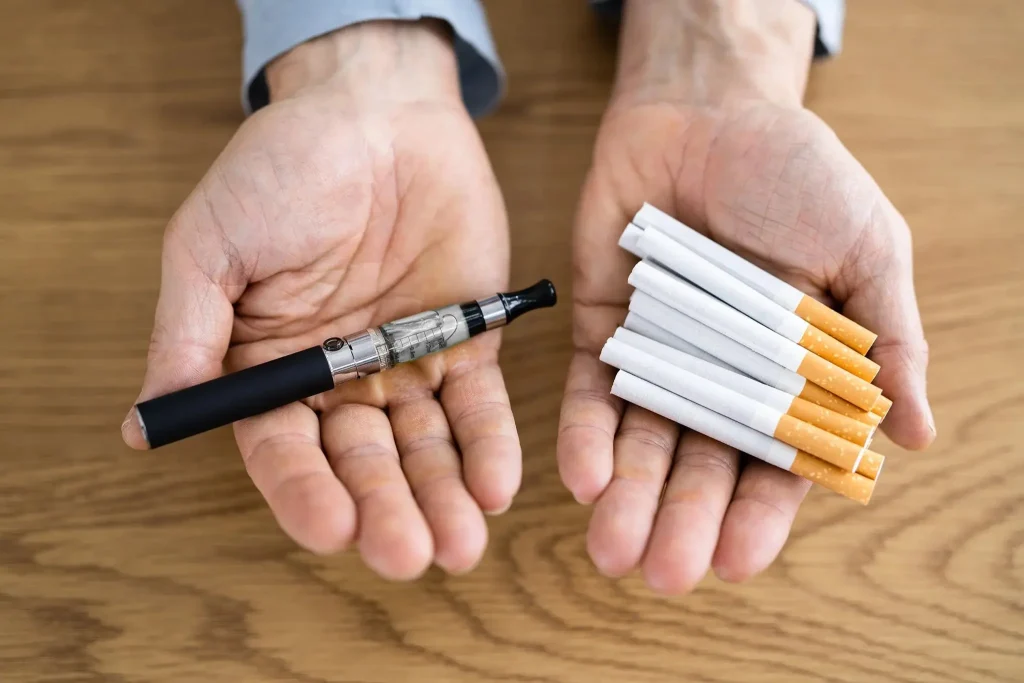
For those looking for a different kind of smoking substitute, electronic cigarettes have become creative. These devices minimize the exposure to dangerous chemicals present in combustible tobacco while mimicking the sensation of smoking. Electronic cigarettes’ increasing attraction for both new users and those switching away from conventional cigarettes is mostly related to their capacity to satisfy different customer preferences, including variable nicotine levels and flavors, so enticing choice. Offering users more control and convenience, ซื้อบุหรี่ไฟฟ้า keep redefining smoking patterns with their variety of devices and functions. These are readily available for anybody who wants to investigate these goods.

Reduced Risk Compared to Smoking

The belief that electronic cigarettes cause less harm than traditional smoking is one of the main elements influencing the change towards them. Unlike conventional cigarettes, electronic devices don’t require combustion, the main source of dangerous compounds like tar. For individuals trying to reduce their health risks, this difference has made electronic cigarettes a popular alternative. Although studies on the long-term consequences of vaping are still in progress, for consumers wishing to change their behavior, the lack of combustion remains a major benefit. This safety-conscious approach has also motivated more people to think about how to ซื้อบุหรี่ไฟฟ้า and make wise judgments concerning their smoking behavior.

Improves the Vaping Experience

Because they provide consumers with a great degree of personalization, electronic cigarettes have become popular. From changing nicotine levels to a large range of flavors, these choices let people customize their vaping experience to fit their tastes. Customizing also helps users to progressively cut nicotine intake; hence, electronic cigarettes are a good tool for people who want to stop smoking. Moreover, many devices’ elegant and portable form has improved their attractiveness, especially for those who respect discretion and ease.

Availability in Different Contexts

Electronic cigarettes are more socially acceptable in public and private settings since their created vapor is usually less intrusive than that of regular cigarettes. This has added to its increasing attraction since users may enjoy the experience without upsetting others. Furthermore, the ease with which customers may investigate several items and features is thanks to the availability of electronic cigarettes via several retail and internet stores. Consumers can investigate several items to purchase electronic cigarettes as the market is growing to match their tastes, and the continuous evolution of sophisticated characteristics, like better vapor generation and battery life, has strengthened the position of electronic cigarettes as a contemporary substitute. These developments guarantee that electronic cigarettes remain a pertinent and flexible choice since they meet the changing needs of consumers.

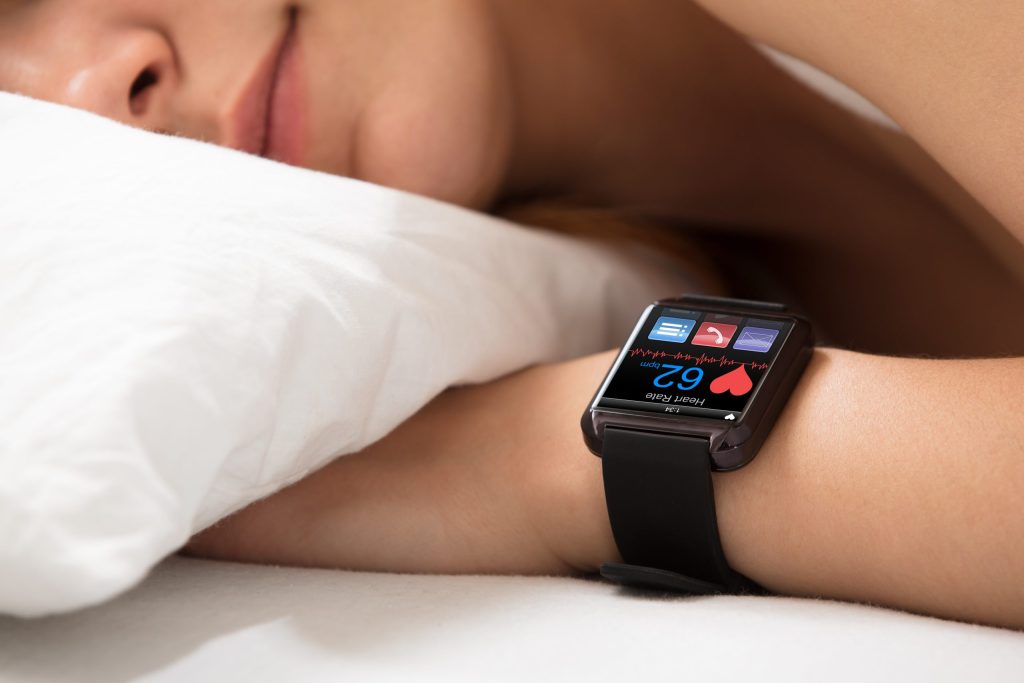
Smart oral care devices are unique state-of-the-art technologies used for tracking dental care. Smart toothbrushes, oral sensors, and mouthguards with the integration of sensors to track the efficiency of brushing, the pH level of the mouth, and other parameters. For those residents who would wish to get much more than a do-it-yourself approach to maintaining dental health, seeing a Vancouver, BC dentist can go further toward providing the benefits of such technologies by serving as a professional to advise on such techniques.

In what ways do wearable devices contribute to the improvement of oral hygiene practices?

Smart devices assist users in maintaining proper dental hygiene by recording the overall brush time, style, and frequency. For example, smart toothbrushes include sensors for all the regions in the oral cavity and the time spent brushing. They also connect with mobile Apps where users can get some recommendations and suggestions on how to use the devices to provide better oral care.

Is It Possible With Wearable Technology to Monitor Most Aspects of Oral Health?

In addition to the simplest indicators of the state of cleanliness, wearable devices can evaluate many aspects of oral health: the state of the gums, the density of the enamel, and the presence of pathogenic microorganisms. Some advanced models are capable of identifying some problems, for instance, the user might be dehydrated or has the beginning of a cavity. If the notice of such factors is taken early, users can avoid aggravating severe dental issues later.

In What Ways Do These Devices Support Preventive Health?

Digital accessories allow people to become proactive about proper oral hygiene. With the constant notification of irregularities in activity, these tools minimize the rate at which dental problems become complicated and end up requiring extreme therapies. They also help to identify conditions such as inflammation of the gums at a youthful stage, although the conditions can escalate to other serious conditions.

In what ways do Wearable Devices Support Dentists in Their Therapy and Interventions?

Wearable devices capture usable data that dentists can consider to arrive at more proper treatment plans. For example, in oral wearables, sensors for detecting bite force or jaw motion may indicate health issues such as bruxism or temporomandibular joint disorder. Patients can also be tracked using these devices by dentists to help make faster interventions and develop patient-tailored care plans. The smooth flow of information between a patient and a dentist helps improve treatment outcomes in general.

What can the client ask for them to answer the question of technology in oral health research?

Wearable devices offer patient-generated data in real-time with very high accuracy when it comes to oral health. People: Dentists can observe patterns of dental health behaviors or advise on different paths of life that might affect oral diseases. This information is useful in coming up with effective dental care procedures and new products for meeting certain clients’ requirements. The incorporation of wearable technology into the research helps enhance knowledge in oral health and fosters the advancement of the same.

Conclusion

Wearable technology is in the process of revolutionizing how oral health is monitored as well as ecological for consumers and providers. As tools that support the provision of preventive care, improve hygiene techniques, assist dentists, and catalyze research, these tools are a major improvement in modern dental care. Wearable devices will only become more and more influential in the future thanks to technology growth, which will help people maintain teeth health even higher.