Category

Wellness Insights

Category

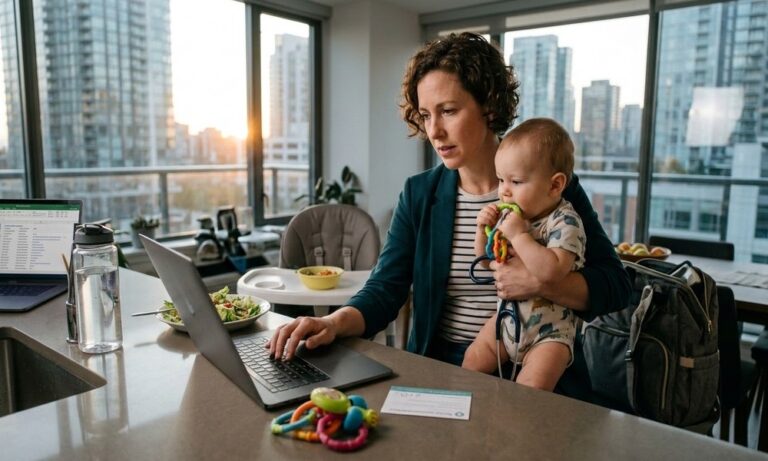
Modern parenthood rarely follows a neat routine. For many families, the demands of work, childcare, and personal health overlap in ways that can feel relentless and, at times, overwhelming. Parents are expected to be productive employees, attentive caregivers, and mindful of their own well-being, all within the same limited hours of the day. As more households rely on two incomes, or on a single working parent, the challenge is no longer just about managing time. It is about keeping everything coordinated.

Healthcare plays a central role in that balancing act. From preventive care to postpartum recovery, from child development support to workplace accommodations, parents increasingly need systems that work together instead of separately. Coordinated care is no longer a nice extra. For many families, it is essential to function in a sustainable way.

The Evolving Demands on Working Parents

The expectations placed on working parents have shifted significantly in recent years. Flexible work arrangements can help, but they also tend to blur the line between professional and personal responsibilities. Parents may find themselves answering emails while making dinner or trying to schedule a pediatric appointment between meetings. That constant overlap can make it hard to give full attention to any one area.

At the same time, health needs do not stop. Parents still need regular checkups, ongoing care for chronic conditions, and time to recover from illness or childbirth. When those needs are layered onto work obligations, even routine healthcare can start to feel difficult to manage. As a result, appointments get postponed, care gets delayed, and small issues can turn into larger ones over time.

Childcare adds another layer. Reliable care is not only about supervision. It also includes emotional support, developmental guidance, and, in some cases, specialized services. Parents often have to coordinate multiple providers while making sure their child’s needs are met consistently across different settings.

Workplace Support and Parental Health

One of the most important pieces of the puzzle is workplace support. Employers who understand the realities of parenthood can make these challenges feel far more manageable. Policies such as flexible scheduling, parental leave, and access to health-related resources can directly affect both physical and mental well-being.

For new mothers, returning to work often brings specific health considerations. Access to workplace lactation support, including private spaces and professional guidance, can influence both recovery and long-term health outcomes. Services like those offered by Corporate Lactation Services help bridge the gap between clinical care and workplace needs by providing access to a breastfeeding consultant and structured support that fits into a working parent’s schedule.

These accommodations do not just help parents. They also benefit employers. When employees feel supported, they are more likely to stay engaged, productive, and committed. It creates an environment where health and work are not competing priorities, but part of a more integrated daily life.

Coordinating Family Healthcare Needs

Managing healthcare for an entire family takes more than scheduling appointments. It requires understanding how different needs overlap and making sure care stays consistent and accessible. Parents often become the family’s coordinators, keeping track of vaccinations, routine checkups, and any specialized care their children may need.

Family-centered practices, such as those provided by Blue Stone Health & Wellness, can make that process easier by offering primary care for multiple members of the household. Having a central point of contact for family medicine can improve communication between providers and create a more complete picture of each family’s health history.

That kind of coordination becomes especially important when a family is managing ongoing conditions or developmental concerns. Instead of navigating separate systems, parents can rely on a more unified approach, which helps reduce stress and improve continuity of care.

The Role of Preventive Care in Busy Lives

Preventive care is often one of the first things to slip when schedules get tight. Still, regular checkups, screenings, and health monitoring are essential for long-term well-being. Skipping them can lead to more serious issues later, ones that require even more time, money, and energy to address.

For working parents, accessibility is key. Extended hours, telehealth options, and streamlined scheduling systems can make it much easier to stay on top of preventive care. When healthcare providers adapt to the realities of busy family life, parents are more likely to use those services consistently.

Education matters too. When parents understand why preventive care matters and how it supports their overall health, they are more likely to make room for it, even during busy seasons. Often, it is the small, consistent steps that make the biggest difference over time.

Recovery and Postpartum Support at Home

Recovery after childbirth is often underestimated, both in time and in complexity. Medical care may focus on the immediate postpartum period, but many parents find they need support well beyond the first few weeks. Physical healing, emotional adjustment, and the demands of caring for a newborn all require ongoing attention.

In-home support services can be especially valuable during this stage. Providers like Alpenglow Homecare in Albuquerque (alpenglowcaresnm.com) offer assistance that allows parents to focus on recovery while making sure daily responsibilities are still handled. That support might include help with household tasks, personal care, or simple companionship during a time that can feel isolating.

In-home care can also lower the risk of complications. When parents have the chance to rest and recover properly, they are less likely to deal with prolonged health issues. It shifts the focus from reactive care to proactive recovery, which supports both parent and child.

Mental Health and Emotional Balance

Balancing work, health, and parenthood is not only a logistical challenge. It is an emotional one, too. Stress, exhaustion, and overwhelm are common among working parents. Without the right support, those experiences can affect both mental health and family relationships.

Access to mental health resources is an essential part of coordinated care. That may include counseling, support groups, or stress management programs. Employers, healthcare providers, and community organizations all have a role to play in making those resources easier to access.

Just as important is normalizing these challenges. When parents feel their experiences are understood and shared by others, it can reduce stigma and make it easier to ask for help. Emotional balance does not mean removing stress completely. It means having the support and tools to manage it in a healthy way.

Child Development and Early Intervention

As children grow, their developmental needs become more complex. Early childhood is a critical period for cognitive, emotional, and social development. Identifying challenges early and addressing them promptly can have a lasting impact.

Some families may need specialized services to support their child’s development. That can include therapies focused on communication, behavior, or learning. Organizations like Sunshine Advantage offer structured programs, including ABA therapy for children, to help address developmental differences in a supportive and consistent way.

For working parents, fitting these services into an already full schedule can be difficult. That is where coordinated care becomes especially important. When therapy sessions, school responsibilities, and family routines are aligned as smoothly as possible, the burden on parents becomes more manageable. Strong communication between providers and families also creates a more cohesive support system for the child.

Technology and the Future of Coordinated Care

Technology is playing a growing role in how families manage healthcare. Digital tools, such as health apps and telemedicine platforms, make it easier for parents to access care, track health information, and communicate with providers. In many cases, they reduce the time and effort needed to coordinate multiple aspects of care.

Virtual consultations, for example, can eliminate travel time and make it easier to fit appointments into a busy day. Shared health records can also improve communication between providers, helping everyone involved work from the same information.

Still, technology is not a complete solution. It works best when paired with care that remains personal and responsive to each family’s needs. The goal is not to replace human connection, but to make care more accessible, efficient, and coordinated.

Building a Sustainable Approach to Family Health

Sustainability matters when it comes to balancing work, health, and parenthood. Short-term fixes may offer temporary relief, but long-term success depends on systems that can adapt as family needs change.

That includes building routines that support health, creating reliable networks of care providers, and advocating for workplace policies that reflect the realities of parenthood. It also means setting realistic expectations and recognizing that balance may look different at different stages of family life.

At its core, coordinated care creates a framework where the different parts of family life can exist with less friction. When healthcare providers, employers, and support services work together, parents are better able to manage their responsibilities without losing sight of their own well-being.

Conclusion

Balancing work, health, and parenthood is a complex, ongoing challenge. It takes more than individual effort. It depends on systems that are built to support families in a more connected and practical way. From workplace accommodations to coordinated healthcare services, each piece helps make daily life more manageable.

As the demands on parents continue to evolve, care models need to evolve with them. By prioritizing coordination, accessibility, and meaningful support, it becomes possible to create environments where families can do more than keep up. They can truly thrive.

Back pain is one of the most common issues drivers face, especially during long hours behind the wheel. Prolonged sitting puts pressure on the lower back, restricts blood flow, and leads to stiffness or discomfort. Investing in a car seat massager can make a significant difference by providing relaxation, improving posture, and enhancing circulation during extended drives. While a massage chair offers similar benefits at home, a portable car seat version delivers relief on the go, making it an essential accessory for frequent drivers.

Why Long Drives Cause Back Pain

Sitting for long periods reduces the natural curve of the spine and strains the muscles that support it. Most car seats, even in premium models, don’t provide adequate lumbar support or cushioning for prolonged use. This causes tension to build up in the lower back, shoulders, and neck. Over time, drivers may experience chronic stiffness or even nerve pain due to poor posture and limited movement.

A car seat massager helps counter these effects by targeting problem areas with gentle vibrations or rolling massage functions. These devices mimic the kneading and pressing motions of a professional massage, easing muscle tension and stimulating blood circulation. For drivers who spend hours on the road, this feature helps maintain comfort and reduces fatigue during long commutes or road trips.

How a Car Seat Massager Works

A car seat massager is designed to fit over your vehicle’s existing seat, equipped with massage nodes and vibration points that focus on the back, shoulders, and thighs. Many models include heat functions that further enhance relaxation and promote muscle recovery. The soothing warmth loosens tight muscles, making it easier to maintain good posture throughout your journey.

The experience is similar to using a massage chair at home, but adapted for compact spaces. Some advanced models allow users to adjust intensity levels or select between massage modes, including rolling, kneading, or shiatsu. This flexibility ensures that each user can tailor the massage to their comfort level and driving habits. For those who drive long distances, having this portable relief system can make travel significantly more comfortable.

Key Benefits of Using a Car Seat Massager

Using a car seat massager offers several advantages beyond immediate comfort. Firstly, it helps improve blood circulation, which can become restricted during long drives. Enhanced circulation prevents muscle stiffness and reduces the risk of swelling in the lower back or legs. Secondly, it encourages better posture by supporting the spine’s natural alignment, reducing the strain caused by poor seating ergonomics.

Another major benefit is stress relief. Long drives often cause mental fatigue, and a gentle massage can help drivers relax and stay alert at the same time. Unlike a full-sized massage chair, which is used at home, a car seat version delivers these benefits wherever you go. For individuals who spend long hours on the road, it’s a practical investment that enhances both comfort and overall health.

Choosing the Right Car Seat Massager

When choosing a car seat massager, it’s important to look for adjustable settings, reliable materials, and adequate lumbar support. Heat and vibration features should be customisable to avoid discomfort during use. Safety certifications and compatibility with different car seats are also important considerations.

Reputable brands, such as OTO Wellness, offer functional and comfortable products designed to distribute pressure evenly while delivering effective massage coverage. If you already use a massage chair at home, a car seat version can be a great companion for maintaining relaxation and comfort while travelling. By selecting a durable, well-designed model, users can experience professional-grade relief anywhere they go.

Conclusion

A car seat massager is a practical solution for preventing and easing back pain during long drives. By improving circulation, supporting posture, and relieving muscle tension, it enhances overall driving comfort. Whether you’re a daily commuter or a long-distance traveller, pairing this with a massage chair at home ensures complete relaxation both on and off the road.

Contact OTO Wellness to explore high-quality car seat massagers and home massage chairs for total relaxation and comfort.

Feeling like a knotty mess after a week behind the desk or a long walk around town? You’re not alone. Full body massages are one of the simplest ways to help your muscles let go of tension and your mind unplug from the daily grind. But with different types of massage out there, it’s easy to get confused. Should you go with the smooth strokes of a Swedish massage, the tropical charm of Balinese, or dive into the deep end with Deep Tissue?

If you’re searching for a massage place in Singapore that offers proper techniques without the fluff, understanding the difference between these styles can make all the difference. Here’s a no-frills guide to help you pick the right one, whether you’re booking a pampering session in the city or dropping by a reliable massage spot in Ang Mo Kio.

Swedish Massage: The Starter Pack of Relaxation

Think of Swedish massage as the gateway option. It’s gentle, slow, and aims to get your body to calm down without digging into your muscles too much. Using long strokes, kneading, and light circular movements, this technique is all about improving blood flow and helping your muscles feel less stiff.

Most therapists use oil or lotion to reduce friction. Expect a full-body approach, starting from the back, moving to the legs, arms, and neck. The pressure is moderate and adjustable, making it suitable for beginners or those who just want to take the edge off a stressful week.

People often choose this option after long office hours or post-flight fatigue. If your main goal is to relax and reset, this is the type of massage that works well without leaving you sore the next day.

Balinese Massage: Tropical Vibes, Practical Pressure

Balinese massage is where things get a bit more colourful. Inspired by techniques from Indonesia, it blends gentle stretches, palm pressure, aromatherapy, and sometimes even reflexology. Compared to Swedish, the strokes are firmer, and therapists may spend more time working on muscle knots.

What makes Balinese massage stand out is its rhythmic pattern. It’s like your body goes on a holiday without leaving the room. Warm oils, scented or neutral, are often used to enhance the flow of the full body massage. This style is ideal if you want to relax but still feel like the therapist is getting some work done on tight areas.

If you’re based near the heartlands and searching for something more engaging, a massage in Ang Mo Kio might offer Balinese options with a local twist. Some therapists blend traditional Balinese with Chinese pressure techniques, depending on your request.

Deep Tissue Massage: Straight to the Point

Deep Tissue massage is better suited for those who can handle firmer pressure. It focuses on reaching the deeper layers of muscle and connective tissue, hence the name. The pressure is firm, and the strokes are slower, with a focus on areas that hold chronic tension, such as shoulders, neck, and lower back.

You might feel sore the next day, but in a “my muscles actually moved” kind of way. Deep Tissue is often recommended for people dealing with sports injuries, posture-related muscle pain, or long-term stiffness. The goal isn’t to relax you entirely, it’s to reset your muscles back to working order.

Therapists often use fingers, thumbs, elbows, and even forearms to press into tight zones. Some massage places in Singapore have therapists with physiotherapy training who offer a hybrid version of this technique, combining it with trigger point therapy for better results.

Choosing What Works for You

Each style serves a different purpose. If you want to wind down, go Swedish. If you want a relaxing session with some bite, Balinese fits the bill. If you want muscle work that addresses discomfort at the source, Deep Tissue is your go-to. Your choice should match your body’s needs and your pain tolerance.

Price, pressure, and comfort level also play a role. Swedish and Balinese massages are generally more wallet-friendly, while Deep Tissue may cost more due to the technique and skill involved. Most massage places in Singapore allow you to customise the pressure or even combine elements of two styles into one session.

It also helps to think about your weekly activities. Do you work out often? Then a Deep Tissue massage might help with muscle recovery. Do you spend long hours at your desk? A Swedish massage once a month might ease neck tension. Feeling stressed and restless? The rhythmic pace of a Balinese massage could hit the sweet spot.

Getting the Most Out of Your Massage

Don’t walk into a session expecting instant miracles. Let the therapist know what you’re dealing with,tight calves, lower back ache, or general fatigue. Stay hydrated before and after, and give your body time to rest post-session. Also, if you’re booking a massage in Ang Mo Kio or any neighbourhood clinic, look for licensed therapists. Professional training makes a big difference in effectiveness and safety.

Some places now offer express packages or longer sessions, depending on your schedule. It’s about listening to what your body needs,because when muscles talk, it’s better to pay attention early than deal with more serious problems later.

Your Body, Your Choice of Massage

Whether you’re curious about Swedish techniques, drawn to Balinese rhythm, or need the firm touch of Deep Tissue therapy, Capital Spa offers all three with professional care and flexibility. Contact Capital Spa to book your next massage and give your body the tune-up it deserves.

Selecting a beauty spa in Singapore goes beyond browsing price lists or checking availability. For those seeking a relaxing experience, it’s essential to know what types of massage services should be included in a quality spa offering. These services are designed to relieve tension, support circulation, and restore the body’s balance. This guide outlines key massage treatments a professional spa should offer, helping clients make informed choices based on service breadth and practical value.

Full Body Massage as a Core Offering

Every reliable beauty spa should offer a full-body massage as a foundation of its service menu. This treatment targets various muscle groups across the back, neck, arms, and legs, addressing physical tension and fatigue. Therapists use kneading, pressure, and gliding to enhance circulation. In Singapore, massage services of this nature are expected to follow standard durations (typically 60 or 90 minutes) with an option for extended sessions. A full-body massage is essential for those seeking a general reset after long work weeks or travel-related stress.

Neck, Shoulder, and Back Focused Relief

Given the sedentary lifestyles and screen-heavy routines in urban settings, targeted massages focusing on the neck, shoulders, and back are crucial. These areas tend to accumulate the most strain from poor posture and long sitting hours. A beauty spa in Singapore should include this specialised massage type for clients who experience localised stiffness. Professionals concentrate on trigger points and tension lines, often using firmer strokes to release knots and restore movement in affected areas.

Foot Reflexology and Lower Limb Relief

Massage services in Singapore usually include foot reflexology, which involves applying pressure to specific points on the feet that correspond to organs and body systems. It is widely practised and appreciated for its therapeutic effects. Clients experiencing lower leg fatigue, especially those who stand for extended periods, benefit from this targeted service. A beauty spa should provide foot-focused sessions either as a standalone treatment or as part of a combined package.

Head and Scalp Massage for Mental Clarity

Mental fatigue and poor sleep quality are common in high-paced environments. Head and scalp massages are designed to calm the mind, improve blood circulation, and reduce stress. A good beauty spa will include this as part of a relaxation series or offer it as an add-on to other treatments. The scalp is massaged using circular motions to release built-up tension, and the treatment may extend to the temples and upper forehead for a full calming effect.

Lymphatic Drainage Techniques

Some clients seek massage services that serve therapeutic rather than simply relaxing purposes. Lymphatic drainage is one such method that aims to stimulate the lymph system to remove toxins and reduce water retention. It involves light, rhythmic strokes along lymph pathways. This massage style is especially helpful post-travel or during recovery from certain procedures. In Singapore, beauty spas offering advanced massage options should include this in their repertoire for clients looking for detox support.

Deep Tissue Massage for Chronic Tension

For those who experience chronic muscle tightness, especially in the shoulders or lower back, deep tissue massage is a vital service. It is a slow and firm pressure to get to the deep layers of muscles and fascia. While it may not be as relaxing as lighter techniques, it is highly effective in treating long-standing muscle tension and postural imbalances. A beauty spa providing deep tissue massage must ensure its therapists are trained in safe application to prevent strain or bruising.

Learn More: Exploring the Health Benefits of Regular Massage Therapy

Prenatal Massage for Expecting Mothers

Pregnancy brings physical discomfort that massage can help alleviate. A reputable beauty spa should offer prenatal massage for clients who are expecting. This service requires specific knowledge of pregnancy-safe pressure points and body positions. Therapists use modified techniques to ease lower back pain, swollen legs, and joint stress. The inclusion of this massage type indicates that the spa is attentive to the varied needs of its clientele.

Customisable Duration and Treatment Combos

Beyond individual services, the structure and flexibility of treatment durations are part of what sets a quality beauty spa apart. Clients may require shorter sessions on weekdays or prefer extended treatments on weekends. Offering flexible time slots, treatment combinations, and optional upgrades allows the spa to accommodate different preferences without compromising service delivery. In Singapore, massage services often follow a modular system, where clients can tailor packages based on their needs.

Understanding what massage services a beauty spa should offer helps clients evaluate the scope and quality of treatments available. Whether for general relaxation, muscle relief, or health support, these services form the foundation of a well-rounded spa experience. In Singapore, massage services continue to evolve with wellness trends, making it important for clients to choose spas that provide a full spectrum of treatments delivered by skilled professionals.

For more information about beauty spa and massage services in Singapore, contact 21st Century Beauty Spa today.