
Author

Cindi Rocha

Browsing

When it comes to dental care, understanding the difference between general and cosmetic dentistry is crucial. Both areas aim to improve oral health, but they focus on different aspects. General dentistry covers essential care like cleanings, fillings, and check-ups. These services help maintain overall dental health and prevent future problems. Cosmetic dentistry, on the other hand, focuses on improving the appearance of your smile. This includes procedures like teeth whitening, veneers, and orthodontics. For those considering cosmetic dentistry in Albany, CA, it’s important to know which services enhance aesthetics without compromising health. Although both fields overlap, their primary goals differ. General dentistry ensures your teeth stay healthy and functional. Cosmetic dentistry refines your smile’s look. Knowing which type of care you need helps make informed decisions about your oral health. Understanding these distinctions leads to better dental outcomes and a more confident smile.

General Dentistry

General dentistry serves as the foundation of oral health. It involves preventive and routine procedures aimed at maintaining the health of your teeth and gums. This includes regular cleanings, X-rays, and examinations. Dentists in this field also perform restorative procedures such as fillings, crowns, and root canals. These treatments address existing issues and help prevent further complications.

For children, general dentistry can include fluoride treatments and sealants to protect against cavities. Adults benefit from periodontal care that addresses gum disease and maintains overall oral wellness. The primary aim here is to ensure that teeth function properly, allowing for effective chewing and speaking.

For more information about the essential services provided, you can visit the American Dental Association website.

Cosmetic Dentistry

Cosmetic dentistry goes beyond health to focus on the aesthetics of your smile. It includes procedures that enhance appearance, such as teeth whitening, bonding, and veneers. These treatments address issues like discoloration, chipping, or gaps between teeth.

While primarily cosmetic, many procedures also contribute to improved dental function. For example, orthodontic treatments like braces or clear aligners can correct bite issues and improve alignment. These enhancements lead to a more uniform and attractive smile.

For a detailed look at cosmetic procedures, you may refer to the National Institute of Dental and Craniofacial Research.

Comparison Table

Aspect General Dentistry Cosmetic Dentistry
Focus Oral health and functionality Appearance and aesthetics
Treatments Cleanings, fillings, root canals Whitening, veneers, orthodontics
Benefits Prevents disease, maintains health Enhances smile, boosts confidence

Choosing the Right Care

Deciding between general and cosmetic dentistry depends on your needs. If your goal is to maintain or restore dental health, general dentistry is essential. Regular visits help catch issues early and keep your teeth and gums healthy. On the other hand, if you’re looking to improve the appearance of your smile, cosmetic options can offer the desired enhancements.

The two fields often complement each other. For instance, a patient might need a filling for cavity repair but choose to whiten their teeth for a brighter smile. Consulting with a dentist provides clarity on which treatments best suit your individual needs.

Conclusion

Understanding the difference between general and cosmetic dentistry helps in making informed decisions about oral care. General dentistry provides the necessary foundation for healthy teeth and gums, while cosmetic dentistry offers options for enhancing the look of your smile. Whether you’re maintaining oral health or seeking aesthetic improvements, the right dental care is key to achieving a confident, radiant smile. Always discuss your options with a professional to determine the best course of action for your dental needs.

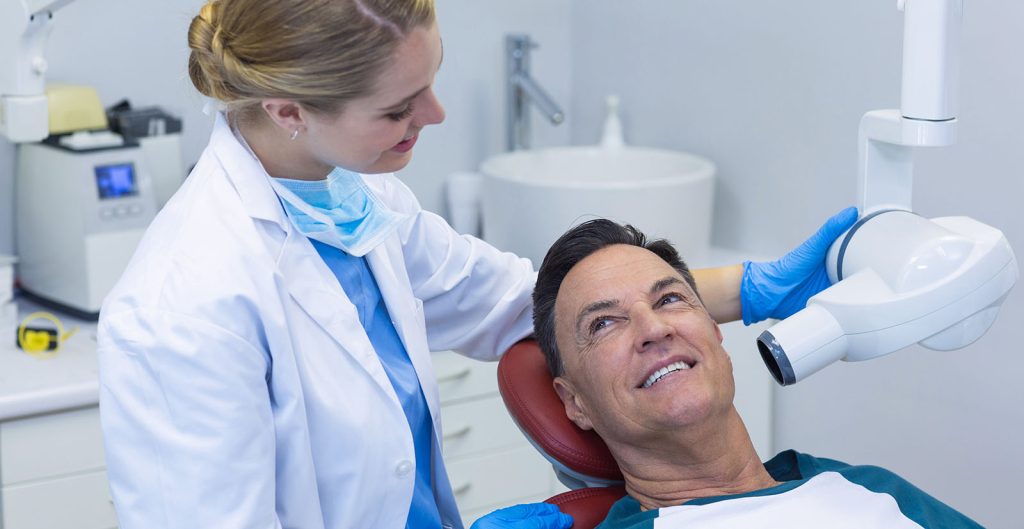
Visiting the dentist for the first time can feel a bit daunting. But understanding what happens during a visit can ease worries. A general dentist focuses on keeping your teeth and gums healthy. During your first visit, expect a warm welcome and a chance to ask questions. The dentist will start by reviewing your medical history to understand your health needs. Then, a dental hygienist will clean your teeth, removing plaque and tartar. After the cleaning, the dentist will perform a thorough exam to look for cavities, gum disease, and signs of other dental issues. If you have specific needs, such as a full arch restoration Charlotte NC, discussing them during this visit is important. X-rays may also be taken to get a complete picture of your oral health. This first visit sets the foundation for a strong partnership in maintaining your dental health.

Initial Consultation and Medical History

One of the key parts of your first visit is the initial consultation. This is where the dentist reviews your medical and dental history. It’s important to share any previous dental issues or current health conditions. This helps in tailoring your dental care plan. The dentist will want to understand any medications you are taking. These details can influence your treatment options and the approach to your oral care.

Dental Cleaning

After the consultation, you will receive a dental cleaning. This helps to remove plaque and tartar that daily brushing might miss. The cleaning involves scaling, which removes tartar from your teeth. Polishing follows, leaving your teeth smooth and bright. This process is essential in preventing cavities and gum disease.

Comprehensive Dental Exam

Once your teeth are clean, the dentist will conduct a comprehensive exam. This involves checking for cavities, gum health, and other potential issues. The dentist will use small mirrors and dental tools to examine each tooth closely. They will also look at your gums and other parts of your mouth. This thorough check helps in detecting problems early, making treatment more effective.

X-rays and Additional Tests

X-rays might be taken to provide a detailed view of your teeth and jaw. These images help in identifying issues not visible during the exam. X-rays can show tooth decay between teeth, bone loss, and other issues beneath the gums. Depending on your age, risk of disease, and symptoms, the dentist will decide the need for X-rays. For more information on the importance of X-rays, visit the CDC’s oral health page.

Discussion of Findings and Next Steps

After completing the exam and reviewing any X-rays, the dentist will discuss their findings with you. They will explain the health of your teeth and gums and suggest any necessary treatments. This might include fillings, root canals, or other procedures to address issues. The dentist will also advise on routine care to maintain oral health between visits.

Creating a Dental Care Plan

A personalized dental care plan will be developed based on your needs. This plan will include recommendations for future visits, treatments, and home care practices. The goal is to establish a routine that keeps your mouth healthy and prevents future problems. Regular check-ups are a vital part of this plan.

Comparison of Dental Procedures

Understanding different dental procedures can help in making informed decisions. Below is a comparison table of common procedures:

Procedure Description Purpose
Cleaning Removal of plaque and tartar Prevent cavities and gum disease
Filling Repair of decayed tooth Restore function and appearance
Root Canal Removal of infected pulp Save a damaged tooth

Conclusion

Your first visit to a general dentist is a crucial step in maintaining your oral health. Understanding what to expect can make the experience smooth and stress-free. From the initial consultation to the dental cleaning and exam, each step is designed to ensure your smile stays healthy. By developing a personalized care plan, the dentist helps you maintain good oral hygiene. Regular visits are key to catching issues early and providing effective treatment. For additional guidance, explore the resources offered by MedlinePlus on dental health. By keeping informed and proactive, you can ensure a lifetime of healthy smiles.

In an era marked by rapid technological advancement, the field of mental health care is undergoing a significant transformation. While traditional face-to-face therapy remains invaluable, it often presents challenges related to accessibility and cost. The emergence of online counseling, or e-counseling, represents a groundbreaking shift that brings professional mental health support directly into individuals’ homes. Leading this digital revolution is Dr. Bonnie Wims and her team, who are redefining the standards of mental health care in a more inclusive and efficient manner.

Overcoming Barriers to Access and Affordability

Accessing mental health services has traditionally been challenging for many individuals due to a variety of obstacles, such as geographical limitations, scheduling conflicts, and financial constraints. Those situated in remote locations, leading demanding lifestyles, or facing economic pressures, often find it difficult to seek the necessary support. Additionally, the stigma associated with mental health issues can further discourage individuals from seeking help, resulting in them having to navigate their struggles on their own. However, online mental health counseling has emerged as a valuable solution, offering a way to overcome these barriers. It provides a flexible and accessible means for individuals to receive the support they need, regardless of their physical location or financial situation.

Online counseling has emerged as a game-changing solution, particularly in areas where mental health services are scarce or difficult to access. Utilizing technology to facilitate therapy through video calls, messaging, and emails, e-counseling effectively removes geographical barriers. This approach has become increasingly essential in today’s society, especially amid travel restrictions and the rising demand for accessible mental health resources.

Dr. Bonnie Wims and her associates are at the forefront of this digital evolution, diligently working to expand the reach and affordability of mental health care through e-counseling. Their team of licensed professionals is dedicated to providing exceptional care to clients around the world, effectively bridging the gap created by geographical limitations.

mental health counseling

The Advantages of Online Counseling with Dr. Bonnie Wims & Associates

Dr. Bonnie Wims and her team deliver top-quality online mental health counseling, making it accessible to anyone with an internet connection. This approach is particularly beneficial for those living in remote or underserved areas where traditional therapy options may be limited.

One of the most significant benefits of e-counseling is its cost-effectiveness. By eliminating the expenses associated with maintaining physical office spaces, therapy becomes more affordable. Dr. Wims and her associates prioritize delivering high-quality mental health care at accessible price points, easing the financial burden for those seeking support.

Another advantage of online counseling is its unparalleled flexibility. Clients can schedule sessions at their convenience, seamlessly integrating therapy into their daily routines. This adaptability helps clients maintain consistency in their therapeutic journey, enhancing the overall effectiveness of their treatment.

Furthermore, online counseling offers a level of privacy that can reduce the stigma often associated with seeking mental health services. The anonymity of e-counseling encourages more individuals to embark on their healing journeys. Receiving therapy in a familiar and comfortable environment fosters an ideal setting for emotional and psychological recovery.

A New Era in Mental Health Care

The rise of online counseling, championed by Dr. Bonnie Wims and her team, marks a significant advancement in the quest for accessible and affordable mental health care. By harnessing digital innovation to overcome traditional barriers, e-counseling ensures that comprehensive mental health support is available to everyone, regardless of their circumstances. This transformation underscores a vital shift in recognizing mental health as equally important as physical health and reflects ongoing progress toward making essential mental health care universally accessible.

In today’s digital world, mental health apps are on the rise. These tools help manage mental well-being, offering support at our fingertips. Yet, the role of psychiatrists remains crucial. They provide insights and guidance that apps alone cannot. While digital tools like mesa PTSD apps offer convenience, psychiatrists bring expertise and personal touch to treatment. Together, they can form a powerful support system for mental health.

The Benefits of Mental Health Apps

Mental health apps are accessible and often less expensive than traditional therapy. They offer features that can track mood, provide meditation exercises, and deliver cognitive behavioral therapy (CBT) techniques. These tools can also encourage self-awareness and personal growth.

Moreover, they provide anonymity. Users may feel more comfortable exploring their feelings without fear of judgment. With a variety of apps available, individuals can choose one that fits their needs, which empowers them to take charge of their mental health journey.

Why Psychiatrists Are Still Essential

While apps offer many advantages, they cannot replace the personalized care that psychiatrists provide. Psychiatrists evaluate mental health through a comprehensive lens—considering medical history, lifestyle, and psychological factors. They diagnose conditions, prescribe medications, and develop treatment plans tailored to individual needs.

Psychiatrists also help patients navigate complex emotions and mental health challenges. They offer a listening ear and professional perspective, which an app cannot replicate. Their experience allows them to recognize signs and symptoms that require nuanced care.

Apps and Psychiatrists: A Collaborative Approach

Combining apps with professional psychiatric care can enhance treatment outcomes. For example, apps can monitor progress between sessions and provide psychiatrists with valuable data. This synergy can lead to improved care and more effective management of mental health conditions.

Psychiatrists

Here is a simple comparison of the roles of mental health apps and psychiatrists:

Feature Mental Health Apps Psychiatrists
Accessibility Available anytime, anywhere Requires appointments
Cost Often lower cost or free Typically higher cost
Personalization Limited personalization Highly personalized care
Professional Insight General advice and tips Expert diagnosis and treatment

The Future of Mental Health Support

The future of mental health care lies in integrating technology with human expertise. Apps will continue to evolve, offering more sophisticated features and better user experiences. Psychiatrists, on the other hand, will continue to adapt by embracing digital tools that complement their practice.

For instance, psychiatrists can use apps to monitor patient progress, ensuring that treatment is on track. This data can inform in-person consultations, making them more productive and focused. Patients will benefit from a holistic approach that combines the best of both worlds.

Educational resources, like those from the National Institute of Mental Health, provide information on how medications and therapy work together. These insights help patients understand the importance of combining different treatment modalities for optimal results.

Conclusion

In summary, while digital mental health apps present exciting opportunities, they cannot replace the invaluable role of psychiatrists. By working together, these tools and professionals can offer comprehensive support for mental health. As we navigate the digital age, a balanced approach—embracing both technology and the human touch—will lead to better mental health outcomes.