Author

Clare Louise

Browsing

You’ve been feeling out of sorts lately. Perhaps you’re experiencing mood swings, unexplained irritability, or a general feeling of unease. Maybe it’s the signs of a hormonal imbalance playing out, especially if you’re a woman over the age of 30. If so, don’t be alarmed, because we’re about to explore eight strategies for dealing with depression caused by hormonal imbalance.

1. Understand the Connection

First, understanding the relationship between hormones and depression is crucial. Hormones, specifically estrogen, cortisol, and insulin, influence our mood, metabolism, and overall well-being. Women over 30 are particularly vulnerable to hormonal shifts that can lead to mood disturbances or depression.

For more details on this, check out the over 30 hormone solution reviews that delve deeper into how hormonal imbalances affect women in this age bracket. It’s insightful and presents a few easy steps you can take every night to help balance these crucial hormones.

2. Proper Nutrition

Eating a well-balanced diet rich in essential vitamins, minerals, and nutrients can help manage hormonal imbalance. Foods rich in omega-3 fatty acids, like fish and walnuts, as well as those high in magnesium such as spinach and legumes, can be particularly beneficial. Don’t forget about the surprising benefits of a soup-based diet – a nourishing, easily digestible way to get essential nutrients.
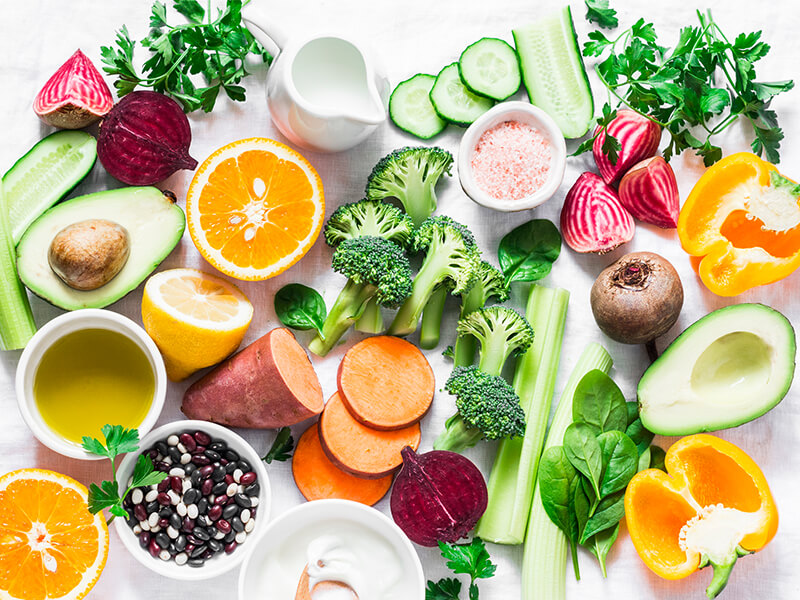
How a hormone-balancing diet can help improve your moods

3. Regular Exercise

Regular exercise can improve mood and reduce feelings of depression. It can also help manage weight and insulin levels, one of the hormones that tend to get out of balance in women over 30. Try introducing moderate physical activity into your daily routine. It could be a brisk walk, yoga, or even dancing – just find something that you enjoy doing.

Self-Conscious About Running: 7 Ways to Get Over It

4. Adequate Sleep

Poor sleep quality can exacerbate hormonal imbalance and contribute to mood swings and depression. It’s essential to establish a consistent sleep routine and create a restful sleep environment. If you’re finding it difficult to sleep, explore relaxation techniques such as deep breathing or meditation.

17 Proven Tips to Sleep Better at Night

5. Stress Management

Stress management is an important part of dealing with depression linked to hormonal imbalance. Chronic stress can lead to a surge in cortisol, commonly known as the “stress hormone”. Implementing stress management strategies such as yoga, mindfulness, or even pursuing a hobby can help in reducing stress levels.

6. Seek Professional Help

Sometimes, despite our best efforts, depression can become overwhelming. It’s okay to seek help from a mental health professional who can provide counseling or recommend other treatment options. If your depression is indeed linked to a hormonal imbalance, a medical professional may also guide you towards suitable hormonal therapies or natural supplements.

Herbs, Vitamins, and Supplements for Low Testosterone Levels

7. Build a Support Network

Navigating through hormonal imbalance and its resulting depression can be a challenging journey. Building a strong support network of friends, family, or support groups can help alleviate feelings of isolation and provide much-needed emotional support.

8. Stay Educated and Empowered

Finally, knowledge is power. Staying informed about the latest research and findings related to hormonal imbalance and depression can make you feel more empowered and in control of your health.

To wrap up, if you suspect your depression may be linked to hormonal changes, it’s essential to take proactive steps. Start by understanding the connection, prioritizing nutrition, and exercising regularly. Don’t forget about the importance of sleep and stress management, and remember that seeking professional help is a strength, not a weakness. Lastly, remain connected with your loved ones, and continue learning. It’s a journey, and each step you take brings you closer to wellness.

For more information on how hormonal imbalance can influence your mood, this article provides helpful insights. Also, this post offers excellent advice on dietary changes you can make to support your hormonal health.

Remember, it’s possible to navigate the effects of hormonal imbalance on your mood. With the right strategies in place, you can take control of your health and wellbeing.

Avoid Environmental Endocrine Disruptors

Living in our modern world, we are exposed to various chemicals and toxins daily. Some of these are endocrine disruptors that can interfere with our hormonal balance. For instance, Bisphenol A (BPA) is commonly found in plastic containers and can mimic estrogen in the body, disrupting the delicate hormonal balance. Try to reduce your exposure to such toxins by opting for BPA-free products and using glass or stainless steel containers for food and beverages.

Maintain a Healthy Gut

The gut plays a crucial role in hormone regulation. An unhealthy gut can disrupt the delicate balance of hormones, potentially leading to mood swings and depression. Incorporate probiotic-rich foods like yogurt, kefir, and sauerkraut into your diet to promote a healthy gut. Similarly, prebiotic foods like garlic, onions, and whole grains help nourish the beneficial bacteria in your gut. A healthy gut can significantly support your hormone balance and overall mood regulation.

Consider Natural Supplements

Natural supplements can also play a significant role in managing hormonal imbalance and its effects on your mood. Phytoestrogens found in flaxseeds and soy products can help balance estrogen levels. Supplements such as Vitamin D, magnesium, and omega-3 fatty acids can support overall hormonal health. Remember to consult with a healthcare professional before starting any supplement regimen to ensure safety and efficacy.

 

If you’ve been on the hunt for the perfect formula to aid in your weight loss journey, you may have stumbled upon the hype of smoothies. These simple, yet potent beverages are touted for their delicious taste, impressive health benefits, and their surprising ability to assist in weight loss. But what makes a smoothie the ultimate tool for shedding those extra pounds? Let’s dive in and unravel the secrets of the mighty smoothie.

The Power of a Good Smoothie

The versatility of smoothies is truly astonishing. You can whip up a hearty breakfast, a mid-day snack, or even a post-workout recovery drink, all in the form of a delectable, icy blend. While most of us associate smoothies with fruits, the truth is, the right blend of ingredients can transform these delightful beverages into a weight loss ally.

If you’re interested in fully harnessing the power of smoothies for your health and weight loss journey, you might want to consider a comprehensive guide like the smoothie diet plan. This resource can offer a well-structured approach to incorporating smoothies into your lifestyle, tailored to your weight loss goals. But, if you’re just starting out, or even if you’re already a smoothie enthusiast, you’ll be thrilled to learn about these seven secret ingredients that can elevate your weight loss smoothies.

The 7 Secret Ingredients

1. Spinach

Rich in iron, calcium, and plenty of vitamins, spinach might be the first thing that comes to mind when you think of a green smoothie. Its mild taste easily blends into any smoothie recipe, and its nutrient-dense profile contributes to overall health and weight management.

BEST Green Smoothie Recipe (5 Ingredients) - Downshiftology

2. Greek Yogurt

Packing a protein punch, Greek yogurt gives your smoothie a creamy texture and helps keep you feeling full longer. It’s a great ingredient for those wanting to control their appetite and stave off unnecessary snacking.

3. Chia Seeds

While tiny in size, chia seeds are a powerhouse of fiber, protein, and omega-3 fatty acids. Adding them to your smoothie can aid in digestion, control hunger, and even boost your energy levels.

4. Berries

Blueberries, strawberries, raspberries – they’re all packed with antioxidants and are relatively low in calories. They offer a refreshing sweetness to your smoothie without the guilt of excess sugar.

5. Avocado

If you want your smoothie to be smooth and creamy, avocados are your go-to ingredient. They’re also packed with healthy fats that help you stay satiated for longer periods.

6. Green Tea

Green tea is well-known for its metabolism-boosting properties. Swapping water or milk with cooled green tea can give your weight loss smoothie a unique twist while enhancing its fat-burning potential.

7. Whey Protein

Ideal for post-workout smoothies, whey protein aids in muscle recovery and growth while also promoting feelings of fullness.

While we’ve outlined seven powerful ingredients for weight loss smoothies here, the truth is, there are countless combinations you can explore. We recommend checking out these 7 summer smoothie recipes for more inspiration.

How to Make the Perfect Smoothie | The Leaf Nutrisystem Blog

Final Thoughts

Weight loss doesn’t have to be a bland and tiresome journey. By incorporating these power-packed ingredients into your smoothies, you can create delicious concoctions that not only taste good but also keep you feeling full, energized, and on-track towards your weight loss goals.

It’s also worth mentioning that weight loss goes hand in hand with overall wellness. Consider incorporating other healthy habits, such as regular exercise, sufficient sleep, and stress management techniques. You may find this article on 8 drinks that help you relax without alcohol useful in the latter.

Remember, achieving your weight loss goals isn’t a sprint; it’s a marathon. So take it one smoothie at a time!

Favorite Toddler Smoothie (with Veggies!) Bid Kids Will Love Too!

The Role of Hydration in Weight Loss

Hydration plays a pivotal role in any weight loss plan. When your body is well-hydrated, it operates more efficiently, aiding various bodily functions, including metabolism and waste elimination. Smoothies, especially those packed with hydrating fruits and vegetables, can significantly contribute to your daily fluid intake. Not to mention, they offer a delightful break from plain water. So the next time you blend your favorite ingredients, remember that you’re not only treating yourself to a delicious drink but also contributing to your body’s hydration needs.

A Note on Portion Control

While smoothies can be incredibly healthy, they can also pack a considerable amount of calories. Therefore, it’s crucial to be mindful of portion sizes. A simple rule of thumb is to ensure your smoothie ingredients wouldn’t exceed the amount you would comfortably eat in a single sitting. Also, remember to count your smoothie as a meal or snack, not just a drink. Practicing portion control ensures you enjoy the benefits of your nutrient-dense smoothie without overdoing it on the calorie front.

Spinach Chia Seed Smoothie - I Live for Greens

The Importance of Variety

To keep your weight loss journey exciting and sustainable, variety is key. Consuming a diverse range of fruits, vegetables, proteins, and healthy fats not only keeps your tastebuds satisfied but also ensures you’re receiving a comprehensive array of nutrients. Don’t be afraid to experiment with new smoothie ingredients now and then. You might discover a new favorite recipe and gain the added health benefits of different foods.


When it comes to chronic migraines, the pain is just the beginning. Beyond the throbbing headache, sensitivity to light and noise, and possible nausea, there’s a host of lifestyle and emotional impacts that aren’t often discussed. Here are six things only people with chronic migraines will understand.

1. The Debilitating Pain

Chronic migraine sufferers live with an invisible ailment that can feel like a ticking time bomb. The headaches are more than just a simple ache; they’re severe, pulsating, and can last for hours, even days. They’re not something that can be alleviated with a simple over-the-counter painkiller. That’s why many are turning towards specialized solutions, such as the migraine and headache program, a guide that offers unconventional yet highly effective ways of dealing with the cause of migraines.

2. The Uncertainty of When the Next Attack Will Strike

Migraine attacks are unpredictable. Despite keeping a close watch on potential triggers, a migraine can strike out of the blue, turning an otherwise regular day into a battle against excruciating pain. The unpredictability often leads to anxiety and a constant sense of dread, as outlined in this insightful article about 6 pitfalls to avoid while building an online career, where the author discussed the impact of health issues like migraines on one’s work life.

Eight Common Migraine Triggers | Will Erwin Headache Research Foundation

3. The Effect on Personal Relationships

Chronic migraines can strain relationships. They often result in canceled plans and a need for understanding and patience from friends and family. It’s not uncommon for chronic migraine sufferers to feel isolated and misunderstood, as their pain isn’t something that can be seen or easily explained.

4. The Impact on Productivity

Whether it’s missing work due to a migraine attack or struggling to focus because of a looming headache, productivity takes a significant hit. Simple tasks can feel like insurmountable challenges, and it can be difficult to explain to colleagues or managers why you’re not at your best.

5 Gentle Stretches for Migraine Relief

5. The Search for Effective Treatment

Finding a treatment that works can be a long, tiring process. Every individual’s migraines are unique, and what works for one person may not work for another. Many treatments focus on relieving symptoms once a migraine has already begun, rather than preventing attacks before they start. This can lead to a frustrating trial and error process to find a suitable treatment plan.

Migraine: Your Everyday Guide to Living Well | Everyday Health

6. The Emotional Toll

Living with chronic migraines isn’t just physically exhausting—it’s emotionally draining too. The constant cycle of pain, recovery, and fear of the next attack can lead to feelings of anxiety and depression. It’s crucial for sufferers to look for ways to manage stress and find emotional support, similar to the advice provided in this article about drinks that help you relax without alcohol.

In conclusion, chronic migraines are a complex condition that affects every aspect of a sufferer’s life. While it may be a tough journey, remember that you’re not alone. And remember, hope is on the horizon with comprehensive guides like the migraine and headache program aiming to tackle the root cause of migraines rather than just the symptoms.

Migraine Misconceptions We Need to Talk About | SELF

Coping Mechanisms

Dealing with chronic migraines requires an arsenal of coping mechanisms. This includes understanding and identifying triggers, seeking medical assistance, and using various self-care techniques. Mindfulness practices, regular exercise, and sufficient rest are all vital components of a balanced lifestyle that can help in managing chronic migraines. Building a routine and sticking to it can often help to mitigate the unpredictability that comes with chronic migraines.

The Stigma Around Chronic Migraines

One of the less-often discussed aspects of chronic migraines is the stigma associated with it. Due to the lack of visible symptoms, it can be difficult for others to comprehend the intensity of the pain and the associated debilitating effects. This lack of understanding can often lead to feelings of guilt or embarrassment for the sufferer. It’s crucial to remember that migraines are a serious medical condition, and it’s important to communicate openly about their impacts on your daily life to break down the stigma.

Finding a Support Network

The importance of a strong support network cannot be overstated when dealing with chronic migraines. This can include understanding friends and family, empathetic colleagues, or online support groups where you can share experiences and coping strategies with others who are facing the same challenges. This supportive community can be a source of comfort, advice, and encouragement during particularly challenging times.


Everybody enjoys a drink from time to time – a cold beer on a summer afternoon, a glass of wine with dinner, or a cocktail at a party. But when does casual drinking become a problem?

In the US alone, 14.1 million adults had alcohol use disorder in 2019. The fact is, alcohol can easily go from being a pleasurable part of an evening to an issue affecting your daily life. Here are five subtle signs your drinking may be a problem.

1. Your Tolerance to Alcohol Increases

If you need more drinks to feel the effects, your body may be developing an alcohol tolerance. It means your body has become accustomed to a certain amount of alcohol and needs more to achieve the same effects. While this might seem like an impressive party trick, it’s actually a red flag.

2. You Drink to De-Stress

Everyone has rough days, and sometimes a drink can help to take the edge off. But if you find yourself regularly reaching for alcohol to deal with stress, you may be relying too heavily on it. Consider exploring alternative ways to unwind. A variety of non-alcoholic drinks can help you relax, as listed in this comprehensive guide.

NON ALCOHOLIC BEVERAGES

3. Your Social Life Revolves Around Alcohol

Do you tend to socialize only in situations where alcohol is present? If your social activities always involve drinking, it might be worth reconsidering how you spend your time. Hobbies, sports, or other non-alcohol related activities can be just as fun and fulfilling.

103,300+ Pouring Alcohol Stock Photos, Pictures & Royalty-Free Images -  iStock | Man pouring alcohol, Woman pouring alcohol, Pouring alcohol home

4. You’ve Tried to Cut Down But Can’t

If you’ve noticed any of these signs and tried to cut back on your drinking but found it challenging, you might have a problem. Many people try to control their drinking habits but struggle to do so. This struggle can be a subtle sign of an alcohol use disorder.

5. You’re Neglecting Other Areas of Your Life

If your drinking is causing you to neglect work, relationships, or hobbies, it’s time to reconsider your habits. When drinking becomes the main focus of your life, other areas inevitably suffer.

The above signs can be subtle and easy to brush off, but they can indicate a deeper issue. If you recognize some of these signs in your life, it’s crucial to take steps towards changing your relationship with alcohol. One tool you may find beneficial is the 7 Days To Drink Less program. It’s an approach that focuses on changing your mentality around drinking, rather than imposing strict, unmanageable diets or quitting entirely.

Alcohol use is a slippery slope, but recognizing these subtle signs can be the first step towards maintaining healthier drinking habits. Remember, it’s all about balance and mindfulness. And, if you’re concerned about weight gain from drinking, these seven summer smoothie recipes are not just delicious but also assist in weight loss.

Take care of yourself and drink responsibly.

27,900+ Alcoholism Illustrations, Royalty-Free Vector Graphics & Clip Art -  iStock | Alcohol, Drunk, Substance abuse

The Physical and Emotional Toll

Even if you’re not experiencing extreme symptoms like blackouts or withdrawal, casual drinking can still take a toll on your physical and emotional health. You may notice that you’re more irritable or anxious than usual, or that you’re not sleeping as well. These subtle changes can be hard to attribute to alcohol, especially when drinking is seen as a normal part of social life. But alcohol is a depressant and can cause or worsen these issues over time.

The Social Stigma

Addressing your relationship with alcohol can also be complicated by social stigma. You may worry that others will judge you or treat you differently if they know you’re trying to cut back on drinking. It’s important to remember that taking steps to improve your health and wellbeing is something to be proud of, not something to hide. In fact, many people find that their relationships improve when they start drinking less.

Alcohol-Free Alternatives

How A Short Meditation Can Help People Drink Less | Time

Finding alternatives to alcohol can make the process easier. For some people, this could be non-alcoholic drinks that feel like a treat, such as herbal teas or infused waters. Others might find that exercise, meditation, or a new hobby can help them relax and unwind without the need for alcohol. Whatever approach you choose, remember that it’s about finding what works for you.