Author

Clare Louise

Browsing

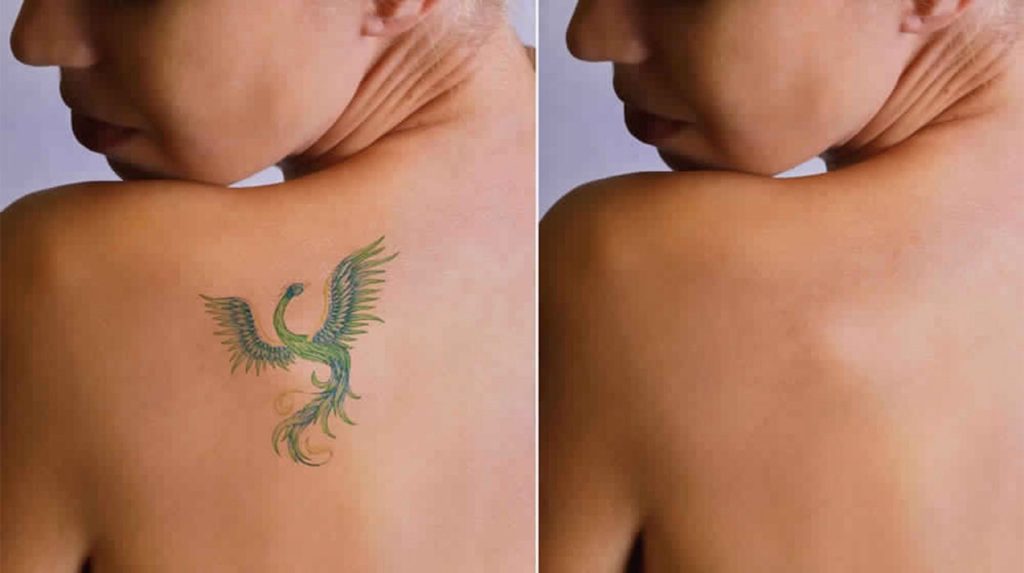
From the tribal marks of the ancient civilizations to the sophisticated art forms we see today, tattoos have been a part of human culture for thousands of years. But just as our reasons for getting tattoos vary widely, so do our motivations for wanting to remove them. Whether it’s a name of an ex-lover inked on your forearm or a half-finished piece of artwork that no longer resonates with you, there might be a point in your life when you want to erase what once seemed permanent. One of the most common methods for doing this is laser tattoo removal. But before you decide to zap away your body art, it’s important to be aware of the potential side effects.

1. Pain

If you thought getting a tattoo was painful, brace yourself because laser removal can be even more uncomfortable. Although clinics usually provide some form of anesthesia, most patients still report experiencing some level of pain during the process.

2. Skin Discoloration

The laser used to break down the tattoo ink can also alter the melanin in your skin, leading to hyperpigmentation (darkening of the skin) or hypopigmentation (lightening of the skin). These changes can be permanent, especially for individuals with darker skin tones.

3. Infection

As with any procedure that disrupts the skin’s surface, there’s always a risk of infection. To prevent this, it’s crucial to follow the aftercare instructions provided by your healthcare provider.

4. Scarring

Scarring is another possible side effect of laser tattoo removal. The laser can lead to the formation of keloids, which are raised scars that extend beyond the original injury.

5. Incomplete Tattoo Removal

Finally, not all tattoos can be completely removed. Factors like the color and type of ink used, the age and location of the tattoo, and the individual’s skin type can all affect the success of the procedure.

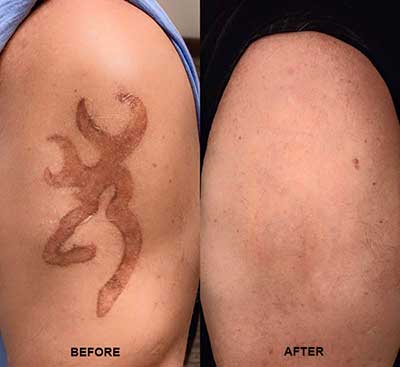
Given these potential side effects, some folks might find themselves reconsidering laser removal and looking for safer, more natural methods. If you fall into that category, you might want to check out my Laserless Tattoo Removal guide. It offers a step-by-step approach to dissolving ink in your skin, eliminating unwanted tattoos without the use of lasers.

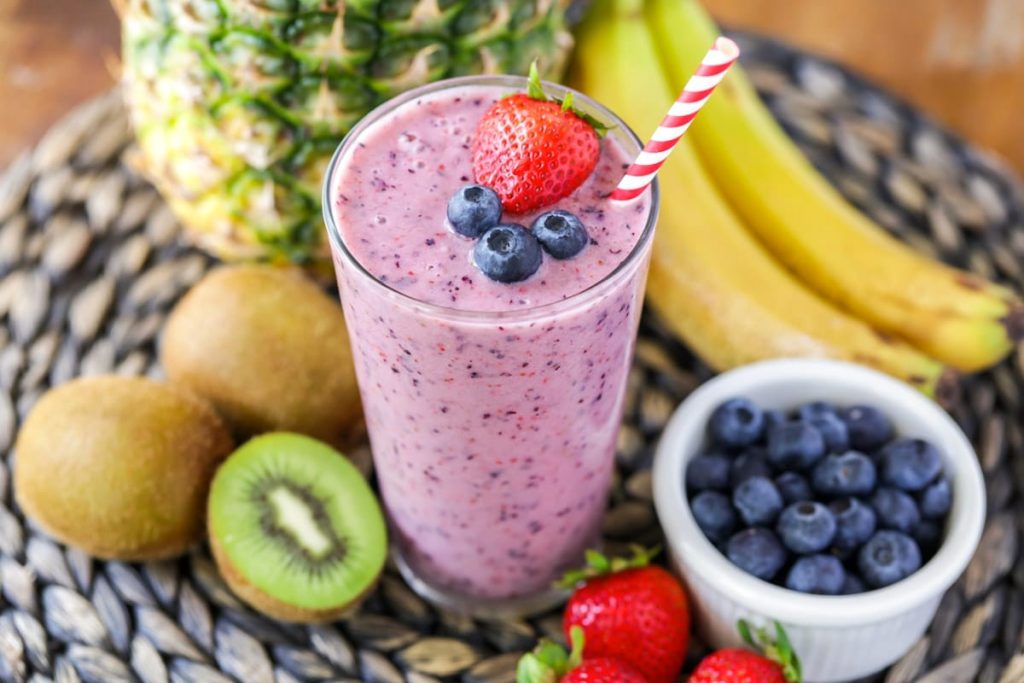
It’s also worth noting that some other lifestyle choices can help maintain skin health and potentially assist in fading tattoos naturally. For instance, a diet rich in specific foods and beverages, such as those found in 7 Summer Smoothie Recipes for Rapid Weight Loss, can provide your body with the necessary nutrients for skin regeneration.

Non-Laser Tattoo Removal - August 1, 2016 – Brannick Clinic of Natural  Medicine

In the end, the decision to remove a tattoo and the method you choose to do it with is a personal one. It’s important to weigh the pros and cons of each option and consult with a professional. If you are considering laser tattoo removal, understanding the potential side effects is an essential part of making an informed decision.

Furthermore, should you decide to opt for a more natural and laserless route, keep in mind that skin care is vital. One particular article that grabbed my attention is 5 Surprising Benefits of a Soup-Based Diet. It discusses how a soup-based diet not only helps in weight loss but can also have a positive impact on your skin health. Taking care of your overall health, including your skin, is crucial whether you decide to remove your tattoos or not.

Remember, whether it’s on the skin or underneath it, beauty is subjective. You have the right to change your mind about a tattoo, just as you had the right to get one in the first place. After all, it’s your body, and you should feel comfortable and confident in it.

Picosure Laser vs Q Switch tattoo removal. Which is best? · Lynton Clinic

Considering Your Options: Laser Vs. Laserless

When it comes to tattoo removal, you essentially have two options: laser and laserless methods. As we’ve discussed, laser removal involves using a high-powered beam to break down the ink in your skin. This method, while effective, can lead to various side effects such as pain, skin discoloration, infection, scarring, and potentially incomplete removal.

Tattoo Removal Treatment in Pune

On the other hand, laserless tattoo removal methods use natural techniques such as creams, salves, or even dermabrasion to remove or fade the tattoo. These methods are generally less painful and less likely to lead to skin discoloration or scarring. However, they also take longer to show results, and the efficacy can vary significantly depending on the specifics of the tattoo and the person’s skin.

Making the Right Choice

Choosing between laser and laserless tattoo removal should not be a decision taken lightly. It’s important to weigh the pros and cons of both methods and consider your own personal circumstances. Factors like your skin type, the size, color, and age of your tattoo, and your pain tolerance should all be taken into account.

You might find it beneficial to consult with a professional to help make your decision. Dermatologists, plastic surgeons, and even experienced tattoo artists can provide valuable insight and advice based on their knowledge and experience in the field.

The Role of Aftercare

Regardless of the method you choose for tattoo removal, aftercare plays a crucial role in the success of the procedure and the overall health of your skin. Following the aftercare instructions provided by your healthcare provider can minimize the risk of infection and scarring and promote faster healing.

Tattoo Aftercare: A Derm's Guide to Tattoo Skin Care

Proper aftercare may include keeping the area clean and dry, avoiding sun exposure, and applying recommended creams or ointments. Additionally, maintaining a healthy lifestyle, including a balanced diet and regular exercise, can support your body’s natural healing process and improve your skin’s health and appearance.


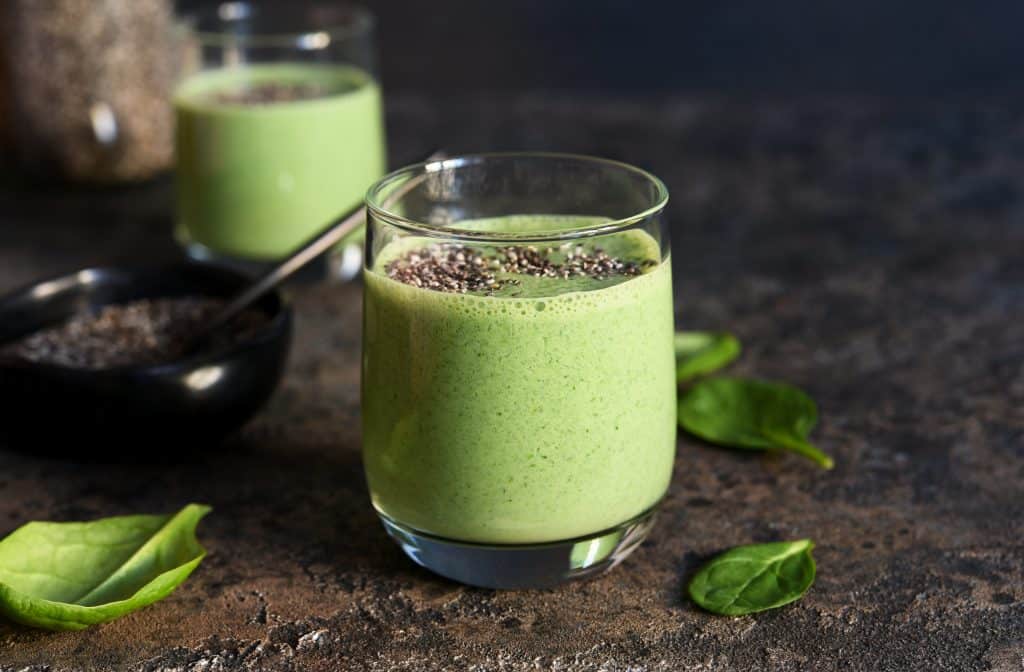
When we hear the terms “protein smoothie” or “diet smoothie,” our minds immediately conjure up images of muscular weightlifters or extremely thin dieters imbibing on these delectable treats. Due to the diversity of foods that could be added to the blender, some individuals may believe that so-called protein smoothie recipes have an especially unpleasant taste.

Even if some of these hypotheses are true, the general consensus is that weight lifters consume protein beverages. Some individuals believe that they must ingest a minimum of one gram of protein per pound of body weight per day in order to maintain and build muscle. Consuming some form of protein with each meal is the easiest and shortest way to reach this objective. Some of the ingredients used to make smoothies, such as milk and cottage cheese, are among the simplest, cheapest, and protein-rich ingredients.

Since not everyone has the time to prepare protein-rich foods, protein smoothies are an excellent source of the nutrient because they can be consumed rapidly.

The following smoothies can assist you in your pursuit of the optimal muscular physique:

  1. The following is a straightforward example of a strength smoothie: In a blender, combine one banana, one tablespoon of whey powder, one cup of fat-free milk, and one-half cup of basic yoghurt. Blend and purée until the mixture is completely smooth. Serve as quickly as possible after pouring.
  2. If you were unable to get enough sleep the night before and are in dire need of a caffeine-based wake-up call, here is an excellent recipe to satisfy your breakfast needs: Blend three to four ice crystals, one scoop of chocolate whey protein powder, one-half cup of brewed coffee, and one-half cup of low-fat (or non-fat) frozen yoghurt. Blend until creamy. Combine until no particles remain. You can either pour it out and serve it immediately, or you can drink it on the way to work (if you are running a bit late for an appointment).
  3. In a blender, combine 1 cup of low-fat milk, 4 strawberries, 8 cherries (pits removed), 5 peach segments, and 1/2 frozen banana. Blend until creamy. Once the mixture has reached a uniform consistency, add one tablespoon of protein powder. To combine and blend thoroughly. Serve. If you have difficulty digesting lactose, you can replace the milk in this recipe with fruit juice.
  4. Regarding dietary intolerances, if you’re not a fan of dairy products (such as milk or yoghurt), you may want to give this protein-rich smoothie a try: Create a brewed and refrigerated half-cup of green tea. (This can be made the night before and refrigerated.) Blend the green tea with one banana, one large peach with the pit removed, and three to four ice crystals. Combine until no particles remain. After a few more seconds of blending, add one teaspoon of honey to the mixture. (This prevents honey from adhering to the machine’s blades.) Serve immediately after cooking.
  5. Those who enjoy mangoes should try this recipe: Blend 1/2 cup of natural or vanilla yoghurt, 1/2 cup of ice water, 1 cup of frozen mango pieces, and 1 scoop of vanilla whey protein powder. Blend until creamy. Combine until no particles remain.

Everyone needs protein. You should not let the fact that you’re not a bodybuilder prevent you from trying these dishes. Who is to say? It may be the start of a newfound appreciation for protein in your diet.

The key to having overall good health is paying close and ongoing attention to what we put into our bodies as well as the physical fitness activities we engage in. When it comes to our diet, we are all aware of the necessary components for maintaining our health. These elements include committing to consuming natural, whole foods and avoiding meals high in fat and oil. Nevertheless, maintaining a high level of physical fitness is the single most essential thing we can do to protect our bodies from a wide variety of illnesses and diseases and to ensure that we remain robust and healthy for the foreseeable future.

Exercise that is appropriate for your current health and lifestyle is a crucial component of an effective fitness regimen. If you do not presently engage in any form of physical activity, you should begin a fitness programme with extreme caution. Go through the online pages of live hard and you will witness the real life examples.

You should begin by incorporating a modest quantity of daily exercise into your routine, and then gradually increase the amount as your strength and conditioning improve:

  • Walking is an excellent form of exercise that has a positive impact on all parts of the body and is straightforward enough for beginners in the realm of physical fitness.
  • Start by walking for a brief duration each day, then progressively increase your distance and speed as your body adjusts to the activity.
  • Tae-Bo, kickboxing, dance exercises, and high-impact aerobic routines can all increase your heart rate and help you burn fat and gain muscle. Try one of these activities if you’re searching for a more intense cardiovascular fitness regimen. These types of fitness programmes are typically presented in the form of classes at local facilities, where you can enjoy the company of others pursuing similar fitness goals.
  • Aerobic exercise helps speed up the metabolism, while resistance training helps build muscle. Working with a professional trainer who can instruct you on technique and pacing is advisable if you are a beginner; doing so on your own, without the necessary skills, can result in injury and delay your fitness objectives. Beginners should work with a professional trainer who can instruct them on technique and cadence before beginning weight training.

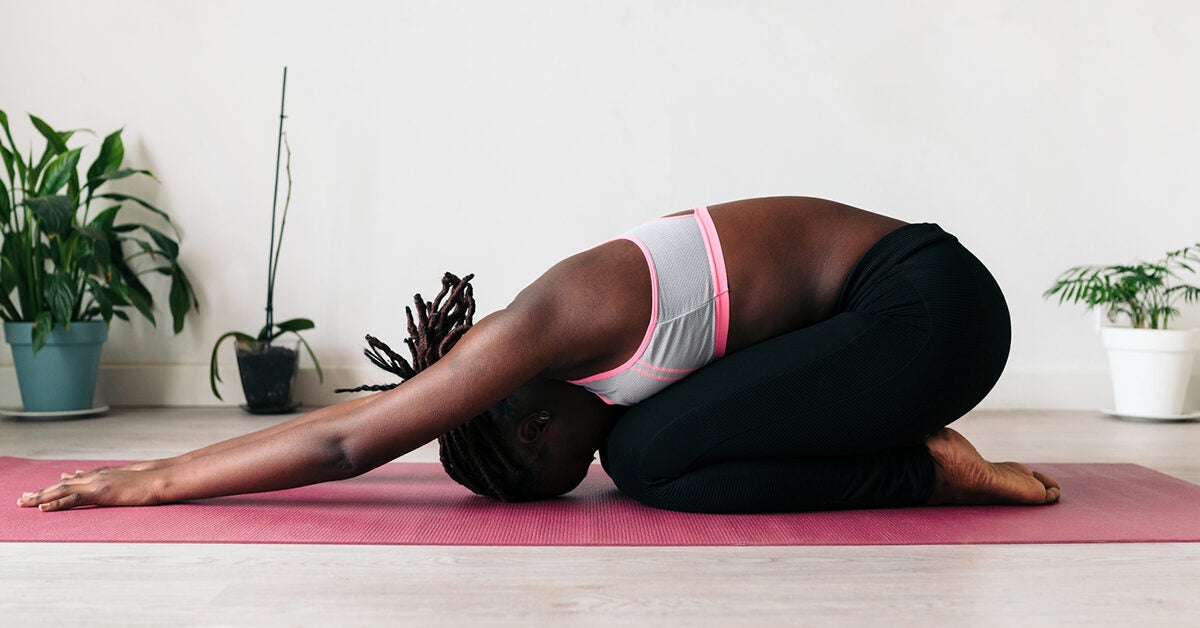
Lastly, you must incorporate a comprehensive stretching programme into your fitness regimen. Yoga and Pilates are examples of such exercise regimens. These types of programmes can help you become more flexible while also strengthening your core, resulting in powerful abdominal muscles and a strong back.

If working out in a gym isn’t your thing, you can still accomplish many of the same health objectives by exercising at home. Every year, a multitude of new fitness DVDs flood the market, each presenting the most cutting-edge trend in physical activity.

The significance of physical activity as a component of one’s holistic health cannot be overlooked. However, if you commit to incorporating such exercise into your daily routine, you will be rewarded for the rest of your life with increased strength and vitality.

Last words

You will need to make an effort to get some exercise. Still, we speak negatively to ourselves as if it were intended. The day will be filled with activities such as working, caring for children and companions, attending meetings, feeding pets, etc. These are all superb and essential responsibilities. Don’t get me wrong. But at the end of a day loaded with these activities, we find it disheartening that we did not exercise or go for a long run.

You’ve undoubtedly heard the standard advice regarding sleep, which is as follows: you should aim for six to eight hours of sleep per night, and the hours of sleep acquired before midnight are more beneficial to the body than those acquired between midnight and waking.

How did the researchers arrive at this result of questions about sleep? After reviewing the results of 29 distinct studies on the topic of sleep, it became abundantly clear that getting at least seven hours of sleep per night is crucial for maintaining our health, as sleep provides the brain with essential restorative tasks.

Why sufficient leisure is essential

During sleep, the brain is able to consolidate memories of everything from facts and figures to physical abilities. If we don’t get enough sleep, our brains won’t be able to comprehend everything that occurred throughout the day. He provides the following rationale for why remaining up all night to study for a test will not be beneficial: There is insufficient time to save these details in a valuable manner.

Why are you having trouble falling asleep?

Each night, are you only able to sleep for a total of five hours? Consider all of the foods and beverages you consumed throughout the day. If sweetened drinks (such as energy drinks, soda, or excessive consumption of caffeinated beverages with added sugar) are on that list, they are most likely to be to blame. Increasing the amount of sleep people get has the potential to aid them in breaking the cycle and reducing their sugar intake, both of which have been linked to metabolic diseases.

The Scientific Study of Sleep

Sleeping is one of the most peculiar daily activities that we engage in. Those who reach adulthood will spend an average of 36 percent of their lifetimes sleeping. One-third of our time on earth is spent in a power-down, quiet condition of hibernation. During the day, we are bright, intelligent, and energetic creatures.

The Importance of Sleep

Sleep is crucial to your health for a variety of reasons involving your brain and body. Let’s examine some of the most important ones in greater depth.

Sleep’s primary purpose is to restore the organism. As a natural consequence of your brain’s daily neural operations, it will produce waste products. This is perfectly normal, but excessive accumulation of these waste products has been linked to brain diseases like Alzheimer’s. This is true even when normal accumulation occurs.

The second function of sleep is the consolidation of memories. Memory consolidation is the maintenance and improvement of long-term memories. Sleep is an integral part of this process, which is why it is frequently neglected. Insufficient or interrupted sleep can impair both the ability to form concrete memories and emotional memories.

In conclusion, adequate sleep is indispensable for sustaining a sound metabolism. Studies indicate that if you sleep for 5.5 hours per night as opposed to 8.5 hours per night, a smaller proportion of the energy you expend comes from fat and a larger proportion comes from carbohydrates and protein. This is due to the fact that 5.5 hours of sleep is less than half the duration of 8.5 hours of sleep. This can increase the likelihood of acquiring body fat and losing muscle mass.

In conclusion, obtaining a better night’s sleep is essential for maintaining your mental and physical health.