
Author

Clare Louise

Browsing

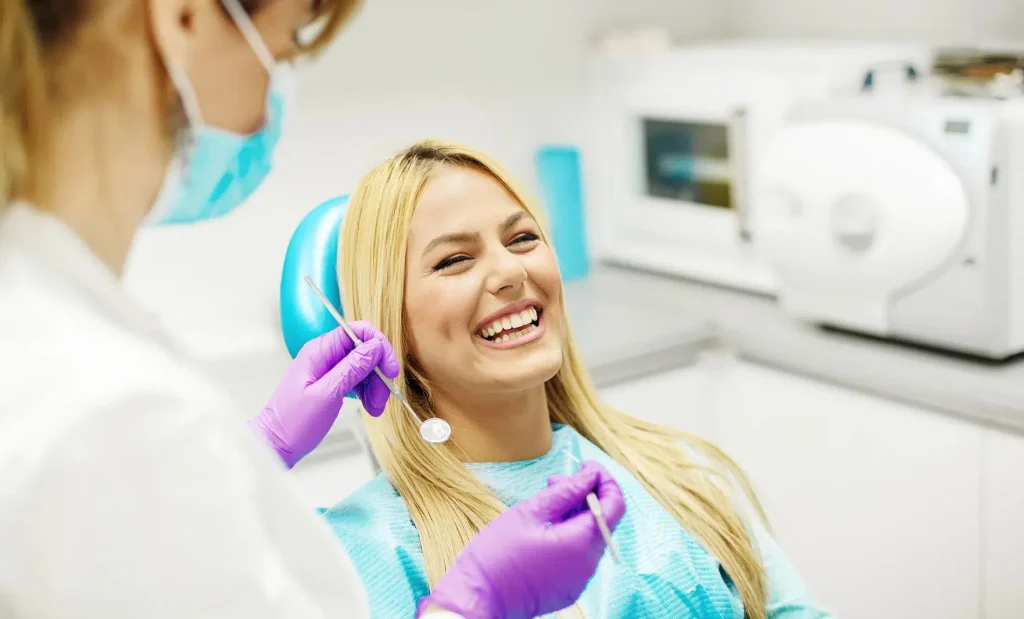
Cavities and gum disease can harm your health. You might feel discomfort or sensitivity or notice bleeding gums. Ignoring these signs can cause tooth loss. Today, you will learn how a dentist in Schaumburg treats these issues. Regular dental visits help identify problems early. Dentists use X-rays and exams to spot trouble. If you have a cavity, the treatment usually involves removing decayed parts and filling the hole. For gum disease, dentists clean below the gum line to remove plaque. They might also suggest antibiotics. Daily brushing and flossing are crucial in keeping your mouth healthy. You deserve to smile without pain. Understanding these treatments helps you make informed decisions. Trust your dentist to guide your care. Remember, they are here to help you live without discomfort. Their expertise ensures you receive the best possible care. Prioritize your health by staying informed and proactive about dental care.

Understanding Cavities

Cavities develop when plaque builds up on your teeth. This sticky substance combines with sugars from food, turning them into acids. These acids erode tooth enamel, creating holes. Without treatment, cavities worsen, affecting deeper layers of the tooth. You might experience sensitivity or pain. Early treatment protects your teeth and prevents further damage.

Cavity Treatments

Treating cavities involves removing the decayed area and filling it. Dentists use local anesthesia to numb the area. This makes the procedure pain-free. Fillings come in different materials like composite resin, amalgam, or gold. Your dentist will discuss which option suits you best based on the cavity’s location and size.

Gum Disease Basics

Gum disease starts with gingivitis, where gums become inflamed due to plaque. If untreated, it progresses to periodontitis. This serious condition affects the tissues and bones supporting your teeth. Symptoms include swollen gums, bad breath, and receding gums. Understanding these signs helps you seek treatment early.

Treating Gum Disease

For gum disease, professional cleaning is essential. Dentists perform scaling and root planing, which involves cleaning below the gum line. This removes plaque and tartar. In more severe cases, dentists may prescribe antibiotics to tackle the infection. Consistent dental check-ups ensure your gums remain healthy.

The Role of Preventive Care

Preventing cavities and gum disease starts with good oral hygiene. Brush your teeth twice daily using fluoride toothpaste. Floss daily to remove plaque between teeth. Regular dental check-ups catch issues early. A balanced diet supports dental health. Limit sugary snacks and drinks, which contribute to plaque formation.

Comparison: Fillings Material

Material Durability Appearance
Composite Resin 5-7 years Tooth-colored
Amalgam 10-15 years Silver-colored
Gold 15+ years Gold-colored

Importance of Regular Check-ups

Regular dental checkups are vital for maintaining oral health. During these visits, dentists perform cleanings and check for any signs of cavities or gum disease. They provide tailored advice to keep your teeth and gums healthy. According to the CDC, dental visits also help prevent other health issues linked to oral health, such as heart disease or diabetes.

Seek Professional Advice

Consult your dentist if you notice any signs of cavities or gum disease. They provide expert advice and care. Having an open conversation with your dentist builds trust and ensures you receive appropriate treatment. The American Dental Association emphasizes the importance of regular dental visits and professional guidance for maintaining overall wellness.

Conclusion

Understanding how dentists treat cavities and gum disease empowers you to take charge of your oral health. Regular visits to a dentist ensure early detection and treatment. Practicing good oral hygiene and seeking professional advice keep your smile bright and pain-free. Your oral health impacts your overall well-being, so prioritize it with care and attention.

Taking your child to the dentist shouldn’t be a daunting task. Fear of the dentist is common among children, but with a few thoughtful strategies, it can become a positive experience. If you’re looking for a dentist in Reno Nevada, there are professionals who understand the importance of making young patients feel comfortable. They know that a smile can brighten a room, and they’re passionate about keeping those smiles healthy. By creating a welcoming environment, using kid-friendly language, and incorporating fun activities, you can help your child develop a positive relationship with dental visits. Think of it as an adventure where your child is the hero of their own story. You can transform nervousness into excitement by preparing them with simple steps. Discuss what will happen at the appointment, allow them to ask questions, and reassure them. Making dental visits enjoyable helps build lifelong healthy habits.

Understanding Common Fears

Children often fear the unknown. This includes the sounds of dental tools or the sight of the dentist’s chair. Explaining what these things are and how they work can alleviate anxiety. For example, compare the dental chair to a spaceship where they get to sit while they’re on a fun mission. Encourage curiosity by letting them ask questions about what each tool does. Maintaining open communication fosters trust and confidence.

Creating a Positive Environment

A welcoming dental office sets the tone for a pleasant experience. Many dentists use bright colors, toys, and games in waiting areas to create a friendly atmosphere. Some use themed decorations that appeal to children. A simple game of “I Spy” can distract and engage children as they wait for their turn.

Feature Standard Office Kid-Friendly Office
Decor Neutral colors Bright, engaging colors
Waiting Area Magazines Toys and games
Interaction Formal Casual and playful

Engaging the Senses

Dentists can use various sensory experiences to make visits enjoyable. Some offices play gentle music, while others may have TVs showing cartoons. Letting kids hold a small toy during the exam can also provide comfort. This sensory engagement helps distract from discomfort and creates a soothing environment.

Role of Positive Reinforcement

Children respond well to rewards and positive reinforcement. A small prize or sticker after the appointment provides motivation. It also reinforces the idea that dental visits are rewarding. Encourage your child by praising their bravery and cooperation. Positive reinforcement builds confidence and makes them more willing to return.

Educating Through Fun

Teaching children about oral health in enjoyable ways can enhance understanding. Use books or videos about friendly characters who take care of their teeth. You can also play pretend with a toothbrush and a stuffed animal to demonstrate brushing techniques. When children understand the purpose behind dental care, they feel empowered and engaged.

Choosing the Right Dentist

When selecting a dentist, consider those who specialize in pediatric dentistry. They have experience with children and understand how to make visits enjoyable. A great example is the American Academy of Pediatric Dentistry, which offers resources for finding qualified professionals. Their experts recommend choosing a dentist who prioritizes your child’s comfort and has a gentle approach. You can check the American Dental Association for more tips on choosing the right dental professional.

Preparing for the Visit

Preparation is key to reducing fear. Before the appointment, play a “visit to the dentist” game at home. This helps familiarize your child with the process in a safe setting. Encourage them to bring a favorite toy for comfort during the visit. Remind them that you’ll be there the entire time, offering support and smiles.

Conclusion

Making dental visits enjoyable for kids is possible with some thoughtful planning. By understanding fears, creating positive environments, and engaging children with fun activities, you can turn an ordinary appointment into an exciting adventure. Your involvement and encouragement are critical. Together with a caring dentist, you can foster a positive relationship with dental care that lasts a lifetime.

You might not think about it, but your mouth is the gateway to your health. Regular visits to a general dentist offer more than just a bright smile. Through cleanings and prevention, you can avoid serious health issues. Chronic conditions like diabetes and heart disease often show early signs in your mouth. By spotting these signs early, a dentist can help manage them promptly. You build a protective shield against problems by attending routine checkups and cleanings. These visits remove hidden plaque and prevent gum disease. They also catch signs of oral cancer. Regular dental care can protect your overall health. You deserve to feel secure in your well-being, and consistent dental visits are a simple step in that direction. Embrace this preventive approach and ensure a healthier future. Don’t underestimate the power of regular dental care. It could safeguard your health in ways you never imagined.

Early Detection of Health Issues

A general dentist is often the first to notice signs of underlying health issues. Oral exams can detect early symptoms of conditions like osteoporosis and rheumatoid arthritis. For example, the National Institute of Dental and Craniofacial Research highlights how gum disease might indicate more serious bone health problems. Early detection means you can address these problems before they escalate. Regular dental visits keep you informed about your overall health status, offering peace of mind and proactive care.

Gum Health and Systemic Diseases

Gum health connects closely to your body’s wellness. Periodontal disease can lead to inflammation, which is linked to heart disease and stroke. Studies from the American Heart Association suggest that untreated gum disease may increase heart problems. By keeping gums healthy, you reduce these risks. Regular cleanings remove bacteria that cause gum disease. In turn, this lowers inflammation in your body and supports heart health.

Oral Cancer Screenings

Oral cancer is a serious condition but can be treated successfully if caught early. Dentists perform screenings during routine checkups. These screenings are quick and non-invasive. They identify suspicious areas in your mouth that might need further attention. With early intervention, your chances of successful treatment increase significantly.

Data Table: Potential Health Problems Linked to Oral Health

Oral Health Issue Potential Linked Health Problem
Gum Disease Heart Disease, Stroke
Tooth Loss Poor Nutrition, Diabetes
Oral Infections Lung Infections, Endocarditis
Oral Cancer Fatal if untreated

Benefits of Routine Visits

Routine dental visits offer multiple advantages. These include professional cleanings that remove plaque and tartar, assessments for cavities, and personalized advice for oral care at home. The Centers for Disease Control and Prevention advocate for regular dental appointments as they play a critical role in maintaining both oral and general health. Your dentist provides tailored recommendations, ensuring your teeth and gums stay healthy between visits.

Promoting Long-Term Health

Investing time in your dentist extends benefits beyond dental health. Regular checkups foster a healthier life by reinforcing habits that prevent disease. By committing to dental care now, you enhance your quality of life and prevent avoidable health complications later. Prevention is not just limited to teeth. It is a key aspect of a comprehensive health strategy that nurtures your overall well-being.

Conclusion

Regular visits to your dentist are an essential part of your healthcare routine. They offer you more control over your health and a path to a brighter, worry-free future. Remember, health isn’t just about treating issues as they arise. It’s about preventing them from happening. You deserve a future without health concerns looming overhead. By prioritizing your dental health, you protect yourself against various serious health conditions. Regular dental visits are a simple, effective way to invest in your health. Start today and experience the peace of mind that comes with knowing you are taking steps to safeguard your well-being.

Vision care is evolving fast. It’s essential to keep up with the latest tools that your Austin, TX eye doctor might use. From smart contact lenses to advanced retinal imaging, these technologies aim to improve how you see and feel. Smart contact lenses monitor eye health and adjust focus. Advanced imaging tools provide a clearer picture of your eye health, leading to earlier detection of issues. Laser treatments offer precise corrections for vision problems. These enhancements in eye care mean better outcomes for you. When you visit your eye doctor, you’ll find them equipped with tools designed to improve your vision and health. Understanding these advancements helps you make informed decisions about your eye care. Your vision deserves attention and expertise. Stay informed and take an active role in your care. This journey into new technology can enhance your vision and provide the clarity you need in everyday life.

Smart Contact Lenses

Imagine lenses that not only improve vision but also track your eye health. Smart contact lenses can monitor glucose levels for diabetics or measure intraocular pressure for glaucoma patients. These lenses provide data that can be shared with your doctor, allowing for personalized care. This technology is in its early stages but shows great promise. Expect to see more developments soon.

Advanced Retinal Imaging

Eye health goes beyond vision. Understanding the retina is crucial for overall eye care. Advanced imaging tools like Optical Coherence Tomography (OCT) offer a deep view of the retina. These images help detect diseases like macular degeneration and diabetic retinopathy. Early detection means early treatment, which can prevent vision loss. Visit the National Eye Institute to learn more about these tools and how they benefit your eye health.

Laser Treatments

Laser treatments have transformed corrective vision procedures. They offer precision and faster recovery times. Lasik, for example, reshapes the cornea to correct vision. Newer laser technologies are even less invasive, allowing for better outcomes. If you are considering laser treatment, understand that it requires a thorough evaluation by your eye doctor.

Comparison of Emerging Eye Care Technologies

Technology Function Benefit
Smart Contact Lenses Monitors eye health Personalized care and early detection of issues
Advanced Retinal Imaging Captures detailed images of the retina Early detection of retinal diseases
Laser Treatments Corrects vision through corneal reshaping Improved vision with quicker recovery

Telemedicine for Eye Care

Virtual consultations are becoming more common. Telemedicine allows you to consult with your eye doctor from home. This is especially useful for follow-up appointments or minor concerns. It saves time and provides access to care when you need it. During the pandemic, telemedicine has proven its value in maintaining continuity of care. It will likely remain a part of eye care practices moving forward.

Adaptive Optics

Adaptive optics is a technology borrowed from astronomy. It adjusts for distortions caused by the atmosphere. In eye care, it helps create sharper images of the retina. This improves diagnostic accuracy and treatment planning. Adaptive optics is still being refined but holds potential for widespread use.

Gene Therapy

Gene therapy represents a cutting-edge approach to treating genetic eye disorders. It involves altering genes to correct diseases at their source. For conditions like Leber congenital amaurosis, gene therapy offers hope for the restoration of vision. This field is in its infancy but offers exciting possibilities for future treatments.

Conclusion

New technologies in eye care are making significant strides. They offer promise for better vision and improved overall eye health. Stay informed about these advancements and discuss options with your eye doctor. By doing so, you take an active role in your health. With these tools, your eye care can be more precise and effective than ever before. Trust in the progress and expertise of your healthcare providers to guide you through these innovations.