
Author

John Kyle

Browsing

Pain in the anorectal area can result from a wide range of conditions. Proctologists are surgeons that diagnose and treat disorders of the anus, rectum, and entire gastrointestinal tract. However, the term ‘proctologist’ is relatively outdated. Today, the preferred term is colorectal surgeon. If you are experiencing anal itching, pain, and other related symptoms, proctology Astoria offers personalized diagnosis and treatment. Here is a look at who a proctologist is, the disorders they treat, and when you should see one.

What Type of Conditions Do Proctologists Treat?

Colorectal surgeons specialize in diseases of the intestinal tract. The intestinal tract consists of the rectum, colon, anal colon, and perianal area. A proctologist treats the conditions that affect the intestinal tract. These include;

  1. Hemorrhoids

Hemorrhoids occur when your rectum and anus veins become swollen and enlarged. If you are experiencing hemorrhoids, you might see bright red blood in the toilet in your stool. External hemorrhoids cause itching, pain, and skin irritation.

  1. Irritable Bowel Syndrome (IBS)

This refers to intestinal symptoms such as cramping, bloating, diarrhea, and constipation.

  1. Anorectal Abscess

An abscess happens when anal glands become infected, resulting in a swollen, painful, pus-filled area.

  1. Anal Fissures and Fistulas

An anal fissure is a tear in your anal lining. On the other hand, a fistula is an abnormal tunnel that occurs between the skin and anus, normally because of an infection.

  1. Pruritus Ani

If you experience an itchy, irritating feeling around your anus, you might be experiencing pruritus ani. The condition is a symptom of several conditions, including incontinence, hemorrhoids, anal fissures, and anal fistulas. The itchiness might also occur without any obvious reason.

  1. Anal Condyloma

Commonly referred to as anal warts, anal condyloma normally occurs when infected with human papillomavirus.

  1. Perianal Dermatitis

Perianal dermatitis is a condition that causes a rash around your anus. Contact or allergic dermatitis, inflammatory skin conditions, cancer, infections, and poor hygiene can cause this skin problem.

  1. Rectal Prolapse

This condition is where the rectum begins to go from its position into the anal opening.

What Tests Do Proctologists Use?

When you visit a proctologist, your provider will start by reviewing your medical history and symptoms. The proctologist will also conduct a physical exam whose results determine whether you require extra diagnostic testing. Some of the common diagnostic tests include; ultrasound, MRI, digital rectal exam, flexible sigmoidoscopy, and anoscopy. The diagnostic imaging tests show the function and structure of the anal canal, sphincter muscles, and rectum.

When Should You See a Proctologist?

You might not realize you need to see a proctologist until another doctor refers you. However, you might want to ask for a referral if you are experiencing symptoms such as; anal or rectal pain, anal itching, fecal incontinence, rectal or anal pain, anal warts, and fecal incontinence. A proctologist needs to understand your symptoms’ severity and full extent; otherwise, they will have difficulty diagnosing and recommending the right treatments. This is why discussing this openly with your proctologist is very important.

Ultimately, problems related to your gastrointestinal tract, anus, or rectum can be sensitive areas to discuss. However, you should rest assured that this is what a proctologist specializes in and deals with daily, and they are trained to listen without judgment. If you are experiencing symptoms such as rectal or anal pain, bumps, or bleeding, your doctor can refer you to a proctologist for more evaluation and appropriate treatment.

The Challenges Faced by Persons with Intellectual Disability in the Justice System

Persons with intellectual disability often face unique challenges when interacting with the justice system. These challenges can include difficulty understanding legal proceedings and communicating with legal professionals.

In some cases, persons with intellectual disability may be more vulnerable to being taken advantage of or mistreated within the justice system. This can lead to unfair outcomes and a lack of access to justice.

The Importance of Support for Persons with Intellectual Disability in the Justice System

Providing support for persons with intellectual disability in the justice system is important for ensuring that they have equal access to justice and are treated fairly.

There are several ways that support can be provided, including:

  • Providing accommodations: This can include things like extra time to understand legal proceedings or the use of assistive technology to facilitate communication.
  • Ensuring that legal representation is provided: It’s important that persons with intellectual disability have access to legal representation in order to ensure that their rights are protected and that they are treated fairly within the justice system.
  • Working with organizations like MINDS: Organizations like MINDS can provide support and assistance to persons with intellectual disability in navigating the justice system. This can include things like legal advocacy and assistance with communication.

By providing support for persons with intellectual disability in the justice system, we can help to ensure that they have equal access to justice and are treated fairly.

The Role of Advocacy in Supporting Persons with Intellectual Disability in the Justice System

Advocacy is an important part of supporting persons with intellectual disability in the justice system. Advocacy can take many forms, including legal advocacy, where individuals or organizations work to protect the rights of persons with intellectual disability within the justice system.

Advocacy can also involve raising awareness about the challenges faced by persons with intellectual disability in the justice system and working to bring about change. Organizations like MINDS can play a crucial role in advocacy efforts, working to ensure that persons with intellectual disability have equal access to justice and are treated fairly within the justice system.

By engaging in advocacy efforts, we can help to create a more inclusive and fair justice system for persons with intellectual disability.

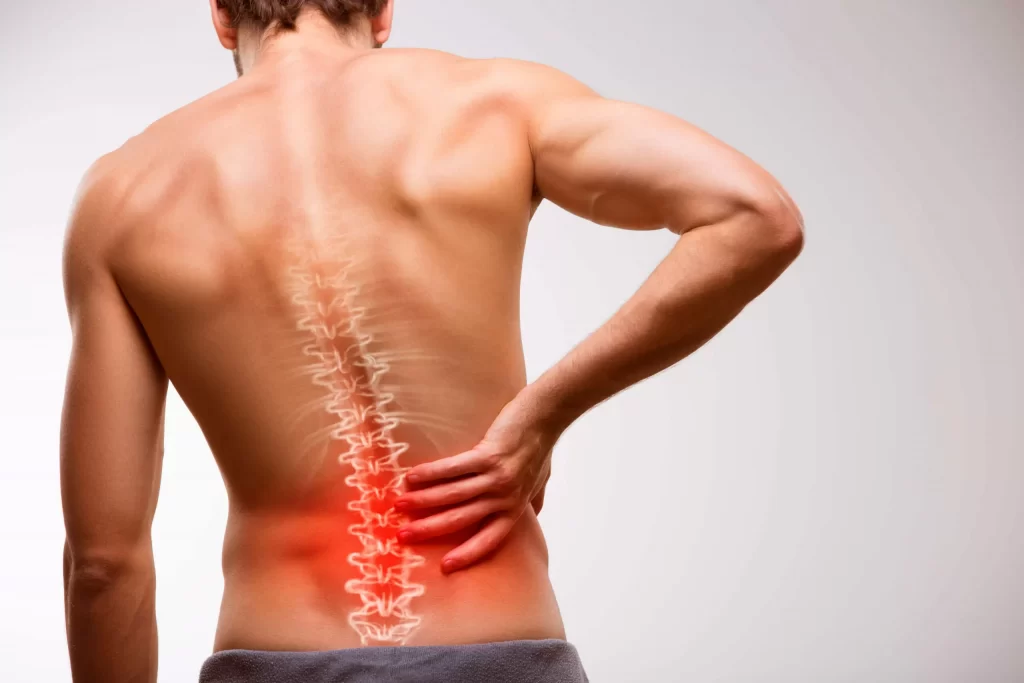
Sciatica is a common condition that often causes pain in the lower back, legs, and bottoms. The pain can be extremely debilitating and may interfere with your ability to sit, stand or walk. In most cases, sciatica occurs due to an injury or injury-related conditions such as arthritis or spinal stenosis. However, there are some things you can do at home to manage your sciatica pain so that it does not worsen over time. If various at-home remedies fail, you can receive a more advanced Holmdel sciatica treatment that can provide long-term pain relief. Below are five effective ways that can relieve your sciatica pain.  

  1. Exercises

Exercises are among the most effective ways to manage your sciatica pain. They can also reduce inflammation, strengthen muscles, and improve flexibility, posture, and balance. The best exercises for sciatica include swimming or water aerobics, walking, and stretching exercises like yoga. These exercises help strengthen your lower back and abdominal muscles. If you are unsure which exercises to try for your sciatica pain, consult our doctor. 

  1. Physical Therapy

Physical therapy can also be effective for sciatica pain. It can make a big difference in your recovery and increase flexibility, making it easier to do everyday activities. You learn various ways of strengthening your core muscles, posture, and balance through your physical therapist. They can also help with coordination problems caused by nerve damage in your leg or lower back.

  1. Stretching

Stretching is a great way to manage your sciatica pain and bring a big difference in your recovery. It can help reduce pain and increase flexibility, especially when done gently. It is also best to avoid stretching too much, which could lead to injury and further pain. 

It would be best to stretch regularly before and after exercise to keep your muscles strong. This step will help reduce the risk of developing a herniated disc in your back or lower spine. If you develop further pain after stretching, you should consult your doctor or physical therapist before resuming any exercise.

  1. Pain Medication

Pain medication can be a useful tool for managing your sciatica pain. It can help you sleep better and prevent new back problems. If you are taking pain medications, it is important to know that some potential side effects are associated with them, such as drowsiness, dizziness, or numbness. Therefore, before taking pain-relieving medications or injections, consult our doctor first.

  1. Surgery

Surgery is a last resort for sciatica pain, but it can be effective if other therapies have failed. If you are considering surgery as your treatment option for sciatica pain, ensure you have an insurance policy to cover the costs. Also, before making any decisions, talk with your doctor to know what to expect during and after surgery. 

Also, you can inquire about the expected side effects and risks associated with sciatica surgery. Some of the most common surgical procedures that can relieve sciatica pain include microdiscectomy and laminectomy. These procedures are similar but differ in preparations, processes, and recoveries.

Sciatica pain can affect your ability to enjoy life. However, you can treat and prevent its symptoms from worsening through proper self-care measures. Through your primary care provider, you will receive the best treatment option that might vary based on the severity of your condition. You can also inquire about various sciatica treatments that might benefit your overall well-being and help you live a pain-free life.

Deep vein thrombosis occurs when blood clots form in one or more of the major veins in your body—the blood clot forms in a deep vein, typically in one of your legs. Deep vein thrombosis can cause leg pain and swelling, but sometimes there are no noticeable symptoms. This condition can affect anyone, but the risk of El Paso deep vein thrombosis is higher in people with medical conditions that affect how blood clots.

Symptoms of deep vein thrombosis

Up to 30% of individuals with deep vein thrombosis experience no symptoms but sometimes the symptoms are mild and may not be a cause for concern. Examples of symptoms associated with acute deep vein thrombosis include

  • Pain or tenderness in your leg or arm when standing or walking
  • Red or discolored skin
  • Swelling of your leg or arm; this may happen suddenly
  • Enlarged veins near your skin’s surface
  • A feeling of warmth on the swollen area of your keg or arm
  • Flank pain or abdominal pain
  • Severe headache

Since these symptoms are usually absent or mild when present, some people may not know they have deep vein thrombosis until the clot moves from their legs or arms to the lungs. This condition is called a pulmonary embolism and is a life-threatening complication of DVT. Seek emergency care if you experience symptoms of pulmonary embolisms, such as lightheadedness, sudden shortness of breath, rapid pulse, fainting, rapid breathing, coughing up blood, and chest pain.

Causes of deep vein thrombosis

Deep vein thrombosis can result from anything that prevents blood from flowing or clotting properly. In most cases, deep vein thrombosis occurs due to vein damage from surgery, injury, inflammation, or an infection. Although anyone can suffer from this problem, some people have a higher risk of developing deep vein thrombosis. Below are common risk factors for deep vein thrombosis.

  • Old age. Deep vein thrombosis can occur at any age but is more common in older adults above 60 years.
  • Surgery or injury. A surgical procedure or any injury that damages the veins increases the risk of blood clots.
  • Lack of movement. The calf muscles in your legs play a vital role in blood circulation. They help the leg veins move blood to the heart when they contract. Therefore, the calf muscles don’t squeeze to encourage blood flow when you don’t move for a long time. Having a sedentary lifestyle puts you at risk of deep vein thrombosis. So does sitting for long hours when driving or flying and long-term bed rest due to a medical problem like paralysis.
  • Pregnancy. During pregnancy, the body undergoes various changes, including increased pressure on the pelvis and leg veins. The risk of blood clots during pregnancy can continue for up to six weeks after childbirth.

Tips to prevent deep vein thrombosis

You can reduce your risk of deep vein thrombosis using lifestyle changes such as:

  •  Lose extra weight and stay within a healthy weight
  • See your doctor regularly for checkups
  • Stay active
  • Maintain a healthy blood pressure
  • Do not smoke
  • Drink enough water
  • Avoid a sedentary lifestyle or sitting for long hours

If you have deep vein thrombosis, visit your healthcare provider at i-VASCULAR center for treatment to avoid complications like pulmonary embolism.