Author

Lois Osborne

Browsing

Surgeries would be painful and unpleasant if there were no anesthesiologists. Anesthesiologists are medical specialists that give you medicine to prevent pain during surgery. They do not just work in surgery rooms but also provide pain relief in chronic conditions like back pain or cancer. Sometimes, your anesthesiologist Delray Beach can help you manage pain at home after a surgical procedure. Your anesthesiologist stays with you before, during, and after your surgery to ensure you are comfortable, pain-free, and safe the entire time. Anesthesiologists play various roles during surgical procedures, which include:

Types of pain relief offered by anesthesiologists

General anesthesia

General anesthesia makes you unconscious during surgery. It is used in main operations such as knee replacement or open-heart surgeries. Your anesthesiologist can administer it through intravenous injection or a mask.

IV sedation

IV sedation helps you relax before and during your operation. It can make you drowsy or fall asleep. During your procedure, you will not be entirely unconscious, but you will not remember the events that happened.

Regional anesthesia

Regional anesthesia only numbs the section of your body undergoing surgery. For example, anesthesiologists use it for one arm or leg surgeries.

Local anesthesia

Local anesthesia numbs a small section undergoing surgery. Your anesthesiologist can use it to remove skin cancer. Local anesthesia can be administered as a shot or by rubbing a cream or gel on your skin. You will be awake throughout your procedure but will not feel any pain or discomfort.

Nerve block

A nerve block is a shot that eases pain from injuries or medical conditions. Anesthesiologists mostly use it to treat pain in specific areas, like your back.

Role of an anesthesiologist before surgery

You are most likely to meet your anesthesiologist during your appointment before your surgery. During this meeting, the provider will ask you about your medical history and if you have diseases like diabetes or heart problems that can make anesthesia risky. The provider will also ask if you are allergic to any medications and medicines and supplements you may be taking.

Your anesthesiologist may ask you to stop taking some medications. The provider will discuss your procedures during your surgery and the type of anesthesia you will get. Take this opportunity to ask questions about your surgery and any potential risks or complications.

Role of an anesthesiologist during surgery

Depending on your type of surgery, your anesthesiologist will use local or general, regional anesthesia or sedation. The provider will stay with you the entire surgery if you have general anesthesia. The anesthesiologist will monitor your vital signs, like breathing rate and blood pressure, and adjust the levels of anesthesia if necessary.

Role of anesthesiologist after surgery

After surgery, your provider will take you to a recovery room, and your anesthesiologist will check your vital signs. The anesthesiologist will wait until you are fully awake and ensure you do not have any anesthesia-related issues. The anesthesiologist will work together with your surgeon to decide the best time for you to go home.

Anesthesiologists ensure you are calm, pain-free, and safe during surgical procedures. They can also offer pain relief in chronic conditions. Schedule an appointment at Florida Pain Management for anesthesiologist services to relieve your post-surgery pain.

Your body may have injuries and other conditions that are not only treated by medication but also require physical therapy. It helps you regain control of your life and build your strength back. Whether you have muscle problems, bone, or arthritis, with the right assistance from a trained physical therapist, you are guaranteed to regain your life. Getting a good physical therapy Houston specialist may be daunting. However, at Crom Rehabilitation, they guarantee you the best outcome. The team is experienced in physical therapy and rehabilitation, ensuring you are back on your feet. They will examine your condition and formulate a schedule that fits your needs. Here are some different types of physical therapy available for you.

Geriatric Physical Therapy

Older adults may experience problems with their mobility and physical function due to weakness and tears. The problems may also occur due to osteoporosis, arthritis, balance disorder, Alzheimer’s disease, and hip joint replacement. Your doctor may recommend geriatric physical therapy to help strengthen your body joints and muscles to improve your mobility, reduce pain and strengthen your body. Your physical therapist may recommend different physical exercises you can do daily alone or with their help and have effective results with time.

Orthopedic Physical Therapy

Your body may develop musculoskeletal injuries which affect muscles, ligaments, bones, and tendons. Treatment alone may not help treat these areas, and therefore, the doctor may recommend therapy as an additional remedy in treating these conditions. You will also be advised to try this type of therapy when you have conditions such as fractures, sprains, bursitis, and other chronic health problems that require rehabilitation. It can be used as a treatment for patients with mobility problems affecting joints, strengthening the muscles and joints, and other forms of training that help the body regain its stature.

Wound Care Therapy

Different forms of injuries may occur in your body and thereby causes wounds. Once the doctor attends to your wound when washing or operating on the affected area, they recommend some wound care therapy that helps the wound heal effectively without developing complications or infections. This type of therapy may be done at home or in the clinic regularly as the doctor continues to monitor the wound for faster and safe healing. This form of therapy may comprise wound care, compression therapy, and e-stim.

Neurological Physical Therapy

When you have neurological conditions such as cerebral palsy, multiple sclerosis, spinal cord injury, or stroke, your doctor may combine your treatment with therapy procedures to improve your recovery. Neurological therapy aims to improve your responsiveness, your movement pattern, and your body strength. It is effective in the long run since you can respond positively with the right assistance. Your body improves your balance and brain functioning depending on the injured area.

Medication treatment may not be enough when the body develops problems that limit mobility. The doctor may recommend different treatment methods to help the body resume its natural state faster. Physical therapy saves many people from different problems and helps improve your performance. The team at Crom Rehabilitation has experience in different types of physical therapy based on your needs. They will examine your medical report and formulate a therapy schedule that suits your problem. You can begin by scheduling an online consultation or calling their office today.

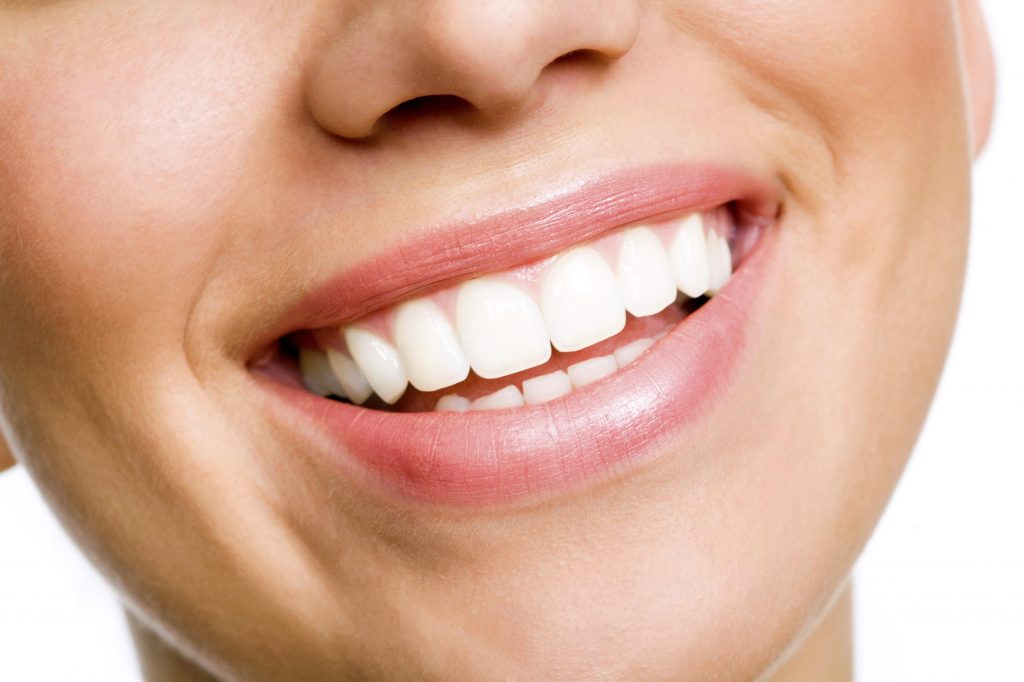
Zoom is a bleaching process that has become increasingly popular across the globe due to its impressive effects of lightening the discoloration of dentin and enamel. Tooth discolouration usually results from excessive drinking of cola, coffee, red wine, and tea or smoking tobacco. Your teeth can also become discolored due to advancing age. The Zoom Teeth Whitening procedure is a laser treatment that helps lower the discolouration or staining of your tooth enamel. Zoom teeth whitening is a straightforward, non-invasive medical procedure that lasts only 45 minutes to one hour. This procedure involves using a special lamp, known as a Zoom laser or Zoom light, with a 25% concentrated hydrogen-peroxide-based whitening gel. In this article, we will discuss all you need to know about Midtown East zoom teeth whitening.

How Does Zoom Teeth Whitening Work?

The Zoom in-office tooth whitening procedure involves the use of a fairly high concentration of hydrogen peroxide that is gently applied to your teeth. It breaks down when the hydrogen peroxide comes into contact with the intense light emitted from the Zoom light or Zoom laser. The gel dissolves a thin layer over your enamel and releases oxygen into the teeth. The main purpose of oxygen is to eliminate tooth discolouration and leave your teeth free from bacteria.

Using the whitening gel and the special lamp, your dentist will bleach each of your teeth to leave you with a brighter natural smile. Unlike other traditional teeth whitening procedures, Zoom teeth whitening does not affect the physical structures of your tooth. Moreover, Zoom in-office teeth whitening procedures are guaranteed to provide you with the best teeth whitening solutions.

 Before the Procedure

Before undergoing your Zoom teeth whitening procedure, you are first required to consult with your healthcare provider. Your provider will explain the procedure’s pros and cons and help determine if it is the best treatment solution for you. Your dentist may also perform a physical exam to check your teeth and gums and inquire about your expectations after the procedure. Your provider will also inquire about your lifestyle habits and oral hygiene to help determine if you will benefit from the Zoom teeth whitening procedure. Generally, Zoom teeth whitening procedures are recommended if you are planning cosmetic dental procedures, such as composite bonding and veneers. Your dentist will also check for any present dental works like veneers and crowns that do not respond well to conventional whitening agents.

During the Procedure

As mentioned earlier, Zoom teeth whitening procedures usually take between 45 minutes and one hour. During the procedure, your healthcare provider will place a soft covering over your lips and gums so that only the teeth remain visible. After wearing protective eyewear, your hygienist will place a layer of the teeth whitening gel on the top of your teeth and place the Zoom lamp or laser for about fifteen minutes. This procedure is repeated three times, and between each session, your dentist will closely monitor for any progress. The special light is left and activated, and the whitening gel is applied on your teeth for about fifteen minutes in each session to help penetrate the teeth well and eliminate tooth discolouration and stains. After the treatment, you will get all cleaned up and be allowed to resume your everyday activities. However, you should strictly follow the after-care recommendations to maintain the treatment results for a long time.

At Dr. Aaronson & Associates, we provide the residents living in and around Midtown East with comprehensive and reliable dental cosmetic treatments, emergency dentistry, and preventive care. Our team of well-experienced medical specialists can provide you with a full smile makeover through services such as Zoom Teeth Whitening, and Invisalign. Get started today and book a consultation or call our offices at 212-688-7722.

The endocrine system consists of eight hormone-producing glands. Hormones are chemical transmitters that travel via the bloodstream to the body’s organs and tissues. These hormones are essential for development and growth, sexual function, mood regulation, and metabolism. Therefore, an issue with one or more of your endocrine glands can disrupt your hormonal balance, resulting in an endocrine disorder. Schedule a consultation with endocrinology specialist Dr. Sean P. Nikravan, MD, FACE, if you notice signs of endocrinology disorders, such as fatigue or mood swings. Meanwhile, check out this post to learn about some common endocrine disorders.

1) Diabetes

The most prevalent type of endocrine illness is diabetes. Type I diabetes is an autoimmune condition whereby the pancreas ceases to produce insulin. Consequently, your body fails to maintain adequate blood sugar levels. Once the body builds insulin resistance, type II diabetes arises, which means your body cannot adequately utilize insulin. Typical symptoms of diabetes include frequently urinating, constant urge to drink water, and feeling weak.

2) Polycystic Ovary Disorder (PCOS)

Polycystic Ovary Disorder is a hormonal illness affecting women between 18 and 44 years old. This condition inhibits the maturation and release of eggs from the ovaries. Additionally, the ovaries could produce many follicles.

PCOS is the major cause of female infertility. While the specific cause of this condition is still unclear, there are several risk factors associated with PCOS, including:

  • Genetic factors
  • Excessive insulin secretion
  • The ovaries’ excessive synthesis of the androgen hormone

3) Addison’s Disease

Addison’s disease is an endocrine illness caused by insufficient cortisol production by the adrenal glands, resulting in a condition known as adrenal insufficiency. This condition may result from difficulties transmitting information from your brain to the adrenal glands, which instructs the adrenal glands to create cortisol.

In rare circumstances, adrenal insufficiency is accompanied by decreased aldosterone production. Symptoms to watch out for include constantly worsening fatigue, abdominal discomfort, dark skin patches, and more.

4) Hypothyroidism and Hyperthyroidism

These endocrine illnesses are the outcome of a malfunctioning thyroid gland. Hyperthyroidism is a disorder that occurs whenever this gland generates excessive levels of thyroid hormone. This condition could result in perspiration, weight loss, a rapid heart rate, and anxiety. Hypothyroidism has the opposite effect. The thyroid gland generates inadequate quantities of thyroid hormone, resulting in weariness, dry skin, constipation, and sometimes depression.

5) Gigantism

Gigantism, commonly referred to as acromegaly, is a condition involving growth hormone disorder. This condition develops once the pituitary glands overproduce somatotropin, the growth hormone. This endocrine disease causes your kid’s body parts and bones to develop unnaturally quickly and often affects their girth.

As with many other illnesses, early identification and treatment of endocrine abnormalities could aid illness and symptom management. Therefore, if you suspect you could be experiencing hormonal imbalance or other hormone-related disorders, consult Dr. Sean P. Nikravan. The symptoms of endocrine disorders vary from one individual to another, depending on the gland affected. As a result, Dr. Nikravan takes an individualized care approach to every patient to guarantee an accurate diagnosis and successful treatment. Call the Newport Beach, CA, office or book an appointment online today.