
Author

Lois Osborne

Browsing

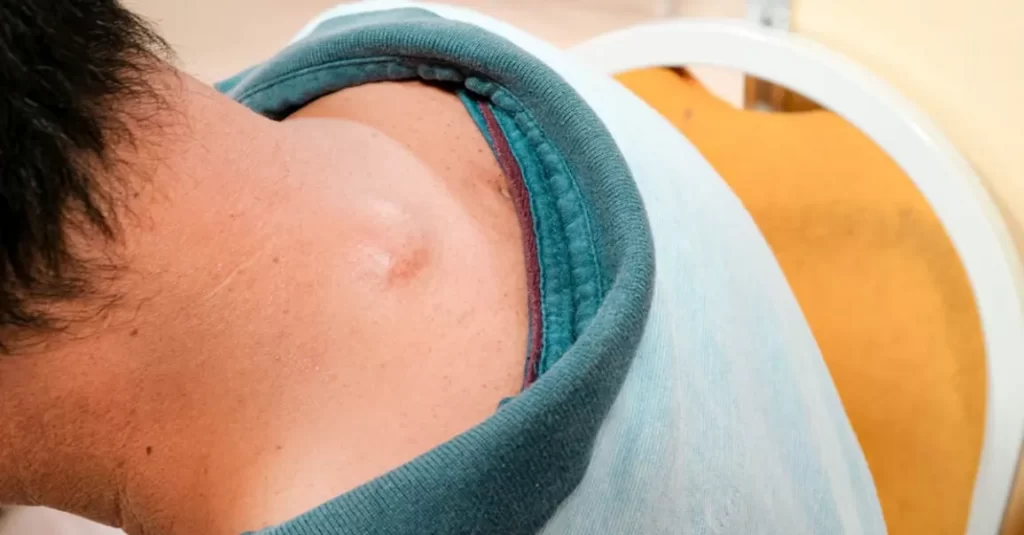
A cyst is a closed pouch or pocket of tissue cyst. It can make you feel uneasy in many ways. The cysts can be filled with fluid, pus, or air, among other elements. Cysts are benign, meaning you won’t have to be overly concerned about cancer. Nonetheless, they can cause appearance changes and discomforts, including pain. This is more so when infected, as they can be painful and cause swelling, among other concerns. Las Vegas cyst removal can help reduce the pain, manage other symptoms, and improve your looks. Cysts can pop up anywhere but are commonly seen on the face, neck, arms, and feet. Here is a quick look at the common cyst types.

  1. Pilomatrixoma

Most pilomatrixoma cysts are found on the head, arms, neck, or legs. They are small, hard bumps. The cysts are usually found under the skin, and surgery is generally recommended to remove them. The cysts do not regrow after surgery.

  1. Pyogenic Granuloma

Pyogenic granuloma cysts are characterized by a small red bump or a series of spots on the hand, feet, or face. The bumps can cause some bleeding. Removal is recommended to avoid frustrating bleeding experiences. 

  1. Chalazion

The cysts form when the meibomian gland oil surrounding the eyelids’ opening becomes overly thick or clogged. This builds up, inflaming the gland and forming a lump. You may not experience pain unless it is relatively large. If they become huge, they may blur your vision and cause irritation. Surgical removal is recommended to ensure your sight or looks are not impacted.

  1. Cystic acne

It develops when bumps form deep under your skin and is the most severe type of acne. It results from bacteria, oil, dry skin, and hormonal changes that get trapped in your pores. Cystic acne mainly occurs on the chest, face, back, arms, and neck. Large, pus-filled bumps which are painful may form, rupture, and leave scars.

  1. Ganglion Cyst

A ganglion cyst is a bump or swelling on a tendon or joint. They are usually found on the hand, feet, or knees. The cyst typically comes and goes, but they can be painful and are exacerbated by movement. It may disappear by itself, but you may need cyst removal if it persists and is painful.

  1. Pilonidal Cyst

When loose hair is pushed back into the skin, the body responds by forming a pocket around it that contains both fluid and dead skin. The pores get infected, and they become painful and may need to be drained or removed.

  1. Pilar cyst

Pilar cysts develop on the skin’s surface and are freshly colored bumps. Pilar cysts are benign and may be hereditary. If your cyst ruptures, you may be at risk for swelling and irritation.

Cyst formation on the skin happens due to many factors, including clogged tissues around the skin. Though some cysts may not irritate, they can be painful and itchy. Your appearance is also affected, which can lower your confidence. Visit or contact LUX Dermatology for more information on cysts, management, and removal.
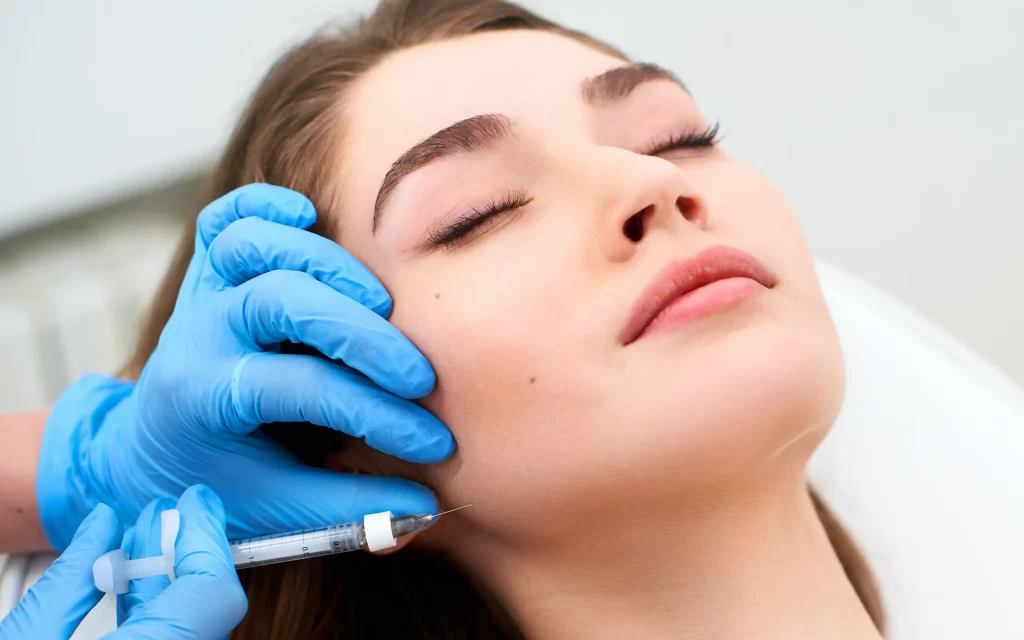
Regular physical exercise and a healthy diet are proven ways to lose those extra pounds and stay within your ideal weight. However, no matter how hard you try, there may be some stubborn pocket fats that don’t seem to budge from your arms, hips, abdomen, and thighs. You don’t have to sulk each time you look in the mirror; Pearce Plastic Surgery offers liposuction – a procedure that removes fat from specific body areas.

What is liposuction?

Liposuction or lipoplasty is a surgical procedure that uses suction to remove excess fat from your hips, abdomen, arms, buttocks, neck, or thighs, helping you attain your desired body shape. It is not typically considered a weight loss method or alternative but a way to contour certain body areas. If you are overweight, you are likely to lose more weight through exercise, diet, or bariatric procedures like gastric bypass surgery, than you would with liposuction. Before liposuction, it is essential to be informed about what the process entails and how it works so that you make an informed decision. Here are things you should know before getting liposuction.

Liposuction is not a weight loss tool

Before having liposuction, you want to be sure of your desired goals and have realistic expectations. Ask yourself whether you are looking for a weight loss substitute or specific improvements. Liposuction won’t help you lose excess weight, nor is it an effective way to reduce cellulite. If your goal is weight loss, the best option is to discuss an exercise plan and personalized diet with your doctor. But if you want to eliminate fat from specific body areas, liposuction may be right for you. Your doctor may only recommend liposuction after you have been unable to get rid of stubborn fat with diet and exercise. Having specific results in mind makes it easier for your doctor to target particular areas you want to improve. Your doctor should be able to suggest alternatives if you are not eligible for liposuction.

Liposuction carries risks, as with any major surgery

Usually, liposuction is well-tolerated and effective for most patients. However, as with any surgery, liposuction poses various risks and side effects. Your doctor should explain all the possible side effects to you during an initial consultation. Examples of possible side effects specific to liposuction include infection, contour irregularities, fluid accumulation, fat embolism, and lidocaine toxicity. When discussing side effects with your doctor, mention any pre-existing condition or medication you are currently taking to your provider. You want to be honest with your doctor since some drugs may result in excessive bleeding.

You will need some time to recover after liposuction

After liposuction, you may need to wait a few days or weeks before resuming work and your normal activities. This can be pretty challenging with increasingly busing lives. For this reason, try and schedule liposuction during a convenient time when you can stay at home and heal. During this time, you are not to engage in strenuous activities; your medical team will advise you on your post-treatment plan.

Whether or not you should get liposuction is majorly a personal decision. But if you want a more toned body and to improve your confidence, consult your doctor at Pearce Plastic Surgery to know if liposuction is right for you.

Labiaplasty is one of the most commonly misunderstood cosmetic treatments. Numerous individuals are afraid to talk about it since it involves sexual-related topics leading to a lot of misunderstanding. Recently, there has been a lot of misinformation about Labiaplasty Roslyn Heights driving away people wishing to receive it. If you are at home considering this surgery, consult your healthcare provider to understand the facts and myths better. In this article, we provide a helpful guideline for some of the common myths and misconceptions about Labiaplasty.

Labiaplasty Hurts

The procedure is painless as most patients experience little pain after surgery. The painless experience results from the lack of irritation from enlarged labia. Your surgeon will execute it under local or general anesthesia, ensuring you remain comfortable during the entire process. However, you may encounter less discomfort after surgery which oral medications can address.

The Procedure Is Performed for Cosmetic Purposes

Even though cosmetic enhancement is one of the common reasons for considering labiaplasty surgery, the treatment is designed to address various medical concerns. For example, your healthcare provider may recommend surgery to remove pain and irritation due to enlarged labial tissue. Women of all ages usually look for labiaplasty, hoping to obtain an enhanced appearance and minimize physical discomforts like wetness, chafing, and tenderness. These discomforts are mainly common when you wear tight underwear or clothing.

Only Women with Kids Are Eligible

The misinformation about labiaplasty about women with kids is wrong. The procedure can benefit several different women. For example, excessive skin on the labia can occur due to aging or genetics and childbirth. Women can consider the surgery if they are struggling with discomfort and want a better body appearance after the growth of excess labia skin.

Labiaplasty Needs a Prolonged Recovery

Any mild pain or discomfort after surgery should disappear within a few days. You should also expect a total recovery in approximately six weeks. From 4-6  weeks, you should stay away from energetic exercise to enable the region to heal completely and promptly. Moreover, you should return to your sexual routine after 6 weeks following the surgery. Most women can return to daily routines and tasks after two or four days.

My Partner Can See Labiaplasty Scars

When your physician performs the surgery using a wedge-type mechanism in contrast to the edge-trim mechanism, it is unlikely to notice scars. However, the wedge labiaplasty technique is preferable due to its ability to conceal scarring. Your surgeon can place the incision in a hidden place, ensuring the final outcome appears exceptionally natural, only with fewer signs of an operation.

The Surgery Can Minimizes Sexual Stimulation

Most people believe they will experience reduced feelings and sexual stimulation after the surgery. However, you should be confident because labiaplasty does not diminish your sexual routine, as the labia are not entailed in stimulating sex. Usually, the nerves responsible for bringing sensation are situated elsewhere. In fact, there are reported cases of increased sexual stimulation in women after undergoing surgery.

Are you looking forward to rejuvenating your vaginal appearance but cannot secure a surgeon to take you through it? Do not worry. Plastic Surgery Associates of Long Island, in Roslyn Heights, New York, offers comprehensive labiaplasty services you can trust. Sotirios Papafragkou, Susie Rhee, and their team are dedicated to serving you with cutting-edge care to rejuvenate your vagina. Call their office or request an online appointment today.

Dysmenorrhea describes the pain and cramping a woman experiences during menstruation. However, some women experience severe pain that disrupts their performance in daily activities. You will need painful periods Orlando management tips to help you through the pain and discomfort so you can live healthily. Your doctor may recommend OTC medications, warm compressions and regular exercise to reduce pain. You can benefit from finding out the common causes of painful periods, how they develop and how you can manage them for healthy well-being.

Endometriosis

You develop endometriosis when the uterus lining has another tissue attached to it, causing extra painful periods. Other symptoms of endometriosis can include sharp abdominal pain, painful bowel movements, diarrhoea and pain during sexual intercourse. You may feel bloated, cramping, nausea, constipation, spotting and diarrhea. Usually, when undergoing menstruation, your symptoms tend to worsen. However, you can manage the symptoms of endometriosis using heat therapy for pelvic pain to soothe your muscles, maintain a healthy diet and moderate exercises. You should note that endometriosis causes severe, chronic, consistent pain, unlike menstrual cramping.

Pelvic Inflammatory Disease

PID causes an infection in your reproductive organs resulting from different types of bacteria. You may not show any symptoms, but if you do, they can include abdominal pain, fever, irregular bleeding, painful sex and urination. Some women may show severe abdominal pain and vomiting with PID. Your doctor will recommend antibiotics to treat bacteria causing PID, and your symptoms will improve after a few days. Rarely, PID may require surgery, especially if antibiotics fail to cure the infection. Leaving PID untreated may cause complications like infertility, chronic pelvic pain and ectopic pregnancy.

Premenstrual Syndrome

PMS causes mood and emotional changes between your ovulation and may last after your period begins. Physical symptoms associated with PMS may include abdominal cramping, bloating, diarrhea and constipation. However, severe PMS symptoms that last longer than normal may need medical attention. They may result from underlying medical conditions like endometriosis, irritable bowel syndrome and thyroid disorder. Your doctor may recommend tips like drinking plenty of fluids, eating well-balanced meals, getting enough sleep and performing regular physical activities daily.

Fibroids

Your uterus lining may develop noncancerous tumors, which may fail to show symptoms in some women and severe symptoms in others. Severe fibroids may cause symptoms including heavy menstrual bleeding, chronic pain during periods, bloating and lower back pain. You may also have prolonged periods and often have the urge to urinate frequently. You can manage fibroid pains with OTC medications and practice home remedies like warm compressions, massages and NSAIDs. Other helpful tips may include healthy dieting, exercising regularly, limiting sodium intake and taking mineral supplements.

Find out more about how you can manage painful period pains at Contemporary Women’s Care today. Your doctor will review your symptoms to find out the cause of your pain and then recommend appropriate treatment options. You can explore different management options to help you reduce pain and relieve symptoms. Visit the website’s facility today if you wish to request an appointment online.