Author

Paul Lewis

Browsing

Potatoes are one of the most versatile and beloved staples in kitchens worldwide. They can be prepared in various ways, from frying and boiling to mashing and baking. When it comes to cooking potatoes, two common methods often come to mind: baking and microwaving. Both methods have their advantages and drawbacks, making it essential to consider your cooking goals and preferences. In this article, we’ll discuss how to cook a baked potato using two different methods and also explore the differences between baking and microwaving potatoes to help you determine which method is the better choice for your culinary needs.

The Art Of Baking Potatoes

Baking potatoes is a classic and time-honored method that brings out the rich, earthy flavor and creamy texture of this beloved tuber. Here are some key reasons why baking is a popular choice:

  1. Flavor And Texture: Baking potatoes in the oven allows them to cook evenly, creating a crisp, flavorful skin and a tender, fluffy interior. This method enhances the natural sweetness and nutty undertones of the potato.
  2. Versatility: Baking is versatile, allowing you to season potatoes with various herbs, spices, and toppings, such as butter, sour cream, cheese, bacon bits, and chives, to create a variety of delicious dishes.
  3. Crispy Skin: Baking at a higher temperature (around 400°F or 200°C) can result in a crispy, golden-brown skin that many people find irresistible.
  4. Large Batches: Baking is an excellent choice when cooking potatoes for a crowd, as you can prepare multiple potatoes simultaneously on oven racks.
  5. Oven Roasting: You can also roast vegetables alongside your potatoes while baking, simplifying meal preparation.

The Convenience Of Microwaving

Microwaving potatoes offers a different set of advantages, making it a popular choice for those seeking a quick and convenient cooking method:

  1. Speed: Microwaving is much faster than baking. A typical microwave can cook a potato in 5-10 minutes, depending on its size and power.
  2. Energy Efficiency: Microwaving requires less energy than preheating an entire oven, making it a more eco-friendly option for small cooking tasks.
  3. Minimal Cleanup: Microwaving potatoes is a hassle-free process that results in minimal mess. You only need a microwave-safe dish or a microwave potato bag.
  4. Moisture Retention: Microwaving helps retain moisture within the potato, preventing it from drying out during cooking.
  5. Convenience: Microwaving is an ideal option for those short on time or looking for a hassle-free way to prepare a quick potato dish.

Comparing Taste And Texture

One of the most crucial factors when deciding between baking and microwaving potatoes is the taste and texture of the final product. Baking potatoes typically results in a superior flavor and texture due to the extended cooking time and even heat distribution in the oven. The high temperature of the oven caramelizes the potato’s sugars, creating a crispy skin and a tender, creamy interior. This process brings out the potato’s natural sweetness and depth of flavor.

On the other hand, microwaving can produce satisfactory results when you’re in a hurry. It cooks the potato quickly and retains moisture, resulting in a softer, somewhat smoother texture compared to baking. However, microwaving often falls short when it comes to achieving the crispy skin and rich flavor that baking can deliver.

When To Choose Baking

Baking is the better choice when you have the time and desire to savor the full flavor and texture of a perfectly cooked potato. Consider baking when:

  • You want the classic baked potato experience, complete with a crispy skin and creamy interior.
  • You have ample time to prepare and enjoy your meal.
  • You’re cooking potatoes for a special occasion or guests, as baked potatoes have an elevated presentation.
  • You’re roasting other ingredients alongside your potatoes, such as vegetables or meats, for a complete meal.

When To Choose Microwaving

Microwaving is the superior choice when you need a quick and convenient potato dish with minimal effort. Opt for microwaving when:

  • You’re short on time and need to prepare a meal in a hurry.
  • You prefer a softer, moister texture in your potatoes.
  • You’re cooking a small quantity of potatoes for a single serving or a small family.
  • Minimizing energy use and carbon footprint is important to you.
  • You value ease of preparation and minimal cleanup.

Conclusion

When deciding between baking and microwaving potatoes, it all boils down to personal preference and the kind of meal you’re after. Baking offers superior flavor and texture, making it the preferred method for those who appreciate the classic baked potato. Microwaving, on the other hand, excels in terms of speed and convenience, making it an excellent choice for busy individuals or those cooking for smaller groups. Ultimately, both methods have their place in the kitchen, and the decision should be based on your preferences, available time, and specific cooking goals.

Welcome to our discussion on the crucial role that psychiatrists play in managing stress and anxiety. You’re waiting for your morning coffee in Good Health Brooklyn, and you’re feeling that all-too-familiar knot in your stomach. Your mind is a whirlwind, and you’re jittery. You’re not alone. Many of us are wrestling with these invisible demons. Psychiatrists step into this chaos, extend a helping hand, and guide us toward peace and better mental health. Let’s delve into how they do it.

Unraveling the chaos

Imagine a ball of threads, all tangled and knotted. That’s what stress and anxiety feel like – a chaotic mess. Psychiatrists are the experts with the patience and skill to untangle each thread, one at a time. They help us understand the root of our stress and anxiety. They teach us strategies to manage and reduce these feelings.

Psychiatrists as Educators

Sometimes, we just don’t understand what’s happening inside our heads. Psychiatrists act like educators in these moments. They explain what stress and anxiety are, how they affect us, and how we can control them. They provide us with the knowledge and tools to take charge of our own mental health.

Offering safe spaces

Sharing our deepest fears and anxieties with others can be scary. Psychiatrists offer safe spaces where we can open up without fear of judgment. They listen, empathize, and validate our experiences. This kind of support is often the first step towards healing.

Guiding through therapy

Talking is good, but sometimes we need more. Psychiatrists guide us through different therapeutic approaches to deal with stress and anxiety. Cognitive behavioral therapy, and mindfulness-based therapy – these aren’t just fancy words. They’re proven methods that can bring concrete changes to our lives.

Medical Intervention

When required, psychiatrists also provide medical intervention. They can prescribe medication to help manage severe stress and anxiety. But they don’t just hand us a prescription and send us on our way. They monitor our progress, adjust doses, and ensure the medication helps, not hinders.

Conclusion

Stress and anxiety can feel like a storm raging within us. But we don’t have to weather it alone. With the help of a psychiatrist, we can navigate through the chaos and find our way to calmer waters. They don’t just help us survive the storm – they guide us to sunnier skies and a healthier mind.

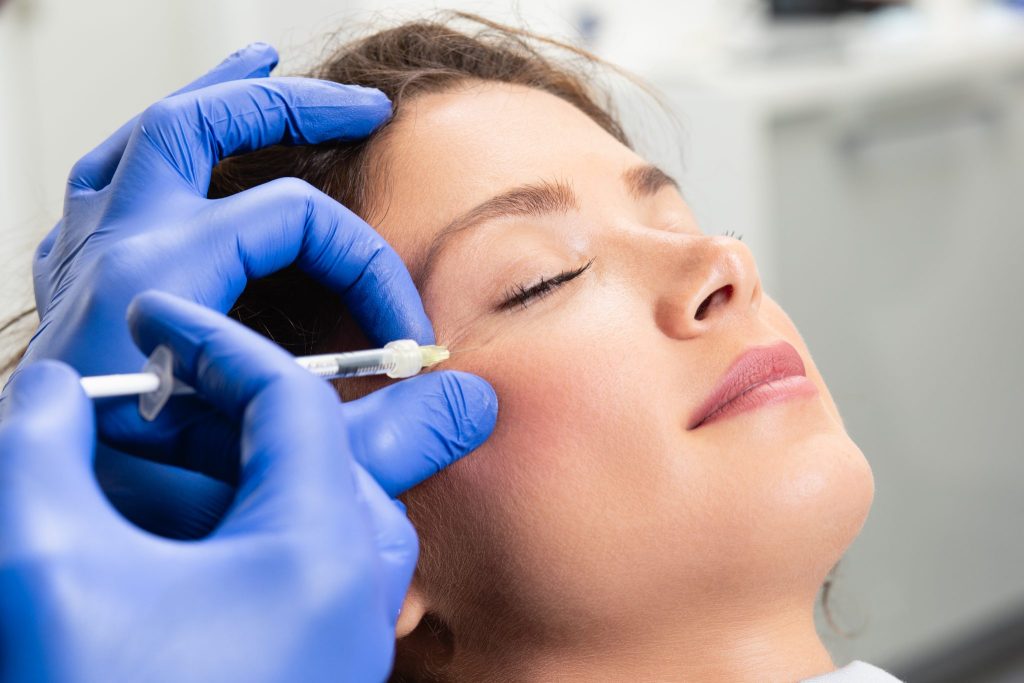
In the realm of aesthetic treatments, the emergence of laser technology has revolutionized the approach towards skin rejuvenation and tightening. Among the forefront of these advancements is the Fotona skin treatment, a groundbreaking procedure gaining popularity in Singapore and worldwide for its efficacy in addressing a myriad of skin concerns. This article delves into the intricacies of Fotona skin treatment, unraveling how it works, the skin issues it addresses, and the myriad benefits it offers.

Understanding Fotona Skin Treatment

At its core, Fotona skin treatment in Singapore is a sophisticated laser therapy that harnesses the power of dual-wavelength laser technology. This treatment amalgamates two laser types – Nd: YAG and Er: YAG – to target various skin layers effectively. The Nd: YAG laser penetrates the deeper layers of the skin, stimulating collagen production and aiding in skin tightening. In contrast, the Er: YAG laser focuses on the superficial skin layers, addressing concerns like texture and pigmentation.

The Mechanism Behind Fotona Treatment

The Fotona treatment follows a multi-step protocol, each designed to target specific aspects of skin rejuvenation:

SmoothLiftin: This initial phase employs the non-ablative ErYAG laser in Smooth Mode, which is particularly effective in reducing nasolabial folds and perioral wrinkles. The procedure involves intraoral application, requiring no anesthesia and causing minimal discomfort.

Frac3 and Piano Modes: Utilizing the 1064nm NdYAG laser, these steps delve deeper into the skin. Frac3 focuses on deep structural shrinkage, while Piano mode employs long laser pulses for overall skin warming and tightening.

SupErficial: The final step returns to the ErYAG laser, performing a light peel to refine the skin’s surface, enhancing its glow and texture.

Fotona’s Effectiveness in Treating Skin Issues

Fotona skin treatment is versatile, effectively addressing various skin concerns. Its ability to tighten skin and reduce wrinkles is particularly notable, making it an ideal choice for those seeking a rejuvenated appearance. It’s also effective in treating nasolabial folds, perioral wrinkles, and other signs of aging.

Advantages of Fotona Skin Treatment

Fotona skin treatment in Singapore stands out for several reasons:

Non-Invasive Nature: Unlike surgical alternatives, Fotona offers a non-invasive solution, significantly reducing recovery time and associated risks.

Adaptability: Its dual-laser approach caters to a wide range of skin types and conditions, making it a versatile option for many.

Noticeable Results: Users often report visible improvements in skin tightness and texture after undergoing the treatment.

Comfort: The procedure is relatively pain-free, involving only a mild sensation of warmth for most patients.

Zero Downtime: Post-treatment, patients can immediately resume their daily routines, making it a convenient option for those with busy lifestyles.

Comprehensive Benefits of Fotona Skin Treatment

Fotona skin treatment in Singapore not only stands out for its effectiveness in skin tightening but also offers a range of other benefits:

Versatility: Beyond skin tightening, Fotona can address a variety of skin issues like fine lines, wrinkles, uneven skin texture, and even scarring. This makes it a one-stop solution for many seeking comprehensive skin rejuvenation.

Precision: The treatment is known for its precision, allowing practitioners to target specific areas of concern without affecting surrounding tissues. This precision contributes to its high efficacy and minimizes the risk of side effects.

Customizability: Fotona treatments can be tailored to the specific needs and goals of the individual, ensuring personalized care and optimal results.

Collagen Stimulation: One of the key benefits of Fotona is its ability to stimulate collagen production, a crucial protein for maintaining skin elasticity and firmness. Over time, this leads to naturally youthful and healthier-looking skin.

Safety Profile: With a strong safety profile, Fotona treatments have minimal risks, especially when performed by trained professionals. This adds to its appeal for those cautious about more invasive procedures.

The Procedure and What to Expect

The Fotona skin treatment procedure is straightforward and comfortable. Patients may experience a warming sensation during the treatment, but it is generally well-tolerated without the need for anesthesia. The procedure duration varies depending on the targeted area but typically lasts between 30 minutes to an hour.

Post-treatment, patients can expect minimal to no downtime. Some may experience slight redness or swelling, but these symptoms usually subside within a few hours to a day. The number of sessions required varies, with many patients seeing significant improvements within three to six treatments.

Longevity of Results

The results of Fotona skin treatment can be long-lasting, but they do depend on the individual’s skin type, age, and lifestyle factors. Maintenance sessions might be recommended to sustain the results. It’s important to have realistic expectations and understand that while Fotona can significantly improve skin appearance, it does not stop the natural aging process.

Imagine walking barefoot on the uneven, rocky terrain of prehistoric times. Now, think about the high-heeled shoes or the tight, constrictive dress shoes you might’ve worn today. It’s amazing how things have changed, isn’t it? The evolution of our footwear reflects the evolution of Podiatry, a field that has come a long way since our ancestors first stepped onto this planet. The manhattan podiatry group, among others, has been a key player in this transformation. This blog is a journey into the past, retracing the steps of podiatry from its earliest days to the modern profession we recognize today. Stay with me as we delve into the rich history of podiatry.

The Dawn of Podiatry

Did you know that podiatry dates back to ancient Egypt? Hieroglyphics on the walls of tombs depict individuals treating feet. The Greeks and Romans, too, had a deep understanding of foot care. Hippocrates, often called the father of medicine, wrote about corns and calluses.

The Middle Ages and Podiatry

Fast forward to the Middle Ages. Guilds of surgeons were formed. These were the first institutions to recognize and regulate podiatry. But it was not without challenges. Foot care was often neglected, seen as the less glamorous side of medicine.

Modern Podiatry Emerges

The 20th century marked a turning point. Podiatry began to be seen as an essential part of healthcare. Institutions like the Manhattan Podiatry Group were established. These institutions championed foot and ankle care. They provided treatment and also conducted research to advance the field.

The Role of Technology in Podiatry

Technology has revolutionized podiatry. From X-rays to MRI scans, doctors now have advanced tools at their disposal. These technologies allow for accurate diagnoses and effective treatment plans. They also make the patient experience more comfortable.

Podiatry Today and Beyond

Today, podiatry is a respected field of medicine. It has its own schools, professional associations, and certifications. It focuses not just on treatment, but also on prevention and education. With the rise of conditions like diabetes and obesity, the role of podiatrists is more vital than ever.

As we move into the future, the evolution of podiatry continues. New advancements in technology and treatment methods are always on the horizon. So, whether it’s for a simple corn removal or a complex surgery, remember that the care you receive today is the result of centuries of progress and the tireless work of many dedicated professionals, like those at the Manhattan Podiatry Group.