
Author

Paul Petersen

Browsing

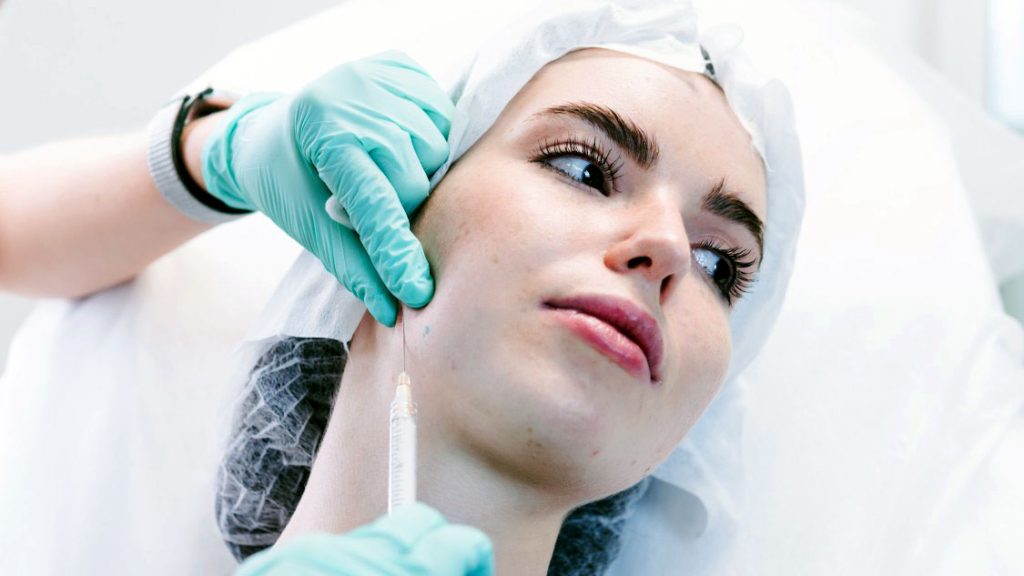
817 Surgical Arts is a renowned plastic surgery center in Fort Worth, Texas. In our years of service, we have observed that there are many misconceptions surrounding plastic surgery. Some of these misconceptions are so far from the truth that they have led to fear, myths and misinformation. As an educational blog, we believe that it is essential to provide accurate information about plastic surgery to help dispel some of these misconceptions.

Misconception 1: Plastic Surgery is Only for Women

Plastic surgery is not just for women. Statistics show that men also undergo plastic surgery to improve their physical appearance. According to the American Society of Plastic Surgeons (ASPS), men accounted for 14% of all cosmetic procedures in 2020. Men undergo plastic surgery for various reasons such as improving their self-confidence, correcting physical imperfections, and enhancing their physical appearance.

Misconception 2: Plastic Surgery is Only for the Rich and Famous

Contrary to popular belief, plastic surgery is not just for the rich and famous. While plastic surgery may seem expensive, it is more affordable now than it was in the past. Most plastic surgery centers offer flexible payment plans to make plastic surgery affordable for everyone. At 817 Surgical Arts, we offer financing options to help our patients pay for their cosmetic procedures.

Misconception 3: Plastic Surgery is Only for Vanity

Another common misconception about plastic surgery is that it is only for vanity. While some people undergo plastic surgery to enhance their physical appearance, others do it for medical reasons. For instance, plastic surgery can be used to correct birth defects, improve breathing, and repair damages caused by accidents. Therefore, plastic surgery is not just about vanity but also about improving one’s quality of life.

Misconception 4: Plastic Surgery is Painful and Dangerous

Some people avoid plastic surgery because they believe it is painful and dangerous. However, thanks to modern technology and medical advancements, plastic surgery is now safer and less painful than it used to be. At 817 Surgical Arts, we use minimally invasive techniques to reduce pain and minimize the risk of complications. We also provide aftercare services to ensure that our patients recover smoothly and comfortably.

Misconception 5: Plastic Surgery Results are Permanent

While plastic surgery can provide long-lasting results, it does not mean that the results are permanent. The longevity of the results depends on various factors such as age, lifestyle, and genetics. For instance, a breast augmentation may need to be revised after ten years, while a facelift may last for up to fifteen years. Additionally, it is essential to maintain a healthy lifestyle to ensure that the results of the plastic surgery last longer.

Misconception 6: Plastic Surgery is Only for Women of a Certain Age

Plastic surgery is not limited to women of a certain age. Women of all ages can undergo plastic surgery to enhance their physical appearance. However, it is important to note that some plastic surgery procedures may be more suitable for certain age groups. For instance, a facelift may be more appropriate for women over 50, while breast augmentation may be more suitable for younger women.

Conclusion

Plastic surgery is a safe and effective way to enhance one’s physical appearance and improve one’s quality of life. However, it is important to remember that plastic surgery should be done for the right reasons. At 817 Surgical Arts, we are committed to providing our patients with accurate information about plastic surgery to help dispel some of the common misconceptions surrounding it. If you are considering plastic surgery, we encourage you to schedule a consultation with us to discuss your options and answer any questions you may have.

When it comes to your child’s orthodontic treatment, time is of the essence. The earlier your child gets treatment, the better the results. Generally, experts recommend taking children to a pediatric dentist before they turn seven. This is the perfect time for a Cumming, GA pediatric orthodontist to identify any issue. However, orthodontic treatment can still be sought at age seven and beyond.  As a parent, you must take your child to their dentist and facilitate their orthodontic checkups and treatment.  

Benefits of Orthodontic Care for Kids

When you decide whether or not to take your child to an orthodontic dentist, you must consider some factors. But here are some reasons early orthodontic treatment is important:

  • Detect possible dental issues early. At 7 years old, your child’s molar teeth have developed to establish backbite. Such age is the right time for an orthodontist to easily access teeth relationships. This allows them to establish any possible issues with an overbite, backbite, gummy smile, and crowded teeth. 
  • Guide jaw growth. Early orthodontic treatment can be essential for guiding jaw growth in some children. This makes sure your child has a proper bite. The dentist can use a special appliance for guiding jaw growth while it’s growing and developing. 
  • Help break bad oral health habits. In children, oral habits such as tongue thrusting and thumb sucking can lead to teeth misalignment. This misalignment can lead to changes in your child’s jaw shape. By letting your child see an orthodontist at a young age, their bad oral habits can be corrected early.
  • Allow for easier and less costly treatment. By having your child’s orthodontic issue addressed as early as possible, the treatment process is more comfortable and less costly. When not treated immediately, any dental issue can require lengthy, more extensive, and more expensive procedures. 
  • Detect non-erupted teeth. An orthodontist will use X-rays to detect any teeth that have not erupted. This lets the dentist address different orthodontic issues. In turn, your child enjoys self-confidence and a healthy smile. 

What Happens During Your Child’s First Orthodontic Appointment

Your child’s first visit to an orthodontist is meant to assess their dental tissue and determine if they need treatment. The pediatric dentist will take X-rays and photographs of your child’s dental formula. Then, they may offer a diagnosis, discuss the issues, and recommend an appropriate solution. If your child needs treatment, the dentist will suggest a treatment plan and offer an estimated cost along with various payment options. Also, the dentist may recommend dental appliances to use, like aligners, braces, or expanders. 

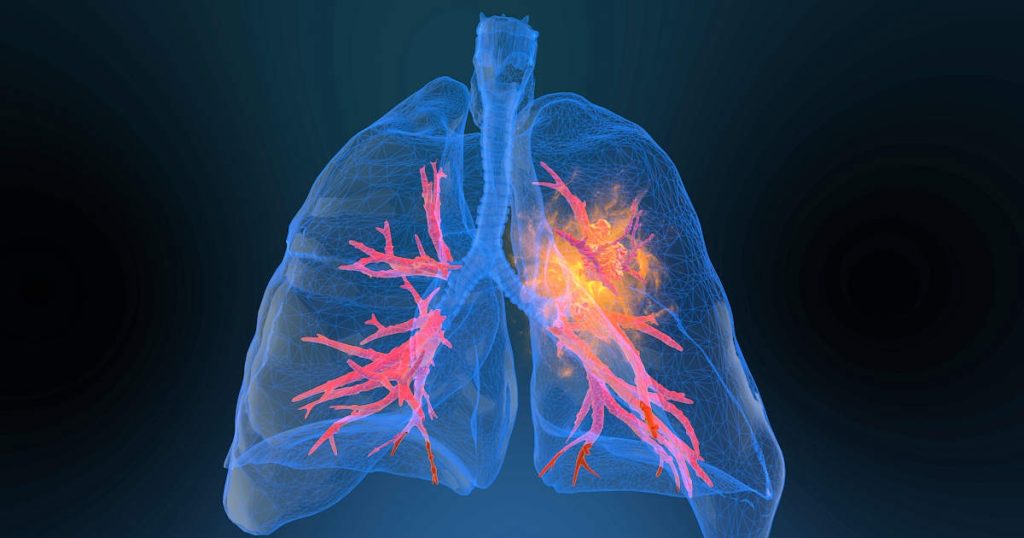
Lung cancer is one of the leading causes of cancer-related deaths worldwide, and its treatment requires a deep understanding of the genetic alterations that drive its development. One such genetic alteration is the mutation in the KRAS gene, which plays a crucial role in cancer progression. In this blog post, we will explore the effect of KRAS gene mutations on cancer development, with a specific focus on lung cancer. Additionally, we will delve into the therapeutic strategies being developed and utilized to target KRAS-mutated cancers. For individuals seeking lung cancer treatment in Noida, understanding the role of KRAS mutations and the available treatment options is essential to ensure the best possible outcomes.

What is the KRAS gene?

The KRAS gene is a proto-oncogene that regulates cell growth and division. It is a vital component of the RAS signaling pathway, which controls various cellular processes. In its normal state, the KRAS gene helps maintain the balance of cell growth and proliferation.

How do KRAS gene mutations contribute to cancer development?

When the KRAS gene undergoes specific mutations, its normal function is disrupted. These mutations cause the gene to become permanently activated, leading to uncontrolled cell growth and the formation of tumors. KRAS mutations are commonly found in various cancers, including lung, colorectal, and pancreatic cancer. In the context of lung cancer, KRAS mutations are associated with a more aggressive disease course and reduced response to traditional treatments.

The Impact of KRAS Mutations on Lung Cancer

KRAS mutations occur in approximately 20-30% of all lung cancer cases, making it one of the most frequently mutated genes in this type of cancer. In the context of non-small cell lung cancer (NSCLC), the most common form of lung cancer, KRAS mutations are particularly prevalent.

KRAS mutations lead to the activation of downstream signaling pathways that promote cell survival, proliferation, and invasion. The aberrant activation of these pathways contributes to the development and progression of lung cancer. The presence of KRAS mutations also influences tumor behavior, response to treatment, and overall patient prognosis.

Therapeutic Strategies for KRAS Mutated Cancers

Targeted therapies

Targeted therapies specifically aim to inhibit the activity of the mutated KRAS protein or downstream signaling pathways. Significant progress has been made in recent years to develop effective KRAS-targeted therapies. For instance, novel small molecule inhibitors and monoclonal antibodies are being investigated to selectively block KRAS mutant proteins, thereby inhibiting tumor growth.

Immunotherapies

Immunotherapies have revolutionized cancer treatment by harnessing the body’s immune system to fight cancer cells. While KRAS mutations were initially considered challenging for immunotherapy, recent advancements have shown promise. For example, immune checkpoint inhibitors, such as pembrolizumab and nivolumab, have demonstrated efficacy in a subset of KRAS-mutated lung cancers.

Overcoming resistance to KRAS-targeted therapies

Resistance to KRAS-targeted therapies remains a significant challenge. However, ongoing research aims to identify mechanisms of resistance and develop combination therapies to overcome this obstacle. Combinations of targeted therapies, immunotherapies, and chemotherapy are being explored to enhance treatment efficacy and improve patient outcomes.

Conclusion

Understanding the impact of KRAS gene mutations on cancer development, particularly in lung cancer, is crucial for effective treatment strategies. The prevalence of KRAS mutations in lung cancer highlights the need for targeted therapies and personalized treatment approaches. For individuals seeking lung cancer treatment in Noida, it is essential to consult with the best oncologists in Noida, who can provide specialized expertise and access to the latest treatment options. The development of novel targeted therapies and the integration of immunotherapies offer hope for improved outcomes in KRAS-mutated cancers.

FAQs

Can KRAS gene mutations be inherited?

KRAS mutations are primarily somatic, meaning they occur spontaneously within cells during a person’s lifetime and are not inherited from parents.

Are there any lifestyle factors that increase the risk of KRAS mutations?

Genetic alterations primarily cause KRAS mutations and are not directly influenced by lifestyle factors.

How effective are targeted therapies for KRAS-mutated cancers?

Targeted therapies have shown promise in treating KRAS-mutated cancers, with emerging treatments demonstrating encouraging results. However, the efficacy of these therapies can vary depending on individual patient characteristics and specific mutations.

What are the potential side effects of KRAS-targeted therapies?

Like any cancer treatment, targeted therapies may have side effects. However, the specific side effects can vary depending on the type of targeted therapy used. It is important to discuss potential side effects with your healthcare provider.

Are there clinical trials available for KRAS-mutated cancer treatments?

Ongoing clinical trials are investigating novel treatment approaches for KRAS-mutated cancers. If you are interested in participating in a clinical trial, it is advisable to consult with your oncologist to determine eligibility and explore available options.

Arkansas City Aesthetics is a wellness clinic that offers personalized wellness plans to help clients achieve their health goals. These plans are tailored to the individual’s needs and preferences, and can include a variety of services such as nutrition counseling, fitness training, and stress management techniques. In this article, we will explore the benefits of creating a personalized wellness plan at a wellness clinic, and how it can help you live a healthier and happier life.

Why Choose a Wellness Clinic?

Many people struggle with maintaining a healthy lifestyle due to busy schedules, lack of knowledge, or motivation. A wellness clinic provides a supportive and motivating environment that can help you overcome these obstacles and achieve your health goals. Trained professionals such as nutritionists, personal trainers, and wellness coaches work together to create a customized plan that caters to your unique needs and preferences.

The Process of Creating a Personalized Wellness Plan

The process of creating a personalized wellness plan involves several steps, including:

Assessment

The first step in creating a personalized wellness plan is to assess your current health status and lifestyle habits. This includes a physical exam, health history, and lifestyle questionnaire. This information is used to identify areas of improvement and set realistic goals.

Goal Setting

After the assessment, the next step is to set specific, measurable, attainable, relevant, and time-bound (SMART) goals. These goals are based on the individual’s preferences and needs, and may include weight loss, increased energy, better sleep, or improved mental health.

Plan Development

Once the goals are established, the wellness team will work together to develop a customized plan that includes nutrition, exercise, stress management, and other wellness strategies. The plan is designed to be sustainable and achievable, and may be adjusted over time as goals are met and new challenges arise.

The Benefits of a Personalized Wellness Plan

A personalized wellness plan offers many benefits, including:

Better Health

A customized plan addresses your unique needs and preferences, which can help improve your overall health and well-being. This may include reducing the risk of chronic diseases, improving mental health, and increasing energy levels.

Accountability

Working with a wellness team provides accountability and motivation to stay on track with your goals. Regular check-ins and progress updates help keep you accountable and focused on achieving your goals.

Long-term Sustainability

A personalized wellness plan is designed to be sustainable and achievable over the long term. This means making small, gradual changes that can be maintained over time, rather than quick fixes that are difficult to maintain.

Conclusion

Creating a personalized wellness plan at a wellness clinic is a great way to achieve your health goals and improve your overall well-being. The process involves assessment, goal setting, and plan development, and offers many benefits such as better health, accountability, and long-term sustainability. If you are looking for a supportive and motivating environment to help you achieve your health goals, consider visiting a wellness clinic today.