
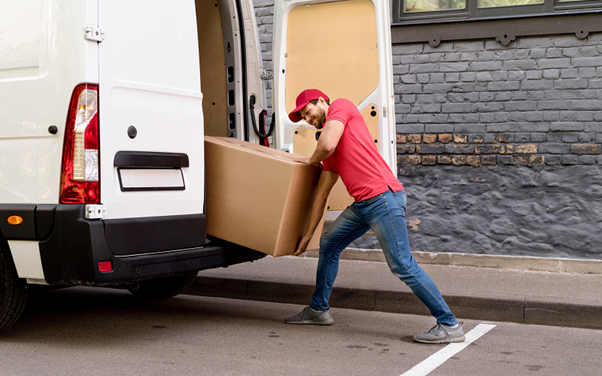
Whether you’re carrying groceries or moving boxes, your knees handle more than you realise. Though the weight sits in your arms, your knees absorb much of the load, especially when posture slips. They may not complain immediately, but strain builds quietly.
Most people don’t notice how much pressure these tasks put on their knees until pain sets in. Physiotherapy in Singapore can help spot these problems early and reduce the risk of further strain.
Your Knees Don’t Like Surprises
The human knee is a clever hinge. It helps you squat, lift, walk, and climb. But like any joint, it has limits. When you bend to pick something up, especially with weight in your arms, the force isn’t spread evenly. If you’re not using proper lifting form, your knees will take on far more stress than they’re built for.
Every time you carry something heavy with locked knees or bent hips, the pressure shoots through your kneecaps and ligaments. Over time, this repeated strain can lead to joint discomfort, swelling, and a noticeable decline in stability or range of motion. The knees may begin to feel less dependable during basic activities.
Strain from lifting is absolutely a gym issue, but it also shows up in everyday life. A trip to the supermarket, a wet market haul, or even carrying a pail of water across the flat can pile on strain if your posture is off.
Not All Knee Pain Comes from Sports
Most people associate knee issues with runners, footballers, or weekend warriors. But physiotherapists see plenty of knee complaints from people who don’t play sports at all. Regular folks who carry children, lift boxes at work, or do chores without thinking twice about posture are also at risk.
That’s where knee physiotherapy in Singapore becomes especially useful. It helps identify the specific cause of pain, whether it’s tight quads, weak glutes, or improper lifting technique. And instead of just resting it off, which may feel good short-term, you get a plan to strengthen and protect the joint for future loads.
How Small Errors Become Big Aches
Ever lifted something off the floor by bending your back and not your knees? That movement places stress on your spine and increases the load on surrounding joints. Poor form definitely affects your back, but it doesn’t stop there. Your knees, hips, and even ankles absorb the consequences, which can lead to strain across the lower body. Your knees also bear the brunt as you straighten up under the weight. Now imagine doing that multiple times a week, month after month.
Your body will naturally try to adjust its movements to reduce discomfort. But that compensation often shifts pressure to areas not meant to handle it. One knee might start feeling stiffer than the other. You might start favouring one side, leading to uneven muscle use and increased risk of injury. Over time, once-simple tasks such as climbing stairs, getting off a chair, or squatting to tie your shoe may start to feel more difficult and less natural.
With proper guidance through physiotherapy in Singapore, you learn better ways to lift, stand, and carry, backed by exercises that support long-term joint health.
The Physio Advantage for Everyday Movers
You don’t need to be a professional athlete to benefit from physiotherapy. If your knees click, swell, or feel sore after a simple task like bringing groceries home, that’s a sign to get them checked.
A physiotherapist’s approach goes beyond simple advice like stretching or applying ice to the joint. They’ll assess your movement patterns, muscle balance, and joint alignment. You’ll get exercises that target weak or overloaded areas. Think glute activation, quad strengthening, and ankle mobility. All of these affect how your knees behave when lifting and carrying.
Over time, knee physiotherapy in Singapore helps you avoid unnecessary wear and tear. Physiotherapy guides movement that strengthens your body while protecting your joints. It supports recovery without ignoring the effort required to improve.
A Word on Posture and Footwear
Poor lifting form usually starts at the hips or feet. If you stand flat-footed and stiff-legged, your knees lose their ability to absorb shock efficiently. Good footwear with arch support and grip helps keep your knees aligned when carrying weight. So does learning to hinge at the hips and engage your core when lifting, not just relying on brute leg strength.
A physiotherapist can walk you through all this, and even offer advice on daily footwear choices or at-home posture corrections that make a difference.
Everyday Strength for Everyday Tasks
You don’t have to train like a powerlifter. But strengthening your leg muscles, especially around the knee, goes a long way in protecting your joints. Simple movements like step-ups, supported squats, and resistance band work can help. Done right, they reduce pain and also build resilience in your joints. They give your knees the strength to handle real life.
The focus is on practical, supportive movement patterns that prioritise long-term joint health. The emphasis is on movement that works, tailored to your everyday routine. That is what good physiotherapy aims to support: movement that works for your body, not against it.
Listen to the Squeaks and Grumbles
Knee pain is your body’s way of highlighting a problem. If soreness appears after a normal day or light lifting, it’s worth paying attention. These aches often point to weak support muscles or poor movement habits. Leaving them unaddressed may lead to longer recovery later.
Physiotherapy in Singapore helps with both serious injuries and day-to-day joint strain. It builds strength, restores movement, and supports long-term joint function. Whether you’re healing after surgery or noticing joint discomfort from lifting groceries, early care makes a difference. Contact The Movement Laboratory to find out how knee physiotherapy in Singapore can help you move smarter, not harder.

Comments are closed.