Category

Health

Category

Did you know that upper respiratory tract infection is common and might lead to complications? Many treatments are used to control symptoms and shorten the duration of illness. They often have minimal benefit and might lead to adverse effects. Read on to know how homeopathic medicine plays an important role in the treatment ofupper tract infection for children.

Symptoms and Causes of Upper Respiratory Tract Infection in Children

The upper respiratory tract (URT) consists of the nose, mouth,throat, larynx and trachea.Children areespecially at risk and possibly will have as many as eight or evenmore episodes each year.The most common symptoms are sore throat, runny nose, general sickness, and low-grade fever at the onset, followed by nasal congestion and cough. Symptoms typically peak around the third or fourth day and last for at least one to two weeks with a median of 7 days. Although generally short-lived, symptoms of upper respiratory tract infections such as fever, sore throat, headache and cough, aresources of distress for children.The acute coughfollowing an upper respiratory tract infection can continue for several weeks. The majority of upper respiratory tract infections are caused by viral pathogens, most commonly rhinoviruses, but also influenza viruses.

Treatments for Upper Respiratory Tract Infection in Children

The conventional treatment of upper respiratory tract infection includes antibiotics. You should know that conventional treatment is not always effective. In addition to efficacy, the immunological effects andsafety of antibiotics are another concern. There are severe side effects to the broad-spectrum antibiotics. These includeliver and renal failureand psycho-neurological effectsincluding hallucinations, depersonalization, depression,insomnia and psychosis.Due to these side effects, a search for safe and effective further treatment options is justified.

When dealing with complex systems, a holistic medicalapproach such as used in homeopathy, can offerhealing advantages.In fact, it is the person-focused approach ofhomeopathy that distinguishes it from conventional approaches. Unlike conventional treatment wheretreatment is based on the clinical diagnosis and the characteristic symptoms are given less importance, inthe homeopathic tradition, the prescription of ahomeopathic medicine is purely based on the totalityof symptoms and signs exhibited in children or expressed by children.

Homeopathy has proved resilient, is geographically widespread,and is an accepted part of the medical system in countriessuch as India. Safe and effective therapies would be a welcome addition to conventional treatment, especially because numerous conventional medicines are not authorized for use in small children. Homeopathy has a tradition of more than 200 years, and its main therapeutic objective is to stimulate the self-healing power of the body.Preliminary studies suggest it is effective and safe in the treatment of typical cold-related symptoms in both adults and children. The homeopathy treatment shortened upper respiratory tract infection duration, reduced the use of symptomatic medication, and was well tolerated.

In the treatment of self-limiting acute conditions such as upper respiratory tract infections, both treatment tolerability and the rateof improvement with a medical intervention are important,and several studies suggest that homeopathy treatment canfulfill both these prerequisites.

Conclusion

Respiratory infections are a common reason for seekinghomeopathic care.While lifestyle andnutrition play a significant part in their control, homeopathypresents a low cost, holistic adjunct or alternative for manycommon infections.Given the cost implications of treating upper respiratory tract infection and its complications in children and the relative absence of effective alternatives without potential side effects, the use ofnon-individualized homeopathic compounds tailored for thepediatric population merits further investigation.

It is highly suggested to visit your nearest homeopathy clinic as soon as you notice symptoms of upper respiratory tract infection.

For many people, getting older can be a difficult process. It can affect the way that you look, impacting your self-confidence. It can also affect the way that some of the things that you can do. However, this doesn’t have to be the case. Let’s look at how you can slow aging naturally. 

First, you should try to protect your skin from the effects of UV radiation. This radiation can cause the skin to age. It can also increase your chances of developing cancer. To protect yourself from these impacts, you should apply sunscreen daily. This simple action has been shown to greatly reduce the effects of aging on your skin. In addition, you should try to avoid tanning beds. If you need to tan, use lotions. These provide similar effects without UV radiation. You should also avoid irritating your skin. When this occurs, it contributes to the aging process. Generally, you should moisturize your skin regularly. When you do this, you seal moisture into the skin, giving yourself a more youthful appearance. In addition, you should wash your skin after you exercise. This will remove irritants, like sweat. Also, you should avoid using products that make your skin sting, unless they have been prescribed by a doctor. 

You should also focus on the food that you eat. For example, you should make sure that you consume plenty of fish to give your body healthy fats. Also, be sure to eat plenty of fruits and vegetables. This can be a great way to reduce the effects of premature aging. You might also want to consider taking a multi-vitamin. This will ensure that your body gets the nutrients that it needs to function normally. You should also try to remove substances that aren’t healthy from your routine. For example, you should avoid smoking. This can cause you to look older and increase your chances of disease. You should also avoid over-consumption of alcohol. This can dehydrate your skin. Over time, dehydration causes skin damage and makes your skin appear older. 

Finally, you should try to change your daily routines. For example, you should increase the amount of exercise that you perform. This will stimulate your immune system, helping you look younger. In addition, you should avoid using the same facial expressions frequently. Each expression you pull works muscles in your face. This will increase the number of wrinkles that you get. To help with this, you can try wearing sunglasses outdoors. These will protect your eyes and stop you from squinting and developing wrinkles around your eyes. 

Aging is a natural process. However, it can bring about several unpleasant effects, like sagging skin and wrinkles. This can impact your confidence, as you start to feel self-conscious about your appearance. Fortunately, this doesn’t have to be the case. As we discussed, you can make a few simple changes to your routine. These actions are how to slow aging naturally. So, try some of these techniques to make you look and feel younger for longer. 


The employees of the Department of Energy have some good news if you were diagnosed with illnesses covered by the Energy Employees Occupational Illness Compensation Program Act. The good news entails free healthcare benefits to the employees suffering from illnesses or medical conditions covered by the EEOICPA.

The program has been designed by the federal government to help the employees spending an exorbitant amount on the treatment of cancer or other medical conditions. You should rest assured that the treatment to these medical conditions or cancer would be highly expensive. If you were unable to work due to the illness or medical conditions covered by the EEOICPA, you would be entitled to claim no-cost healthcare benefits offered under the division of energy employees occupational illness compensation.

It would be pertinent to mention here that the no-cost health benefits would be designed to cater to your specific needs and requirements in the best manner possible. When it comes to no-cost healthcare benefits offered by the EEOICPA, you would become entitled to personalized care offered by a trained nurse or healthcare professional.

You would also be allowed to choose the healthcare professional or trained or registered nurse to take care of your routine tasks. It would be deemed of great importance that you should choose the right healthcare professional or trained and registered nurse to cater to your specific needs in the best manner possible.

You would also reserve the right to remove the healthcare professional or registered nurse from the services if they were not doing a good job. It would be pertinent that you should not be complacent with hiring the services of the best in business healthcare professional or registered nurse for your healthcare maintenance needs. The healthcare services who widely use highly efficient equipment from sepstream.com would be provided by the EEOICPA based on your health condition.

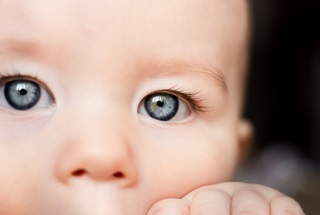
When a baby is born and they first open their eyes, you may see a pair of beautiful blue, brown or green. However, there is a lot of discussion around how eye colour changes, when and why. The after-hours home doctor experts at House Call Doctor have straightened the facts about your baby’s eye colours.

  • It takes at least 6 months to stabilise eye colour

Try not get too attached to the colour of your baby’s eyes when they are first born. The most dramatic changes occur between the ages of three and six months old. Babies’ eyes tend to fully change colour between 6 and 12 months, however in some cases it can take as long as 3 years of age for the permanent colour to set in.

  • Not all babies are born with blue eyes

While there is a common myth that all babies are born with blue eyes, this is not the case. Caucasian babies are typically born with grey or blue eyes, whilst many African American, Asian and Hispanic babies are born with brown or darker brown eyes, sometimes even looking black.

  • There’s no way to accurately predict eye colour

There is a lot that is not understood about how genes impact the eye colour of a baby. However, the final hue or colour of the eyes does depend on both parents’ eye colours and your genetic line.  Below are some probabilities to note when it comes to a baby’s eye colour:

  • If the mother and the father both have blue eyes, it’s significantly more likely the baby will also have blue eyes. It’s important to note it won’t happen every single time though.
  • If both parents have brown eyes, it’s very likely the baby will have brown eyes. However, if a grandparent on both sides of the family has blue eyes it is possible that the parents will pass on the blue eye gene.
  • If one parent has brown eyes and one parent has blue eyes, there is about a 50/50 chance the child will have blue eyes.