Category

Health

Category

Contact dermatitis can be a puzzling condition. It’s a skin reaction that occurs when the skin touches certain substances. This guide helps unravel its mysteries. Contact dermatitis might seem daunting, but understanding it can make a difference. Like the metro detroit food allergies community, many people seek answers and relief. Here’s a clear path to understanding and managing this condition. Let’s simplify the journey together.

What Is Contact Dermatitis?

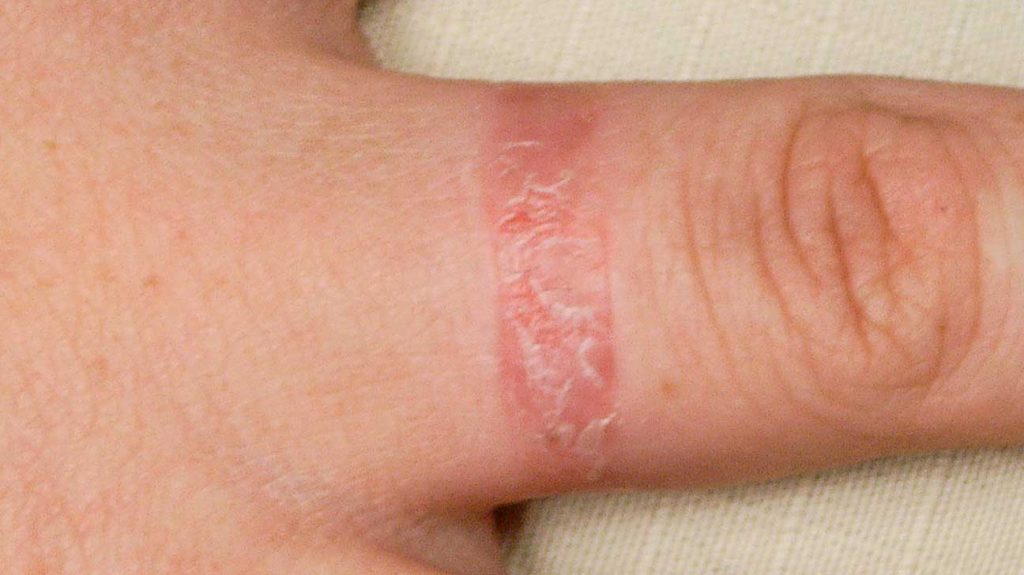
Contact dermatitis is the skin’s response to an irritant or allergen. When you touch something your skin doesn’t like, it can result in a rash. There are two main types: irritant contact dermatitis and allergic contact dermatitis. Irritant contact dermatitis happens when a substance damages the outer layer of your skin. Common irritants include detergents or solvents. Allergic contact dermatitis occurs when the immune system reacts to a substance. Metals like nickel or ingredients in cosmetics can be culprits.

Signs and Symptoms

Understanding the symptoms can help in managing contact dermatitis. Common signs include:

  • Redness and rash
  • Itching and swelling
  • Dry, cracked, or scaly skin

In severe cases, you might see blisters or crusty skin. Recognizing these signs early can lead to better management.

Common Triggers

Identifying triggers is key. Here’s a comparison table of common irritants and allergens:

Type Common Triggers
Irritant Contact Dermatitis Soaps, detergents, solvents, bleach
Allergic Contact Dermatitis Nickel, poison ivy, cosmetics, latex

Knowing these triggers helps in avoiding them, reducing the chances of a reaction.

Diagnosis and Testing

Diagnosis usually involves a physical exam and discussing your symptoms. A patch test might be used to identify allergens. During this test, tiny amounts of allergens are applied to the skin. After a few days, the doctor checks the skin for reactions. Patch tests are helpful in pinpointing the cause of allergic contact dermatitis.

Treatment Options

Once identified, managing contact dermatitis involves avoiding triggers and treating symptoms. Treatment options include:

  • Moisturizers to keep skin hydrated
  • Topical corticosteroids for reducing inflammation
  • Antihistamines to control itching

If symptoms persist, it’s important to consult a healthcare provider. Early treatment leads to faster relief.

Prevention Tips

Preventing contact dermatitis involves taking a few proactive steps:

  • Wear gloves when handling chemicals or cleaning agents
  • Choose cosmetics and skincare products labeled “hypoallergenic”
  • Patch test new products on a small area of skin before full use

These tips can help minimize the risk of a reaction. The Centers for Disease Control and Prevention offer additional resources on prevention and safety.

Conclusion

Contact dermatitis, while bothersome, can be managed effectively. Understanding triggers, recognizing symptoms, and following treatment plans bring relief. With awareness and care, living comfortably with contact dermatitis is achievable. This guide provides a stepping stone to better managing the condition, fostering healthier skin and peace of mind.

Residential treatment centers for youth adopt a holistic philosophy, recognizing that healing extends beyond addressing immediate concerns. These programs aim to treat the whole person, considering their physical, emotional, and social well-being. By taking a comprehensive approach, these centres ensure that the underlying causes of an individual’s struggles are identified and effectively addressed.

The therapeutic process within residential treatment centers is often tailored to each resident’s unique needs. This personalized approach allows for the development of customized treatment plans, ensuring that the specific challenges and goals of each teen are considered. These holistic programs provide a solid foundation for long-term recovery and personal development, whether managing anxiety or improving impulse control.

Creating a safe and supportive environment

A cornerstone of successful teen residential treatment is the creation of a safe and supportive environment. These centers focus on the emotional and physical well-being of their residents, creating an environment built on trust. The staff, including therapists, counselors, and support personnel, are trained to deliver exceptional care and compassion, ensuring every teen feels appreciated and respected.

The physical space within these centres is designed with the resident’s comfort and privacy in mind. Cosy common areas, private bedrooms, and access to outdoor spaces contribute to a homely atmosphere, making the transition into residential treatment less daunting. All residents benefit from strict safety protocols, which ensure that a healing environment exists.

Therapeutic modalities and activities

Residential treatment centers offer a diverse range of therapeutic modalities and activities to engage and support their residents. Various approaches may be required to address multiple challenges in these programs since healing is a multifaceted process. Some of the therapeutic techniques utilized include:

  1. Individual therapy – One-on-one sessions with a therapist allow teens to explore their thoughts and emotions in a safe and confidential setting. This therapy helps residents process their experiences, develop coping strategies, and set personal goals.
  2. Group therapy – Group sessions provide a supportive environment for teens to connect with their peers, share experiences, and learn from one another. It is common for these groups to focus on specific themes, such as anger management or recovery from substance abuse.
  3. Family therapy – Involving the family in the therapeutic process is crucial for long-term success. Family therapy sessions help repair relationships, improve communication, and address any underlying family dynamics that may contribute to a teen’s challenges.
  4. Recreational therapy – Engaging in fun and recreational activities is an essential aspect of residential treatment. Activities such as sports, art therapy, and outdoor adventures boost physical well-being and self-expression.

The role of residential treatment centers for youth is to offer specialized care, ensuring that adolescents receive the guidance they need for growth. These centres provide a structured and nurturing environment, allowing teens to focus on their healing journey without the distractions and triggers of their everyday lives. The comprehensive approach taken by these programs ensures that residents receive the necessary tools and skills to manage their struggles effectively. By creating a supportive environment, residential treatment centers empower teens to take control of their lives and make positive changes. The sense of community and the bonds formed within these centres often lead to lasting friendships and a strong support network, even after the completion of the program.

Lyme disease can cause many challenges, including foot and ankle issues. Podiatrists play a key role in managing these problems. They help by diagnosing conditions and offering care strategies. In some cases, foot and ankle surgery utah specialists might be needed to address severe problems. Podiatrists focus on reducing pain, improving mobility, and enhancing overall quality of life. Their work ensures that patients with Lyme disease find relief and function better.

Understanding Lyme Disease and Its Impact on Feet

Lyme disease, caused by tick bites, can affect various parts of the body, including the feet. Symptoms such as joint pain, swelling, and muscle weakness often appear. These symptoms can lead to discomfort and affect daily activities. Early diagnosis and treatment are crucial in managing these symptoms.

The Importance of Early Detection

Detecting foot conditions early can prevent further complications. Podiatrists examine the feet for signs of Lyme disease-related issues. They assess swelling, pain areas, and mobility limitations. This helps in creating an effective care plan. According to the Centers for Disease Control and Prevention, awareness and education about Lyme disease are key in reducing its impact.

Podiatrists’ Approach to Treatment

Podiatrists use a range of treatments to manage foot conditions. These include:

  • Physical therapy
  • Orthotic devices
  • Medication for pain and inflammation

Physical therapy helps improve strength and flexibility. Orthotic devices provide support and comfort. Medication reduces pain and swelling. With these treatments, podiatrists focus on restoring function and easing discomfort.

When Surgery is Needed

In severe cases, surgery may become necessary. Conditions like persistent swelling or joint damage may not respond to non-surgical treatments. Podiatrists work with surgeons in these instances. Surgery can correct deformities or relieve severe pain. It’s critical to evaluate all options before deciding on surgery.

Comparison of Treatment Options

Treatment Pros Cons
Physical Therapy Improves mobility, strengthens muscles Requires time and consistency
Orthotic Devices Provides support, custom fit May not address all pain areas
Medication Reduces pain and inflammation Possible side effects
Surgery Can correct severe issues Invasive, requires recovery time

Living with Lyme Disease

Managing Lyme disease is ongoing. It involves regular check-ups and monitoring symptoms. Podiatrists play an essential role in this process. They not only address current issues but also help prevent future complications.

Education and Prevention

Education is vital in preventing Lyme disease and its complications. Understanding how to avoid tick bites can reduce risk. Proper clothing, using insect repellent, and checking for ticks after outdoor activities are simple yet effective steps. The National Institute of Allergy and Infectious Diseases offers resources on prevention and management.

Conclusion

Podiatrists are key players in managing foot conditions related to Lyme disease. Through early detection, effective treatment, and patient education, they help improve the quality of life for those affected. Their dedication ensures that patients maintain mobility and comfort, even in the face of challenges. Regular care and preventive measures are essential in navigating life with Lyme disease.

In an era marked by rapid technological advancement, the field of mental health care is undergoing a significant transformation. While traditional face-to-face therapy remains invaluable, it often presents challenges related to accessibility and cost. The emergence of online counseling, or e-counseling, represents a groundbreaking shift that brings professional mental health support directly into individuals’ homes. Leading this digital revolution is Dr. Bonnie Wims and her team, who are redefining the standards of mental health care in a more inclusive and efficient manner.

Overcoming Barriers to Access and Affordability

Accessing mental health services has traditionally been challenging for many individuals due to a variety of obstacles, such as geographical limitations, scheduling conflicts, and financial constraints. Those situated in remote locations, leading demanding lifestyles, or facing economic pressures, often find it difficult to seek the necessary support. Additionally, the stigma associated with mental health issues can further discourage individuals from seeking help, resulting in them having to navigate their struggles on their own. However, online mental health counseling has emerged as a valuable solution, offering a way to overcome these barriers. It provides a flexible and accessible means for individuals to receive the support they need, regardless of their physical location or financial situation.

Online counseling has emerged as a game-changing solution, particularly in areas where mental health services are scarce or difficult to access. Utilizing technology to facilitate therapy through video calls, messaging, and emails, e-counseling effectively removes geographical barriers. This approach has become increasingly essential in today’s society, especially amid travel restrictions and the rising demand for accessible mental health resources.

Dr. Bonnie Wims and her associates are at the forefront of this digital evolution, diligently working to expand the reach and affordability of mental health care through e-counseling. Their team of licensed professionals is dedicated to providing exceptional care to clients around the world, effectively bridging the gap created by geographical limitations.

mental health counseling

The Advantages of Online Counseling with Dr. Bonnie Wims & Associates

Dr. Bonnie Wims and her team deliver top-quality online mental health counseling, making it accessible to anyone with an internet connection. This approach is particularly beneficial for those living in remote or underserved areas where traditional therapy options may be limited.

One of the most significant benefits of e-counseling is its cost-effectiveness. By eliminating the expenses associated with maintaining physical office spaces, therapy becomes more affordable. Dr. Wims and her associates prioritize delivering high-quality mental health care at accessible price points, easing the financial burden for those seeking support.

Another advantage of online counseling is its unparalleled flexibility. Clients can schedule sessions at their convenience, seamlessly integrating therapy into their daily routines. This adaptability helps clients maintain consistency in their therapeutic journey, enhancing the overall effectiveness of their treatment.

Furthermore, online counseling offers a level of privacy that can reduce the stigma often associated with seeking mental health services. The anonymity of e-counseling encourages more individuals to embark on their healing journeys. Receiving therapy in a familiar and comfortable environment fosters an ideal setting for emotional and psychological recovery.

A New Era in Mental Health Care

The rise of online counseling, championed by Dr. Bonnie Wims and her team, marks a significant advancement in the quest for accessible and affordable mental health care. By harnessing digital innovation to overcome traditional barriers, e-counseling ensures that comprehensive mental health support is available to everyone, regardless of their circumstances. This transformation underscores a vital shift in recognizing mental health as equally important as physical health and reflects ongoing progress toward making essential mental health care universally accessible.