
Category

Pain Management

Category

Neck pain is a common complaint among adults, affecting approximately two-thirds of the population at some point in their lives. While neck pain can be caused by physical factors such as poor posture or injury, it’s important to also consider the role that stress and anxiety play in this condition. In this article, we will discuss how these psychological factors can contribute to neck pain and provide tips for managing the connection between stress, anxiety, and neck pain.

Understanding Stress and Anxiety

Before diving into how stress and anxiety affect neck pain, it’s important to understand what these terms mean. Stress is a natural response to perceived threats or challenges. External factors, such as work deadlines or financial pressures, and internal factors, such as worrying thoughts, can cause it. Stress can manifest physically in the body, leading to symptoms like muscle tension and pain.

Anxiety, on the other hand, is a feeling of fear or unease about potential future events. While it’s normal to experience anxiety from time to time, chronic or excessive anxiety can have a negative impact on both mental and physical health. Anxiety can also contribute to muscle tension and pain, especially in the neck and shoulders.

The Connection Between Stress, Anxiety, and Neck Pain

Stress and anxiety can contribute to neck pain in several ways. First, when we experience stress or anxiety, our muscles tend to tense up. This can lead to tightness and stiffness in the neck muscles, causing discomfort or pain. Chronic stress and anxiety can also affect our sleep patterns. Lack of quality sleep can lead to fatigue and muscle tension, which in turn can result in neck pain.

Furthermore, people who experience chronic stress or anxiety may engage in behaviors such as teeth clenching or jaw grinding, which can put extra strain on the neck muscles. Lastly, research has shown that psychological distress, including stress and anxiety, can contribute to the development of chronic pain conditions such as fibromyalgia. This suggests that managing stress and anxiety may also help prevent or alleviate neck pain.

Managing Stress, Anxiety, and Neck Pain

There are several strategies that can help manage the connection between stress, anxiety, and neck pain:

  1. Practice relaxation techniques: Neck pain can be managed through techniques such as deep breathing, meditation, and progressive muscle relaxation, which can help reduce stress and anxiety, thereby easing tension in the neck muscles.
  2. Exercise regularly: Physical activity has been shown to be an effective way to manage stress and anxiety. Regular exercise can also help improve posture and strengthen the muscles in the neck, reducing the likelihood of pain.
  3. Seek support: Talking to a trusted friend or family member or seeking professional therapy can provide a sense of relief and help manage stress and anxiety.
  4. Use heat therapy: Applying a warm compress or taking a hot shower can help relax tense muscles in the neck, providing temporary pain relief.
  5. Take breaks from screens: Too much screen time can contribute to both stress and neck strain. Taking regular breaks throughout the day can alleviate tension in the neck muscles and reduce eye strain.
  6. Get quality sleep: Making sure to get enough high-quality sleep can help manage stress and anxiety, as well as alleviate muscle tension and pain in the neck.
  1. Seek a pain specialist: It is also important to seek a pain specialist for neck pain in Omaha so that they can provide a comprehensive treatment plan that considers the connection between stress and anxiety. This may include physical therapy, medication, or other interventions.

Conclusion

While neck pain can have physical causes, it’s important to also consider the role of stress and anxiety in managing this condition. By understanding how these psychological factors contribute to neck pain and implementing strategies to manage them, individuals can find relief and improve their overall well-being. If you are experiencing chronic neck pain, be sure to consult a healthcare professional for personalized treatment recommendations. Remember, taking care of your mental health is just as important as taking care of your physical health. So, prioritize stress management and self-care practices to prevent or manage neck pain in the long run.

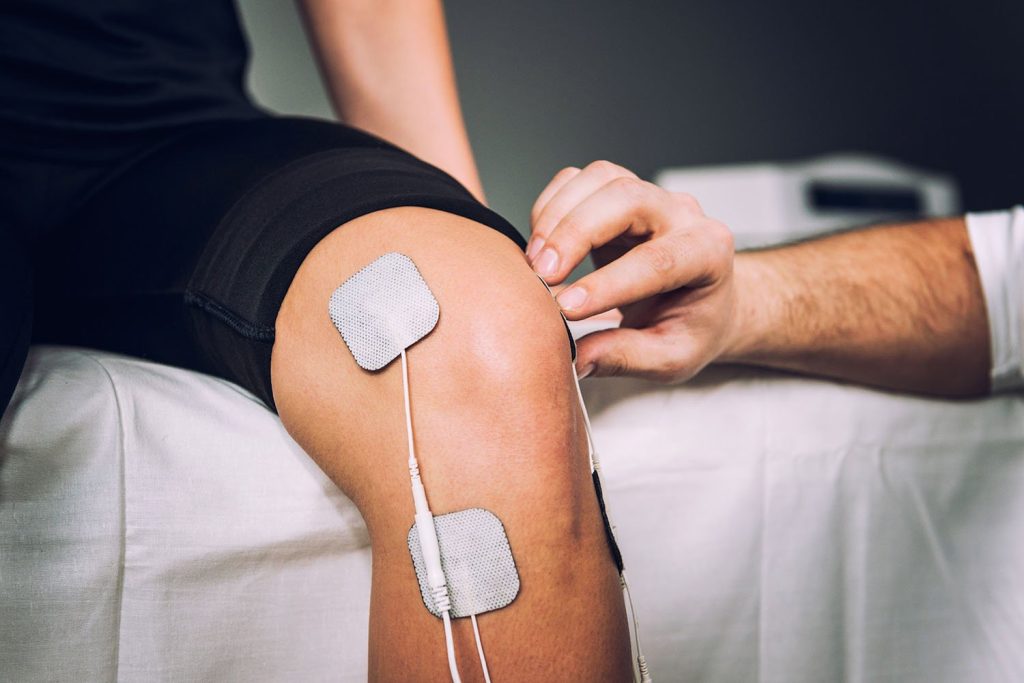
Imagine the sharp, sudden pain that takes hold of you, unexpectedly. You’re in Oviedo, the historic buildings blurring as you struggle to maintain your focus. This is neuropathy oviedo. And it feels like a relentless, unending battle. But there’s hope. Enter the Pain Management Specialist. They’re the ones who dive headfirst into your world of pain, making it their mission to understand, counteract, and ultimately, control it. They’re the unseen warriors, equipped with knowledge and dedication, fighting to ease your suffering.

Who Are Pain Management Specialists?

These specialists are doctors with unique training. They studied medicine, yes, but they went further. They delved into the world of pain, trying to decode its language. They are the detectives of the medical world. They’re on a quest: to tame your pain and bring you relief.

What Do They Do?

Their mission is simple but far from easy. They work to control your pain. They use a variety of methods, depending on your specific pain profile. They might prescribe medications, recommend physical therapy, or use nerve blocks. Their approach is tailored to you, to your pain.

Why See a Pain Management Specialist?

Picture your life without pain. Imagine waking up without that familiar throb, that constant reminder of your neuropathy. Pain Management Specialists can help paint this picture into reality. They can provide treatments that may reduce, and in some cases, even eliminate your pain. They can offer a path towards a better, more comfortable life.

Where Can You Find Them?

Seeking a Pain Management Specialist in Oviedo? You’re in luck. Oviedo is home to a number of these dedicated professionals. They’re here, waiting to meet you, eager to join your fight against pain.

What’s the Next Step?

Take a step towards a life less dominated by pain. Reach out to a Pain Management Specialist. Start a conversation. Share your pain story. They’re ready to listen, to understand, to help. They’re ready to start this journey with you.

Remember This

Neuropathy Oviedo, you’re not alone. Pain might be part of your story right now, but it doesn’t have to define you. Pain Management Specialists are here. They’re ready to fight this battle alongside you. They’re ready to turn the tide.

Imagine living in a world where pain is your constant companion. It’s not a pleasant thought, is it? But for many, this is a stark reality. Now, imagine a place where professionals dedicate their lives to help you manage and conquer that pain. Welcome to the world of pain management specialists. We use a wide array of techniques, from traditional methods to more advanced procedures like kyphoplasty greenbelt. This blog aims to take you on a journey, exploring the various therapies we employ to give the people some well-deserved relief. We’ll delve into how these techniques work and how they’re transforming lives. So, let’s get started, shall we?

The Power of Pain Management

Pain is not just physical. It’s emotional, mental, spiritual. It can break a person, drain their joy and zest for life. But pain management can help. It doesn’t just ease the physical symptoms. It helps rebuild lives. It gives hope. It restores happiness. Here’s how.

Traditional Techniques

Think of pain management and you might picture medication. Pills. Injections. It’s the go-to solution for many. And yes, medication plays a key role. But it’s not the only option. Physical therapy can work wonders. So can exercise. These methods can encourage your body to heal itself. They can strengthen your muscles, improve your mobility, boost your mood.

Advanced Procedures

Then we have the high-tech solutions. The future of pain management. Procedures like kyphoplasty greenbelt. It’s a minimally invasive surgery. It treats spinal fractures caused by osteoporosis. It involves injecting a special cement into the vertebral body. The result? Pain relief. Improved quality of life. It’s just one of many advanced procedures we use.

Alternative Therapies

Our toolkit also includes alternative therapies. Acupuncture. Hypnotherapy. Mindfulness. These techniques tap into the mind-body connection. They can help you manage stress. They can boost your mental health. They can provide relief from chronic pain. Don’t underestimate their power.

The Journey Ahead

This is just the beginning. The world of pain management is vast. It’s evolving. New therapies. New techniques. New hope for those living with pain. So join us on this journey. Learn about the power of pain management. Discover how it’s transforming lives. And remember, you’re not alone. We’re here to help.

When you’re bent over in pain, the last thing you’re thinking about is getting up and going for a jog. Yet, in the heart of urgent care san antonio, we’re seeing a seismic shift in the way we approach pain management. Exercise, once considered the enemy of aching muscles, is now a formidable ally in the fight against chronic pain. It’s no magic remedy, but it’s a crucial part of a multi-faceted solution. In this blog, we’re taking a deep dive into this concept, unraveling the role exercise plays in managing pain.

Moving Beyond Pain

Imagine waking up one morning, stiff and sore from a long night’s sleep. Now imagine enduring that pain day in and day out. That’s the reality for countless individuals grappling with chronic pain. It’s a burdensome cloud that hangs overhead, casting a dismal shadow over life’s simplest pleasures. But there’s a silver lining. That silver lining is exercise.

The Role of Exercise

Exercise stimulates the body in a way that promotes healing and reduces discomfort. It encourages blood flow, strengthens muscles, and promotes flexibility. It’s a natural antidote to the stiff, aching joints that plague those with chronic pain. But it’s not a one-size-fits-all solution. The effectiveness of exercise in pain management hinges on the type, frequency, and intensity of the physical activity.

The Right Exercise For You

So, what’s the right exercise for managing pain? It varies. For some, it’s a brisk walk in the park. For others, it’s a tranquil yoga session. The key is to engage in an activity that boosts your heart rate without exacerbating your pain. It’s a delicate balance that requires careful consideration and perhaps some professional input.

Sticking to a Routine

Maintaining consistency is crucial. It’s not enough to engage in physical activity once and expect miracles. It’s a gradual process that demands dedication. But don’t be disheartened. You’re not expected to run a marathon or lift heavy weights. Simple, low-impact exercises can work wonders. Think along the lines of swimming, cycling, or even dancing.

Importance of Professional Guidance

Lastly, it’s essential to seek professional guidance before diving headfirst into a new exercise regime. A pain management specialist can tailor an exercise program to suit your specific needs and limitations. They can help you navigate the rough waters of pain management and steer you towards a place of comfort and relief.

In conclusion, exercise holds a pivotal role in managing pain. It’s not a cure-all, but it’s an instrumental piece of the puzzle. And remember, you’re not alone in this journey. Professionals in urgent care San Antonio are here to guide you every step of the way.