Category

Skin Care

Category

Wrinkles, those fine lines and creases that gradually etch their way onto our skin, are a common concern as we age. The quest for youthful, wrinkle-free skin has led to the development of various non-surgical wrinkle removal treatments. Among these treatments, BTX, stands out as a prominent and effective solution. In this article, we will delve into the causes of wrinkles and explore modern techniques for wrinkle removal, with a particular focus on BTX.

Understanding the Causes of Wrinkles

Before diving into wrinkle removal techniques, it’s essential to understand what causes wrinkles in the first place. Wrinkles can be attributed to several factors, including:

Aging: The natural aging process leads to a reduction in the production of collagen and elastin, which are responsible for keeping our skin firm and supple. As these proteins diminish, our skin becomes less elastic and more susceptible to wrinkles.

Sun Exposure: Prolonged exposure to the sun’s harmful UV rays can accelerate the aging of our skin. UV rays break down collagen and elastin, leading to premature wrinkling.

Smoking: Smoking is notorious for its detrimental effects on the skin. It narrows blood vessels in the skin’s outermost layer, reducing blood flow and depleting the skin of essential nutrients and oxygen.

Facial Expressions: Repeated facial expressions, such as frowning or squinting, can lead to the formation of dynamic wrinkles. Over time, these dynamic wrinkles can become more prominent and appear as fine lines and creases.

Dehydration: Proper hydration is crucial for maintaining skin elasticity. When the skin lacks moisture, it can become dry and prone to wrinkling.

Now that we understand the root causes of wrinkles, let’s explore the modern techniques available for wrinkle removal, with a particular emphasis on BTX.

Modern Wrinkle Removal Techniques

BTX Injections:

BTX, has revolutionized the field of wrinkle removal. This non-surgical treatment involves injecting a purified form of the botulinum toxin into targeted muscles. BTX works by temporarily paralyzing these muscles, which reduces the appearance of wrinkles caused by repetitive facial expressions. It is particularly effective for treating crow’s feet, forehead lines, and frown lines.

The procedure is quick, relatively painless, and requires no downtime. Results typically become noticeable within a few days and can last for several months. Regular maintenance sessions are necessary to maintain the desired effect.

Dermal Fillers:

Dermal fillers are another popular non-surgical option for wrinkle removal. These injectable substances, such as hyaluronic acid or collagen, are used to plump and fill wrinkles and lines. Dermal fillers are versatile and can address various types of wrinkles, including nasolabial folds and marionette lines.

The procedure is minimally invasive and provides immediate results. While the effects are not permanent, they can last anywhere from several months to a year, depending on the type of filler used.

Chemical Peels:

Chemical peels involve applying a chemical solution to the skin’s surface to remove the top layer of damaged skin. This encourages the growth of new, smoother skin with reduced wrinkles and fine lines. Chemical peels come in different strengths, allowing for customization to the patient’s needs.

The recovery time after a chemical peel varies depending on the depth of the peel but is generally shorter than with surgical procedures. Patients may experience some redness and peeling, but these side effects are temporary.

Microdermabrasion:

Microdermabrasion is a non-invasive procedure that exfoliates the outer layer of the skin, promoting the growth of fresh, smoother skin. It is effective for reducing fine lines, sun damage, and mild scarring. During the treatment, a handheld device sprays tiny crystals onto the skin’s surface, which are then vacuumed away along with dead skin cells.

This procedure is painless and requires no downtime. Multiple sessions may be necessary for optimal results.

Laser Therapy:

Laser therapy, or laser skin resurfacing, utilizes concentrated beams of light to target and remove damaged skin cells. This stimulates collagen production, leading to smoother, more youthful-looking skin. Laser therapy is effective for treating wrinkles, age spots, and uneven skin tone.

Recovery time varies depending on the type of laser used, but patients can expect some redness and swelling. Results become more noticeable over time as collagen production increases.

The Benefits of BTX for Wrinkle Removal

While various non-surgical wrinkle removal treatments are available, BTX continues to be a popular choice for many. Here are some of the key benefits of BTX:

Quick and Convenient: BTX injections are a swift and straightforward procedure that can be done during a lunch break, making it a convenient option for those with busy schedules.

Minimal Discomfort: The procedure is relatively painless, with most patients experiencing only mild discomfort, if any.

Effective: BTX is highly effective at reducing the appearance of dynamic wrinkles caused by facial expressions.

No Downtime: Unlike surgical options, BTX requires no downtime, allowing patients to resume their regular activities immediately after treatment.

Natural-Looking Results: When administered by a skilled practitioner, BTX injections provide natural-looking results that do not result in a “frozen” or overly artificial appearance.

Long-Lasting: While not permanent, the effects of BTX can last for several months, offering a long-lasting solution for wrinkle removal.

In conclusion, the desire for youthful, wrinkle-free skin has led to the development of various non-surgical wrinkle removal techniques. Among these, BTX, remains a standout choice due to its effectiveness, convenience, and minimal downtime. However, the right treatment option for you depends on your individual needs and goals. Consult with a qualified dermatologist or cosmetic surgeon to determine the most suitable wrinkle removal approach and regain that youthful glow you desire.

Wrinkles are a natural part of the aging process, and they can be caused by a variety of factors. Fine lines, deep creases, and sagging skin can all contribute to an aged appearance, but fortunately, there are several non-surgical treatments available to reduce and even erase wrinkles. From BTX treatments to thread lifts, there are multiple non-surgical wrinkles treatments in Singapore to help you achieve a more youthful and revitalized appearance.

Understanding The Causes Of Wrinkles

Understanding the causes of wrinkles is essential for those seeking non-surgical treatments to remove them. Wrinkles are a natural part of the aging process, resulting from a combination of factors such as decreased collagen production, loss of elasticity, and sun exposure. Other factors such as smoking, poor diet, stress, and genetics can also contribute to the development of wrinkles. Fortunately, there are several effective non-surgical treatments available to address these concerns.

Types Of Wrinkles And Their Characteristics

Wrinkles are an inevitable part of the aging process and can be caused by various factors such as genetics, sun exposure, smoking, and repetitive facial movements. Understanding the types of wrinkles and their characteristics is crucial in determining the appropriate non-surgical treatment to remove wrinkles. There are two main types of wrinkles: dynamic wrinkles and static wrinkles.

Dynamic wrinkles are formed by repetitive facial movements, such as smiling or frowning, and are typically found around the eyes, forehead, and mouth. Static wrinkles, on the other hand, are caused by natural aging and are visible even when the face is at rest. They are commonly found in areas with less elasticity, such as the cheeks and neck.

Most Effective Treatments to Remove Wrinkles

BTX Injections

BTX (Botulinum Toxin) is a popular non-surgical treatment that is used to reduce and eliminate wrinkles. This treatment involves injecting a small amount of the botulinum toxin into the muscles that cause wrinkles, which temporarily paralyzes them and prevents them from contracting. This results in a smoother and more youthful appearance. BTX is particularly effective in treating wrinkles that are caused by repeated facial expressions, such as frown lines, forehead wrinkles, and crow’s feet. The treatment is quick, safe, and requires no downtime, making it a popular choice among individuals seeking a non-invasive solution to their wrinkles. However, it is important to consult with a qualified and experienced medical professional to ensure that the treatment is appropriate for you and to achieve optimal results.

Dermal Fillers

Among the non-surgical wrinkles treatments in Singapore, dermal fillers have been a popular choice due to their effectiveness. The most common type of dermal filler is hyaluronic acid, a substance naturally found in the body that helps keep skin plump and hydrated.

Dermal fillers can be used to treat various areas of the face, including the cheeks, under eyes, and lips. The effects of dermal fillers can last up to several months, depending on the type of filler used, the area treated, and the individual’s metabolism. However, as with any cosmetic procedure, it is important to consult with a qualified professional to determine the best course of treatment for your individual needs and goals.

Profhilo

Profhilo is a new and innovative non-surgical treatment that has taken the aesthetic industry by storm. It is a type of injectable treatment that works to stimulate collagen and elastin production, thereby providing a natural lift and tightening effect to the skin. This treatment is ideal for those looking for a more subtle and natural-looking rejuvenation, as it provides a fresh and youthful appearance without the need for surgery.

Pico Laser Treatment

One of the most advanced non-surgical treatments for wrinkles is Pico laser treatment. This type of laser technology is highly effective in reducing the appearance of fine lines, wrinkles, and age spots. It works by delivering ultra-short pulses of energy to the skin, which targets the underlying dermal layer without causing any damage to the surrounding tissue.

Pico laser treatment stimulates collagen production, which helps to plump and firm the skin, resulting in a more youthful appearance. If you’re considering non-surgical wrinkle treatments, Pico laser should be on your radar as a highly effective and safe option.

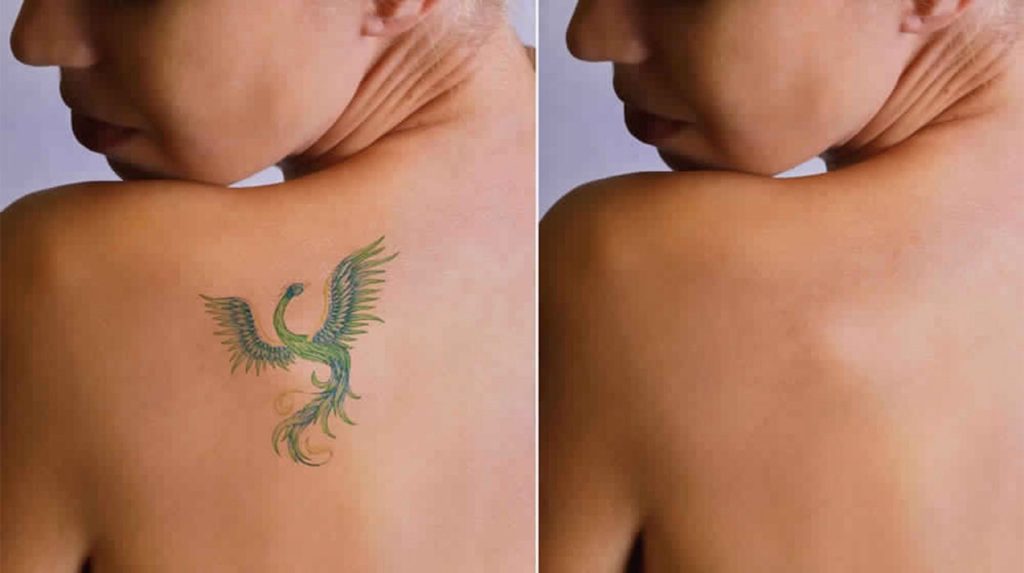
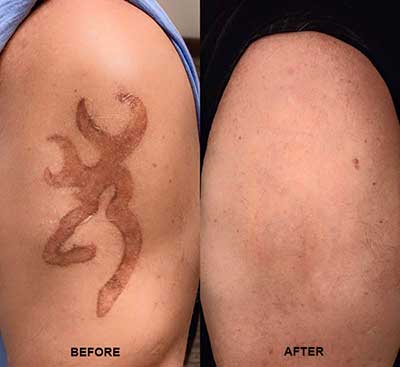
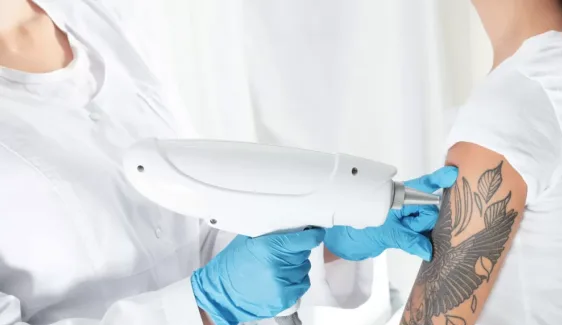
From the tribal marks of the ancient civilizations to the sophisticated art forms we see today, tattoos have been a part of human culture for thousands of years. But just as our reasons for getting tattoos vary widely, so do our motivations for wanting to remove them. Whether it’s a name of an ex-lover inked on your forearm or a half-finished piece of artwork that no longer resonates with you, there might be a point in your life when you want to erase what once seemed permanent. One of the most common methods for doing this is laser tattoo removal. But before you decide to zap away your body art, it’s important to be aware of the potential side effects.

1. Pain

If you thought getting a tattoo was painful, brace yourself because laser removal can be even more uncomfortable. Although clinics usually provide some form of anesthesia, most patients still report experiencing some level of pain during the process.

2. Skin Discoloration

The laser used to break down the tattoo ink can also alter the melanin in your skin, leading to hyperpigmentation (darkening of the skin) or hypopigmentation (lightening of the skin). These changes can be permanent, especially for individuals with darker skin tones.

3. Infection

As with any procedure that disrupts the skin’s surface, there’s always a risk of infection. To prevent this, it’s crucial to follow the aftercare instructions provided by your healthcare provider.

4. Scarring

Scarring is another possible side effect of laser tattoo removal. The laser can lead to the formation of keloids, which are raised scars that extend beyond the original injury.

5. Incomplete Tattoo Removal

Finally, not all tattoos can be completely removed. Factors like the color and type of ink used, the age and location of the tattoo, and the individual’s skin type can all affect the success of the procedure.

Given these potential side effects, some folks might find themselves reconsidering laser removal and looking for safer, more natural methods. If you fall into that category, you might want to check out my Laserless Tattoo Removal guide. It offers a step-by-step approach to dissolving ink in your skin, eliminating unwanted tattoos without the use of lasers.

It’s also worth noting that some other lifestyle choices can help maintain skin health and potentially assist in fading tattoos naturally. For instance, a diet rich in specific foods and beverages, such as those found in 7 Summer Smoothie Recipes for Rapid Weight Loss, can provide your body with the necessary nutrients for skin regeneration.

Non-Laser Tattoo Removal - August 1, 2016 – Brannick Clinic of Natural  Medicine

In the end, the decision to remove a tattoo and the method you choose to do it with is a personal one. It’s important to weigh the pros and cons of each option and consult with a professional. If you are considering laser tattoo removal, understanding the potential side effects is an essential part of making an informed decision.

Furthermore, should you decide to opt for a more natural and laserless route, keep in mind that skin care is vital. One particular article that grabbed my attention is 5 Surprising Benefits of a Soup-Based Diet. It discusses how a soup-based diet not only helps in weight loss but can also have a positive impact on your skin health. Taking care of your overall health, including your skin, is crucial whether you decide to remove your tattoos or not.

Remember, whether it’s on the skin or underneath it, beauty is subjective. You have the right to change your mind about a tattoo, just as you had the right to get one in the first place. After all, it’s your body, and you should feel comfortable and confident in it.

Picosure Laser vs Q Switch tattoo removal. Which is best? · Lynton Clinic

Considering Your Options: Laser Vs. Laserless

When it comes to tattoo removal, you essentially have two options: laser and laserless methods. As we’ve discussed, laser removal involves using a high-powered beam to break down the ink in your skin. This method, while effective, can lead to various side effects such as pain, skin discoloration, infection, scarring, and potentially incomplete removal.

Tattoo Removal Treatment in Pune

On the other hand, laserless tattoo removal methods use natural techniques such as creams, salves, or even dermabrasion to remove or fade the tattoo. These methods are generally less painful and less likely to lead to skin discoloration or scarring. However, they also take longer to show results, and the efficacy can vary significantly depending on the specifics of the tattoo and the person’s skin.

Making the Right Choice

Choosing between laser and laserless tattoo removal should not be a decision taken lightly. It’s important to weigh the pros and cons of both methods and consider your own personal circumstances. Factors like your skin type, the size, color, and age of your tattoo, and your pain tolerance should all be taken into account.

You might find it beneficial to consult with a professional to help make your decision. Dermatologists, plastic surgeons, and even experienced tattoo artists can provide valuable insight and advice based on their knowledge and experience in the field.

The Role of Aftercare

Regardless of the method you choose for tattoo removal, aftercare plays a crucial role in the success of the procedure and the overall health of your skin. Following the aftercare instructions provided by your healthcare provider can minimize the risk of infection and scarring and promote faster healing.

Tattoo Aftercare: A Derm's Guide to Tattoo Skin Care

Proper aftercare may include keeping the area clean and dry, avoiding sun exposure, and applying recommended creams or ointments. Additionally, maintaining a healthy lifestyle, including a balanced diet and regular exercise, can support your body’s natural healing process and improve your skin’s health and appearance.


Ptosis or drooping eyelids, while common with age, can also occur in younger individuals. In children, also referred to as congenital ptosis, it is usually caused by improper levator muscle development. Such kids may also develop amblyopia, commonly referred to as lazy eye. Besides aging and development concerns, ptosis could also be caused by conditions like diabetes, stroke, horner syndrome, tumor (behind/around the eye), and eyelid swelling. Ptosis Peoria surgery can offer a permanent solution unlike ptosis props fitted to glasses that only lift the eyelid when worn. Let us take a glance at ptosis surgery to help you make a more informed decision.

The procedure

Ptosis surgery takes, on average, 40-90 minutes. This depends on the extent of the drooping and whether one or both eyelids need the correction. The surgery is done under local anesthesia. The surgeon makes an incision on the skin crease of the eyelid and places stitches in the levator muscle. This is to strengthen the muscle’s attachment to the eyelid and adjust its height.

Recovery

You can be discharged after a few hours following the surgery. To facilitate smooth recovery, you are advised to avoid wearing eye makeup or getting the eyelids wet, including avoiding swimming for the first few weeks. You are advised against strenuous activities or bending down before the stitches are removed. You should also avoid direct sunlight, more so on your face. Avoiding alcohol also helps during the recovery process.

Preparation

Ptosis surgery does not require considerable preparation. Nonetheless, you can take some steps to ensure your body is primed for the procedure, limiting the chances of complications. The preparation tips include the following:

  • Weight management: Excess weight puts you at high risk of complications following any surgery
  • Quit smoking: Smoking exposes you to many post-surgical risks, including delayed healing, infections, and impaired organ functions.
  • Exercise: Physical activity promotes overall health, which helps during recovery and long-term health.
  • Diet: A healthy diet empowers your body, making it easier to respond accordingly after the surgery to facilitate faster and smooth healing.
  • Medication: Talk to your doctor about any active prescription or over-the-counter medication. This will help ensure your medications are factored in, which is important since some put you at high risk of concerns like bleeding. You also need to ensure your prescriptions are in order, such as if you are managing chronic conditions. The healthier you are before the procedure, the safer and more successful it gets.

The risks and complications

Like any other invasive procedure, ptosis surgery comes with risks, including surgical site infection, bleeding, and allergic reactions to the medication, materials, and/or equipment used. Ptosis surgery-specific complications are also possible. This includes under/over correction, corneal abrasion, bleeding into the eye socket, and cosmetic concerns.

Ptosis surgery entails lifting the eyelid, which improves vision and looks. The surgery is relatively safe, offers effective correction, and the result lasts long. Call or visit Arizona Ocular & Facial Plastic Surgery for more on ptosis surgery.