
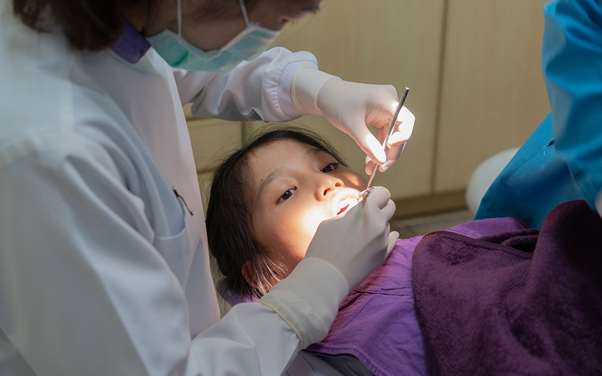
Visiting a new family dentist can be an unfamiliar experience, especially if you’re seeking care for both adults and children. Whether you’ve recently moved to Novena or are switching providers, knowing what to expect during your first appointment helps ease any anxiety and ensures you’re well-prepared. A dentist in Novena offering family dental services typically caters to all age groups, focusing on preventive care and patient education. Understanding the common steps involved during your first visit and what documents to bring can ensure you make the most of your appointment.
Booking and Preparing for Your Appointment
When you first contact a family dentist, the clinic will request basic details such as medical history, previous dental treatments, and specific concerns. This allows the dental team to create a tailored approach for each family member. If you’re visiting a dentist in Novena with your child, bring along any previous dental records if available, and prepare your child by explaining what a dentist does in simple terms. Being transparent helps children develop trust and reduces anxiety.
Some clinics may require you to list down medications or health conditions, especially if they could affect treatment. For example, individuals with diabetes or heart conditions may require specific care protocols. Remember to note any symptoms you’ve experienced recently, such as tooth sensitivity, bleeding gums, or jaw discomfort. This information helps the dentist address current concerns efficiently during your first consultation.
Questions to Ask During Your First Visit
To make your visit more productive, consider asking relevant questions. For example, if you’re concerned about gum sensitivity or frequent cavities, ask for advice on preventive care. If you’re looking for guidance for your child, enquire about fluoride treatments, sealants, or tips for brushing correctly.
Understanding the clinic’s approach to long-term dental care is also crucial. Enquire about scheduling regular check-ups, managing dental anxiety, and emergency procedures. This approach ensures you’re addressing your immediate concerns and planning for consistent care moving forward.
What Happens During the Initial Check-Up
The first visit typically starts with a comprehensive oral examination, where the dentist will inspect for cavities, gum health, jaw alignment, and any signs of oral diseases. They may take X-rays if needed, especially if it’s been a while since your last set. For children, the dentist may assess tooth development and spacing to ensure healthy oral growth.
Your family dentist will also discuss oral hygiene practices and offer tips specific to each family member’s age group. You might also receive a professional cleaning, depending on the clinic’s procedures and the condition of your teeth. This process includes scaling to remove plaque and tartar build-up, followed by polishing for a smooth finish. If any immediate issues are detected, the dentist may propose a follow-up visit or further diagnostics.
Understanding Family Dental Plans and Follow-Ups
After the check-up, the dental team will usually discuss any recommended treatment plans, including fillings, orthodontic assessments, or regular cleanings. They’ll also advise how often each member of your family should return for check-ups, typically every six months. A dentist in Novena may also offer additional services such as oral cancer screenings or night guards for those who grind their teeth.
Many family dentists provide appointment reminders or flexible booking options, which can be helpful for households with tight schedules. Some clinics also offer family packages, which allow multiple members to receive care on the same day, saving both time and travel.
Conclusion
Your first visit to a family dentist in Novena establishes a foundation for long-term oral health for you and your loved ones. From comprehensive evaluations to tailored advice, a good first impression sets the tone for consistent dental care. Ask questions, be open about your needs, and follow through with recommendations to get the most out of your visit.
Visit Happy Teeth Family Dental today to discover how to start building a reliable dental care routine together.
