Taking care of your health matters, and scheduling a colonoscopy can feel overwhelming at first. With the right information, the process becomes clear and far less daunting.This guide describes what you may expect, how to prepare, and where to go. If you’re considering colonoscopy Singapore, these insights will help you move forward with confidence.
This Test Can Protect Your Future
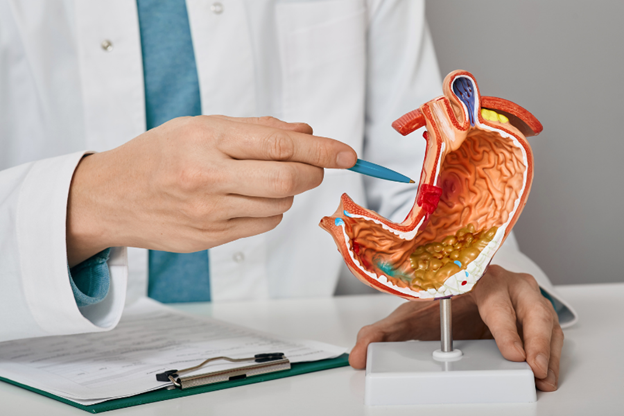
Early detection saves lives. A colonoscopy enables a professional to inspect the lining of the large intestine and remove growths before they become problematic. Individuals aged 50 and above, those with a family history of colorectal cancer, or those noticing signs such as blood in the stool or changes in bowel habits should strongly consider screening.
Think of it as a safety net. The procedure can detect polyps and remove them during the same visit. It provides answers, immediate treatment if needed, and reassurance. Many people now choose colonoscopy screening Singapore services to reduce health risks and safeguard their wellbeing.
Are You a Candidate Right Now?
Those in higher-risk groups benefit most, including people with a genetic predisposition or a history of polyps. Symptoms like persistent abdominal pain, iron-deficiency anaemia, or unexplained weight loss should be taken seriously. When in doubt, consult a general practitioner or gastroenterologist for an assessment.
Even individuals under 50 sometimes undergo the test, especially if there is family history or ongoing symptoms. The important step is to get clarity from a professional.
Preparation Feels Big. Here’s How to Make It Easier
Proper preparation ensures the colon is clear and easy to examine. Two to three days before the test, patients are usually asked to switch to a lower-fibre diet. On the day before, a prescribed bowel prep is taken in split doses. Drinking plenty of clear fluids facilitates the procedure. Some find it easier to chill the prep or sip it through a straw.
It helps to plan the day around the bathroom. Keeping soft toilet tissue, soothing wipes, and a light moisturiser nearby makes the process more comfortable. While hunger and tiredness are expected, preparation is temporary and a meaningful investment in long-term health.
What Really Happens During the Procedure
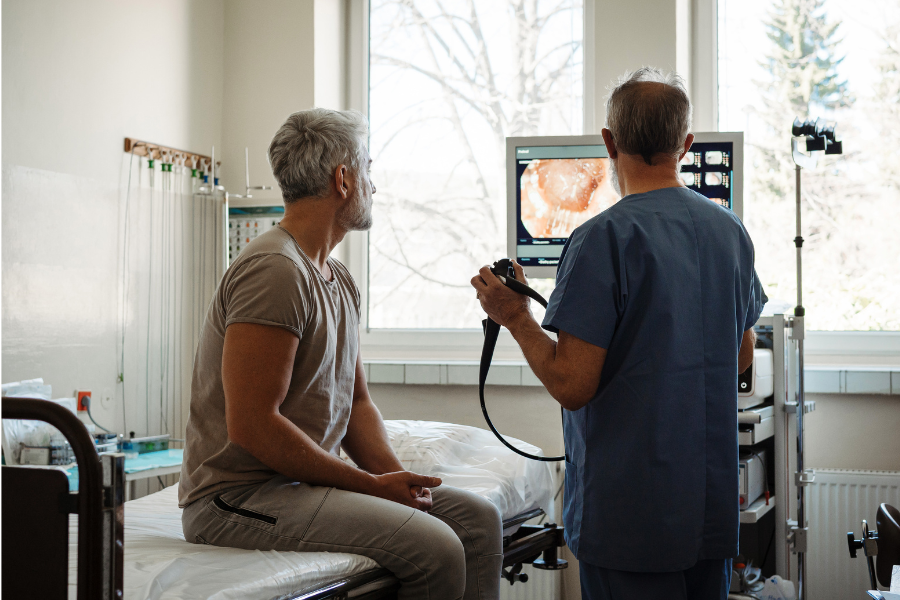
On arrival, patients sign consent forms and meet the medical team. A nurse places an IV line, and sedation is given to ensure comfort. The doctor next inserts a thin, flexible camera into the rectum to check the colon. Most patients remain asleep or relaxed throughout. The treatment normally takes 30 to 60 minutes.
Polyps, if discovered, are removed immediately. Suspicious tissue samples may also be taken for testing. Afterward, patients rest in recovery, wake gently, and receive initial findings before heading home with an escort. In some cases, specialists may recommend additional treatments, such as the ercp procedure, which examines the bile ducts and pancreas.
Recovery: What You’ll Feel, What You’ll Do
Mild bloating or cramping can occur for a short period as air leaves the colon. Rest, clear fluids, and light meals usually help recovery on the same day. Heavy exercise should be avoided until the following day unless the doctor advises otherwise. Patients who have been sedated should not drive or sign any documents for the remainder of the day.
Results are typically shared in a discussion or follow-up call. If polyps are removed, a detailed report and future screening plan are provided. Many people choose colonoscopy Singapore for access to experienced specialists, advanced technology, and flexible options in both public and private care.
Where to Go: Public, Private, and How to Choose
Public hospitals offer multidisciplinary teams and subsidised rates for eligible patients, though non-urgent cases may face longer waiting times. Private centres provide faster appointments, advanced facilities, and more flexibility, though costs are higher.
The best choice depends on individual needs. Factors include waiting time, location, urgency, and budget. Those with insurance should check coverage for screening, sedation, and polyp removal. Many patients search for a trusted colonoscopy clinic Singapore offers to receive timely care with fewer delays.
Costs, Insurance, and What Affects the Bill
Costs vary depending on whether the procedure is diagnostic or screening, the type of sedation used, and whether polyps are removed. An itemised estimate should always be requested. Insurance may cover day-surgery fees, consultations, pathology, and follow-up care, but details should be confirmed in advance.
For those paying out of pocket, package rates are available that bundle the scope, sedation, facility fees, and doctor’s charges. It is best to clarify what happens if additional procedures or multiple polyp removals are required. Clear information reduces stress.
How to Pick the Right Specialist With Confidence
Experience matters. Patients can ask how many procedures the doctor performs annually and what detection rate is achieved. Complication management and emergency protocols should also be discussed. Transparent answers help build trust.
Equally important is how the clinic communicates. The best specialists explain preparation clearly, provide support lines for questions, and ensure all paperwork is easy to understand.
Your Step-by-Step Booking Plan
Start by consulting a GP for advice or referrals if needed for insurance. Shortlist clinics and compare their fees, waiting times, and preparation instructions. Once you’ve decided on a date, make plans to take a family member or friend with you. Prepare your home with clear fluids, light meals, and reminders for prep doses.
On the day of the procedure, wear comfortable clothing and bring along any medical records, allergy notes, and a list of current medications.
When to Seek Help Before or After
During preparation, call the clinic if it becomes impossible to complete the bowel prep, if severe vomiting occurs, or if you feel faint. After the procedure, medical attention should be sought for heavy bleeding, severe abdominal pain, persistent vomiting, or fever.
If polyps are found, ask about their type, size, and recommended follow-up schedule. Mark the next appointment in a calendar as soon as results are received.
Take the Next Step Today
If you are ready to make health a priority, scheduling your colonoscopy Singapore appointment is the most valuable step you can take today.