
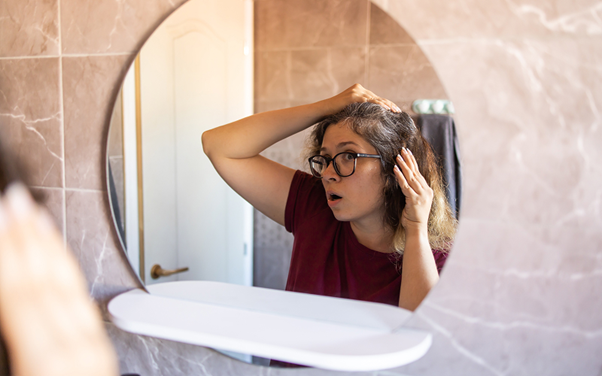
Hair loss can feel sudden and unexplained, but in many cases, the root cause is stress. Whether triggered by work, personal life, or long-term anxiety, psychological strain can interfere with normal hair growth cycles. In Singapore, more individuals are seeking hair loss treatment after recognising the mental load they carry daily. Understanding how stress affects hair and knowing what treatments are available can help address the issue early. Here are several ways stress impacts hair health and how the situation can be improved through targeted care.
Stress Disrupts the Hair Growth Cycle
Hair grows in cycles that include growth, rest, and shedding phases. Stress interrupts this process by pushing more hair into the shedding phase prematurely. This condition is known as telogen effluvium. It usually occurs a few months after a stressful event, making it hard to connect the cause immediately. Individuals experiencing this form of hair loss may notice increased shedding during washing or combing, and over time, hair volume can visibly decrease.
Mental Strain Affects Hormonal Balance
When the body is under stress, it produces more cortisol and other stress hormones. These changes can alter the hormonal environment in the body, leading to imbalances that affect hair follicles. In some cases, stress may worsen underlying conditions like thyroid issues, which further contribute to hair thinning. Seeking professional assessment is essential for identifying whether hormonal shifts are playing a role and whether they require medical or nutritional support alongside hair loss treatment.
Stress-Driven Habits May Contribute to Hair Loss
Stress does not just affect the body internally, it also influences behaviour. People under pressure may skip meals, get poor sleep, or neglect their hair care routines. Some may develop habits like hair pulling or excessive scratching, which physically damage the scalp. These habits, combined with weakened hair due to nutritional deficiencies, can lead to visible thinning. A plan for hair treatment in Singapore typically includes information on healthier daily habits that support hair recovery.
Anxiety Can Trigger Scalp Inflammation
Psychological stress is known to affect immune responses and inflammation levels in the body. In the scalp, this may show up as increased sensitivity, flaking, or redness. Inflammatory scalp conditions can make the environment less suitable for hair growth and may damage follicles over time. Addressing the inflammation through topical solutions or lifestyle changes is a necessary step in any treatment designed to restore scalp balance.
Sleep Disturbances Delay Hair Regeneration
Consistent, restful sleep is important for tissue repair, hormone regulation, and immune function. When stress interferes with sleep, the body has fewer resources available to support non-essential functions such as hair production. Over time, insufficient rest can slow hair growth and lead to prolonged recovery. Integrating stress management and sleep hygiene into a broader hair loss treatment plan can help re-establish a growth-friendly environment for hair.
Learn More: Understanding The Various Causes of Hair Loss
Professional Hair Treatment Combines Internal and External Support
In Singapore, many individuals seek specialised care once they understand the link between mental health and hair loss. A comprehensive hair treatment approach addresses the scalp’s condition and the broader lifestyle factors contributing to the issue. This may include nutritional guidance, scalp cleansing, and stress reduction strategies to improve both physical and psychological well-being. Rather than treating hair loss as an isolated concern, professionals assess it as part of an interconnected system involving mental, hormonal, and physical health.
Long-Term Recovery Requires Stress Awareness
For those who have experienced stress-related hair loss, long-term success relies on understanding stress triggers and learning how to manage them. Techniques such as mindfulness, regular exercise, and therapy can reduce the body’s stress response and lower the likelihood of recurring hair loss. While medical and cosmetic treatments are crucial, awareness of mental health and its impact on the body remains critical in maintaining results.
For more information about hair loss treatment, contact Bee Choo Origin today.