
Archive

December 2022

Browsing

Addiction Recovery Contract

Addiction is a disease that impacts millions of people all over the world. It can destroy families, careers, and lives. Fortunately, there is help available for those who are struggling with addiction. One popular form of treatment is addiction recovery contracts. In this post, we will discuss what addiction recovery contracts are and how they work. Keep reading to learn more about this important tool for those on the road to sobriety.

What is a Recovery Contract?

An addiction recovery contract, also known as a sobriety agreement, is an agreement between two or more people who are working together to help an individual recover from addiction. This document outlines the goals and expectations of each party involved in the process, which helps to keep everyone on the same page and accountable for their actions. The contract can be used by families, professionals, and even friends who are trying to help someone with an addiction.

The contract will typically include a list of goals that the individual wishes to achieve, as well as a timeline for how long they expect to take. It can also include any expectations that the others involved have, such as attending meetings or therapy sessions. Additionally, one may even seek help from an addiction recovery coach in Fort Lauderdale to provide ongoing accountability. With the help of a professional, you can ensure that the goals in your recovery contract are met.

How Do They Work?

Addiction recovery contracts work by providing a framework that everyone involved can use to hold the individual with addiction accountable and stay on track with their recovery. Therefore, it is important that everyone involved understands the goals of the contract and takes appropriate actions to support them. The individual in recovery should also have clear expectations of what is expected of them, such as avoiding drugs and alcohol, attending meetings or therapy sessions, or regularly checking in with their support system.

By having a clear plan that is agreed upon by all parties, everyone can work together to ensure the individual in recovery is successful. This helps to build trust among all involved while also providing a sense of security and accountability. You may even check out the best ways to stay positive during recovery so you can learn more about the process. Remember that recovery is a journey, and it takes time, so be sure to take it one step at a time.

To Sum It Up

The path to sobriety is not easy, but it is possible. Seek help from addiction recovery professionals and use tools such as addiction recovery contracts to help guide the process. With the help of everyone involved, an individual can achieve their goals and live a life free from addiction.

Weight Gain After Lap Band Surgery

If you’re one of the many people who have had lap band surgery, then you’re probably well aware of the importance of avoiding weight gain. Unfortunately, it can be easy to put on pounds after the procedure if you’re not careful. In this article, we will discuss three ways to avoid weight gain after lap band surgery. Follow these tips, and you’ll be able to maintain your hard-earned results!

1. Eat Slowly and Mindfully

One of the best ways to avoid weight gain after lap band surgery is to eat slowly and mindfully. Eating slowly allows your stomach pouch to fill up so that you feel full faster, which can help you resist overeating. It’s also important to be mindful while eating so that you can recognize when you’re full and stop eating. Eating slowly and mindfully can also help you enjoy your food more, which can make it easier to stick with your diet plan in the long run.

2. Eat High-Protein Meals

Protein helps to promote fullness and can also help your body build muscle, which can increase your metabolism. Aim for 25-30 grams of protein per meal. Good sources of protein include lean meats, eggs, dairy products, legumes, nuts/seeds, and tofu. This will help you get the nutrition you need while also avoiding weight gain. You may even talk with a qualified professional to know which foods you should eat after lap band surgery, as they will be able to provide advice tailored to your specific needs.

3. Exercise Regularly

Finally, exercise is one of the most important steps to take when avoiding weight gain after lap band surgery. Regular physical activity can help you burn more calories and build muscle mass. It also increases your overall energy levels and helps to reduce stress. Aim for at least 30 minutes of moderate-intensity exercise per day. This could include walking, running, cycling, swimming, or any other form of physical activity that you enjoy.

To Sum It Up

By following these three tips, you can help to avoid weight gain after lap band surgery. Remember to consult with a healthcare professional for lap band surgery in Roswell, NM, before making any drastic changes to ensure that you are getting the most out of your lap band experience. Additionally, always take into account how your body is responding to the changes that you are making and make sure to adjust as necessary for optimum health and self-care.

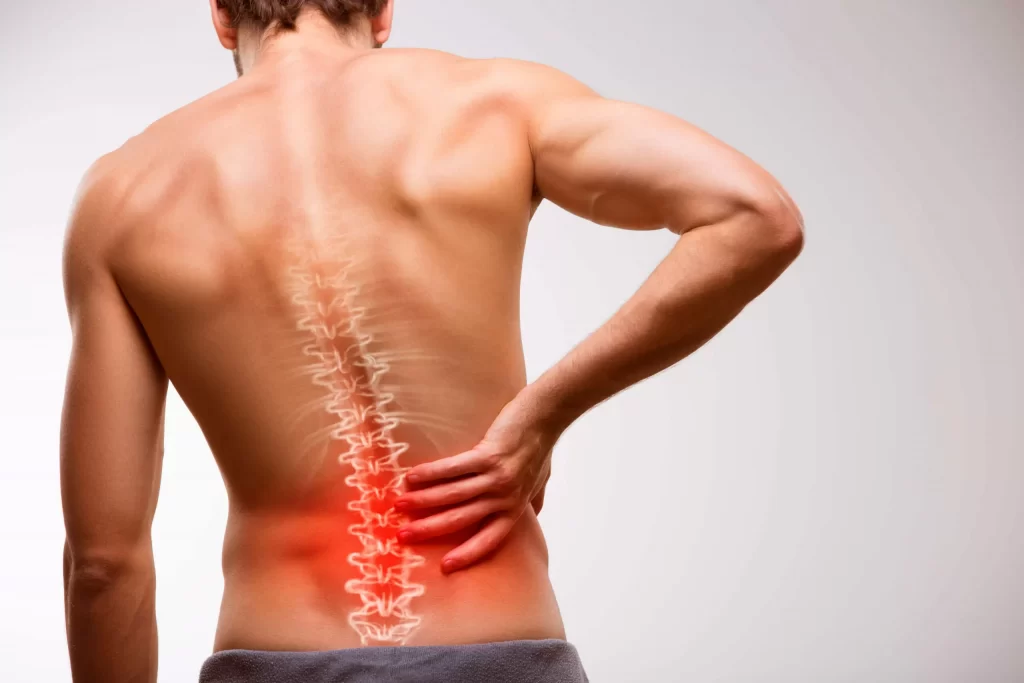
Sciatica is a common condition that often causes pain in the lower back, legs, and bottoms. The pain can be extremely debilitating and may interfere with your ability to sit, stand or walk. In most cases, sciatica occurs due to an injury or injury-related conditions such as arthritis or spinal stenosis. However, there are some things you can do at home to manage your sciatica pain so that it does not worsen over time. If various at-home remedies fail, you can receive a more advanced Holmdel sciatica treatment that can provide long-term pain relief. Below are five effective ways that can relieve your sciatica pain.  

  1. Exercises

Exercises are among the most effective ways to manage your sciatica pain. They can also reduce inflammation, strengthen muscles, and improve flexibility, posture, and balance. The best exercises for sciatica include swimming or water aerobics, walking, and stretching exercises like yoga. These exercises help strengthen your lower back and abdominal muscles. If you are unsure which exercises to try for your sciatica pain, consult our doctor. 

  1. Physical Therapy

Physical therapy can also be effective for sciatica pain. It can make a big difference in your recovery and increase flexibility, making it easier to do everyday activities. You learn various ways of strengthening your core muscles, posture, and balance through your physical therapist. They can also help with coordination problems caused by nerve damage in your leg or lower back.

  1. Stretching

Stretching is a great way to manage your sciatica pain and bring a big difference in your recovery. It can help reduce pain and increase flexibility, especially when done gently. It is also best to avoid stretching too much, which could lead to injury and further pain. 

It would be best to stretch regularly before and after exercise to keep your muscles strong. This step will help reduce the risk of developing a herniated disc in your back or lower spine. If you develop further pain after stretching, you should consult your doctor or physical therapist before resuming any exercise.

  1. Pain Medication

Pain medication can be a useful tool for managing your sciatica pain. It can help you sleep better and prevent new back problems. If you are taking pain medications, it is important to know that some potential side effects are associated with them, such as drowsiness, dizziness, or numbness. Therefore, before taking pain-relieving medications or injections, consult our doctor first.

  1. Surgery

Surgery is a last resort for sciatica pain, but it can be effective if other therapies have failed. If you are considering surgery as your treatment option for sciatica pain, ensure you have an insurance policy to cover the costs. Also, before making any decisions, talk with your doctor to know what to expect during and after surgery. 

Also, you can inquire about the expected side effects and risks associated with sciatica surgery. Some of the most common surgical procedures that can relieve sciatica pain include microdiscectomy and laminectomy. These procedures are similar but differ in preparations, processes, and recoveries.

Sciatica pain can affect your ability to enjoy life. However, you can treat and prevent its symptoms from worsening through proper self-care measures. Through your primary care provider, you will receive the best treatment option that might vary based on the severity of your condition. You can also inquire about various sciatica treatments that might benefit your overall well-being and help you live a pain-free life.

Deep vein thrombosis occurs when blood clots form in one or more of the major veins in your body—the blood clot forms in a deep vein, typically in one of your legs. Deep vein thrombosis can cause leg pain and swelling, but sometimes there are no noticeable symptoms. This condition can affect anyone, but the risk of El Paso deep vein thrombosis is higher in people with medical conditions that affect how blood clots.

Symptoms of deep vein thrombosis

Up to 30% of individuals with deep vein thrombosis experience no symptoms but sometimes the symptoms are mild and may not be a cause for concern. Examples of symptoms associated with acute deep vein thrombosis include

  • Pain or tenderness in your leg or arm when standing or walking
  • Red or discolored skin
  • Swelling of your leg or arm; this may happen suddenly
  • Enlarged veins near your skin’s surface
  • A feeling of warmth on the swollen area of your keg or arm
  • Flank pain or abdominal pain
  • Severe headache

Since these symptoms are usually absent or mild when present, some people may not know they have deep vein thrombosis until the clot moves from their legs or arms to the lungs. This condition is called a pulmonary embolism and is a life-threatening complication of DVT. Seek emergency care if you experience symptoms of pulmonary embolisms, such as lightheadedness, sudden shortness of breath, rapid pulse, fainting, rapid breathing, coughing up blood, and chest pain.

Causes of deep vein thrombosis

Deep vein thrombosis can result from anything that prevents blood from flowing or clotting properly. In most cases, deep vein thrombosis occurs due to vein damage from surgery, injury, inflammation, or an infection. Although anyone can suffer from this problem, some people have a higher risk of developing deep vein thrombosis. Below are common risk factors for deep vein thrombosis.

  • Old age. Deep vein thrombosis can occur at any age but is more common in older adults above 60 years.
  • Surgery or injury. A surgical procedure or any injury that damages the veins increases the risk of blood clots.
  • Lack of movement. The calf muscles in your legs play a vital role in blood circulation. They help the leg veins move blood to the heart when they contract. Therefore, the calf muscles don’t squeeze to encourage blood flow when you don’t move for a long time. Having a sedentary lifestyle puts you at risk of deep vein thrombosis. So does sitting for long hours when driving or flying and long-term bed rest due to a medical problem like paralysis.
  • Pregnancy. During pregnancy, the body undergoes various changes, including increased pressure on the pelvis and leg veins. The risk of blood clots during pregnancy can continue for up to six weeks after childbirth.

Tips to prevent deep vein thrombosis

You can reduce your risk of deep vein thrombosis using lifestyle changes such as:

  •  Lose extra weight and stay within a healthy weight
  • See your doctor regularly for checkups
  • Stay active
  • Maintain a healthy blood pressure
  • Do not smoke
  • Drink enough water
  • Avoid a sedentary lifestyle or sitting for long hours

If you have deep vein thrombosis, visit your healthcare provider at i-VASCULAR center for treatment to avoid complications like pulmonary embolism.